
Madesu - Easy Red Beans & Rice Recipe Using Canned Beans
Madesu - Easy Red Beans & Rice Recipe Using Canned Beans


- Serves: 6 People
- Prepare Time: 15 minutes
- Cooking Time: 1 hour 45 m
- Calories: -
- Difficulty: Medium
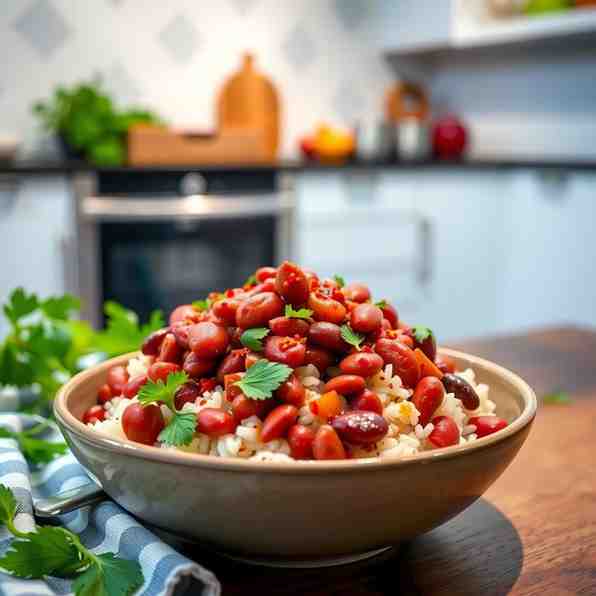
Welcome to the heartwarming world of Madesu! If you're looking for a truly comforting, budget-friendly meal that's packed with flavor and history, you've come to the right place. Madesu, which simply means "beans" in Lingala, is a beloved Congolese stewed red bean dish, often served alongside fluffy white rice. It's the kind of everyday home-style food that nourishes both body and soul, a staple in kitchens across the Democratic Republic of the Congo.
This versatile dish is not only delicious but also naturally high in plant protein, incredibly flexible with spices, and fantastic for batch-cooking. While traditional Madesu often starts with dried beans, we'll show you how to easily make this incredible red beans and rice recipe using canned beans for a quicker weeknight option, ensuring you get all the authentic flavors without the long soak. Get ready to embark on a culinary journey that will bring exotic, comforting tastes right into your kitchen!
Ingredients
Directions
- Soak & Pre-Cook the Beans (for Dried Beans)
- If using dried beans: Rinse your dried red beans thoroughly under cold water. Inspect them for any small stones or debris and discard any broken or discolored beans. Place the rinsed beans in a large bowl, cover them with plenty of cold water (at least 2-3 inches above the beans), and let them soak overnight for 8-12 hours.
- The next day, drain the soaked beans and rinse them again. Transfer them to a large pot or Dutch oven. Add 8 cups of fresh water (or stock), the bay leaves, and the optional onion studded with cloves. Bring to a boil, then reduce heat to a gentle simmer. Cook, partially covered, until the beans are tender but still hold their shape – this usually takes about 1 to 1.5 hours, depending on the age of your beans. They should be soft all the way through, with no chalky centers. Do NOT add salt yet, as it can toughen the beans.
- If using canned beans, skip this step and proceed directly to Step 2.
- Build the Tomato-Onion Base
- While the beans are simmering (or if you're using canned beans, start here), heat the neutral oil (or palm oil, if using) in a large, heavy-bottomed pot or Dutch oven over medium heat.
- Add the chopped yellow onion (and sliced leek, if using) and sauté gently until soft and translucent, about 8-10 minutes. If you want a deeper flavor, let them get lightly golden.
- Stir in the minced garlic and chopped green onions. Cook for another 1-2 minutes until fragrant, being careful not to burn the garlic.
- Add the tomato paste to the pot. Stir it well into the onion mixture and "fry" it for 2-3 minutes. This step deepens its color and flavor, adding a rich umami note to your sauce.
- Pour in the diced tomatoes (canned, undrained, or fresh). Stir in the paprika, coriander, nutmeg, chili (paste, flakes, or fresh), garlic powder, and onion powder (if using). Simmer for 5-7 minutes, stirring occasionally, to allow the flavors to meld beautifully.
- Combine Beans with the Sauce
- If using pre-cooked dried beans: Carefully drain the tender beans, reserving about 1-2 cups of their cooking liquid. Discard the bay leaves and studded onion. Add the cooked beans to the tomato-onion base. Add about 1 cup of the reserved bean cooking liquid. If you're using optional smoked meat or fish, add it now.
- If using canned beans: Add the drained and rinsed canned beans directly to the tomato-onion base. Add 1-1.5 cups of water or vegetable/chicken stock to loosen the sauce. Add bay leaves and any optional smoked meat or fish if using.
- Bring the mixture to a gentle simmer. Reduce heat to low, cover partially, and cook for at least 30-45 minutes (for dried beans) or 20-25 minutes (for canned beans), stirring occasionally. The goal is for the beans to soak up all the wonderful flavors of the sauce, and for the sauce to thicken into a rich, glossy consistency.
- Final Seasoning & Texture Check
- Once the beans are tender and the sauce has thickened, remove any large pieces of smoked meat/fish (if using) that might have been added for flavor. Taste the Madesu and adjust the seasoning. This is when you should add salt and black pepper to your preference. If you want more heat, carefully add a bit more chili.
- If the sauce is too thick, add a splash more reserved bean cooking liquid or warm water until it reaches your desired consistency.
- If the sauce is too thin, you can mash a small portion of the beans against the side of the pot with the back of your spoon. This will release some starch and help to naturally thicken the sauce. Continue to simmer uncovered for a few more minutes.
- Cook the Rice & Plate
- While the Madesu is simmering, prepare your white rice. Cook the 3 cups of long-grain white rice according to package directions (usually 2 parts water to 1 part rice, simmered until water is absorbed).
- To serve, scoop a generous portion of hot, fluffy rice into bowls. Spoon the luscious Madesu generously over or alongside the rice. Garnish with fresh chopped parsley or extra green onions if desired. Madesu is traditionally served with fried plantains or grilled meats, but it's equally satisfying on its own!
Madesu - Easy Red Beans & Rice Recipe Using Canned Beans
- Serves: 6 People
- Prepare Time: 15 minutes
- Cooking Time: 1 hour 45 m
- Calories: -
- Difficulty: Medium
Welcome to the heartwarming world of Madesu! If you're looking for a truly comforting, budget-friendly meal that's packed with flavor and history, you've come to the right place. Madesu, which simply means "beans" in Lingala, is a beloved Congolese stewed red bean dish, often served alongside fluffy white rice. It's the kind of everyday home-style food that nourishes both body and soul, a staple in kitchens across the Democratic Republic of the Congo.
This versatile dish is not only delicious but also naturally high in plant protein, incredibly flexible with spices, and fantastic for batch-cooking. While traditional Madesu often starts with dried beans, we'll show you how to easily make this incredible red beans and rice recipe using canned beans for a quicker weeknight option, ensuring you get all the authentic flavors without the long soak. Get ready to embark on a culinary journey that will bring exotic, comforting tastes right into your kitchen!
Ingredients
Directions
- Soak & Pre-Cook the Beans (for Dried Beans)
- If using dried beans: Rinse your dried red beans thoroughly under cold water. Inspect them for any small stones or debris and discard any broken or discolored beans. Place the rinsed beans in a large bowl, cover them with plenty of cold water (at least 2-3 inches above the beans), and let them soak overnight for 8-12 hours.
- The next day, drain the soaked beans and rinse them again. Transfer them to a large pot or Dutch oven. Add 8 cups of fresh water (or stock), the bay leaves, and the optional onion studded with cloves. Bring to a boil, then reduce heat to a gentle simmer. Cook, partially covered, until the beans are tender but still hold their shape – this usually takes about 1 to 1.5 hours, depending on the age of your beans. They should be soft all the way through, with no chalky centers. Do NOT add salt yet, as it can toughen the beans.
- If using canned beans, skip this step and proceed directly to Step 2.
- Build the Tomato-Onion Base
- While the beans are simmering (or if you're using canned beans, start here), heat the neutral oil (or palm oil, if using) in a large, heavy-bottomed pot or Dutch oven over medium heat.
- Add the chopped yellow onion (and sliced leek, if using) and sauté gently until soft and translucent, about 8-10 minutes. If you want a deeper flavor, let them get lightly golden.
- Stir in the minced garlic and chopped green onions. Cook for another 1-2 minutes until fragrant, being careful not to burn the garlic.
- Add the tomato paste to the pot. Stir it well into the onion mixture and "fry" it for 2-3 minutes. This step deepens its color and flavor, adding a rich umami note to your sauce.
- Pour in the diced tomatoes (canned, undrained, or fresh). Stir in the paprika, coriander, nutmeg, chili (paste, flakes, or fresh), garlic powder, and onion powder (if using). Simmer for 5-7 minutes, stirring occasionally, to allow the flavors to meld beautifully.
- Combine Beans with the Sauce
- If using pre-cooked dried beans: Carefully drain the tender beans, reserving about 1-2 cups of their cooking liquid. Discard the bay leaves and studded onion. Add the cooked beans to the tomato-onion base. Add about 1 cup of the reserved bean cooking liquid. If you're using optional smoked meat or fish, add it now.
- If using canned beans: Add the drained and rinsed canned beans directly to the tomato-onion base. Add 1-1.5 cups of water or vegetable/chicken stock to loosen the sauce. Add bay leaves and any optional smoked meat or fish if using.
- Bring the mixture to a gentle simmer. Reduce heat to low, cover partially, and cook for at least 30-45 minutes (for dried beans) or 20-25 minutes (for canned beans), stirring occasionally. The goal is for the beans to soak up all the wonderful flavors of the sauce, and for the sauce to thicken into a rich, glossy consistency.
- Final Seasoning & Texture Check
- Once the beans are tender and the sauce has thickened, remove any large pieces of smoked meat/fish (if using) that might have been added for flavor. Taste the Madesu and adjust the seasoning. This is when you should add salt and black pepper to your preference. If you want more heat, carefully add a bit more chili.
- If the sauce is too thick, add a splash more reserved bean cooking liquid or warm water until it reaches your desired consistency.
- If the sauce is too thin, you can mash a small portion of the beans against the side of the pot with the back of your spoon. This will release some starch and help to naturally thicken the sauce. Continue to simmer uncovered for a few more minutes.
- Cook the Rice & Plate
- While the Madesu is simmering, prepare your white rice. Cook the 3 cups of long-grain white rice according to package directions (usually 2 parts water to 1 part rice, simmered until water is absorbed).
- To serve, scoop a generous portion of hot, fluffy rice into bowls. Spoon the luscious Madesu generously over or alongside the rice. Garnish with fresh chopped parsley or extra green onions if desired. Madesu is traditionally served with fried plantains or grilled meats, but it's equally satisfying on its own!
You may also like




Hey there! I’m just someone who seriously loves good food and believes that cooking doesn’t have to be complicated to be amazing. Whether it’s a quick weeknight dinner or a cozy weekend meal, I’m all about sharing easy, tasty recipes that actually work.