
Makdous - Pickled Eggplant Recipe at Home
Makdous - Pickled Eggplant Recipe at Home
- Serves: 15 People
- Prepare Time: 2 hours (ac
- Cooking Time: 15 minutes
- Calories: -
- Difficulty: Easy
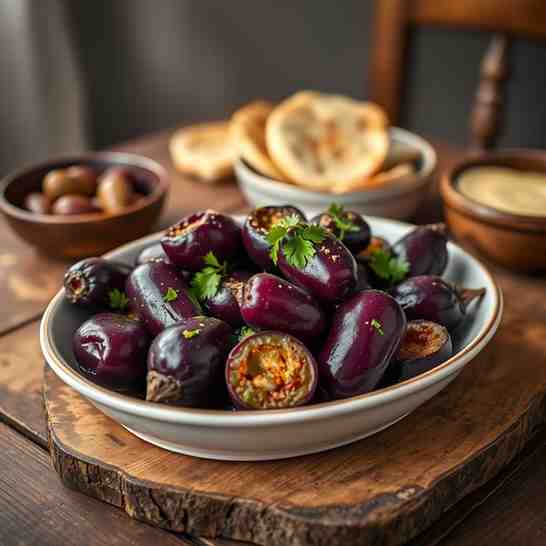
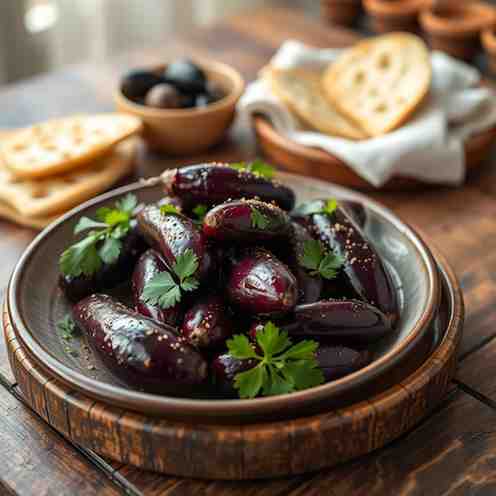
Ever tried pickled eggplant that’s bursting with savory, garlicky, and nutty flavors, all while being a little spicy? Then you absolutely have to make Makdous! This traditional Lebanese dish transforms humble baby eggplants into an irresistible delicacy, cured slowly under a blanket of rich olive oil. It's a true labor of love, but every bite proves it’s worth the wait. While it requires a bit of patience over a few days, the steps are surprisingly easy, making it a rewarding cooking recipe for both beginners and experienced home cooks. Get ready to add this amazing vegan recipe to your repertoire!
So, what exactly is Makdous? Simply put, it's a dish of tiny eggplants, carefully hollowed out, salted, pressed to remove moisture, then generously stuffed with a savory mixture of walnuts, red bell pepper, garlic, and sometimes a hint of hot pepper. These delicious parcels are then packed into jars and submerged in olive oil to cure, developing deep, complex flavors over a couple of weeks. People usually enjoy Makdous as part of a Lebanese breakfast spread, as a mezze item, or simply scooped up with warm pita bread, alongside labneh or eggs. It's a versatile salad recipe component and a fantastic way to enjoy vegan food recipes.
Ingredients
Directions
- Day 1: Boil, Slit, Salt, and Press
- Prep the Eggplants: Wash the baby eggplants well. Trim off the green leafy caps, but leave a small bit of the stem attached.
- Boil the Eggplants: Bring a large pot of water to a rolling boil. Carefully add the eggplants and cook for about 10-15 minutes, or just until they are tender enough to be pierced with a fork but not mushy. They should still have a slight bite.
- Drain & Cool: Immediately drain the cooked eggplants and spread them out on a clean towel or cooling rack to cool completely.
- Slit & Salt: Once cool enough to handle, make a lengthwise slit down one side of each eggplant, being careful not to cut all the way through to the other side. Gently open the slit and sprinkle a pinch of coarse salt inside each eggplant.
- Press the Eggplants: Arrange the salted eggplants in a large colander placed over a bowl (to catch the drained liquid). Place a plate directly on top of the eggplants, then weigh it down with something heavy, like a cast iron pan or a water-filled jar. Let them press overnight, or for at least 12-18 hours. This step is crucial for removing excess water.
- Day 2: Finish Pressing, Prep Stuffing, and Drain
- Continue Pressing: Check the eggplants. They should have released a significant amount of dark liquid and feel softer and more pliable. If they still feel very watery, continue pressing for a few more hours. The eggplants are done pressing when they feel dry and firm, and little to no liquid is still draining.
- Prep the Stuffing: While the eggplants are pressing, prepare the stuffing. In a medium bowl, combine the finely diced red bell pepper, hot peppers (if using), hand-chopped walnuts, minced garlic, and 2 tablespoons of coarse salt.
- Drain the Stuffing: This is important! Place the stuffing mixture in a fine-mesh sieve or colander and let it drain for at least 1-2 hours. You want to remove any excess moisture from the peppers to prevent spoilage later. The stuffing is done draining when it no longer drips liquid.
- Day 3: Stuff, Jar, Oil, and Cure
- Stuff the Eggplants: Gently open the slit in each pressed eggplant. Using a small spoon, firmly stuff each eggplant with the prepared walnut and pepper mixture. Don't be shy – pack it in!
- Pack into Jars: Tightly pack the stuffed eggplants into clean, sterilized glass jars. The tighter you pack them, the less likely they are to float later.
- Optional Drain: Some people like to briefly invert the packed jars for an hour or two to drain any last bits of moisture. This is optional but can help ensure a longer shelf life.
- Cover with Oil: Once packed, fully submerge the eggplants in extra virgin olive oil. Make sure every single eggplant is completely covered. Any exposed eggplant can spoil.
- Cure: Seal the jars tightly. Store them in a cool, dark place (like a pantry) for 10-14 days to cure. During this time, the flavors will meld and deepen, and the eggplants will become wonderfully tender and infused with the stuffing.
- Recipe Notes:
- Don't overcook the eggplants: They should be tender but still hold their shape. Mushy eggplants will fall apart.
- Pressing and draining are non-negotiable: These steps are critical for removing moisture, which prevents spoilage and ensures the right texture.
- Keep submerged at all times: Always ensure the Makdous is fully covered by olive oil, even after you start eating it. This acts as a natural preservative.
Makdous - Pickled Eggplant Recipe at Home
- Serves: 15 People
- Prepare Time: 2 hours (ac
- Cooking Time: 15 minutes
- Calories: -
- Difficulty: Easy
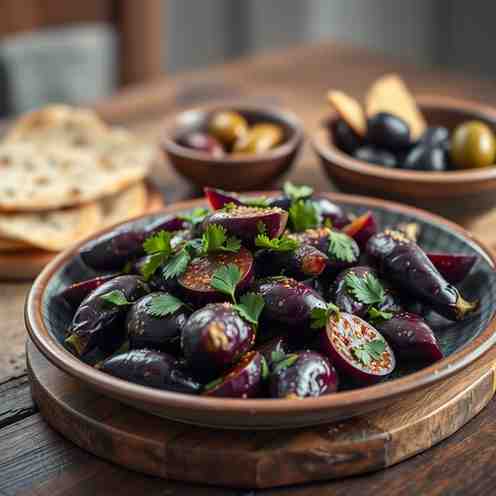
Ever tried pickled eggplant that’s bursting with savory, garlicky, and nutty flavors, all while being a little spicy? Then you absolutely have to make Makdous! This traditional Lebanese dish transforms humble baby eggplants into an irresistible delicacy, cured slowly under a blanket of rich olive oil. It's a true labor of love, but every bite proves it’s worth the wait. While it requires a bit of patience over a few days, the steps are surprisingly easy, making it a rewarding cooking recipe for both beginners and experienced home cooks. Get ready to add this amazing vegan recipe to your repertoire!
So, what exactly is Makdous? Simply put, it's a dish of tiny eggplants, carefully hollowed out, salted, pressed to remove moisture, then generously stuffed with a savory mixture of walnuts, red bell pepper, garlic, and sometimes a hint of hot pepper. These delicious parcels are then packed into jars and submerged in olive oil to cure, developing deep, complex flavors over a couple of weeks. People usually enjoy Makdous as part of a Lebanese breakfast spread, as a mezze item, or simply scooped up with warm pita bread, alongside labneh or eggs. It's a versatile salad recipe component and a fantastic way to enjoy vegan food recipes.
Ingredients
Directions
- Day 1: Boil, Slit, Salt, and Press
- Prep the Eggplants: Wash the baby eggplants well. Trim off the green leafy caps, but leave a small bit of the stem attached.
- Boil the Eggplants: Bring a large pot of water to a rolling boil. Carefully add the eggplants and cook for about 10-15 minutes, or just until they are tender enough to be pierced with a fork but not mushy. They should still have a slight bite.
- Drain & Cool: Immediately drain the cooked eggplants and spread them out on a clean towel or cooling rack to cool completely.
- Slit & Salt: Once cool enough to handle, make a lengthwise slit down one side of each eggplant, being careful not to cut all the way through to the other side. Gently open the slit and sprinkle a pinch of coarse salt inside each eggplant.
- Press the Eggplants: Arrange the salted eggplants in a large colander placed over a bowl (to catch the drained liquid). Place a plate directly on top of the eggplants, then weigh it down with something heavy, like a cast iron pan or a water-filled jar. Let them press overnight, or for at least 12-18 hours. This step is crucial for removing excess water.
- Day 2: Finish Pressing, Prep Stuffing, and Drain
- Continue Pressing: Check the eggplants. They should have released a significant amount of dark liquid and feel softer and more pliable. If they still feel very watery, continue pressing for a few more hours. The eggplants are done pressing when they feel dry and firm, and little to no liquid is still draining.
- Prep the Stuffing: While the eggplants are pressing, prepare the stuffing. In a medium bowl, combine the finely diced red bell pepper, hot peppers (if using), hand-chopped walnuts, minced garlic, and 2 tablespoons of coarse salt.
- Drain the Stuffing: This is important! Place the stuffing mixture in a fine-mesh sieve or colander and let it drain for at least 1-2 hours. You want to remove any excess moisture from the peppers to prevent spoilage later. The stuffing is done draining when it no longer drips liquid.
- Day 3: Stuff, Jar, Oil, and Cure
- Stuff the Eggplants: Gently open the slit in each pressed eggplant. Using a small spoon, firmly stuff each eggplant with the prepared walnut and pepper mixture. Don't be shy – pack it in!
- Pack into Jars: Tightly pack the stuffed eggplants into clean, sterilized glass jars. The tighter you pack them, the less likely they are to float later.
- Optional Drain: Some people like to briefly invert the packed jars for an hour or two to drain any last bits of moisture. This is optional but can help ensure a longer shelf life.
- Cover with Oil: Once packed, fully submerge the eggplants in extra virgin olive oil. Make sure every single eggplant is completely covered. Any exposed eggplant can spoil.
- Cure: Seal the jars tightly. Store them in a cool, dark place (like a pantry) for 10-14 days to cure. During this time, the flavors will meld and deepen, and the eggplants will become wonderfully tender and infused with the stuffing.
- Recipe Notes:
- Don't overcook the eggplants: They should be tender but still hold their shape. Mushy eggplants will fall apart.
- Pressing and draining are non-negotiable: These steps are critical for removing moisture, which prevents spoilage and ensures the right texture.
- Keep submerged at all times: Always ensure the Makdous is fully covered by olive oil, even after you start eating it. This acts as a natural preservative.
You may also like

Hey there! I’m just someone who seriously loves good food and believes that cooking doesn’t have to be complicated to be amazing. Whether it’s a quick weeknight dinner or a cozy weekend meal, I’m all about sharing easy, tasty recipes that actually work.