
Maltese Rabbit Stew - Best Red Wine for Stew & Pairing
Maltese Rabbit Stew - Best Red Wine for Stew & Pairing

- Serves: 4 People
- Prepare Time: 25 minutes
- Cooking Time: 1 hour 45 m
- Calories: -
- Difficulty: Medium
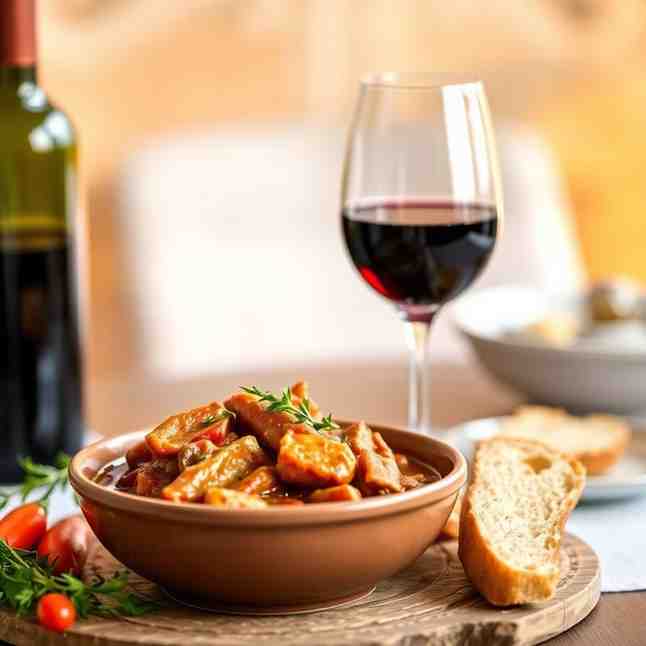
Welcome to the heart of Maltese cuisine! Today, we're diving into a beloved national dish: Fenkata. More specifically, we're making a rich, savory Maltese Rabbit Stew (Stuffat tal-Fenek), a true celebration of flavor. This isn't just any stew; it's a culinary journey where tender rabbit meat is braised to perfection in a fragrant sauce, often featuring the perfect red wine for stew.
On this page, you'll discover a definitive recipe for Stuffat tal-Fenek, complete with guidance on selecting the best red wine to cook with it, as well as ideal wine pairings to enjoy alongside your meal. We'll also explore how to prepare this traditional dish with a lighter, healthier touch, ensuring it fits perfectly into a balanced lifestyle. Get ready to impress your taste buds and your family with this incredible, comforting meal!
This recipe uses rabbit meat for eating. We're cooking up a delicious, traditional meal!
If you're looking for treats for a pet rabbit, you'll find helpful resources on rabbit care and diet at our dedicated rabbit-care content here.
What it tastes like: A comforting blend of sweet tomatoes, pungent garlic, fragrant herbs, and a deep, savory richness from the wine and slow-cooked rabbit.
When choosing red wine for stew, especially for a dish as flavorful as Maltese rabbit, keep these simple rules in mind:
Dry > Sweet: Always opt for a dry red wine. Sweet wines can caramelize too much or make your stew cloyingly sweet, throwing off the savory balance. A good dry red wine is key.
Medium-bodied > Super-tannic "Big" Reds: You want a wine that complements, not overpowers, the delicate flavor of rabbit. Medium-bodied reds like Merlot, Pinot Noir, or a Sangiovese are excellent choices. Avoid extremely tannic or heavily oaked "big" reds, which can become bitter when reduced.
Use something you'd drink: The old adage holds true – if it's not good enough to drink, it's not good enough to cook with. You don't need an expensive bottle, but a decent, drinkable red wine to cook with will make a noticeable difference in your stew's depth of flavor.
Once your delicious rabbit stew is ready, choosing the right wine to drink alongside it elevates the entire meal. Here are a few pairing "lanes":
Earthy Pinot Noir: Its subtle red fruit and earthy notes beautifully echo the flavors of the rabbit and herbs without overwhelming them.
Medium-bodied Merlot: Soft tannins and plum notes make it a versatile and comforting companion to the rich tomato sauce.
Rustic Chianti (Sangiovese): The acidity and savory cherry notes of a good Chianti cut through the richness of the stew, making each bite feel fresh.
Valpolicella Classico: A lighter-bodied Italian red with bright cherry and almond notes that can be surprisingly harmonious with rabbit.
Grenache/Garnacha: Offers a lovely balance of red fruit and spice that pairs well with the stew's aromatic profile.
A short note on Maltese reds: If you're lucky enough to find a Maltese red wine, particularly one made from the indigenous Gellewza grape, it would be an incredibly authentic pairing. For easy US substitutions, look for the styles mentioned above – they'll get you very close to the traditional experience!
Ingredients
Directions
- Prep the Rabbit: Pat the rabbit pieces thoroughly dry with paper towels. This is crucial for good browning! Season generously all over with salt and black pepper. Optional quick vinegar rinse note: Some traditional recipes suggest a quick rinse of the rabbit in a diluted vinegar solution before patting dry to tenderize and reduce gaminess. If doing so, rinse well with water afterward.
- Brown for Flavor: Heat 2 tablespoons of olive oil in a large Dutch oven or heavy-bottomed pot with a lid over medium-high heat. Working in batches to avoid crowding the pot, brown the rabbit pieces on all sides until deep golden. This creates incredible flavor. Don't rush this step – aim for a rich brown, not gray. Remove the browned rabbit to a plate and set aside.
- Build the Base: Reduce the heat to medium. Add the chopped onion to the pot and sauté for 5-7 minutes until softened and translucent, scraping up any browned bits from the bottom. Add the minced garlic and cook for another minute until fragrant. Stir in the tomato paste and cook for 2-3 minutes, stirring constantly, to deepen its flavor.
- Deglaze with Red Wine: Pour in the red wine for stew. Scrape the bottom of the pot vigorously with a wooden spoon to release any remaining browned bits (this is called deglazing and adds tons of flavor!). Let the wine simmer for 2-3 minutes until it reduces slightly.
- Braise Low and Slow: Return the browned rabbit pieces to the pot. Add the crushed tomatoes, stock (or water), bay leaves, optional cloves, and dried oregano. Stir everything together. Bring the mixture to a gentle simmer, then reduce the heat to low, cover the pot, and braise for 1 hour 30 minutes to 2 hours, or until the rabbit is fork-tender and easily pulls away from the bone. The longer it cooks, the more tender it will be.
- Finish the Sauce: Once the rabbit is tender, remove the lid. If the sauce seems too thin, increase the heat to medium-low and simmer uncovered for 10-15 minutes to reduce it to your desired consistency. Taste the sauce and adjust seasoning with salt and pepper as needed.
- Serve: Remove the bay leaves and cloves before serving. Stir in the fresh chopped parsley.
Maltese Rabbit Stew - Best Red Wine for Stew & Pairing
- Serves: 4 People
- Prepare Time: 25 minutes
- Cooking Time: 1 hour 45 m
- Calories: -
- Difficulty: Medium
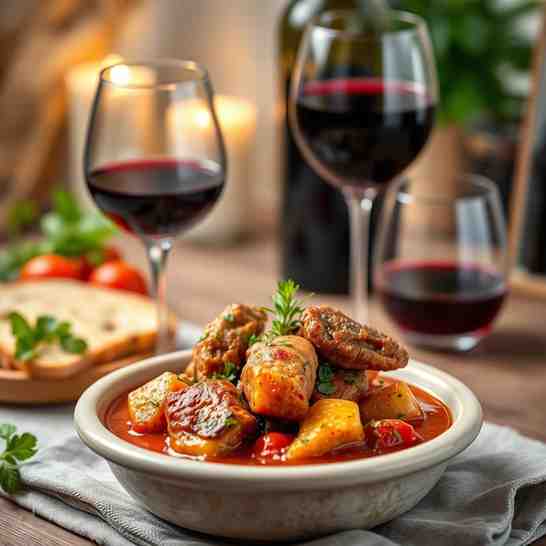
Welcome to the heart of Maltese cuisine! Today, we're diving into a beloved national dish: Fenkata. More specifically, we're making a rich, savory Maltese Rabbit Stew (Stuffat tal-Fenek), a true celebration of flavor. This isn't just any stew; it's a culinary journey where tender rabbit meat is braised to perfection in a fragrant sauce, often featuring the perfect red wine for stew.
On this page, you'll discover a definitive recipe for Stuffat tal-Fenek, complete with guidance on selecting the best red wine to cook with it, as well as ideal wine pairings to enjoy alongside your meal. We'll also explore how to prepare this traditional dish with a lighter, healthier touch, ensuring it fits perfectly into a balanced lifestyle. Get ready to impress your taste buds and your family with this incredible, comforting meal!
This recipe uses rabbit meat for eating. We're cooking up a delicious, traditional meal!
If you're looking for treats for a pet rabbit, you'll find helpful resources on rabbit care and diet at our dedicated rabbit-care content here.
What it tastes like: A comforting blend of sweet tomatoes, pungent garlic, fragrant herbs, and a deep, savory richness from the wine and slow-cooked rabbit.
When choosing red wine for stew, especially for a dish as flavorful as Maltese rabbit, keep these simple rules in mind:
Dry > Sweet: Always opt for a dry red wine. Sweet wines can caramelize too much or make your stew cloyingly sweet, throwing off the savory balance. A good dry red wine is key.
Medium-bodied > Super-tannic "Big" Reds: You want a wine that complements, not overpowers, the delicate flavor of rabbit. Medium-bodied reds like Merlot, Pinot Noir, or a Sangiovese are excellent choices. Avoid extremely tannic or heavily oaked "big" reds, which can become bitter when reduced.
Use something you'd drink: The old adage holds true – if it's not good enough to drink, it's not good enough to cook with. You don't need an expensive bottle, but a decent, drinkable red wine to cook with will make a noticeable difference in your stew's depth of flavor.
Once your delicious rabbit stew is ready, choosing the right wine to drink alongside it elevates the entire meal. Here are a few pairing "lanes":
Earthy Pinot Noir: Its subtle red fruit and earthy notes beautifully echo the flavors of the rabbit and herbs without overwhelming them.
Medium-bodied Merlot: Soft tannins and plum notes make it a versatile and comforting companion to the rich tomato sauce.
Rustic Chianti (Sangiovese): The acidity and savory cherry notes of a good Chianti cut through the richness of the stew, making each bite feel fresh.
Valpolicella Classico: A lighter-bodied Italian red with bright cherry and almond notes that can be surprisingly harmonious with rabbit.
Grenache/Garnacha: Offers a lovely balance of red fruit and spice that pairs well with the stew's aromatic profile.
A short note on Maltese reds: If you're lucky enough to find a Maltese red wine, particularly one made from the indigenous Gellewza grape, it would be an incredibly authentic pairing. For easy US substitutions, look for the styles mentioned above – they'll get you very close to the traditional experience!
Ingredients
Directions
- Prep the Rabbit: Pat the rabbit pieces thoroughly dry with paper towels. This is crucial for good browning! Season generously all over with salt and black pepper. Optional quick vinegar rinse note: Some traditional recipes suggest a quick rinse of the rabbit in a diluted vinegar solution before patting dry to tenderize and reduce gaminess. If doing so, rinse well with water afterward.
- Brown for Flavor: Heat 2 tablespoons of olive oil in a large Dutch oven or heavy-bottomed pot with a lid over medium-high heat. Working in batches to avoid crowding the pot, brown the rabbit pieces on all sides until deep golden. This creates incredible flavor. Don't rush this step – aim for a rich brown, not gray. Remove the browned rabbit to a plate and set aside.
- Build the Base: Reduce the heat to medium. Add the chopped onion to the pot and sauté for 5-7 minutes until softened and translucent, scraping up any browned bits from the bottom. Add the minced garlic and cook for another minute until fragrant. Stir in the tomato paste and cook for 2-3 minutes, stirring constantly, to deepen its flavor.
- Deglaze with Red Wine: Pour in the red wine for stew. Scrape the bottom of the pot vigorously with a wooden spoon to release any remaining browned bits (this is called deglazing and adds tons of flavor!). Let the wine simmer for 2-3 minutes until it reduces slightly.
- Braise Low and Slow: Return the browned rabbit pieces to the pot. Add the crushed tomatoes, stock (or water), bay leaves, optional cloves, and dried oregano. Stir everything together. Bring the mixture to a gentle simmer, then reduce the heat to low, cover the pot, and braise for 1 hour 30 minutes to 2 hours, or until the rabbit is fork-tender and easily pulls away from the bone. The longer it cooks, the more tender it will be.
- Finish the Sauce: Once the rabbit is tender, remove the lid. If the sauce seems too thin, increase the heat to medium-low and simmer uncovered for 10-15 minutes to reduce it to your desired consistency. Taste the sauce and adjust seasoning with salt and pepper as needed.
- Serve: Remove the bay leaves and cloves before serving. Stir in the fresh chopped parsley.
You may also like


Hey there! I’m just someone who seriously loves good food and believes that cooking doesn’t have to be complicated to be amazing. Whether it’s a quick weeknight dinner or a cozy weekend meal, I’m all about sharing easy, tasty recipes that actually work.