
Manx Smoked Salmon Fillet Recipe - Smoke at Home
Manx Smoked Salmon Fillet Recipe - Smoke at Home
- Serves: 6 People
- Prepare Time: 30 minutes
- Cooking Time: 2-3 hours
- Calories: -
- Difficulty: Medium
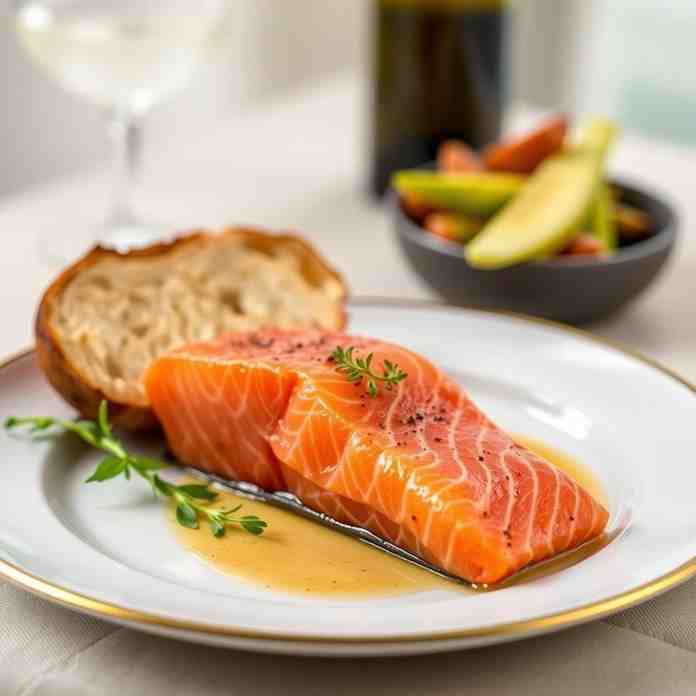
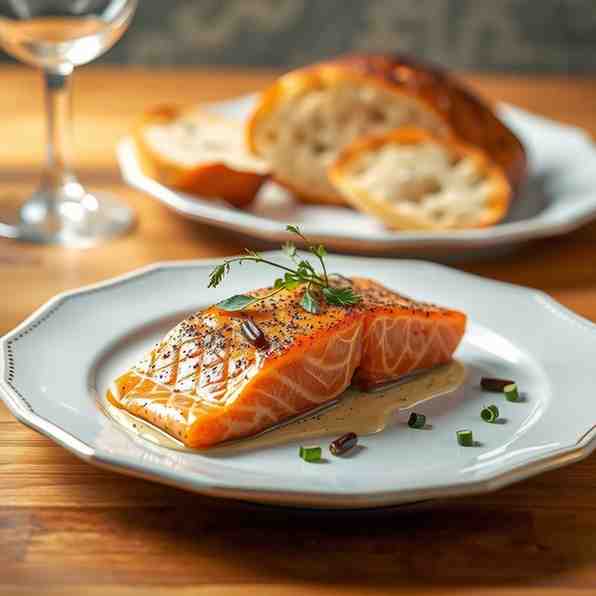
Ever dreamed of making restaurant-quality smoked salmon fillet right in your own backyard? You're in the right place! This guide will show you how to create a mouthwatering, Manx-inspired hot smoked salmon that's tender, flaky, and bursting with a clean, oaky flavor. Forget bland, dry fish – we're talking about the best smoked salmon you can make at home, perfect for everything from a healthy snack to a fancy brunch.
What exactly does "Manx-style" mean? Think of it as a nod to the Isle of Man's rich heritage, focusing on simple seasonings and a distinct oak-forward smoke. While commercial Manx smoked salmon is often cold smoked salmon and thinly sliced, our home-friendly recipe uses the hot smoking method. This makes it safer and easier for beginners to achieve that perfect cooked, flaky texture without complex curing processes. Whether you're looking for a salmon bowl recipe, a simple salmon pasta recipe, or just a delicious smoked salmon snack, mastering this smoked cured salmon is your first step to culinary greatness. Get ready to impress your taste buds and your friends with perfectly cooked smoked salmon!
Ingredients
Directions
- Before You Start: Prep Checklist
- Buy Smart: Look for a fresh, vibrant fresh smoked salmon fillet with firm flesh and no strong "fishy" odor. Whether you choose farmed or wild (like smoked Atlantic salmon, smoked Sockeye salmon, or smoked King salmon), aim for a consistent thickness (around 1-1.5 inches) for even smoking.
- Pin Bone Patrol: Run your fingers along the flesh side of the fillet. If you feel any small, pointy bones, use a pair of clean needle-nose pliers or tweezers to pull them out. They usually come out easily.
- Keep it Cold, Keep it Safe: Salmon is delicate. Keep it refrigerated until you're ready to start the cure, and handle it quickly to minimize time at room temperature.
- Let's Get Smoking!
- Quick Dry Cure: In a small bowl, mix together the kosher salt, brown sugar, and black pepper. If using, stir in your chosen optional add-in (lemon zest, juniper, or dill). Place the salmon fillet skin-side down on a sheet pan. Evenly coat the flesh side of the salmon with the cure mixture. Cover loosely with plastic wrap and chill in the refrigerator for 30 minutes to 1 hour. This quick cure helps draw out moisture and infuse flavor.
- Rinse & Dry Thoroughly: After curing, quickly rinse the salmon under cold running water to remove all the cure mixture. Pat the fillet very dry with paper towels. You want it as dry as possible!
- Form the Pellicle: Place the rinsed and dried salmon, skin-side down, on a wire rack set over a clean sheet pan. Leave it uncovered in the refrigerator for 2-4 hours (or even overnight). This step is crucial! It allows a tacky, slightly shiny film called a pellicle to form on the surface. The pellicle helps smoke adhere better and prevents albumin (white gunk) from forming.
- Preheat Your Smoker: Get your smoker or grill (set up for indirect heat) preheated and stabilized to your target smoking temperature, ideally between 200°F and 225°F (93°C-107°C). Add your oak chunks or chips to create a clean, thin blue smoke. Avoid thick, white smoke, which can make your salmon bitter. Use a drip pan underneath your cooking grates to catch any drippings and keep your smoker clean; an optional water pan can help maintain humidity.
- Smoke to Perfection: Once your smoker is stable and producing good smoke, place the salmon fillet, skin-side down, directly on the smoker grates over the drip pan. Insert your instant-read thermometer into the thickest part of the fillet, making sure not to touch the skin. Smoke until the internal temperature reaches your target.
- Rest: Once the salmon reaches your desired doneness (see below), carefully remove it from the smoker. Let it rest on a cutting board or clean plate for 10 minutes. This allows the juices to redistribute, ensuring a moist and tender result.
- Slice & Serve: For a beautiful platter, slice the salmon against the grain into ½-inch thick pieces. For salads or a salmon bowl recipe, you can flake it with a fork. Serve and enjoy!
- Doneness & Safety: No Confusion Here!
- Your Target Internal Temperature for Best Texture: For perfectly tender, flaky, and moist hot smoked salmon, aim for an internal temperature of 135°F to 140°F (57°C-60°C). This will give you a beautiful, cooked texture that isn't dry.
- USDA Guideline: The USDA recommends cooking fish to 145°F (63°C) for food safety. While 135-140°F is commonly used by experienced smokers for optimal texture, if you prefer to strictly follow the USDA guideline, cook to 145°F. Your instant-read thermometer is your best friend here – it’s non-negotiable for safety and perfect results!
- Visual Cues: The salmon's color will change from translucent to opaque pink. It should flake easily with a fork but still look moist, with a slightly glossy surface sheen.
Manx Smoked Salmon Fillet Recipe - Smoke at Home
- Serves: 6 People
- Prepare Time: 30 minutes
- Cooking Time: 2-3 hours
- Calories: -
- Difficulty: Medium
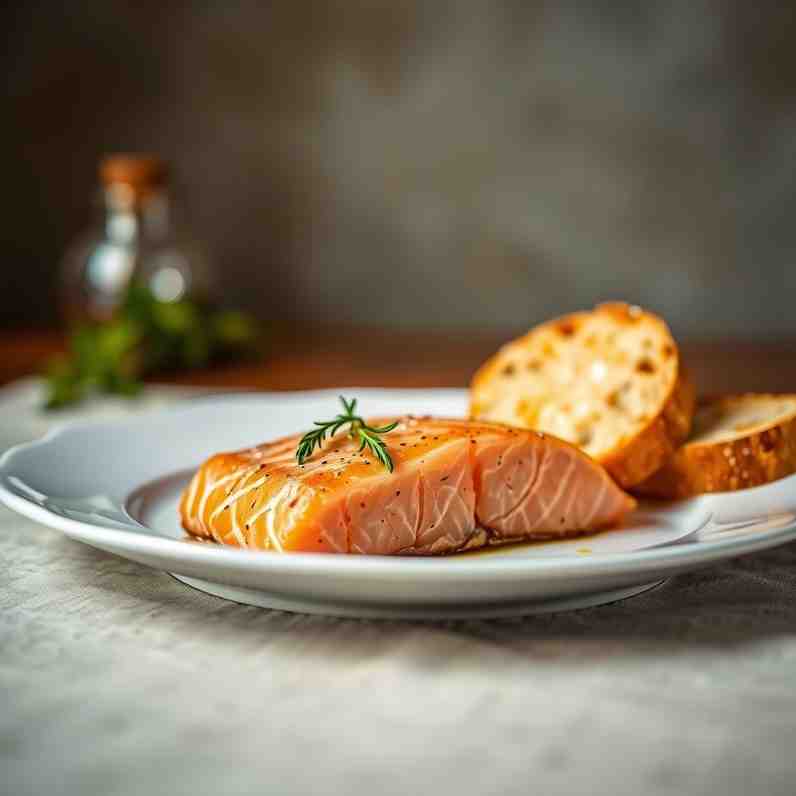
Ever dreamed of making restaurant-quality smoked salmon fillet right in your own backyard? You're in the right place! This guide will show you how to create a mouthwatering, Manx-inspired hot smoked salmon that's tender, flaky, and bursting with a clean, oaky flavor. Forget bland, dry fish – we're talking about the best smoked salmon you can make at home, perfect for everything from a healthy snack to a fancy brunch.
What exactly does "Manx-style" mean? Think of it as a nod to the Isle of Man's rich heritage, focusing on simple seasonings and a distinct oak-forward smoke. While commercial Manx smoked salmon is often cold smoked salmon and thinly sliced, our home-friendly recipe uses the hot smoking method. This makes it safer and easier for beginners to achieve that perfect cooked, flaky texture without complex curing processes. Whether you're looking for a salmon bowl recipe, a simple salmon pasta recipe, or just a delicious smoked salmon snack, mastering this smoked cured salmon is your first step to culinary greatness. Get ready to impress your taste buds and your friends with perfectly cooked smoked salmon!
Ingredients
Directions
- Before You Start: Prep Checklist
- Buy Smart: Look for a fresh, vibrant fresh smoked salmon fillet with firm flesh and no strong "fishy" odor. Whether you choose farmed or wild (like smoked Atlantic salmon, smoked Sockeye salmon, or smoked King salmon), aim for a consistent thickness (around 1-1.5 inches) for even smoking.
- Pin Bone Patrol: Run your fingers along the flesh side of the fillet. If you feel any small, pointy bones, use a pair of clean needle-nose pliers or tweezers to pull them out. They usually come out easily.
- Keep it Cold, Keep it Safe: Salmon is delicate. Keep it refrigerated until you're ready to start the cure, and handle it quickly to minimize time at room temperature.
- Let's Get Smoking!
- Quick Dry Cure: In a small bowl, mix together the kosher salt, brown sugar, and black pepper. If using, stir in your chosen optional add-in (lemon zest, juniper, or dill). Place the salmon fillet skin-side down on a sheet pan. Evenly coat the flesh side of the salmon with the cure mixture. Cover loosely with plastic wrap and chill in the refrigerator for 30 minutes to 1 hour. This quick cure helps draw out moisture and infuse flavor.
- Rinse & Dry Thoroughly: After curing, quickly rinse the salmon under cold running water to remove all the cure mixture. Pat the fillet very dry with paper towels. You want it as dry as possible!
- Form the Pellicle: Place the rinsed and dried salmon, skin-side down, on a wire rack set over a clean sheet pan. Leave it uncovered in the refrigerator for 2-4 hours (or even overnight). This step is crucial! It allows a tacky, slightly shiny film called a pellicle to form on the surface. The pellicle helps smoke adhere better and prevents albumin (white gunk) from forming.
- Preheat Your Smoker: Get your smoker or grill (set up for indirect heat) preheated and stabilized to your target smoking temperature, ideally between 200°F and 225°F (93°C-107°C). Add your oak chunks or chips to create a clean, thin blue smoke. Avoid thick, white smoke, which can make your salmon bitter. Use a drip pan underneath your cooking grates to catch any drippings and keep your smoker clean; an optional water pan can help maintain humidity.
- Smoke to Perfection: Once your smoker is stable and producing good smoke, place the salmon fillet, skin-side down, directly on the smoker grates over the drip pan. Insert your instant-read thermometer into the thickest part of the fillet, making sure not to touch the skin. Smoke until the internal temperature reaches your target.
- Rest: Once the salmon reaches your desired doneness (see below), carefully remove it from the smoker. Let it rest on a cutting board or clean plate for 10 minutes. This allows the juices to redistribute, ensuring a moist and tender result.
- Slice & Serve: For a beautiful platter, slice the salmon against the grain into ½-inch thick pieces. For salads or a salmon bowl recipe, you can flake it with a fork. Serve and enjoy!
- Doneness & Safety: No Confusion Here!
- Your Target Internal Temperature for Best Texture: For perfectly tender, flaky, and moist hot smoked salmon, aim for an internal temperature of 135°F to 140°F (57°C-60°C). This will give you a beautiful, cooked texture that isn't dry.
- USDA Guideline: The USDA recommends cooking fish to 145°F (63°C) for food safety. While 135-140°F is commonly used by experienced smokers for optimal texture, if you prefer to strictly follow the USDA guideline, cook to 145°F. Your instant-read thermometer is your best friend here – it’s non-negotiable for safety and perfect results!
- Visual Cues: The salmon's color will change from translucent to opaque pink. It should flake easily with a fork but still look moist, with a slightly glossy surface sheen.
You may also like



Hey there! I’m just someone who seriously loves good food and believes that cooking doesn’t have to be complicated to be amazing. Whether it’s a quick weeknight dinner or a cozy weekend meal, I’m all about sharing easy, tasty recipes that actually work.