
Kisela Kupus Recipe - Make Own Sour Pickles
Kisela Kupus Recipe - Make Own Sour Pickles
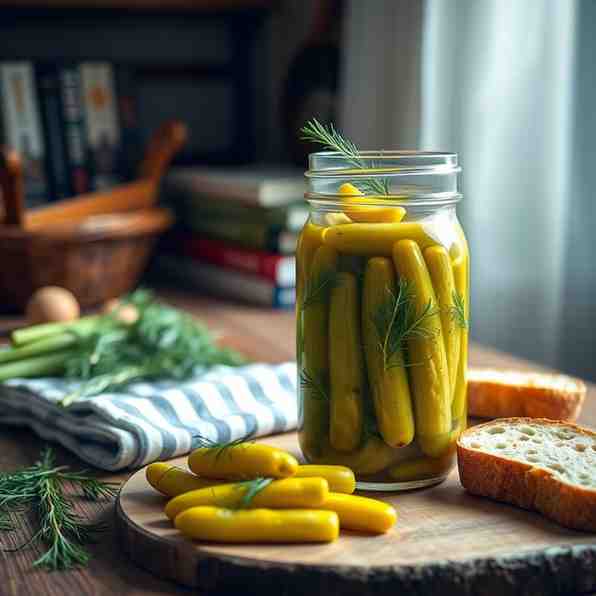
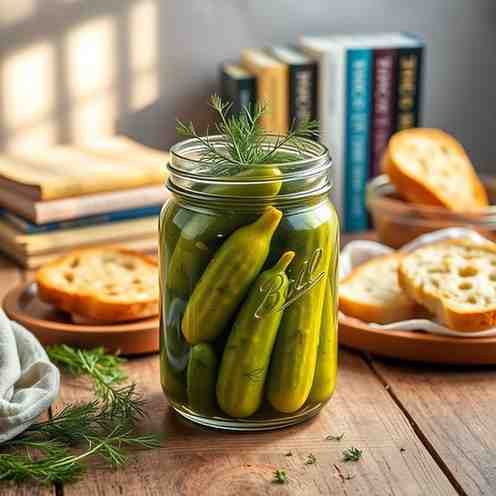
- Serves: 10 People
- Prepare Time: 30 minutes
- Cooking Time: 0 minutes
- Calories: -
- Difficulty: Medium
Ever dreamt of making your own recipe for sour pickles that taste just like grandma used to make? You're in the right place! Get ready to dive into the wonderful world of Kisela Kupus (pronounced KEE-seh-lah KOO-poos), a traditional Balkan pickled cabbage that's bursting with flavor and gut-friendly goodness. This isn't your quick vinegar pickle; we're talking true fermentation, a timeless method of at home cooking that transforms humble cabbage into a tangy, probiotic powerhouse.
Kisela Kupus is more than just a side dish; it's a cultural staple, a testament to delicious home made recipes passed down through generations. By harnessing the magic of lactic acid fermentation, we'll create a vibrant, complex flavor that's miles beyond anything you'll find in a jar at the store. It's surprisingly simple, incredibly rewarding, and a fantastic way to enjoy cooking recipes for a healthy, traditional treat.
This guide will walk you through every step, from selecting the perfect cabbage to the joy of your first tangy bite. Get ready to master the art of Kisela Kupus!
Ingredients
Directions
- Prepare and Clean Cabbage Start by peeling off any bruised or damaged outer leaves from your cabbage heads. Give them a quick rinse under cold water. Next, quarter each cabbage head and carefully remove the tough core. Now, you can either shred the cabbage thinly with a sharp knife, a mandoline, or a food processor. Aim for consistent, thin strips – this helps the salt work its magic evenly.
- Salt & Massage Place your shredded cabbage into a large, non-reactive bowl. Sprinkle the salt evenly over the cabbage. If you're using caraway seeds or bay leaves, add them now. This is where the fun begins! With clean hands, vigorously massage and squeeze the cabbage for about 10-15 minutes. You'll feel the cabbage start to soften and release its natural juices. Keep going until you see a good amount of liquid pooling at the bottom of the bowl. This liquid will become your brine.
- Packing Into Jars or Fermentation Vessel Once you have a good amount of brine, start packing the cabbage tightly into your clean 1-gallon glass jar or fermentation crock. Press down firmly with your fist or a blunt tool after each handful of cabbage. The goal is to eliminate any air pockets. As you pack, more brine will rise to the surface. It's crucial that all the cabbage remains submerged under this brine. If, after packing all the cabbage, there isn't enough brine to cover it, you can make a supplemental brine by dissolving 1 teaspoon of salt in 1 cup of filtered water and adding it until the cabbage is fully submerged. Place your fermentation weight(s) on top of the packed cabbage to keep it pressed down and under the brine.
- Fermentation Phase Cover your jar or crock with a clean cloth, cheesecloth, or a loose lid (or an airlock if using a specialized crock). This allows gases to escape while keeping out dust and insects. Place your fermentation vessel in a cool, dark spot, ideally between 60-70°F (15-21°C). Avoid direct sunlight or extreme temperature fluctuations. The fermentation process will take anywhere from 2 to 4 weeks, depending on the temperature and your desired level of sourness. You'll likely see bubbles forming, which is a sign of healthy fermentation!
- How to Tell It’s Done During fermentation, you might notice some white film on the surface – this is usually harmless kahm yeast, not mold. You can simply skim it off. After about two weeks, start tasting your Kisela Kupus. It should have a pleasant sour, tangy flavor and a slightly softened, yet still crisp, texture. The color will also deepen slightly. When it reaches your preferred level of sourness, it's ready!
Kisela Kupus Recipe - Make Own Sour Pickles
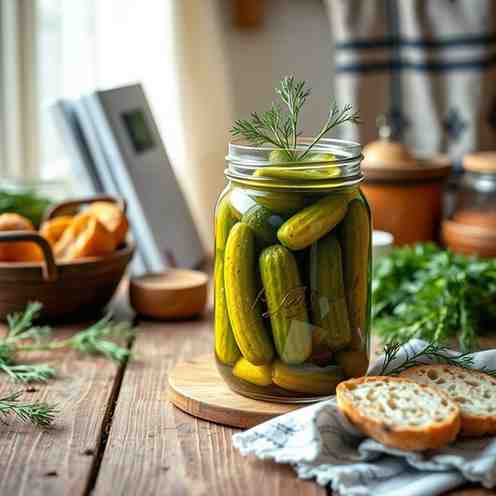
- Serves: 10 People
- Prepare Time: 30 minutes
- Cooking Time: 0 minutes
- Calories: -
- Difficulty: Medium
Ever dreamt of making your own recipe for sour pickles that taste just like grandma used to make? You're in the right place! Get ready to dive into the wonderful world of Kisela Kupus (pronounced KEE-seh-lah KOO-poos), a traditional Balkan pickled cabbage that's bursting with flavor and gut-friendly goodness. This isn't your quick vinegar pickle; we're talking true fermentation, a timeless method of at home cooking that transforms humble cabbage into a tangy, probiotic powerhouse.
Kisela Kupus is more than just a side dish; it's a cultural staple, a testament to delicious home made recipes passed down through generations. By harnessing the magic of lactic acid fermentation, we'll create a vibrant, complex flavor that's miles beyond anything you'll find in a jar at the store. It's surprisingly simple, incredibly rewarding, and a fantastic way to enjoy cooking recipes for a healthy, traditional treat.
This guide will walk you through every step, from selecting the perfect cabbage to the joy of your first tangy bite. Get ready to master the art of Kisela Kupus!
Ingredients
Directions
- Prepare and Clean Cabbage Start by peeling off any bruised or damaged outer leaves from your cabbage heads. Give them a quick rinse under cold water. Next, quarter each cabbage head and carefully remove the tough core. Now, you can either shred the cabbage thinly with a sharp knife, a mandoline, or a food processor. Aim for consistent, thin strips – this helps the salt work its magic evenly.
- Salt & Massage Place your shredded cabbage into a large, non-reactive bowl. Sprinkle the salt evenly over the cabbage. If you're using caraway seeds or bay leaves, add them now. This is where the fun begins! With clean hands, vigorously massage and squeeze the cabbage for about 10-15 minutes. You'll feel the cabbage start to soften and release its natural juices. Keep going until you see a good amount of liquid pooling at the bottom of the bowl. This liquid will become your brine.
- Packing Into Jars or Fermentation Vessel Once you have a good amount of brine, start packing the cabbage tightly into your clean 1-gallon glass jar or fermentation crock. Press down firmly with your fist or a blunt tool after each handful of cabbage. The goal is to eliminate any air pockets. As you pack, more brine will rise to the surface. It's crucial that all the cabbage remains submerged under this brine. If, after packing all the cabbage, there isn't enough brine to cover it, you can make a supplemental brine by dissolving 1 teaspoon of salt in 1 cup of filtered water and adding it until the cabbage is fully submerged. Place your fermentation weight(s) on top of the packed cabbage to keep it pressed down and under the brine.
- Fermentation Phase Cover your jar or crock with a clean cloth, cheesecloth, or a loose lid (or an airlock if using a specialized crock). This allows gases to escape while keeping out dust and insects. Place your fermentation vessel in a cool, dark spot, ideally between 60-70°F (15-21°C). Avoid direct sunlight or extreme temperature fluctuations. The fermentation process will take anywhere from 2 to 4 weeks, depending on the temperature and your desired level of sourness. You'll likely see bubbles forming, which is a sign of healthy fermentation!
- How to Tell It’s Done During fermentation, you might notice some white film on the surface – this is usually harmless kahm yeast, not mold. You can simply skim it off. After about two weeks, start tasting your Kisela Kupus. It should have a pleasant sour, tangy flavor and a slightly softened, yet still crisp, texture. The color will also deepen slightly. When it reaches your preferred level of sourness, it's ready!
You may also like

Hey there! I’m just someone who seriously loves good food and believes that cooking doesn’t have to be complicated to be amazing. Whether it’s a quick weeknight dinner or a cozy weekend meal, I’m all about sharing easy, tasty recipes that actually work.