Musakhan Marvel - Middle Eastern Chicken Recipe
Musakhan Marvel - Middle Eastern Chicken Recipe
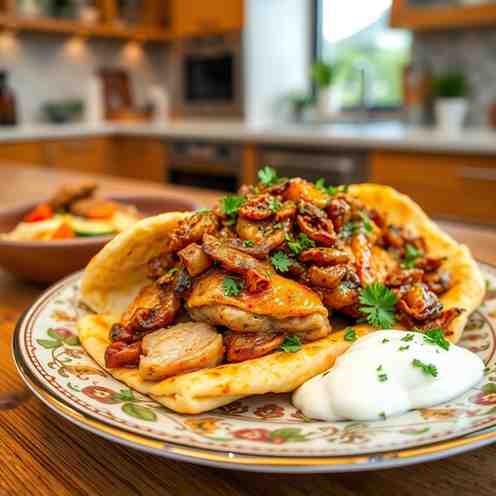
- Serves: 6 People
- Prepare Time: 30 minutes
- Cooking Time: 60 minutes
- Calories: -
- Difficulty: Medium
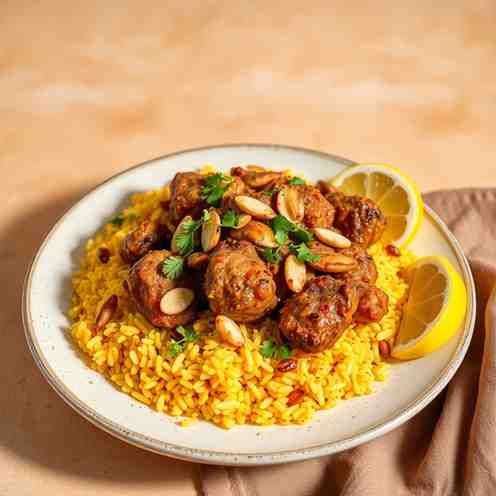
Hey there, food explorers! Are you ready to dive into one of the most incredible Middle Eastern chicken recipes you'll ever taste? Get ready to meet Musakhan, a true Palestinian marvel that's bursting with flavor and rich history. This isn't just any chicken recipe family will love; it's an experience! Musakhan is a show-stopping dish featuring tender, seasoned olive oil roasted chicken, deeply caramelized onion spread, and the bright, tangy kick of sumac, all piled high on crispy flatbread. Each bite delivers a symphony of tastes: the sweet earthiness of the onions, the zesty punch of sumac, the luxurious richness of extra virgin olive oil for cooking, and the satisfying crunch of toasted pine nuts. While it sounds fancy, we've simplified this traditional Mediterranean meal recipe so you can easily whip up an authentic version right in your own US home kitchen. Forget bland chicken; this recipe will guide you to create perfectly baked chicken with Middle Eastern spices that's juicy, flavorful, and unforgettable.
At its heart, Musakhan is a celebration of a few simple, yet powerful, ingredients that come together to create something extraordinary. The soul of this dish lies in its core trio: fragrant sumac, sweet caramelized onions, and generous amounts of rich Mediterranean olive oil, all served proudly over warm, crispy flatbread. While the recipe focuses on these stars, traditionally, Musakhan is often enjoyed with a side of refreshing pickles, briny olives, crisp radishes, or a dollop of cool yogurt, adding a lovely contrast to the rich flavors.
Understanding these key players will help you appreciate the magic they bring to your Musakhan.
Sumac is a deep red, tangy spice made from the dried and ground berries of the sumac bush. It has a distinctive lemony, slightly fruity, and earthy flavor that's less sharp than lemon juice, offering a unique brightness. It's truly one of the best spices for baked chicken in Middle Eastern cuisine!
Flavor Description: Think tangy, zesty, and a little bit earthy. It's what gives Musakhan its signature zing.
Buying Tips: Look for sumac that is vibrant, deep red in color. If it looks dull or brownish, it might be old and less flavorful. Store it in an airtight container away from light to maintain freshness.
When to Add it: For the best flavor and color, sumac is typically added after the onions have caramelized and are off the direct heat, or towards the end of the cooking process. High heat can sometimes dull its vibrant flavor and color.
If sumac is the tang, olive oil is the richness and soul of Musakhan. You'll notice this dish uses a generous amount, and for good reason!
What the Olive Oil is Doing: It's not just for frying! The cooking with olive oil here does triple duty: it helps caramelize the onions to a jammy perfection, it carries and infuses all the incredible flavors (especially the sumac) throughout the dish, creating a luscious "sauce," and it's essential for crisping up the flatbread to that irresistible crunch.
What to Use and What Not to Waste: For the main cooking, a good quality extra virgin olive oil for cooking is perfect. You don't need your most expensive, peppery finishing oil, but avoid anything labeled "light" or overly processed, as it lacks the flavor and body needed.
The humble onion transforms into a sweet, savory, and jammy delight in Musakhan.
Best Type for Caramelizing: Yellow onions are your best friend here. They have a good balance of sweetness and moisture that makes them perfect for slow caramelization.
Slice Thickness and Why it Matters: Aim for medium-thin slices, about 1/4 inch thick. If they're too thin, they'll burn quickly. Too thick, and they'll take ages to soften and caramelize properly. Consistency is key for even cooking.
The foundation of Musakhan!
Taboon if you can get it: Traditionally, Musakhan is served on Taboon bread, a rustic, bubbly Palestinian flatbread baked in a special oven. Its unique texture is ideal.
Best US Grocery-Store Substitutes: If Taboon isn't available, don't fret! Large pita bread (especially thicker ones), lavash, or even sturdy naan can work wonderfully.
What to do if your bread is thick/thin: Thicker breads might need a little extra drizzle of olive oil and a few more minutes in the oven to crisp up. Thinner breads will crisp faster, so keep a closer eye on them to prevent burning.
These little gems add a delightful crunch and nutty flavor.
Toasting Fast, Not Burning: Pine nuts are tiny and can go from perfectly golden to burnt in seconds. Toast them gently in a dry skillet over medium-low heat, stirring constantly, until fragrant and lightly browned. Watch them like a hawk!
Making Musakhan involves a few critical steps, but we've broken them down to make it super manageable.
1. Caramelize Onions Until Jammy: This is where patience pays off! You're looking for deeply golden-brown, soft, and sweet onions, not just translucent. They should almost melt in your mouth. This slow process unlocks their natural sugars.
2. Roast Chicken Until Juicy + Browned: We want beautiful, golden-brown skin and perfectly cooked, juicy meat. Overcooking is the enemy of mediterranean chicken breast or any chicken cut, so a thermometer is your secret weapon.
3. Assemble on Bread and Bake to Crisp: This final bake brings everything together, infusing the bread with the incredible flavors and giving it that crucial, irresistible crispness.
"What good looks like" cues for each step:
Onions: Dark golden-brown, very soft, reduced in volume significantly, sweet aroma.
Chicken: Internal temperature of 165°F (74°C) in the thickest part, skin is golden-brown and slightly crispy.
Assembly: Bread is saturated with onion-infused olive oil, but not swimming. Edges are starting to turn golden and crunchy after the final bake.
Ready to create your own Musakhan masterpiece? Let's get cooking!
Ingredients
Directions
- Prep and Preheat: Preheat your oven to 400°F (200°C). Pat the chicken thighs dry with paper towels – this helps achieve crispy skin.
- Toast Pine Nuts: In a dry skillet over medium-low heat, toast the pine nuts, stirring frequently, until lightly golden and fragrant (about 2-4 minutes). Be careful, they burn quickly! Remove from the skillet immediately and set aside.
- Caramelize Onions in Olive Oil: In the same skillet (or a large, deep pan), add 1/4 cup of the Mediterranean olive oil. Add the thinly sliced onions, a pinch of salt, and cook over medium-low heat. Stir occasionally. This step is crucial and takes time – about 25-35 minutes – until the onions are deeply golden brown, very soft, and jammy. Don't rush it!
- Season Chicken: While the onions are cooking, in a large bowl, toss the chicken thighs with 1/4 cup of the seasoned olive oil, 1 tablespoon of sumac, cumin, coriander, cayenne (if using), 1 teaspoon salt, and 1/2 teaspoon black pepper. Make sure the chicken is well coated with these best seasonings for chicken.
- Roast Chicken: Arrange the seasoned chicken thighs skin-side up on a baking sheet. Roast in the preheated oven for 30-40 minutes, or until the internal temperature reaches 165°F (74°C) in the thickest part and the skin is golden and crispy. Let the chicken rest for 5-10 minutes after roasting.
- Finish Onions with Sumac: Once the onions are perfectly caramelized, remove the skillet from the heat. Stir in the remaining 2-3 tablespoons of sumac and the optional lemon juice. The heat from the onions will bloom the sumac without dulling its flavor. Taste and adjust salt if needed.
- Assemble on Bread: Lay the flatbreads on a clean surface. Spoon a generous amount of the sumac-infused caramelized onion spread over each flatbread, spreading it evenly to the edges. Drizzle a little more cooking with olive oil over the onions and bread. Place the roasted chicken thighs on top of the onion-covered flatbreads.
- Final Bake to Crisp: Transfer the assembled Musakhan (chicken on bread with onions) to a large baking sheet (you might need two, depending on size). Bake in the 400°F (200°C) oven for another 8-12 minutes, or until the edges of the flatbread are wonderfully crispy and golden, and the dish is heated through. This step prevents the bread from being soggy and ensures a delightful texture.
- Garnish and Serve: Carefully remove the Musakhan from the oven. Garnish generously with the toasted pine nuts and chopped fresh parsley.
- Serving Your MusakhanMusakhan is traditionally served family-style, with the large pieces of flatbread laden with chicken and onions placed in the center of the table. Guests tear off pieces of the bread, chicken, and onions to enjoy.
- How to plate it: Present the whole assembled flatbreads with chicken and onions as a centerpiece. You can cut them into wedges for easier serving if preferred.
- What to serve with it: A simple green salad, a cooling yogurt sauce (like labneh or plain yogurt with mint), or a plate of fresh vegetables like cucumbers, tomatoes, radishes, and olives are perfect accompaniments.
Musakhan Marvel - Middle Eastern Chicken Recipe
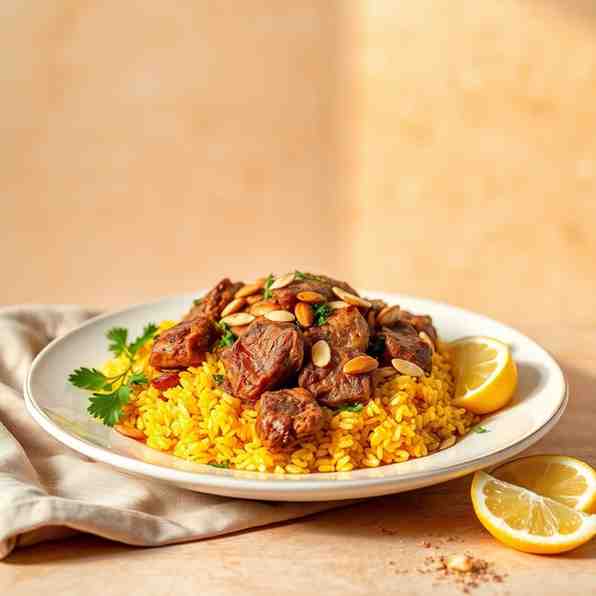
- Serves: 6 People
- Prepare Time: 30 minutes
- Cooking Time: 60 minutes
- Calories: -
- Difficulty: Medium
Hey there, food explorers! Are you ready to dive into one of the most incredible Middle Eastern chicken recipes you'll ever taste? Get ready to meet Musakhan, a true Palestinian marvel that's bursting with flavor and rich history. This isn't just any chicken recipe family will love; it's an experience! Musakhan is a show-stopping dish featuring tender, seasoned olive oil roasted chicken, deeply caramelized onion spread, and the bright, tangy kick of sumac, all piled high on crispy flatbread. Each bite delivers a symphony of tastes: the sweet earthiness of the onions, the zesty punch of sumac, the luxurious richness of extra virgin olive oil for cooking, and the satisfying crunch of toasted pine nuts. While it sounds fancy, we've simplified this traditional Mediterranean meal recipe so you can easily whip up an authentic version right in your own US home kitchen. Forget bland chicken; this recipe will guide you to create perfectly baked chicken with Middle Eastern spices that's juicy, flavorful, and unforgettable.
At its heart, Musakhan is a celebration of a few simple, yet powerful, ingredients that come together to create something extraordinary. The soul of this dish lies in its core trio: fragrant sumac, sweet caramelized onions, and generous amounts of rich Mediterranean olive oil, all served proudly over warm, crispy flatbread. While the recipe focuses on these stars, traditionally, Musakhan is often enjoyed with a side of refreshing pickles, briny olives, crisp radishes, or a dollop of cool yogurt, adding a lovely contrast to the rich flavors.
Understanding these key players will help you appreciate the magic they bring to your Musakhan.
Sumac is a deep red, tangy spice made from the dried and ground berries of the sumac bush. It has a distinctive lemony, slightly fruity, and earthy flavor that's less sharp than lemon juice, offering a unique brightness. It's truly one of the best spices for baked chicken in Middle Eastern cuisine!
Flavor Description: Think tangy, zesty, and a little bit earthy. It's what gives Musakhan its signature zing.
Buying Tips: Look for sumac that is vibrant, deep red in color. If it looks dull or brownish, it might be old and less flavorful. Store it in an airtight container away from light to maintain freshness.
When to Add it: For the best flavor and color, sumac is typically added after the onions have caramelized and are off the direct heat, or towards the end of the cooking process. High heat can sometimes dull its vibrant flavor and color.
If sumac is the tang, olive oil is the richness and soul of Musakhan. You'll notice this dish uses a generous amount, and for good reason!
What the Olive Oil is Doing: It's not just for frying! The cooking with olive oil here does triple duty: it helps caramelize the onions to a jammy perfection, it carries and infuses all the incredible flavors (especially the sumac) throughout the dish, creating a luscious "sauce," and it's essential for crisping up the flatbread to that irresistible crunch.
What to Use and What Not to Waste: For the main cooking, a good quality extra virgin olive oil for cooking is perfect. You don't need your most expensive, peppery finishing oil, but avoid anything labeled "light" or overly processed, as it lacks the flavor and body needed.
The humble onion transforms into a sweet, savory, and jammy delight in Musakhan.
Best Type for Caramelizing: Yellow onions are your best friend here. They have a good balance of sweetness and moisture that makes them perfect for slow caramelization.
Slice Thickness and Why it Matters: Aim for medium-thin slices, about 1/4 inch thick. If they're too thin, they'll burn quickly. Too thick, and they'll take ages to soften and caramelize properly. Consistency is key for even cooking.
The foundation of Musakhan!
Taboon if you can get it: Traditionally, Musakhan is served on Taboon bread, a rustic, bubbly Palestinian flatbread baked in a special oven. Its unique texture is ideal.
Best US Grocery-Store Substitutes: If Taboon isn't available, don't fret! Large pita bread (especially thicker ones), lavash, or even sturdy naan can work wonderfully.
What to do if your bread is thick/thin: Thicker breads might need a little extra drizzle of olive oil and a few more minutes in the oven to crisp up. Thinner breads will crisp faster, so keep a closer eye on them to prevent burning.
These little gems add a delightful crunch and nutty flavor.
Toasting Fast, Not Burning: Pine nuts are tiny and can go from perfectly golden to burnt in seconds. Toast them gently in a dry skillet over medium-low heat, stirring constantly, until fragrant and lightly browned. Watch them like a hawk!
Making Musakhan involves a few critical steps, but we've broken them down to make it super manageable.
1. Caramelize Onions Until Jammy: This is where patience pays off! You're looking for deeply golden-brown, soft, and sweet onions, not just translucent. They should almost melt in your mouth. This slow process unlocks their natural sugars.
2. Roast Chicken Until Juicy + Browned: We want beautiful, golden-brown skin and perfectly cooked, juicy meat. Overcooking is the enemy of mediterranean chicken breast or any chicken cut, so a thermometer is your secret weapon.
3. Assemble on Bread and Bake to Crisp: This final bake brings everything together, infusing the bread with the incredible flavors and giving it that crucial, irresistible crispness.
"What good looks like" cues for each step:
Onions: Dark golden-brown, very soft, reduced in volume significantly, sweet aroma.
Chicken: Internal temperature of 165°F (74°C) in the thickest part, skin is golden-brown and slightly crispy.
Assembly: Bread is saturated with onion-infused olive oil, but not swimming. Edges are starting to turn golden and crunchy after the final bake.
Ready to create your own Musakhan masterpiece? Let's get cooking!
Ingredients
Directions
- Prep and Preheat: Preheat your oven to 400°F (200°C). Pat the chicken thighs dry with paper towels – this helps achieve crispy skin.
- Toast Pine Nuts: In a dry skillet over medium-low heat, toast the pine nuts, stirring frequently, until lightly golden and fragrant (about 2-4 minutes). Be careful, they burn quickly! Remove from the skillet immediately and set aside.
- Caramelize Onions in Olive Oil: In the same skillet (or a large, deep pan), add 1/4 cup of the Mediterranean olive oil. Add the thinly sliced onions, a pinch of salt, and cook over medium-low heat. Stir occasionally. This step is crucial and takes time – about 25-35 minutes – until the onions are deeply golden brown, very soft, and jammy. Don't rush it!
- Season Chicken: While the onions are cooking, in a large bowl, toss the chicken thighs with 1/4 cup of the seasoned olive oil, 1 tablespoon of sumac, cumin, coriander, cayenne (if using), 1 teaspoon salt, and 1/2 teaspoon black pepper. Make sure the chicken is well coated with these best seasonings for chicken.
- Roast Chicken: Arrange the seasoned chicken thighs skin-side up on a baking sheet. Roast in the preheated oven for 30-40 minutes, or until the internal temperature reaches 165°F (74°C) in the thickest part and the skin is golden and crispy. Let the chicken rest for 5-10 minutes after roasting.
- Finish Onions with Sumac: Once the onions are perfectly caramelized, remove the skillet from the heat. Stir in the remaining 2-3 tablespoons of sumac and the optional lemon juice. The heat from the onions will bloom the sumac without dulling its flavor. Taste and adjust salt if needed.
- Assemble on Bread: Lay the flatbreads on a clean surface. Spoon a generous amount of the sumac-infused caramelized onion spread over each flatbread, spreading it evenly to the edges. Drizzle a little more cooking with olive oil over the onions and bread. Place the roasted chicken thighs on top of the onion-covered flatbreads.
- Final Bake to Crisp: Transfer the assembled Musakhan (chicken on bread with onions) to a large baking sheet (you might need two, depending on size). Bake in the 400°F (200°C) oven for another 8-12 minutes, or until the edges of the flatbread are wonderfully crispy and golden, and the dish is heated through. This step prevents the bread from being soggy and ensures a delightful texture.
- Garnish and Serve: Carefully remove the Musakhan from the oven. Garnish generously with the toasted pine nuts and chopped fresh parsley.
- Serving Your MusakhanMusakhan is traditionally served family-style, with the large pieces of flatbread laden with chicken and onions placed in the center of the table. Guests tear off pieces of the bread, chicken, and onions to enjoy.
- How to plate it: Present the whole assembled flatbreads with chicken and onions as a centerpiece. You can cut them into wedges for easier serving if preferred.
- What to serve with it: A simple green salad, a cooling yogurt sauce (like labneh or plain yogurt with mint), or a plate of fresh vegetables like cucumbers, tomatoes, radishes, and olives are perfect accompaniments.
You may also like


Hey there! I’m just someone who seriously loves good food and believes that cooking doesn’t have to be complicated to be amazing. Whether it’s a quick weeknight dinner or a cozy weekend meal, I’m all about sharing easy, tasty recipes that actually work.