Nova Scotian Lobster Rolls - Best New England Style
Nova Scotian Lobster Rolls - Best New England Style

- Serves: 4 People
- Prepare Time: 20 minutes
- Cooking Time: 0 minutes
- Calories: -
- Difficulty: Easy
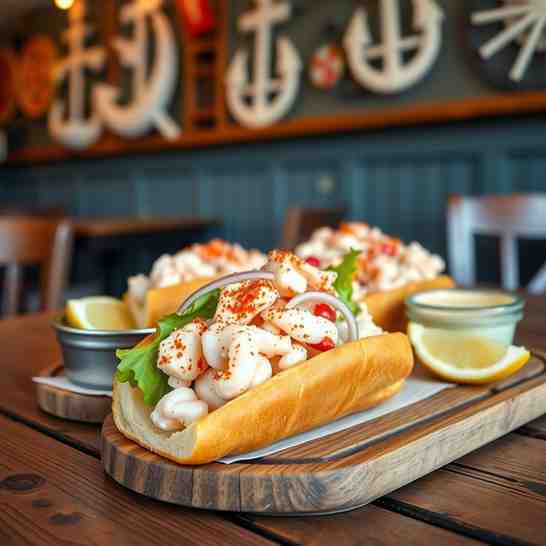
Picture this: you’re on a sunny Nova Scotia pier, the salty air hits your face, and in your hand is the ultimate summer treat—a Nova Scotian Lobster Roll. That first bite of sweet, tender lobster meat, lightly dressed and tucked into a perfectly toasted bun, is pure bliss. But what if we told you that same incredible experience isn't just for coastal vacations? You can easily recreate this classic New England style lobster roll right in your own kitchen! Forget fancy ingredients or complicated techniques; our recipe brings that authentic taste home using items you can find at any regular grocery store.
You'll absolutely love this recipe because:
It features big, juicy chunks of fresh lobster rolls meat, lightly dressed so the lobster truly shines (no mayo soup here!).
You get that irresistible crunch from a perfectly toasty, buttery split top hot dog bun.
It’s super versatile, working beautifully with fresh or frozen lobster.
Once your lobster is cooked, these beauties are ready to devour in about 20 minutes!
At its heart, a Nova Scotian lobster roll is a celebration of simple, fresh ingredients. Think of it as a cold lobster salad tucked into a buttered, toasted bun. You'll find delicious chunks of lobster meat, a light coating of mayonnaise, and often a little crunch from celery, all served on a soft, hot dog-style bun. It's truly a taste of the East Coast!
Now, how does it compare to its cousins?
Maine/New England Style: This is very similar to the Nova Scotian version – it's also a cold preparation, often with mayo, and focuses on the sweet flavor of the lobster. When people talk about the best lobster rolls, they often mean this cold, creamy style.
Connecticut Style: This is the warm cousin! Instead of mayo, the lobster meat is gently warmed and tossed in melted butter, offering a rich, savory experience.
This recipe in a sentence: This is a Nova Scotia wharf-style lobster roll that follows the classic New England cold-mayo tradition: chilled lobster, light dressing, and a toasted, new england style hot dog roll. It’s perfect for learning how to make a Nova Scotian lobster roll and discovering an authentic New England style lobster roll recipe.
The star of your fresh lobster rolls is, of course, the lobster! Getting it right is key to a truly delicious roll.
As a good rule of thumb, plan for about 4–5 ounces (about 1 cup) of cooked lobster meat per roll. If you're starting with whole lobsters, two average-sized lobsters (around 1–1.5 pounds each) will typically yield enough meat for 3–4 hearty rolls.
If you're going for the freshest possible experience, here's a quick guide to cooking live lobsters:
1.Prep Your Pot: Fill a large stockpot with plenty of water. You'll want to salt it heavily to mimic ocean salinity – about 1 cup of salt for every 4 liters (or roughly 1 gallon) of water.
2.Boil It Up: Bring the salted water to a hard, rolling boil before adding the lobsters.
3.Lobster Time: Carefully remove any bands from the lobster claws. Gently lower the lobsters into the boiling water, head-first.
4.Time It Right: Start your timer only once the water returns to a boil. For 1–1.5 pound lobsters, cook for about 10–12 minutes.
5.Cool & Pick: Once cooked, remove the lobsters and let them cool until they're comfortable enough to handle. Then, crack open the claws, knuckles, and tails to extract the meat. Discard the shells and any gritty bits.
6.Pat Dry: This is crucial! Pat the cooked lobster meat very dry with paper towels before chopping. This prevents a watery dressing.
No shame in using pre-cooked or frozen lobster! It's a fantastic time-saver, especially if you're not near the coast.
Thaw Properly: If frozen, thaw the lobster meat overnight in the fridge in a covered container. In a pinch, you can thaw it under cold running water.
Drain & Dry: Once thawed, drain the meat very well. Just like with live lobster, pat it thoroughly dry with paper towels to avoid a watery dressing.
Clean Up: Check for any stray cartilage or shell fragments and remove them.
Chop It Up: Chop the lobster into big, bite-size chunks. Don't shred it! Leaving some larger pieces gives your rolls that desirable "restaurant style" look. This is how to cook lobster meat for perfect rolls.
Nobody wants a rubbery or soggy lobster roll! Here are a few quick tips:
Don’t Overcook: If cooking live lobster, stick to the recommended time guidelines. Overcooking is the quickest way to tough, rubbery meat.
Cool Completely: Always allow your lobster meat to cool completely before cutting and mixing it with mayo. Warm lobster will absorb the dressing differently and can make it watery.
Pat Dry, Always: We can't stress this enough! Thoroughly patting the lobster dry is your best defense against a watery filling.
Fold Gently: When mixing the dressing, gently fold the ingredients together. Aggressive stirring can shred the delicate lobster chunks.
Ingredients
Directions
- Make the DressingIn a medium bowl, whisk together the mayonnaise, fresh lemon juice (and zest, if using), finely diced celery, chives or parsley, salt, and pepper. Start with less lemon and salt; you'll adjust these once the lobster is added. The goal here is a light coat that enhances the lobster, not a heavy, overpowering dressing. For every 1 cup (4 oz) of chopped lobster, you'll use about 2 tablespoons of mayo, 1–2 teaspoons of lemon, and 1–2 tablespoons of celery plus herbs.
- Fold In the LobsterAdd your chopped, well-dried lobster meat for lobster rolls to the bowl with the dressing. Gently fold everything together until the lobster is just coated. Avoid aggressive stirring, which can shred the delicate meat. Taste the mixture and adjust as needed:
- Add more lemon juice for extra brightness.
- A pinch more salt can really bring out the flavors.
- If it looks a little dry, add another spoonful of mayo, but be careful not to make it gloopy—we want the lobster to be the star!
- Toast the BunsMelt your butter. Lightly brush the outer flat sides of each new england style hot dog buns with the melted butter. You can optionally brush the inside of the buns too. Place the buttered buns in a skillet over medium heat. Toast them until both sides are beautifully golden brown and crisp, while the inside remains soft and pillowy. You can lightly warm the inside of the bun on the pan without browning for extra comfort.
- Build & ServeGently pry open each toasted bun. A fork can help here, carefully separating the sides. If you're worried about the bun getting soggy, you can line it with a small lettuce leaf. Generously mound the delicious lobster mixture into each bun. For that classic "restaurant" look, tuck a whole claw on top if you have one. Serve your incredible lobster roll buns immediately with a side of kettle chips, a fresh coleslaw, or a simple green salad. Enjoy your authentic new england style lobster roll!
- Recipe At a Glance (Time, Yield & Ratios)
- Yield: 4 large, satisfying Nova Scotian lobster rolls.
- Time: Approximately 15–20 minutes of active prep and assembly once your lobster is cooked and chilled.
- Lobster per person: Plan for about 4–5 ounces of cooked lobster meat per roll for a hearty serving.
- Dressing Ratio Recap: Aim for roughly ½ cup of mayonnaise per 1 pound of cooked lobster meat (adjust to your taste preference). Add about ½–¾ cup of finely diced celery plus fresh herbs for that perfect crunch and fresh flavor.
Nova Scotian Lobster Rolls - Best New England Style
- Serves: 4 People
- Prepare Time: 20 minutes
- Cooking Time: 0 minutes
- Calories: -
- Difficulty: Easy
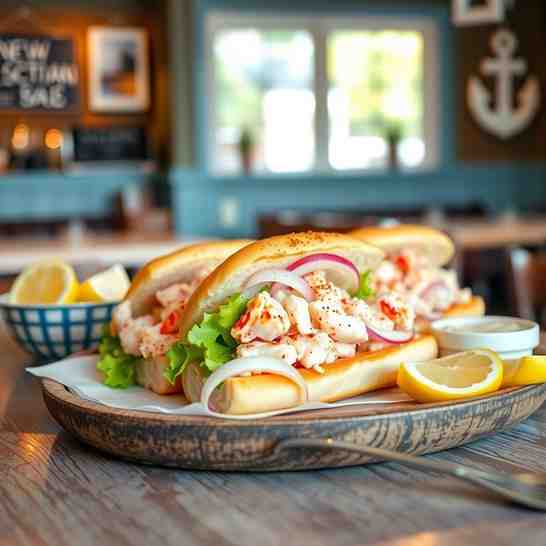
Picture this: you’re on a sunny Nova Scotia pier, the salty air hits your face, and in your hand is the ultimate summer treat—a Nova Scotian Lobster Roll. That first bite of sweet, tender lobster meat, lightly dressed and tucked into a perfectly toasted bun, is pure bliss. But what if we told you that same incredible experience isn't just for coastal vacations? You can easily recreate this classic New England style lobster roll right in your own kitchen! Forget fancy ingredients or complicated techniques; our recipe brings that authentic taste home using items you can find at any regular grocery store.
You'll absolutely love this recipe because:
It features big, juicy chunks of fresh lobster rolls meat, lightly dressed so the lobster truly shines (no mayo soup here!).
You get that irresistible crunch from a perfectly toasty, buttery split top hot dog bun.
It’s super versatile, working beautifully with fresh or frozen lobster.
Once your lobster is cooked, these beauties are ready to devour in about 20 minutes!
At its heart, a Nova Scotian lobster roll is a celebration of simple, fresh ingredients. Think of it as a cold lobster salad tucked into a buttered, toasted bun. You'll find delicious chunks of lobster meat, a light coating of mayonnaise, and often a little crunch from celery, all served on a soft, hot dog-style bun. It's truly a taste of the East Coast!
Now, how does it compare to its cousins?
Maine/New England Style: This is very similar to the Nova Scotian version – it's also a cold preparation, often with mayo, and focuses on the sweet flavor of the lobster. When people talk about the best lobster rolls, they often mean this cold, creamy style.
Connecticut Style: This is the warm cousin! Instead of mayo, the lobster meat is gently warmed and tossed in melted butter, offering a rich, savory experience.
This recipe in a sentence: This is a Nova Scotia wharf-style lobster roll that follows the classic New England cold-mayo tradition: chilled lobster, light dressing, and a toasted, new england style hot dog roll. It’s perfect for learning how to make a Nova Scotian lobster roll and discovering an authentic New England style lobster roll recipe.
The star of your fresh lobster rolls is, of course, the lobster! Getting it right is key to a truly delicious roll.
As a good rule of thumb, plan for about 4–5 ounces (about 1 cup) of cooked lobster meat per roll. If you're starting with whole lobsters, two average-sized lobsters (around 1–1.5 pounds each) will typically yield enough meat for 3–4 hearty rolls.
If you're going for the freshest possible experience, here's a quick guide to cooking live lobsters:
1.Prep Your Pot: Fill a large stockpot with plenty of water. You'll want to salt it heavily to mimic ocean salinity – about 1 cup of salt for every 4 liters (or roughly 1 gallon) of water.
2.Boil It Up: Bring the salted water to a hard, rolling boil before adding the lobsters.
3.Lobster Time: Carefully remove any bands from the lobster claws. Gently lower the lobsters into the boiling water, head-first.
4.Time It Right: Start your timer only once the water returns to a boil. For 1–1.5 pound lobsters, cook for about 10–12 minutes.
5.Cool & Pick: Once cooked, remove the lobsters and let them cool until they're comfortable enough to handle. Then, crack open the claws, knuckles, and tails to extract the meat. Discard the shells and any gritty bits.
6.Pat Dry: This is crucial! Pat the cooked lobster meat very dry with paper towels before chopping. This prevents a watery dressing.
No shame in using pre-cooked or frozen lobster! It's a fantastic time-saver, especially if you're not near the coast.
Thaw Properly: If frozen, thaw the lobster meat overnight in the fridge in a covered container. In a pinch, you can thaw it under cold running water.
Drain & Dry: Once thawed, drain the meat very well. Just like with live lobster, pat it thoroughly dry with paper towels to avoid a watery dressing.
Clean Up: Check for any stray cartilage or shell fragments and remove them.
Chop It Up: Chop the lobster into big, bite-size chunks. Don't shred it! Leaving some larger pieces gives your rolls that desirable "restaurant style" look. This is how to cook lobster meat for perfect rolls.
Nobody wants a rubbery or soggy lobster roll! Here are a few quick tips:
Don’t Overcook: If cooking live lobster, stick to the recommended time guidelines. Overcooking is the quickest way to tough, rubbery meat.
Cool Completely: Always allow your lobster meat to cool completely before cutting and mixing it with mayo. Warm lobster will absorb the dressing differently and can make it watery.
Pat Dry, Always: We can't stress this enough! Thoroughly patting the lobster dry is your best defense against a watery filling.
Fold Gently: When mixing the dressing, gently fold the ingredients together. Aggressive stirring can shred the delicate lobster chunks.
Ingredients
Directions
- Make the DressingIn a medium bowl, whisk together the mayonnaise, fresh lemon juice (and zest, if using), finely diced celery, chives or parsley, salt, and pepper. Start with less lemon and salt; you'll adjust these once the lobster is added. The goal here is a light coat that enhances the lobster, not a heavy, overpowering dressing. For every 1 cup (4 oz) of chopped lobster, you'll use about 2 tablespoons of mayo, 1–2 teaspoons of lemon, and 1–2 tablespoons of celery plus herbs.
- Fold In the LobsterAdd your chopped, well-dried lobster meat for lobster rolls to the bowl with the dressing. Gently fold everything together until the lobster is just coated. Avoid aggressive stirring, which can shred the delicate meat. Taste the mixture and adjust as needed:
- Add more lemon juice for extra brightness.
- A pinch more salt can really bring out the flavors.
- If it looks a little dry, add another spoonful of mayo, but be careful not to make it gloopy—we want the lobster to be the star!
- Toast the BunsMelt your butter. Lightly brush the outer flat sides of each new england style hot dog buns with the melted butter. You can optionally brush the inside of the buns too. Place the buttered buns in a skillet over medium heat. Toast them until both sides are beautifully golden brown and crisp, while the inside remains soft and pillowy. You can lightly warm the inside of the bun on the pan without browning for extra comfort.
- Build & ServeGently pry open each toasted bun. A fork can help here, carefully separating the sides. If you're worried about the bun getting soggy, you can line it with a small lettuce leaf. Generously mound the delicious lobster mixture into each bun. For that classic "restaurant" look, tuck a whole claw on top if you have one. Serve your incredible lobster roll buns immediately with a side of kettle chips, a fresh coleslaw, or a simple green salad. Enjoy your authentic new england style lobster roll!
- Recipe At a Glance (Time, Yield & Ratios)
- Yield: 4 large, satisfying Nova Scotian lobster rolls.
- Time: Approximately 15–20 minutes of active prep and assembly once your lobster is cooked and chilled.
- Lobster per person: Plan for about 4–5 ounces of cooked lobster meat per roll for a hearty serving.
- Dressing Ratio Recap: Aim for roughly ½ cup of mayonnaise per 1 pound of cooked lobster meat (adjust to your taste preference). Add about ½–¾ cup of finely diced celery plus fresh herbs for that perfect crunch and fresh flavor.
You may also like




Hey there! I’m just someone who seriously loves good food and believes that cooking doesn’t have to be complicated to be amazing. Whether it’s a quick weeknight dinner or a cozy weekend meal, I’m all about sharing easy, tasty recipes that actually work.