
Pacific-Inspired Coconut-Lime Fish - High-Protein Recipe
Pacific-Inspired Coconut-Lime Fish - High-Protein Recipe
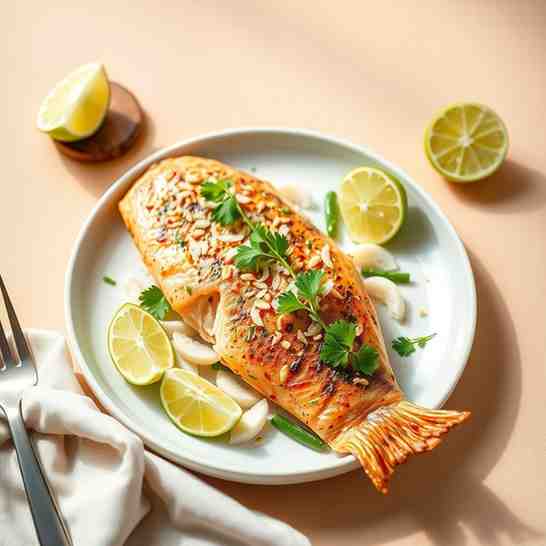
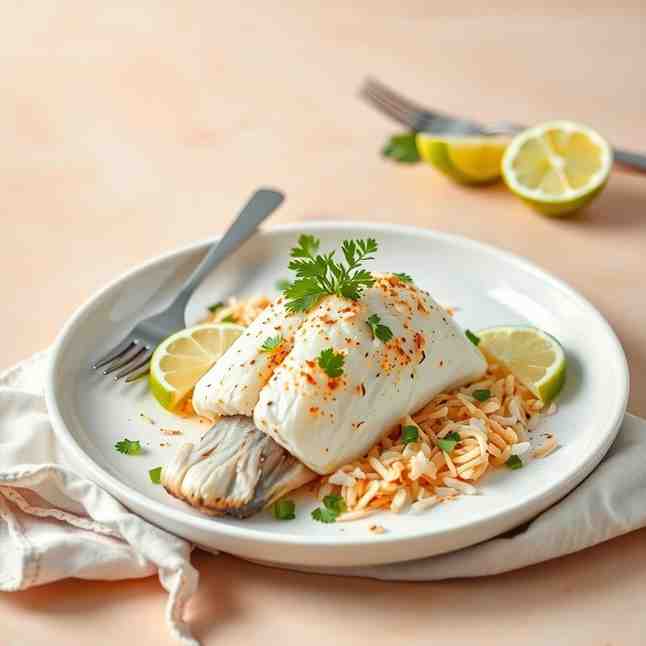
- Serves: 4 People
- Prepare Time: 15 minutes
- Cooking Time: 20 minutes
- Calories: -
- Difficulty: Easy
Welcome to a taste of the Pacific, right in your kitchen! If you've ever been curious about the incredible Micronesian seafood bounty or are simply looking for new, delicious high protein fish recipes, you've landed in the right spot. This guide isn't just about a fantastic meal; it's an invitation to explore the rich aquatic life of the Federated States of Micronesia and bring its vibrant flavors to your table.
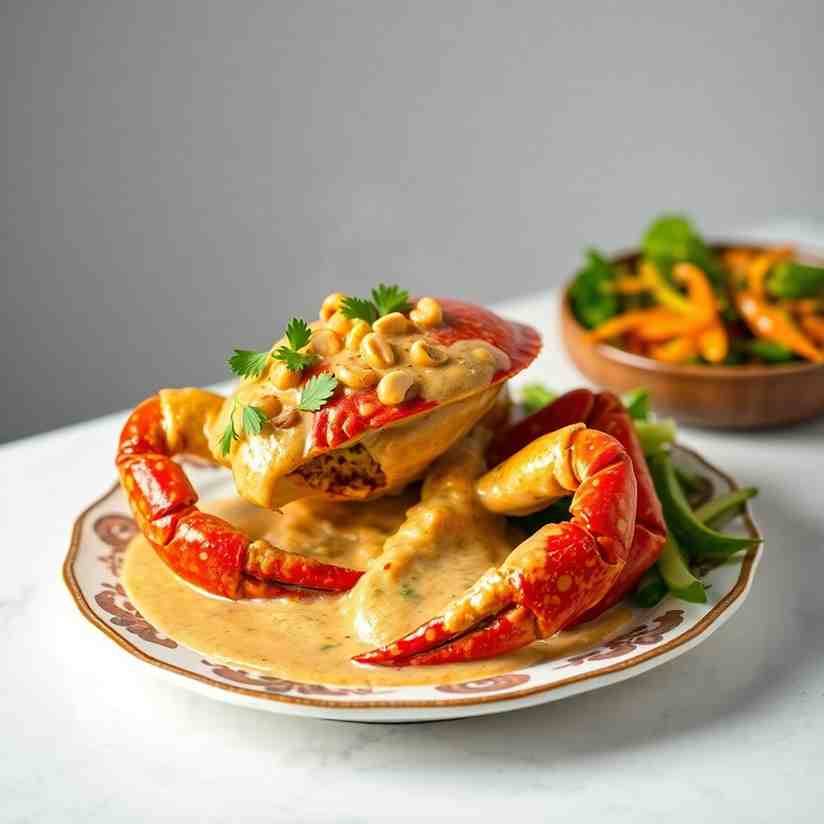
We're diving into a foolproof recipe for Micronesian Coconut-Lime Fish, a Pacific-inspired dish that's both incredibly flavorful and wonderfully simple. Forget complicated curries; this one-pan wonder combines tender fish with a bright, aromatic coconut-lime sauce that’s perfect for beginners and seasoned cooks alike. You’ll learn about the best fish species from the region and how to easily substitute them with what's available at your local market, ensuring a high-protein dinner is always within reach.
Ingredients
Directions
- Prep the Fish: Pat your fish fillets thoroughly dry with paper towels. This helps them cook evenly and prevents the sauce from becoming watery. Season the fish pieces evenly with salt and pepper. Set aside.
- Build the Flavor Base: Heat the coconut oil in a large skillet or wide pot over medium heat. Add the diced onion and cook, stirring occasionally, until softened and translucent, about 5-7 minutes. Add the minced garlic, grated ginger, and sliced chili. Cook for another 1-2 minutes until fragrant, being careful not to burn the garlic. Stir in the ground coriander, cumin, and optional turmeric, cooking for 30 seconds until aromatic.
- Make the Coconut Sauce: Pour in the full-fat coconut milk and fish stock (or water). Stir well to combine, scraping up any browned bits from the bottom of the pan. Bring the mixture to a gentle simmer, then reduce the heat to low. Stir in the soy sauce or fish sauce.
- Gentle Simmer & Cook Fish: Carefully add the seasoned fish pieces to the simmering sauce, ensuring they are mostly submerged. Cover the skillet and let the fish gently poach in the sauce for 5-8 minutes, or until cooked through. The exact timing will depend on the thickness of your fish.
- Doneness Checkpoint: The fish should flake easily with a fork and turn opaque. Avoid overcooking, as it can make the fish dry and tough.
- Finish: Remove the skillet from the heat. Stir in the fresh lime juice and lime zest. Taste the sauce and adjust seasoning with more salt, lime juice, or chili if needed.
- Taste Checkpoint: The sauce should be creamy, balanced between savory, tangy, and a hint of spice. If it tastes flat, a pinch more salt or a dash more fish sauce might be needed. If too acidic, a tiny pinch of sugar can balance it.
- Garnish & Serve: Garnish generously with fresh cilantro and optional scallions. Serve immediately with steamed rice or your favorite greens for a complete and satisfying seafood meal prep.
Pacific-Inspired Coconut-Lime Fish - High-Protein Recipe
.jpg)
- Serves: 4 People
- Prepare Time: 15 minutes
- Cooking Time: 20 minutes
- Calories: -
- Difficulty: Easy
Welcome to a taste of the Pacific, right in your kitchen! If you've ever been curious about the incredible Micronesian seafood bounty or are simply looking for new, delicious high protein fish recipes, you've landed in the right spot. This guide isn't just about a fantastic meal; it's an invitation to explore the rich aquatic life of the Federated States of Micronesia and bring its vibrant flavors to your table.
We're diving into a foolproof recipe for Micronesian Coconut-Lime Fish, a Pacific-inspired dish that's both incredibly flavorful and wonderfully simple. Forget complicated curries; this one-pan wonder combines tender fish with a bright, aromatic coconut-lime sauce that’s perfect for beginners and seasoned cooks alike. You’ll learn about the best fish species from the region and how to easily substitute them with what's available at your local market, ensuring a high-protein dinner is always within reach.
Ingredients
Directions
- Prep the Fish: Pat your fish fillets thoroughly dry with paper towels. This helps them cook evenly and prevents the sauce from becoming watery. Season the fish pieces evenly with salt and pepper. Set aside.
- Build the Flavor Base: Heat the coconut oil in a large skillet or wide pot over medium heat. Add the diced onion and cook, stirring occasionally, until softened and translucent, about 5-7 minutes. Add the minced garlic, grated ginger, and sliced chili. Cook for another 1-2 minutes until fragrant, being careful not to burn the garlic. Stir in the ground coriander, cumin, and optional turmeric, cooking for 30 seconds until aromatic.
- Make the Coconut Sauce: Pour in the full-fat coconut milk and fish stock (or water). Stir well to combine, scraping up any browned bits from the bottom of the pan. Bring the mixture to a gentle simmer, then reduce the heat to low. Stir in the soy sauce or fish sauce.
- Gentle Simmer & Cook Fish: Carefully add the seasoned fish pieces to the simmering sauce, ensuring they are mostly submerged. Cover the skillet and let the fish gently poach in the sauce for 5-8 minutes, or until cooked through. The exact timing will depend on the thickness of your fish.
- Doneness Checkpoint: The fish should flake easily with a fork and turn opaque. Avoid overcooking, as it can make the fish dry and tough.
- Finish: Remove the skillet from the heat. Stir in the fresh lime juice and lime zest. Taste the sauce and adjust seasoning with more salt, lime juice, or chili if needed.
- Taste Checkpoint: The sauce should be creamy, balanced between savory, tangy, and a hint of spice. If it tastes flat, a pinch more salt or a dash more fish sauce might be needed. If too acidic, a tiny pinch of sugar can balance it.
- Garnish & Serve: Garnish generously with fresh cilantro and optional scallions. Serve immediately with steamed rice or your favorite greens for a complete and satisfying seafood meal prep.
You may also like

Hey there! I’m just someone who seriously loves good food and believes that cooking doesn’t have to be complicated to be amazing. Whether it’s a quick weeknight dinner or a cozy weekend meal, I’m all about sharing easy, tasty recipes that actually work.