Parené Buchty - Steamed Sweet Dumplings Recipe
Parené Buchty - Steamed Sweet Dumplings Recipe
- Serves: 12 People
- Prepare Time: 45 minutes
- Cooking Time: 20 minutes
- Calories: -
- Difficulty: Medium
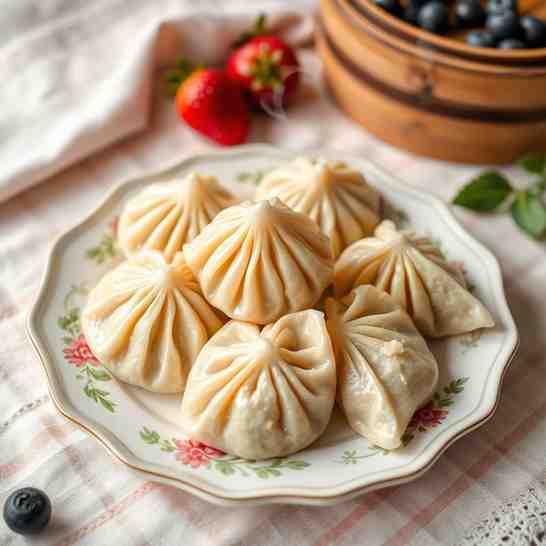
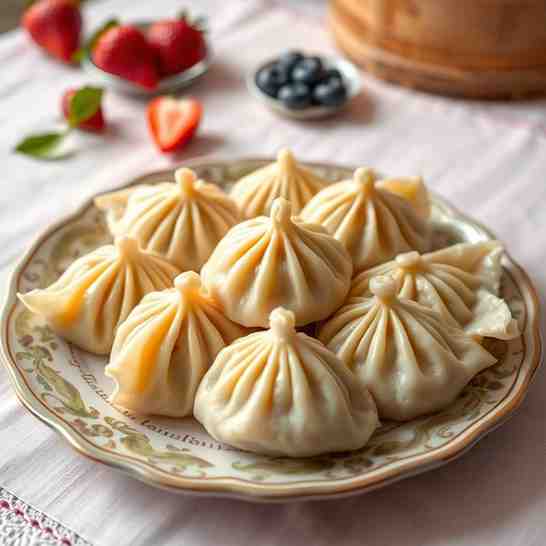
Ever dreamt of biting into a cloud-like sweet bun, bursting with warm, fruity jam? Say hello to Parené Buchty, the beloved Slovak steamed sweet dumplings that are about to become your new favorite comfort food! Also known as Buchty na pare, these aren't your average baked buns; they're pillowy soft yeast buns that get their incredible tenderness from the gentle magic of steam.
If you're looking for a recipe for kolache-style dough but want to try something truly special, these Central European comfort desserts are exactly what you need. Whether you're a first-timer in the kitchen or a seasoned baker chasing that authentic taste, we'll guide you through every step to create these delightful treats with a traditional plum jam filling. Get ready for a dessert that’s as fun to make as it is to eat, perfect for cozy weekends, holidays like Christmas, or just because!
In plain English, Parené Buchty are soft, sweet yeast-leavened buns that are cooked by steaming rather than baking. This cooking method gives them an incredibly light, airy, and moist texture that’s truly unique. They're traditionally filled with a thick plum jam (lekvar) or sometimes poppy seed filling, and then served simply with melted butter and a dusting of powdered sugar.
How they differ from:
Baked buchty: While both are sweet yeast buns, baked buchty are cooked in the oven, resulting in a golden-brown crust and a slightly denser crumb. Parené Buchty, on the other hand, remain pale and incredibly tender due to the steam.
Asian steamed buns (like bao or char siu bao): Though also steamed, the dough for Parené Buchty is different. It's a richer, sweeter yeast dough, similar to brioche or a recipe for kolache dough, often containing egg and butter, giving it a distinct flavor and texture compared to the typically less enriched, chewier dough of many Asian steamed buns. The shaping and traditional fillings also vary greatly.
People often serve Parené Buchty as a special weekend treat, for holidays like Christmas (making them a wonderful addition to Christmas sweets recipes), or as a cozy winter dessert that brings a taste of Central European tradition to your table.
Ingredients
Directions
- Bloom the yeast In a large mixing bowl, combine the lukewarm milk with 1 teaspoon of granulated sugar and the active dry yeast. Stir gently and let it sit for 5-10 minutes. It should become visibly foamy and bubbly on top, indicating the yeast is active. If it doesn't foam, your yeast might be old, or the milk too hot/cold; discard and start again with fresh yeast.
- Make the dough To the bloomed yeast mixture, add the remaining ¼ cup granulated sugar, the lightly beaten egg, the melted butter, and the salt. Whisk briefly to combine. Gradually add the all-purpose flour, starting with 3 ½ cups, mixing with a wooden spoon or a stand mixer with a dough hook until a shaggy dough forms. Turn the dough out onto a lightly floured surface (or continue in the stand mixer) and knead for 8-10 minutes, adding small amounts of flour only if necessary, until the dough is soft, smooth, elastic, and slightly tacky but no longer sticky. It should spring back when lightly poked.
- First rise Lightly grease your mixing bowl with a little oil. Place the dough in the bowl, turning it once to coat, then cover with plastic wrap or a clean kitchen towel. Let it rise in a warm, draft-free place for 1 to 1 ½ hours, or until it has "doubled" in size. "Doubled" means it's visibly much larger and looks airy, not just slightly puffed.
- Portion + fill Gently punch down the risen dough to release the air. Turn it out onto a lightly floured surface. Divide the dough into 12-16 equal pieces (about 40-50g each). Roll each piece into a smooth ball. Flatten one ball into a 3-4 inch (7-10 cm) disk. Place about 1 tablespoon of thick plum jam in the center. To seal, bring the edges of the dough up around the filling and pinch them together tightly at the top, forming a small seam. Gently pinch and twist or pinch-and-fold the dough to ensure a secure seal. Roll the filled dough ball gently between your palms to smooth out the seam and create a neat bun. Repeat with the remaining dough and filling.
- Second rise (short proof) Arrange the shaped buns on a lightly floured surface or baking sheet, leaving some space between them. Cover them loosely with plastic wrap or a clean kitchen towel. Let them proof for 20-30 minutes in a warm place. They should look noticeably puffy and slightly larger, which is crucial for fluffy steamed buns.
- Set up the steamer Fill a large pot with 1-2 inches (2.5-5 cm) of water. Bring the water to a simmer over medium heat. Place your steamer basket, colander, or improvised cloth steaming setup over the pot. If using a steamer basket or colander, line the bottom with individual parchment paper squares, or generously grease it. If using a cloth method, tie a clean kitchen towel securely over the pot, ensuring it sags slightly in the middle without touching the water.
- Steam Carefully place 3-4 (or as many as fit comfortably with good spacing) proofed buns onto the prepared steamer surface, ensuring they don't touch each other or the sides of the steamer. Cover the pot tightly with its lid (or place a heatproof plate on top of the cloth if using that method). Steam for 10-15 minutes. Do NOT lift the lid during this time. The buns are done when they are puffy, firm to the touch, and spring back when gently pressed. There should be no raw doughy seam where you pinched them. Remove the steamed buns immediately and proceed with the next batch.
- Finish + serve As soon as each batch of buns is removed from the steamer, brush them generously with melted butter. This adds flavor and prevents them from drying out. Arrange them on a platter or serving dish. Dust liberally with powdered sugar. For a traditional touch, you can also sprinkle them with cocoa-sugar or poppy seed sugar. Serve them warm, stacked family-style, for a truly festive and comforting experience. These are best enjoyed immediately!
Parené Buchty - Steamed Sweet Dumplings Recipe
- Serves: 12 People
- Prepare Time: 45 minutes
- Cooking Time: 20 minutes
- Calories: -
- Difficulty: Medium
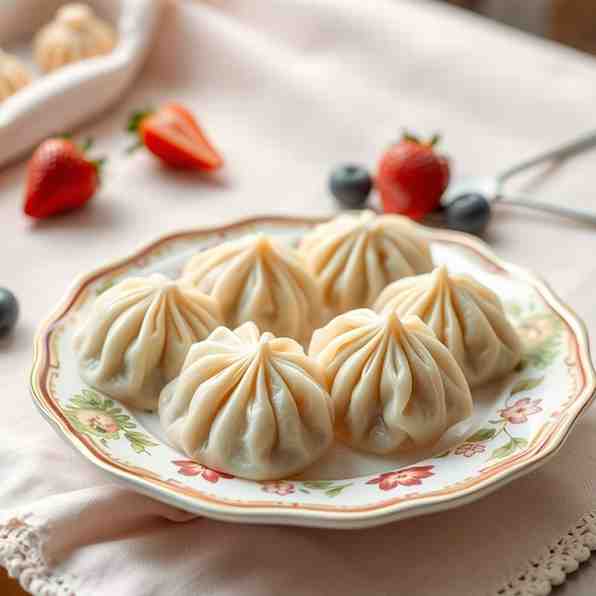
Ever dreamt of biting into a cloud-like sweet bun, bursting with warm, fruity jam? Say hello to Parené Buchty, the beloved Slovak steamed sweet dumplings that are about to become your new favorite comfort food! Also known as Buchty na pare, these aren't your average baked buns; they're pillowy soft yeast buns that get their incredible tenderness from the gentle magic of steam.
If you're looking for a recipe for kolache-style dough but want to try something truly special, these Central European comfort desserts are exactly what you need. Whether you're a first-timer in the kitchen or a seasoned baker chasing that authentic taste, we'll guide you through every step to create these delightful treats with a traditional plum jam filling. Get ready for a dessert that’s as fun to make as it is to eat, perfect for cozy weekends, holidays like Christmas, or just because!
In plain English, Parené Buchty are soft, sweet yeast-leavened buns that are cooked by steaming rather than baking. This cooking method gives them an incredibly light, airy, and moist texture that’s truly unique. They're traditionally filled with a thick plum jam (lekvar) or sometimes poppy seed filling, and then served simply with melted butter and a dusting of powdered sugar.
How they differ from:
Baked buchty: While both are sweet yeast buns, baked buchty are cooked in the oven, resulting in a golden-brown crust and a slightly denser crumb. Parené Buchty, on the other hand, remain pale and incredibly tender due to the steam.
Asian steamed buns (like bao or char siu bao): Though also steamed, the dough for Parené Buchty is different. It's a richer, sweeter yeast dough, similar to brioche or a recipe for kolache dough, often containing egg and butter, giving it a distinct flavor and texture compared to the typically less enriched, chewier dough of many Asian steamed buns. The shaping and traditional fillings also vary greatly.
People often serve Parené Buchty as a special weekend treat, for holidays like Christmas (making them a wonderful addition to Christmas sweets recipes), or as a cozy winter dessert that brings a taste of Central European tradition to your table.
Ingredients
Directions
- Bloom the yeast In a large mixing bowl, combine the lukewarm milk with 1 teaspoon of granulated sugar and the active dry yeast. Stir gently and let it sit for 5-10 minutes. It should become visibly foamy and bubbly on top, indicating the yeast is active. If it doesn't foam, your yeast might be old, or the milk too hot/cold; discard and start again with fresh yeast.
- Make the dough To the bloomed yeast mixture, add the remaining ¼ cup granulated sugar, the lightly beaten egg, the melted butter, and the salt. Whisk briefly to combine. Gradually add the all-purpose flour, starting with 3 ½ cups, mixing with a wooden spoon or a stand mixer with a dough hook until a shaggy dough forms. Turn the dough out onto a lightly floured surface (or continue in the stand mixer) and knead for 8-10 minutes, adding small amounts of flour only if necessary, until the dough is soft, smooth, elastic, and slightly tacky but no longer sticky. It should spring back when lightly poked.
- First rise Lightly grease your mixing bowl with a little oil. Place the dough in the bowl, turning it once to coat, then cover with plastic wrap or a clean kitchen towel. Let it rise in a warm, draft-free place for 1 to 1 ½ hours, or until it has "doubled" in size. "Doubled" means it's visibly much larger and looks airy, not just slightly puffed.
- Portion + fill Gently punch down the risen dough to release the air. Turn it out onto a lightly floured surface. Divide the dough into 12-16 equal pieces (about 40-50g each). Roll each piece into a smooth ball. Flatten one ball into a 3-4 inch (7-10 cm) disk. Place about 1 tablespoon of thick plum jam in the center. To seal, bring the edges of the dough up around the filling and pinch them together tightly at the top, forming a small seam. Gently pinch and twist or pinch-and-fold the dough to ensure a secure seal. Roll the filled dough ball gently between your palms to smooth out the seam and create a neat bun. Repeat with the remaining dough and filling.
- Second rise (short proof) Arrange the shaped buns on a lightly floured surface or baking sheet, leaving some space between them. Cover them loosely with plastic wrap or a clean kitchen towel. Let them proof for 20-30 minutes in a warm place. They should look noticeably puffy and slightly larger, which is crucial for fluffy steamed buns.
- Set up the steamer Fill a large pot with 1-2 inches (2.5-5 cm) of water. Bring the water to a simmer over medium heat. Place your steamer basket, colander, or improvised cloth steaming setup over the pot. If using a steamer basket or colander, line the bottom with individual parchment paper squares, or generously grease it. If using a cloth method, tie a clean kitchen towel securely over the pot, ensuring it sags slightly in the middle without touching the water.
- Steam Carefully place 3-4 (or as many as fit comfortably with good spacing) proofed buns onto the prepared steamer surface, ensuring they don't touch each other or the sides of the steamer. Cover the pot tightly with its lid (or place a heatproof plate on top of the cloth if using that method). Steam for 10-15 minutes. Do NOT lift the lid during this time. The buns are done when they are puffy, firm to the touch, and spring back when gently pressed. There should be no raw doughy seam where you pinched them. Remove the steamed buns immediately and proceed with the next batch.
- Finish + serve As soon as each batch of buns is removed from the steamer, brush them generously with melted butter. This adds flavor and prevents them from drying out. Arrange them on a platter or serving dish. Dust liberally with powdered sugar. For a traditional touch, you can also sprinkle them with cocoa-sugar or poppy seed sugar. Serve them warm, stacked family-style, for a truly festive and comforting experience. These are best enjoyed immediately!
You may also like


Hey there! I’m just someone who seriously loves good food and believes that cooking doesn’t have to be complicated to be amazing. Whether it’s a quick weeknight dinner or a cozy weekend meal, I’m all about sharing easy, tasty recipes that actually work.