Pasteles Recipe
Pasteles Recipe

- Serves: 12 People
- Prepare Time: 3 hours
- Cooking Time: 1 hour 30 m
- Calories: -
- Difficulty: Hard
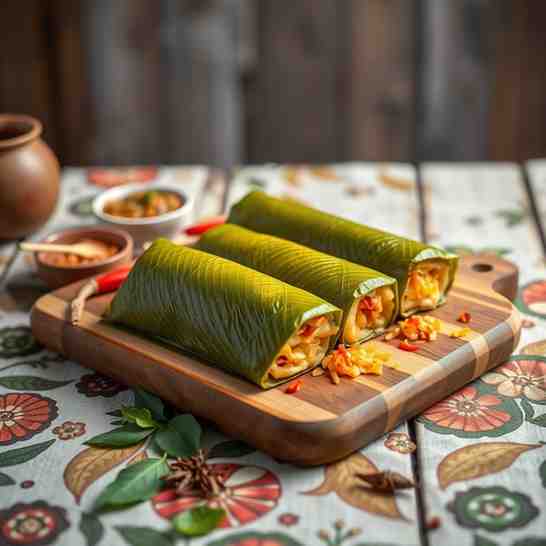
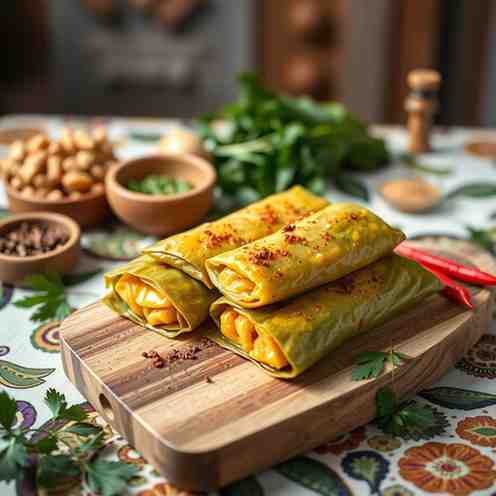
There's nothing quite like the warmth and tradition of Puerto Rican `pasteles`. These savory masa pockets, often filled with tender stewed pork, are more than just a dish; they're a culinary hug, a taste of home, and a centerpiece for any festive gathering, especially during `christmas in puerto rico`. If you've been wondering, "Where can I find `pasteles near me`?" or "What are `puerto rican restaurants near me` that serve them?", you're in the right place. While finding authentic `puerto rican food near me` can sometimes be a treasure hunt, mastering pasteles at home is a rewarding journey that connects you deeply to the island's vibrant culture.
I remember my abuela’s kitchen during the holidays – a symphony of laughter, the rhythmic scraping of plantains, and the irresistible aroma of sofrito filling the air. Making pasteles was always a family affair, a multi-generational effort that brought us closer. It wasn't just about the food; it was about the stories shared, the techniques passed down, and the pure joy of creating something truly special together. Whether you're a seasoned chef or a curious beginner, this guide will walk you through every step to bring this incredible `dinner in puerto rico` tradition to your own table. Let's dive into the heart of Puerto Rican cooking!
Ingredients
Directions
- Prep the Pork: Cut the pork shoulder into small, uniform ½-inch cubes. Pat them dry with paper towels. Season lightly with salt and pepper.
- Sear the Pork: Heat olive oil in a large pot or Dutch oven over medium-high heat. Add the pork cubes and sear them until lightly browned on all sides. You might need to do this in batches to avoid overcrowding the pot. Remove the browned pork and set aside.
- Sauté Aromatics: Reduce heat to medium. Add the chopped onion and green bell pepper to the pot. Sauté for 5-7 minutes until softened. Add the minced garlic and recaito (or sofrito) and cook for another 2-3 minutes until fragrant.
- Build the Flavor: Stir in the tomato sauce, sazón, salt, and black pepper. Cook for 2 minutes, allowing the flavors to meld.
- Simmer the Filling: Return the browned pork to the pot. Add the water or chicken broth. If using, stir in the green olives and raisins. Bring the mixture to a gentle boil, then reduce the heat to low, cover, and simmer for 45-60 minutes, or until the pork is fork-tender.
- Cool Down: Once cooked, remove from heat and let the filling cool completely. It's even better if you can make it a day ahead and refrigerate it overnight, as the flavors deepen. Helpful notes on using alternatives: This recipe works beautifully with chicken or beef. For chicken, use boneless, skinless thighs or breasts cut into cubes and reduce simmering time to 20-30 minutes. For beef, use stewing beef and increase simmering time to 1.5-2 hours.
- Preparing the Masa Step-by-Step Instructions
- Peel and Chop: Carefully peel the green bananas, yautía, and calabaza. Cut them into manageable chunks.
- Grind the Ingredients: Using a food processor, meat grinder, or even a heavy-duty blender, grind the peeled green bananas, yautía, and calabaza. Process in batches until you achieve a very fine, smooth paste. This is the heart of your masa!
- Troubleshooting wet or dry mixtures: If your masa seems too dry and crumbly, add a tablespoon of milk or broth at a time until it's pliable. If it's too wet, you might need to add a small amount of cornstarch (a tablespoon at a time) or let it sit for a bit for excess liquid to drain, though this is less common with these starchy root vegetables. The goal is a consistency similar to a thick, smooth batter, not too runny, not too stiff.
- Season the Masa: Transfer the ground mixture to a large bowl. Add the achiote oil, salt, and black pepper. Mix thoroughly with your hands until all ingredients are well combined and the masa has a uniform yellowish-orange color.
- Check Consistency: Tips on handling masa consistency: The masa should be smooth, spreadable, and hold its shape. Test a small amount: if you can spread it thinly on a banana leaf without it tearing or being too sticky, you've hit the sweet spot. Adjust seasoning if necessary.
- Wrapping & Cooking Your Pasteles Step-by-Step Instructions
- Prepare Banana Leaves: If using frozen banana leaves, thaw them completely. Gently wipe each leaf clean with a damp cloth. Carefully pass each leaf over an open flame or dip briefly in boiling water to soften them, making them more pliable and less prone to tearing. Cut the larger leaves into rectangles approximately 10x12 inches.
- Assemble Your Workstation: Set up an assembly line with your prepared banana leaves, achiote oil for greasing, masa, and pork filling. Have your kitchen twine ready.
- Spread the Masa: Lay a banana leaf rectangle on a clean surface. Lightly grease the center of the leaf with a little achiote oil. Take about ¼ to ⅓ cup of masa and spread it thinly (about ¼ inch thick) into a rectangle or oval shape in the center of the greased leaf.
- Add the Filling: Place 2-3 tablespoons of the cooled pork filling in the center of the masa.
- Wrap the Pasteles:
- Fold one side of the banana leaf over the masa and filling, bringing it to meet the other side.
- Fold the edges of the masa over the filling, forming a neat packet.
- Continue folding the banana leaf snugly around the masa packet, creating a compact rectangle.
- Fold the ends of the banana leaf packet inwards, just like wrapping a gift.
- Suggestions for neatly tying pasteles and avoiding spills: Take another banana leaf strip (or half a leaf) and place it perpendicular to your wrapped pastel. Place your pastel on top, then fold this second leaf around it, creating a double wrap. This adds extra security against spills during cooking.
- Tie the Pasteles: Secure each pastel with kitchen twine. Wrap the twine around the pastel lengthwise and then crosswise, tying it securely but not too tightly. This keeps the pastel intact during boiling.
- Cook the Pasteles:
- Bring a large pot of salted water to a rolling boil.
- Carefully place the wrapped pasteles into the boiling water. Do not overcrowd the pot; cook in batches if necessary.
- Troubleshooting tips for ensuring they cook thoroughly: Ensure the water is always at a steady boil. The cooking time will vary depending on the size and thickness of your pasteles, but typically they need to boil for 1 hour to 1 hour 30 minutes. A good indicator of doneness is when the masa feels firm to the touch when gently squeezed through the banana leaf. You can also carefully unwrap one pastel to check its texture.
- Serve: Once cooked, carefully remove the pasteles from the water. Let them cool slightly before unwrapping. Serve hot!
Pasteles Recipe
- Serves: 12 People
- Prepare Time: 3 hours
- Cooking Time: 1 hour 30 m
- Calories: -
- Difficulty: Hard
There's nothing quite like the warmth and tradition of Puerto Rican `pasteles`. These savory masa pockets, often filled with tender stewed pork, are more than just a dish; they're a culinary hug, a taste of home, and a centerpiece for any festive gathering, especially during `christmas in puerto rico`. If you've been wondering, "Where can I find `pasteles near me`?" or "What are `puerto rican restaurants near me` that serve them?", you're in the right place. While finding authentic `puerto rican food near me` can sometimes be a treasure hunt, mastering pasteles at home is a rewarding journey that connects you deeply to the island's vibrant culture.
I remember my abuela’s kitchen during the holidays – a symphony of laughter, the rhythmic scraping of plantains, and the irresistible aroma of sofrito filling the air. Making pasteles was always a family affair, a multi-generational effort that brought us closer. It wasn't just about the food; it was about the stories shared, the techniques passed down, and the pure joy of creating something truly special together. Whether you're a seasoned chef or a curious beginner, this guide will walk you through every step to bring this incredible `dinner in puerto rico` tradition to your own table. Let's dive into the heart of Puerto Rican cooking!
Ingredients
Directions
- Prep the Pork: Cut the pork shoulder into small, uniform ½-inch cubes. Pat them dry with paper towels. Season lightly with salt and pepper.
- Sear the Pork: Heat olive oil in a large pot or Dutch oven over medium-high heat. Add the pork cubes and sear them until lightly browned on all sides. You might need to do this in batches to avoid overcrowding the pot. Remove the browned pork and set aside.
- Sauté Aromatics: Reduce heat to medium. Add the chopped onion and green bell pepper to the pot. Sauté for 5-7 minutes until softened. Add the minced garlic and recaito (or sofrito) and cook for another 2-3 minutes until fragrant.
- Build the Flavor: Stir in the tomato sauce, sazón, salt, and black pepper. Cook for 2 minutes, allowing the flavors to meld.
- Simmer the Filling: Return the browned pork to the pot. Add the water or chicken broth. If using, stir in the green olives and raisins. Bring the mixture to a gentle boil, then reduce the heat to low, cover, and simmer for 45-60 minutes, or until the pork is fork-tender.
- Cool Down: Once cooked, remove from heat and let the filling cool completely. It's even better if you can make it a day ahead and refrigerate it overnight, as the flavors deepen. Helpful notes on using alternatives: This recipe works beautifully with chicken or beef. For chicken, use boneless, skinless thighs or breasts cut into cubes and reduce simmering time to 20-30 minutes. For beef, use stewing beef and increase simmering time to 1.5-2 hours.
- Preparing the Masa Step-by-Step Instructions
- Peel and Chop: Carefully peel the green bananas, yautía, and calabaza. Cut them into manageable chunks.
- Grind the Ingredients: Using a food processor, meat grinder, or even a heavy-duty blender, grind the peeled green bananas, yautía, and calabaza. Process in batches until you achieve a very fine, smooth paste. This is the heart of your masa!
- Troubleshooting wet or dry mixtures: If your masa seems too dry and crumbly, add a tablespoon of milk or broth at a time until it's pliable. If it's too wet, you might need to add a small amount of cornstarch (a tablespoon at a time) or let it sit for a bit for excess liquid to drain, though this is less common with these starchy root vegetables. The goal is a consistency similar to a thick, smooth batter, not too runny, not too stiff.
- Season the Masa: Transfer the ground mixture to a large bowl. Add the achiote oil, salt, and black pepper. Mix thoroughly with your hands until all ingredients are well combined and the masa has a uniform yellowish-orange color.
- Check Consistency: Tips on handling masa consistency: The masa should be smooth, spreadable, and hold its shape. Test a small amount: if you can spread it thinly on a banana leaf without it tearing or being too sticky, you've hit the sweet spot. Adjust seasoning if necessary.
- Wrapping & Cooking Your Pasteles Step-by-Step Instructions
- Prepare Banana Leaves: If using frozen banana leaves, thaw them completely. Gently wipe each leaf clean with a damp cloth. Carefully pass each leaf over an open flame or dip briefly in boiling water to soften them, making them more pliable and less prone to tearing. Cut the larger leaves into rectangles approximately 10x12 inches.
- Assemble Your Workstation: Set up an assembly line with your prepared banana leaves, achiote oil for greasing, masa, and pork filling. Have your kitchen twine ready.
- Spread the Masa: Lay a banana leaf rectangle on a clean surface. Lightly grease the center of the leaf with a little achiote oil. Take about ¼ to ⅓ cup of masa and spread it thinly (about ¼ inch thick) into a rectangle or oval shape in the center of the greased leaf.
- Add the Filling: Place 2-3 tablespoons of the cooled pork filling in the center of the masa.
- Wrap the Pasteles:
- Fold one side of the banana leaf over the masa and filling, bringing it to meet the other side.
- Fold the edges of the masa over the filling, forming a neat packet.
- Continue folding the banana leaf snugly around the masa packet, creating a compact rectangle.
- Fold the ends of the banana leaf packet inwards, just like wrapping a gift.
- Suggestions for neatly tying pasteles and avoiding spills: Take another banana leaf strip (or half a leaf) and place it perpendicular to your wrapped pastel. Place your pastel on top, then fold this second leaf around it, creating a double wrap. This adds extra security against spills during cooking.
- Tie the Pasteles: Secure each pastel with kitchen twine. Wrap the twine around the pastel lengthwise and then crosswise, tying it securely but not too tightly. This keeps the pastel intact during boiling.
- Cook the Pasteles:
- Bring a large pot of salted water to a rolling boil.
- Carefully place the wrapped pasteles into the boiling water. Do not overcrowd the pot; cook in batches if necessary.
- Troubleshooting tips for ensuring they cook thoroughly: Ensure the water is always at a steady boil. The cooking time will vary depending on the size and thickness of your pasteles, but typically they need to boil for 1 hour to 1 hour 30 minutes. A good indicator of doneness is when the masa feels firm to the touch when gently squeezed through the banana leaf. You can also carefully unwrap one pastel to check its texture.
- Serve: Once cooked, carefully remove the pasteles from the water. Let them cool slightly before unwrapping. Serve hot!
You may also like

Hey there! I’m just someone who seriously loves good food and believes that cooking doesn’t have to be complicated to be amazing. Whether it’s a quick weeknight dinner or a cozy weekend meal, I’m all about sharing easy, tasty recipes that actually work.