
Puto Bumbong - Steamed Rice Cake for Christmas
Puto Bumbong - Steamed Rice Cake for Christmas
- Serves: 6 People
- Prepare Time: 20 minutes
- Cooking Time: 25 minutes
- Calories: -
- Difficulty: Easy
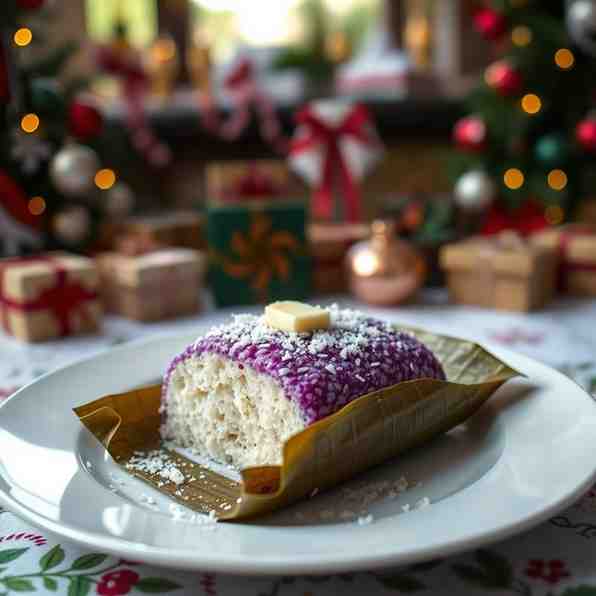
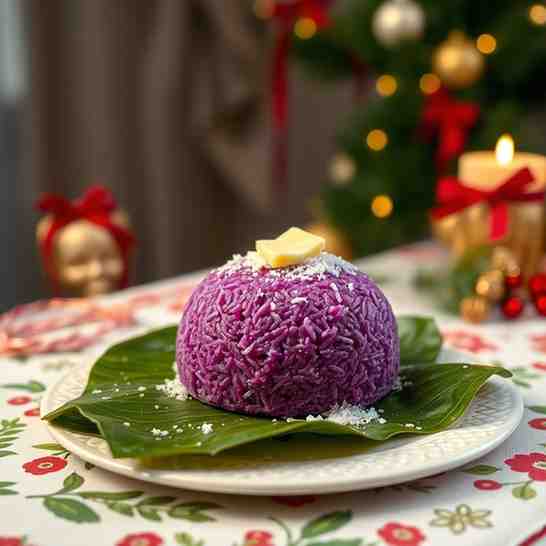
Get ready to bring the festive spirit of a Filipino Christmas right into your kitchen! There’s no dish quite like Puto Bumbong that perfectly captures the warmth, tradition, and deliciousness of the holiday season. This vibrant, purple steamed rice cake is an absolute staple during "Simbang Gabi" (dawn masses) and "Noche Buena" celebrations, marking the start of Christmas festivities in the Philippines. It’s more than just a dessert Filipino food; it’s a taste of heritage, a symbol of togetherness, and a treat that families eagerly await each year. If you've been searching for an authentic, easy-to-follow recipe to make this cherished filipino traditional dish perfectly, you’ve found it! We’ll guide you through every step to create a truly irresistible Puto Bumbong, topped with rich butter and sweet freshly grated coconut, that will make your holiday spread unforgettable.
Ingredients
Directions
- Preparing the Rice Flour Mixture (The Dough)
- Rinsing the Rice: Combine the Pirurutong (purple glutinous rice) and Malagkit (white glutinous rice) in a large bowl. Rinse the rice thoroughly under cold running water until the water runs clear. This removes excess starch and any impurities.
- Soaking the Rice: Transfer the rinsed glutinous white rice mixture to a clean bowl. Add enough water to completely submerge the rice by at least an inch. Let it soak overnight, or for a minimum of 8-12 hours, at room temperature. This crucial step softens the rice for sticky rice and allows it to ferment slightly, developing that signature Puto Bumbong flavor and texture.
- Draining & Grinding: After soaking, drain the rice completely. You can use a cheesecloth-lined sieve to ensure all excess water is removed. Traditionally, the soaked rice is ground using a stone grinder (gilingan) into a fine, wet flour. For home cooks, you can use a high-powered blender or food processor. Blend the rice with the 3 cups of fresh water and salt until you achieve a very smooth, thick, and consistent batter. It should be similar to a thin pancake batter.
- Preparing for Steaming: Pour the rice batter into a clean, damp cheesecloth or thin kitchen towel placed over a bowl or colander. Tie the cloth ends to form a bundle and allow any excess liquid to drip out for about 1-2 hours. This process helps to thicken the batter slightly, making it perfect for steaming. The resulting consistency should be a thick, somewhat crumbly dough that holds its shape when squeezed gently.
- Steaming the Rice Cakes
- Set Up Your Steamer: Prepare your steamer by adding water to the bottom pot. Bring the water to a rolling boil over medium-high heat.
- Prepare the Steaming Tubes: Puto Bumbong is traditionally steamed in bamboo tubes (bumbong). If you have them, lightly grease the inside of the tubes with a little oil. If not, you can use small, heat-safe molds or even small ramekins, or shape the mixture into logs. Line your steaming apparatus with banana leaves, cut to fit, to impart a subtle aroma and prevent sticking.
- Fill and Steam: Carefully take small portions of your prepared rice dough. Gently pack the dough into the bamboo tubes or molds, filling them about three-quarters full. Don't pack too tightly, as the rice needs space to expand.
- Steaming Process: Place the filled tubes or molds into the steamer basket. Cover tightly and steam for about 10-15 minutes, or until the Puto Bumbong turns a deep purple color, becomes soft, and is cooked through. The exact steaming time depends on the thickness of your rice cakes. You’ll know it’s ready when it’s soft and slightly sticky.
- Serving the Puto Bumbong
- Unmold and Arrange: Once steamed, carefully remove the Puto Bumbong from the tubes or molds. They will be hot, so use tongs or a clean cloth. Arrange them immediately on a serving plate.
- Butter Up: While still hot, generously brush each steamed rice cake with melted butter or margarine. The heat will melt the butter, infusing it with richness.
- Sweet & Coconut Topping: Sprinkle a generous amount of muscovado sugar (or brown sugar) and plenty of freshly grated coconut over the buttered Puto Bumbong. The combination of sweet, savory, and nutty flavors is what makes this dish truly special.
- Pairing Perfection: Puto Bumbong is traditionally enjoyed hot, often paired with a warm cup of "salabat" (ginger tea) or strong coffee. Serve immediately and savor every bite of this authentic filipino cuisine dish.
Puto Bumbong - Steamed Rice Cake for Christmas

- Serves: 6 People
- Prepare Time: 20 minutes
- Cooking Time: 25 minutes
- Calories: -
- Difficulty: Easy
Get ready to bring the festive spirit of a Filipino Christmas right into your kitchen! There’s no dish quite like Puto Bumbong that perfectly captures the warmth, tradition, and deliciousness of the holiday season. This vibrant, purple steamed rice cake is an absolute staple during "Simbang Gabi" (dawn masses) and "Noche Buena" celebrations, marking the start of Christmas festivities in the Philippines. It’s more than just a dessert Filipino food; it’s a taste of heritage, a symbol of togetherness, and a treat that families eagerly await each year. If you've been searching for an authentic, easy-to-follow recipe to make this cherished filipino traditional dish perfectly, you’ve found it! We’ll guide you through every step to create a truly irresistible Puto Bumbong, topped with rich butter and sweet freshly grated coconut, that will make your holiday spread unforgettable.
Ingredients
Directions
- Preparing the Rice Flour Mixture (The Dough)
- Rinsing the Rice: Combine the Pirurutong (purple glutinous rice) and Malagkit (white glutinous rice) in a large bowl. Rinse the rice thoroughly under cold running water until the water runs clear. This removes excess starch and any impurities.
- Soaking the Rice: Transfer the rinsed glutinous white rice mixture to a clean bowl. Add enough water to completely submerge the rice by at least an inch. Let it soak overnight, or for a minimum of 8-12 hours, at room temperature. This crucial step softens the rice for sticky rice and allows it to ferment slightly, developing that signature Puto Bumbong flavor and texture.
- Draining & Grinding: After soaking, drain the rice completely. You can use a cheesecloth-lined sieve to ensure all excess water is removed. Traditionally, the soaked rice is ground using a stone grinder (gilingan) into a fine, wet flour. For home cooks, you can use a high-powered blender or food processor. Blend the rice with the 3 cups of fresh water and salt until you achieve a very smooth, thick, and consistent batter. It should be similar to a thin pancake batter.
- Preparing for Steaming: Pour the rice batter into a clean, damp cheesecloth or thin kitchen towel placed over a bowl or colander. Tie the cloth ends to form a bundle and allow any excess liquid to drip out for about 1-2 hours. This process helps to thicken the batter slightly, making it perfect for steaming. The resulting consistency should be a thick, somewhat crumbly dough that holds its shape when squeezed gently.
- Steaming the Rice Cakes
- Set Up Your Steamer: Prepare your steamer by adding water to the bottom pot. Bring the water to a rolling boil over medium-high heat.
- Prepare the Steaming Tubes: Puto Bumbong is traditionally steamed in bamboo tubes (bumbong). If you have them, lightly grease the inside of the tubes with a little oil. If not, you can use small, heat-safe molds or even small ramekins, or shape the mixture into logs. Line your steaming apparatus with banana leaves, cut to fit, to impart a subtle aroma and prevent sticking.
- Fill and Steam: Carefully take small portions of your prepared rice dough. Gently pack the dough into the bamboo tubes or molds, filling them about three-quarters full. Don't pack too tightly, as the rice needs space to expand.
- Steaming Process: Place the filled tubes or molds into the steamer basket. Cover tightly and steam for about 10-15 minutes, or until the Puto Bumbong turns a deep purple color, becomes soft, and is cooked through. The exact steaming time depends on the thickness of your rice cakes. You’ll know it’s ready when it’s soft and slightly sticky.
- Serving the Puto Bumbong
- Unmold and Arrange: Once steamed, carefully remove the Puto Bumbong from the tubes or molds. They will be hot, so use tongs or a clean cloth. Arrange them immediately on a serving plate.
- Butter Up: While still hot, generously brush each steamed rice cake with melted butter or margarine. The heat will melt the butter, infusing it with richness.
- Sweet & Coconut Topping: Sprinkle a generous amount of muscovado sugar (or brown sugar) and plenty of freshly grated coconut over the buttered Puto Bumbong. The combination of sweet, savory, and nutty flavors is what makes this dish truly special.
- Pairing Perfection: Puto Bumbong is traditionally enjoyed hot, often paired with a warm cup of "salabat" (ginger tea) or strong coffee. Serve immediately and savor every bite of this authentic filipino cuisine dish.
You may also like




Hey there! I’m just someone who seriously loves good food and believes that cooking doesn’t have to be complicated to be amazing. Whether it’s a quick weeknight dinner or a cozy weekend meal, I’m all about sharing easy, tasty recipes that actually work.