
Malagasy Ravitoto - Best Pork Shoulder Recipes
Malagasy Ravitoto - Best Pork Shoulder Recipes
- Serves: 6 People
- Prepare Time: 25 minutes
- Cooking Time: 3-4 hours
- Calories: -
- Difficulty: Medium
Get ready for a culinary adventure that will transport your taste buds straight to Madagascar! We're diving deep into Ravitoto, a truly special Malagasy dish that's all about garlicky, savory, slow-simmered comfort food, usually served over a mound of fluffy white rice. If you're looking for incredible pork shoulder recipes that are hearty, flavorful, and a little bit exotic, you've come to the right place. This isn't just another stew; it's a beloved staple that brings families together. We promise to make cooking with cassava leaves and tender pork shoulder feel totally doable, even if it's your first time trying this amazing cuisine.
So, what exactly is Ravitoto? In plain English, "ravitoto" refers to crushed or pounded cassava leaves, which are then slow-cooked into a rich, often savory stew. While you can find vegetarian versions, it's most famously paired with pork, creating a deeply satisfying main dish. This isn't just a recipe; it's a piece of Malagasy culture, a comforting hug in a bowl, and a fantastic way to explore dishes with pork shoulder. Families often have their own subtle twists, but the heart of the dish—the tender pork and earthy cassava leaves—remains the same. It’s a perfect example of how simple ingredients, when cooked with patience, can create something truly extraordinary.
What it tastes like: Earthy, garlicky, deeply savory, with incredibly tender pork.
Ingredients
Directions
- Prep the Pork Shoulder Start by cutting your pork shoulder into 1 to 1 ½-inch cubes. This size allows the pork to get wonderfully tender on schedule during the long simmer. Pat the pork dry with paper towels, then generously season it all over with 1 teaspoon of salt and ½ teaspoon of black pepper. Don't be shy with the salt; it helps build flavor from the start.
- Brown the Pork Heat the neutral oil in a large Dutch oven or heavy-bottomed pot over medium-high heat until shimmering. Add the pork in batches, making sure not to overcrowd the pot. If you add too much at once, the pork will steam instead of brown, and we want that beautiful, caramelized crust! Let each side brown for 3-4 minutes until you see a rich, golden-brown color. This "good browning" creates incredible depth of flavor for your stew. Remove the browned pork to a plate and set aside.
- Build the Base Reduce the heat to medium. Add the chopped onion to the pot and cook, stirring occasionally, for about 5-7 minutes until softened and translucent. Then, add the minced garlic and cook for another minute until fragrant. Adding the onion first ensures the garlic doesn't burn, which can make your stew bitter. Use a wooden spoon to scrape up any browned bits from the bottom of the pot – those are packed with flavor!
- Add Cassava Leaves & Set the Simmer Add the frozen crushed cassava leaves directly to the pot with the onions and garlic. Stir well to combine. Return the browned pork and any accumulated juices to the pot. Pour in 4 cups of water or stock, ensuring the ingredients are mostly submerged. Bring the mixture to a gentle simmer, then reduce the heat to low, cover the pot, and let it braise. We're aiming for a gentle bubble, not a hard boil.
- Slow Simmer Until Fork-Tender Let the Ravitoto simmer for at least 3 to 4 hours, or even longer, until the pork shoulder is incredibly fork-tender and the cassava leaves have broken down into a rich, cohesive stew. Check on it every hour or so, giving it a stir to prevent sticking to the bottom. If the liquid level gets too low, add another ½ to 1 cup of water or stock to keep everything gently braising. The longer it cooks, the more the flavors meld and the more tender the pork becomes.
- Reduce & Finish Once the pork is tender, uncover the pot. If the stew seems too watery, increase the heat slightly to medium-low and let it simmer, uncovered, for 15-30 minutes to thicken to your desired consistency. The color will darken, which is totally normal and a sign of a well-cooked Ravitoto. Stir in the optional coconut milk now if using, and heat through for a minute or two. Finally, taste and adjust the seasoning. You might need a little more salt or pepper. If you find the cassava leaves have a slight bitterness, add a tiny pinch of sugar – it works wonders to balance the flavors!
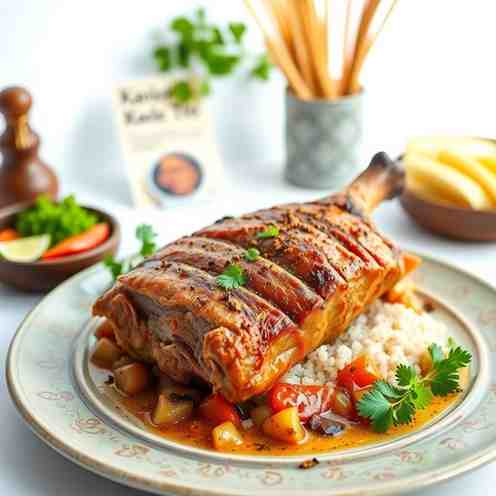
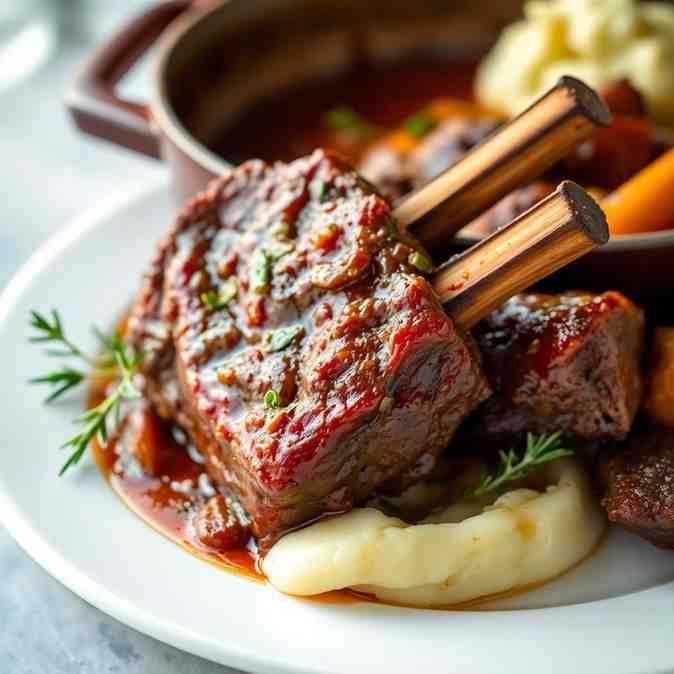
- What it should look like (visual/texture cues): Your finished Ravitoto should have a beautiful, dark green-to-brownish hue, indicating the long cooking process. The final texture should be rich and cohesive, almost like a thick stew, not soupy or overly oily. The pork should be falling apart, easily shreddable with a fork.
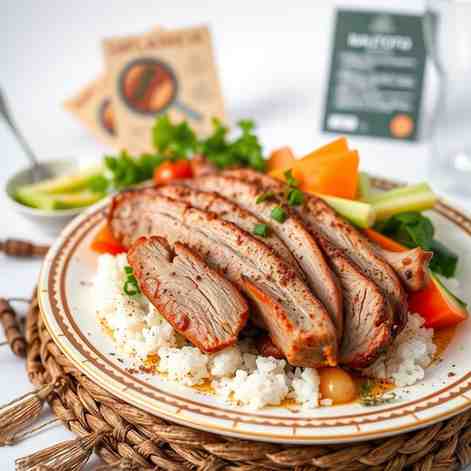
- How to Serve: Ravitoto is traditionally served with a generous portion of steaming white rice. Think of about 1 cup of cooked rice per serving. For an extra pop of freshness and acidity, consider serving it with something bright on the side, like a simple tomato, onion, and chili relish (called Sakay in Madagascar) or a quick cucumber salad.
Malagasy Ravitoto - Best Pork Shoulder Recipes

- Serves: 6 People
- Prepare Time: 25 minutes
- Cooking Time: 3-4 hours
- Calories: -
- Difficulty: Medium
Get ready for a culinary adventure that will transport your taste buds straight to Madagascar! We're diving deep into Ravitoto, a truly special Malagasy dish that's all about garlicky, savory, slow-simmered comfort food, usually served over a mound of fluffy white rice. If you're looking for incredible pork shoulder recipes that are hearty, flavorful, and a little bit exotic, you've come to the right place. This isn't just another stew; it's a beloved staple that brings families together. We promise to make cooking with cassava leaves and tender pork shoulder feel totally doable, even if it's your first time trying this amazing cuisine.
So, what exactly is Ravitoto? In plain English, "ravitoto" refers to crushed or pounded cassava leaves, which are then slow-cooked into a rich, often savory stew. While you can find vegetarian versions, it's most famously paired with pork, creating a deeply satisfying main dish. This isn't just a recipe; it's a piece of Malagasy culture, a comforting hug in a bowl, and a fantastic way to explore dishes with pork shoulder. Families often have their own subtle twists, but the heart of the dish—the tender pork and earthy cassava leaves—remains the same. It’s a perfect example of how simple ingredients, when cooked with patience, can create something truly extraordinary.
What it tastes like: Earthy, garlicky, deeply savory, with incredibly tender pork.
Ingredients
Directions
- Prep the Pork Shoulder Start by cutting your pork shoulder into 1 to 1 ½-inch cubes. This size allows the pork to get wonderfully tender on schedule during the long simmer. Pat the pork dry with paper towels, then generously season it all over with 1 teaspoon of salt and ½ teaspoon of black pepper. Don't be shy with the salt; it helps build flavor from the start.
- Brown the Pork Heat the neutral oil in a large Dutch oven or heavy-bottomed pot over medium-high heat until shimmering. Add the pork in batches, making sure not to overcrowd the pot. If you add too much at once, the pork will steam instead of brown, and we want that beautiful, caramelized crust! Let each side brown for 3-4 minutes until you see a rich, golden-brown color. This "good browning" creates incredible depth of flavor for your stew. Remove the browned pork to a plate and set aside.
- Build the Base Reduce the heat to medium. Add the chopped onion to the pot and cook, stirring occasionally, for about 5-7 minutes until softened and translucent. Then, add the minced garlic and cook for another minute until fragrant. Adding the onion first ensures the garlic doesn't burn, which can make your stew bitter. Use a wooden spoon to scrape up any browned bits from the bottom of the pot – those are packed with flavor!
- Add Cassava Leaves & Set the Simmer Add the frozen crushed cassava leaves directly to the pot with the onions and garlic. Stir well to combine. Return the browned pork and any accumulated juices to the pot. Pour in 4 cups of water or stock, ensuring the ingredients are mostly submerged. Bring the mixture to a gentle simmer, then reduce the heat to low, cover the pot, and let it braise. We're aiming for a gentle bubble, not a hard boil.
- Slow Simmer Until Fork-Tender Let the Ravitoto simmer for at least 3 to 4 hours, or even longer, until the pork shoulder is incredibly fork-tender and the cassava leaves have broken down into a rich, cohesive stew. Check on it every hour or so, giving it a stir to prevent sticking to the bottom. If the liquid level gets too low, add another ½ to 1 cup of water or stock to keep everything gently braising. The longer it cooks, the more the flavors meld and the more tender the pork becomes.
- Reduce & Finish Once the pork is tender, uncover the pot. If the stew seems too watery, increase the heat slightly to medium-low and let it simmer, uncovered, for 15-30 minutes to thicken to your desired consistency. The color will darken, which is totally normal and a sign of a well-cooked Ravitoto. Stir in the optional coconut milk now if using, and heat through for a minute or two. Finally, taste and adjust the seasoning. You might need a little more salt or pepper. If you find the cassava leaves have a slight bitterness, add a tiny pinch of sugar – it works wonders to balance the flavors!
- What it should look like (visual/texture cues): Your finished Ravitoto should have a beautiful, dark green-to-brownish hue, indicating the long cooking process. The final texture should be rich and cohesive, almost like a thick stew, not soupy or overly oily. The pork should be falling apart, easily shreddable with a fork.
- How to Serve: Ravitoto is traditionally served with a generous portion of steaming white rice. Think of about 1 cup of cooked rice per serving. For an extra pop of freshness and acidity, consider serving it with something bright on the side, like a simple tomato, onion, and chili relish (called Sakay in Madagascar) or a quick cucumber salad.
You may also like

Hey there! I’m just someone who seriously loves good food and believes that cooking doesn’t have to be complicated to be amazing. Whether it’s a quick weeknight dinner or a cozy weekend meal, I’m all about sharing easy, tasty recipes that actually work.