
No-Lumps Mieliepap - Best Recipes for Porridge & Stews
No-Lumps Mieliepap - Best Recipes for Porridge & Stews
- Serves: 4 People
- Prepare Time: 10 minutes
- Cooking Time: 25 minutes
- Calories: -
- Difficulty: Easy
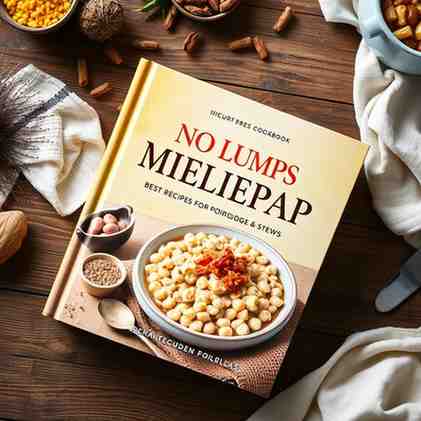
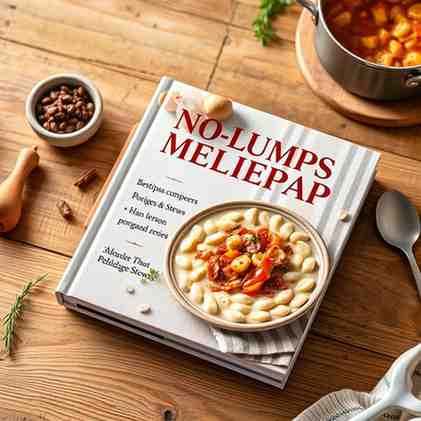
Craving a dish that feels like a warm hug from the inside out? Look no further than Mieliepap! This traditional South African maize meal porridge is the ultimate comfort food, a truly versatile and filling staple that perfectly complements a variety of savory stews or even a simple splash of sour milk. If you're looking for satisfying recipes for porridge that taste authentic and are surprisingly easy to make, you've come to the right place. Forget runny, bland porridge or crumbly, dry pap – this recipe is specifically designed to make thick, creamy, and spoonable pap every single time, with a no-lumps method that even beginners can master. Get ready to discover your new favorite comfort food dish, perfect for pairing with hearty bean stew recipes or other simple stew recipes.
Ingredients
Directions
- Make the Cold-Water Slurry: In a heavy-bottom pot or Dutch oven (this helps prevent scorching!), whisk together the maize meal and 1 cup (240ml) of the cold water until completely smooth. What it should look like: A thin, milky paste with no visible dry lumps. Why this prevents lumps: Mixing the maize meal with cold water first ensures each grain is hydrated before hitting heat, preventing them from clumping together.
- Bring Up the Heat Slowly: Add the remaining 3 cups (720ml) of cold water to the pot. Place the pot over medium-high heat and continue to whisk constantly. As the mixture heats, it will start to thicken. When it starts to tighten: You'll notice it beginning to cling to the whisk and form soft peaks. Keep whisking to maintain smoothness.
- Switch to a Wooden Spoon: Once the pap has thickened significantly and is bubbling gently, switch from a whisk to a sturdy wooden spoon. Continue stirring, ensuring you scrape the bottom and sides of the pot to prevent sticking. How hard it should be to stir: It should feel thick and heavy, like stirring a very thick pancake batter or soft polenta.
- Low Simmer + Stir Schedule: Reduce the heat to low, add the salt, and cover the pot. Let it simmer gently for 20-25 minutes, stirring every 5-7 minutes. What to do if it splatters: If it starts to bubble vigorously and splatter, reduce the heat further or crack the lid slightly to let some steam escape. Stirring regularly is key to even cooking and preventing a scorched bottom.
- Finish with Butter: After the simmering time, remove the pot from the heat. Stir in the butter until it's fully melted and incorporated. How it changes texture: The butter adds a beautiful gloss, richness, and extra creaminess, making the pap smoother and more enjoyable.
- Final Thickness Test: Your mieliepap is ready when it's thick enough to hold its shape on a spoon, and when you drag your spoon through it, it leaves a clear trail that doesn't immediately fill back in. It should pull away cleanly from the sides of the pot.
- How to Tell When Pap Is Fully Cooked:
- Taste Test: It should taste like cooked corn, not raw or gritty.
- Texture: Creamy and smooth, without any hard, uncooked bits.
- Consistency: Thick enough to be spoonable and hold its shape.
- Visual Cue: It will appear somewhat translucent and glossy, not chalky.
- Common "not done yet" signs: Grainy texture, raw corn taste, or a slightly watery consistency. If you notice these, simply add a splash of hot water or milk, stir well, and continue to simmer on low for another 5-10 minutes, stirring frequently.
No-Lumps Mieliepap - Best Recipes for Porridge & Stews
- Serves: 4 People
- Prepare Time: 10 minutes
- Cooking Time: 25 minutes
- Calories: -
- Difficulty: Easy
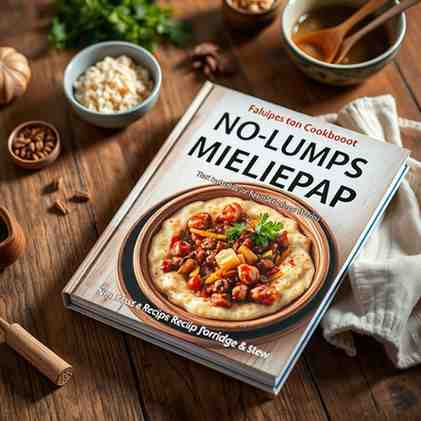
Craving a dish that feels like a warm hug from the inside out? Look no further than Mieliepap! This traditional South African maize meal porridge is the ultimate comfort food, a truly versatile and filling staple that perfectly complements a variety of savory stews or even a simple splash of sour milk. If you're looking for satisfying recipes for porridge that taste authentic and are surprisingly easy to make, you've come to the right place. Forget runny, bland porridge or crumbly, dry pap – this recipe is specifically designed to make thick, creamy, and spoonable pap every single time, with a no-lumps method that even beginners can master. Get ready to discover your new favorite comfort food dish, perfect for pairing with hearty bean stew recipes or other simple stew recipes.
Ingredients
Directions
- Make the Cold-Water Slurry: In a heavy-bottom pot or Dutch oven (this helps prevent scorching!), whisk together the maize meal and 1 cup (240ml) of the cold water until completely smooth. What it should look like: A thin, milky paste with no visible dry lumps. Why this prevents lumps: Mixing the maize meal with cold water first ensures each grain is hydrated before hitting heat, preventing them from clumping together.
- Bring Up the Heat Slowly: Add the remaining 3 cups (720ml) of cold water to the pot. Place the pot over medium-high heat and continue to whisk constantly. As the mixture heats, it will start to thicken. When it starts to tighten: You'll notice it beginning to cling to the whisk and form soft peaks. Keep whisking to maintain smoothness.
- Switch to a Wooden Spoon: Once the pap has thickened significantly and is bubbling gently, switch from a whisk to a sturdy wooden spoon. Continue stirring, ensuring you scrape the bottom and sides of the pot to prevent sticking. How hard it should be to stir: It should feel thick and heavy, like stirring a very thick pancake batter or soft polenta.
- Low Simmer + Stir Schedule: Reduce the heat to low, add the salt, and cover the pot. Let it simmer gently for 20-25 minutes, stirring every 5-7 minutes. What to do if it splatters: If it starts to bubble vigorously and splatter, reduce the heat further or crack the lid slightly to let some steam escape. Stirring regularly is key to even cooking and preventing a scorched bottom.
- Finish with Butter: After the simmering time, remove the pot from the heat. Stir in the butter until it's fully melted and incorporated. How it changes texture: The butter adds a beautiful gloss, richness, and extra creaminess, making the pap smoother and more enjoyable.
- Final Thickness Test: Your mieliepap is ready when it's thick enough to hold its shape on a spoon, and when you drag your spoon through it, it leaves a clear trail that doesn't immediately fill back in. It should pull away cleanly from the sides of the pot.
- How to Tell When Pap Is Fully Cooked:
- Taste Test: It should taste like cooked corn, not raw or gritty.
- Texture: Creamy and smooth, without any hard, uncooked bits.
- Consistency: Thick enough to be spoonable and hold its shape.
- Visual Cue: It will appear somewhat translucent and glossy, not chalky.
- Common "not done yet" signs: Grainy texture, raw corn taste, or a slightly watery consistency. If you notice these, simply add a splash of hot water or milk, stir well, and continue to simmer on low for another 5-10 minutes, stirring frequently.
You may also like




Hey there! I’m just someone who seriously loves good food and believes that cooking doesn’t have to be complicated to be amazing. Whether it’s a quick weeknight dinner or a cozy weekend meal, I’m all about sharing easy, tasty recipes that actually work.