Crispy Salvadoran Pan Fried Fish Recipe - Cook It Now
Crispy Salvadoran Pan Fried Fish Recipe - Cook It Now
- Serves: 4 People
- Prepare Time: 20 minutes
- Cooking Time: 25 minutes
- Calories: -
- Difficulty: Medium
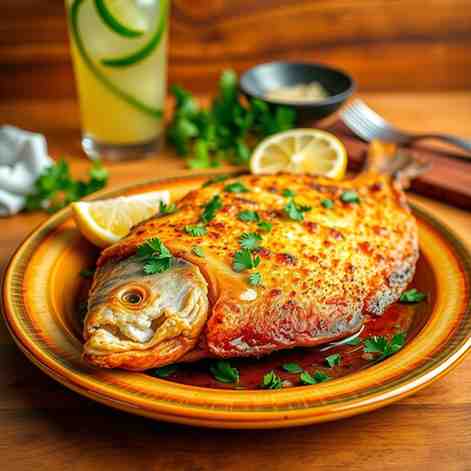
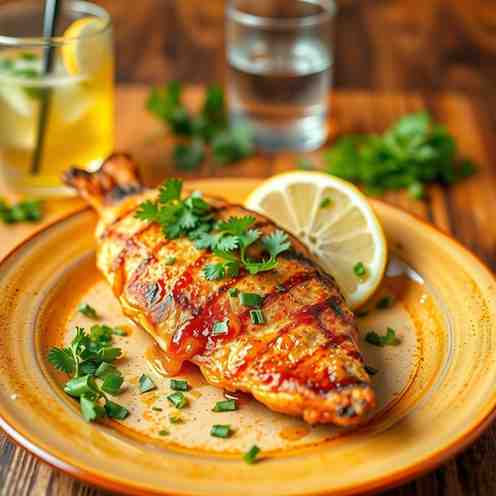
Welcome to the ultimate guide for making Salvadoran Pescado Frito — a truly special pan fried fish recipe that stands out from the crowd! Forget heavy, greasy batters; this traditional dish focuses on achieving an incredibly crispy whole fish with a bold, savory crust, thanks to a secret ingredient: salsa inglesa.
In El Salvador, pescado frito means a perfectly fried whole fish, often a mojarra (tilapia), known for its wonderfully crisp skin and tender, flaky meat. What makes our recipe unique is the simple yet powerful marinade featuring "salsa inglesa" (what Salvadorans call Worcestershire sauce). This isn't just a seasoning; it creates a thin, umami-rich crust that locks in flavor and delivers an irresistible crunch. Whether you're a seasoned cook or looking for an easy fish fillet recipe easy enough for a weeknight, this guide will walk you through everything you need to know, from picking the best fish for pan frying to achieving that perfect golden finish. Get ready to impress your taste buds with this authentic, flavorful, and wonderfully crispy fried fish recipe!
Flavor Profile: Salty-tangy, umami-rich, super crispy skin, tender flaky fish.
At its heart, Pescado Frito is simply "fried fish" in Spanish, but in El Salvador, it refers to a specific, beloved preparation of whole fried fish. Unlike many fried fish dishes that rely on a thick, heavy batter, Salvadoran pescado frito focuses on enhancing the natural flavors of the fish with a light, flavorful crust. The star of this crust is often "salsa inglesa," the Salvadoran name for Worcestershire sauce, which adds a unique savory, tangy depth. ([Bon Appétit][7])
You'll commonly hear Salvadorans refer to the fish as mojarra, which is a type of tilapia. For US cooks, whole tilapia, trout, or snapper are excellent and readily available substitutes that will give you that authentic experience.
For this pan fried fish recipe, the best overall default recommendation is whole tilapia. It's widely available, budget-friendly, and fries beautifully, offering tender, flaky meat. Other fantastic swaps include whole trout or red snapper.
Size Matters: Aim for fish that are roughly 1 to 1.5 pounds each. This size ensures even cooking, preventing the outside from burning while the area near the bone remains raw.
At the Fish Counter: Don't be shy! Ask your fishmonger to scale, gut, and clean the fish for you. This saves you a messy step at home and ensures your fish is perfectly prepped for frying.
Ingredients
Directions
- Prep the Fish (The Crisp-Skin Foundation): First, give your cleaned fish a quick rinse under cold water, then pat it very dry inside and out with paper towels. Moisture is the enemy of crispiness! Next, score the skin: make 3-4 shallow diagonal cuts on each side of the fish, about ½ inch deep. These cuts help the fish cook evenly and allow the seasoning to penetrate. Season the fish generously inside and out with the salt, making sure to rub it into the scored cuts. Let it rest for 5-10 minutes while you prepare the crust.
- Mix the Salvadoran Crust: In a small bowl, combine the yellow mustard, Worcestershire sauce (salsa inglesa), and garlic powder. Mix well until you have a smooth, thin, paste-like consistency. This is your bold, savory crust!
- Season + Stuff: Using your hands or a brush, generously coat the fish inside and out with the mustard-Worcestershire mixture, ensuring it gets into all the scored cuts. Don't forget the cavity! Once coated, stuff a few slices of the thinly sliced onion into the fish's cavity. The onion adds subtle flavor and helps steam the fish from the inside, keeping it moist.
- Heat Oil to the Right Temp: Pour your neutral frying oil into a deep skillet or Dutch oven. You'll want enough oil to come about 1-1 ½ inches up the sides of the fish (roughly 4-6 cups, depending on your pan size). Heat the oil over medium-high heat until it reaches a temperature of 350-375°F (175-190°C). An instant-read thermometer is your best friend here to hold the temperature steady.
- Fry (Single Method, Batch-Friendly): Carefully lower one fish into the hot oil, laying it away from you to avoid splashes. If your pan is large enough, you might be able to fry two fish at once, but avoid overcrowding as this will drop the oil temperature and prevent crispiness. Fry for 8-12 minutes per side, depending on the thickness of your fish. The skin should be deeply golden brown and very crispy. To flip, use two sturdy spatulas or tongs to gently turn the fish without tearing the skin. The fish is done when the flesh is opaque and flakes easily with a fork, or when an instant-read thermometer inserted into the thickest part (avoiding the bone) reads 145°F (63°C). ([Food Safety and Inspection Service][6])
- Drain + Serve Immediately: Once cooked, carefully remove the fish from the oil and place it on a wire rack set over a sheet pan. This allows excess oil to drain away and air to circulate, keeping the skin wonderfully crisp. Avoid draining on paper towels, as this can make the skin soggy. Finish with a squeeze of fresh lime juice and serve immediately with your favorite sides.
Crispy Salvadoran Pan Fried Fish Recipe - Cook It Now
- Serves: 4 People
- Prepare Time: 20 minutes
- Cooking Time: 25 minutes
- Calories: -
- Difficulty: Medium
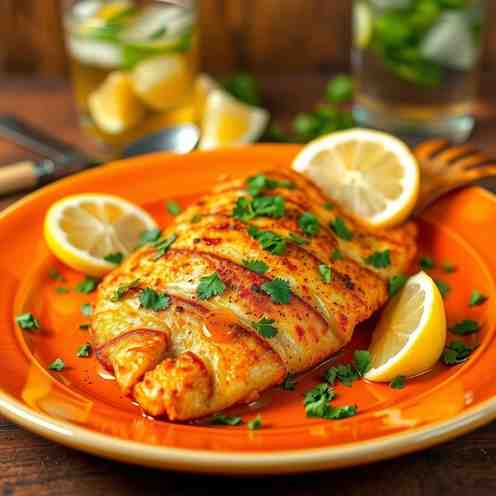
Welcome to the ultimate guide for making Salvadoran Pescado Frito — a truly special pan fried fish recipe that stands out from the crowd! Forget heavy, greasy batters; this traditional dish focuses on achieving an incredibly crispy whole fish with a bold, savory crust, thanks to a secret ingredient: salsa inglesa.
In El Salvador, pescado frito means a perfectly fried whole fish, often a mojarra (tilapia), known for its wonderfully crisp skin and tender, flaky meat. What makes our recipe unique is the simple yet powerful marinade featuring "salsa inglesa" (what Salvadorans call Worcestershire sauce). This isn't just a seasoning; it creates a thin, umami-rich crust that locks in flavor and delivers an irresistible crunch. Whether you're a seasoned cook or looking for an easy fish fillet recipe easy enough for a weeknight, this guide will walk you through everything you need to know, from picking the best fish for pan frying to achieving that perfect golden finish. Get ready to impress your taste buds with this authentic, flavorful, and wonderfully crispy fried fish recipe!
Flavor Profile: Salty-tangy, umami-rich, super crispy skin, tender flaky fish.
At its heart, Pescado Frito is simply "fried fish" in Spanish, but in El Salvador, it refers to a specific, beloved preparation of whole fried fish. Unlike many fried fish dishes that rely on a thick, heavy batter, Salvadoran pescado frito focuses on enhancing the natural flavors of the fish with a light, flavorful crust. The star of this crust is often "salsa inglesa," the Salvadoran name for Worcestershire sauce, which adds a unique savory, tangy depth. ([Bon Appétit][7])
You'll commonly hear Salvadorans refer to the fish as mojarra, which is a type of tilapia. For US cooks, whole tilapia, trout, or snapper are excellent and readily available substitutes that will give you that authentic experience.
For this pan fried fish recipe, the best overall default recommendation is whole tilapia. It's widely available, budget-friendly, and fries beautifully, offering tender, flaky meat. Other fantastic swaps include whole trout or red snapper.
Size Matters: Aim for fish that are roughly 1 to 1.5 pounds each. This size ensures even cooking, preventing the outside from burning while the area near the bone remains raw.
At the Fish Counter: Don't be shy! Ask your fishmonger to scale, gut, and clean the fish for you. This saves you a messy step at home and ensures your fish is perfectly prepped for frying.
Ingredients
Directions
- Prep the Fish (The Crisp-Skin Foundation): First, give your cleaned fish a quick rinse under cold water, then pat it very dry inside and out with paper towels. Moisture is the enemy of crispiness! Next, score the skin: make 3-4 shallow diagonal cuts on each side of the fish, about ½ inch deep. These cuts help the fish cook evenly and allow the seasoning to penetrate. Season the fish generously inside and out with the salt, making sure to rub it into the scored cuts. Let it rest for 5-10 minutes while you prepare the crust.
- Mix the Salvadoran Crust: In a small bowl, combine the yellow mustard, Worcestershire sauce (salsa inglesa), and garlic powder. Mix well until you have a smooth, thin, paste-like consistency. This is your bold, savory crust!
- Season + Stuff: Using your hands or a brush, generously coat the fish inside and out with the mustard-Worcestershire mixture, ensuring it gets into all the scored cuts. Don't forget the cavity! Once coated, stuff a few slices of the thinly sliced onion into the fish's cavity. The onion adds subtle flavor and helps steam the fish from the inside, keeping it moist.
- Heat Oil to the Right Temp: Pour your neutral frying oil into a deep skillet or Dutch oven. You'll want enough oil to come about 1-1 ½ inches up the sides of the fish (roughly 4-6 cups, depending on your pan size). Heat the oil over medium-high heat until it reaches a temperature of 350-375°F (175-190°C). An instant-read thermometer is your best friend here to hold the temperature steady.
- Fry (Single Method, Batch-Friendly): Carefully lower one fish into the hot oil, laying it away from you to avoid splashes. If your pan is large enough, you might be able to fry two fish at once, but avoid overcrowding as this will drop the oil temperature and prevent crispiness. Fry for 8-12 minutes per side, depending on the thickness of your fish. The skin should be deeply golden brown and very crispy. To flip, use two sturdy spatulas or tongs to gently turn the fish without tearing the skin. The fish is done when the flesh is opaque and flakes easily with a fork, or when an instant-read thermometer inserted into the thickest part (avoiding the bone) reads 145°F (63°C). ([Food Safety and Inspection Service][6])
- Drain + Serve Immediately: Once cooked, carefully remove the fish from the oil and place it on a wire rack set over a sheet pan. This allows excess oil to drain away and air to circulate, keeping the skin wonderfully crisp. Avoid draining on paper towels, as this can make the skin soggy. Finish with a squeeze of fresh lime juice and serve immediately with your favorite sides.
You may also like

Hey there! I’m just someone who seriously loves good food and believes that cooking doesn’t have to be complicated to be amazing. Whether it’s a quick weeknight dinner or a cozy weekend meal, I’m all about sharing easy, tasty recipes that actually work.