Samoan Pork Short Ribs Recipe - Slow-Cooked in Banana Leaves
Samoan Pork Short Ribs Recipe - Slow-Cooked in Banana Leaves
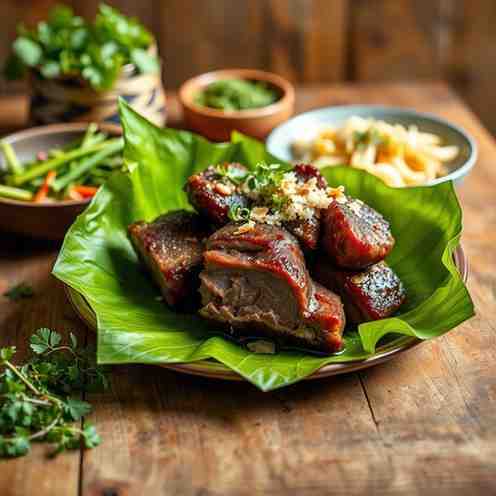
- Serves: 6 People
- Prepare Time: 30 minutes
- Cooking Time: 3 hours 30
- Calories: -
- Difficulty: Medium
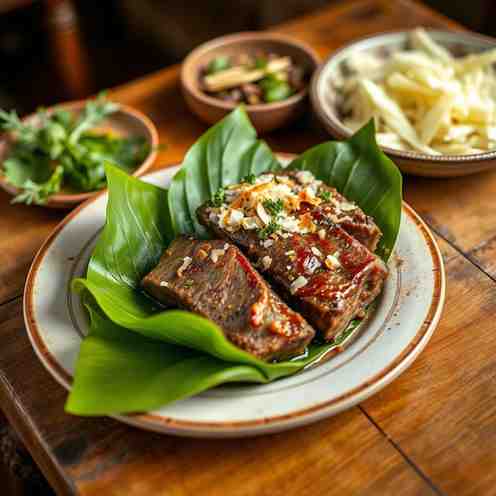
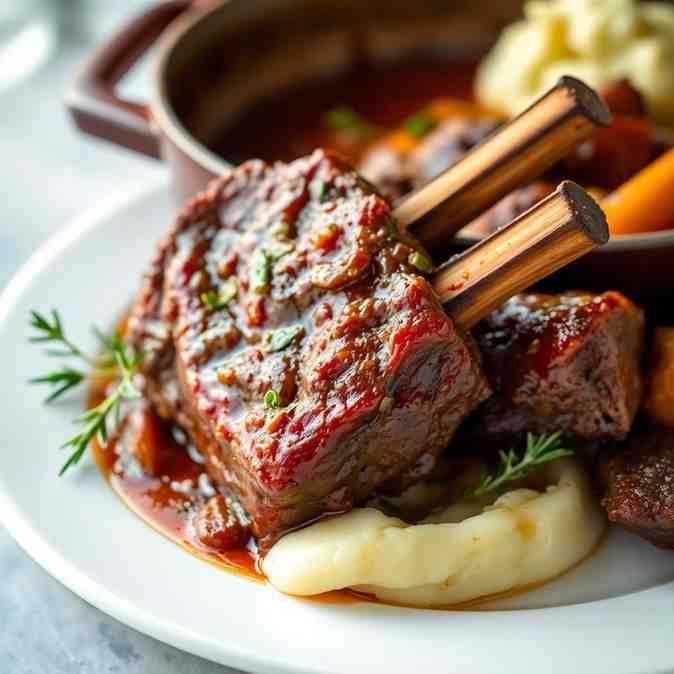
Welcome to a culinary journey to the heart of Samoa! If you've been searching for an authentic, melt-in-your-mouth recipe for pork short ribs that truly captures the spirit of the islands, you've landed in the right spot. Forget those generic chicken or palusami recipes; today, we're diving deep into the art of making Traditional Samoan Pork in Banana Leaves, known as Taisi Puaʻa. This isn't just a meal; it's an experience rooted in generations of Samoan tradition, often prepared in an umu (earth oven), where meats are slow-cooked to perfection, infused with aromatic spices and the subtle, earthy essence of banana leaves.
While many recipes might touch upon similar techniques, our focus is squarely on crafting the most tender, flavorful pork short ribs you've ever tasted. We'll guide you through preparing succulent boneless pork ribs, marinating them in a rich coconut cream and spice blend, and wrapping them expertly in banana leaves before slow-cooking them to absolute perfection. Whether you choose the traditional umu or a modern oven method for your roasted pork ribs, this comprehensive guide ensures you'll create a dish that honors Samoan heritage and delights your taste buds. Get ready to transform humble boneless country ribs into an unforgettable feast!
Ingredients
Directions
- Prepare the Banana Leaves
- Clean: Gently wipe both sides of each banana leaf with a damp cloth to remove any dirt.
- Soften: To make them pliable and prevent tearing, you need to soften the leaves. You can do this by briefly passing them over a low flame (like a gas burner) until they change color and become shiny, or by submerging them in hot water for a few minutes, or even by placing them in a warm oven (around 250°F / 120°C) for 5-10 minutes until they become flexible. (Alt text optimized images: Image of cleaning banana leaves, Image of softening banana leaves over a flame).
- Prep: Trim any tough edges or thick central veins. Cut the leaves into approximately 12x12-inch (30x30 cm) squares, ensuring you have enough to make double layers for each parcel.
- Marinating the Pork
- In a large bowl, combine the pork chunks, coconut cream, chopped onion, minced garlic, grated ginger, chopped chili (if using), curry powder, turmeric, sea salt, and black pepper.
- Mix everything thoroughly, ensuring all the pork is well coated in the fragrant marinade.
- Cover the bowl and refrigerate for at least 2 hours, or ideally overnight, to allow the flavors to deeply infuse into the pork. This step is crucial for tender, flavorful slow cooked short ribs.
- Wrapping the Parcels
- Lay two banana leaf squares on top of each other, slightly overlapping, to create a stronger base.
- Place a generous portion (about 1/2 to 3/4 cup) of marinated pork and some of the marinade liquid in the center of the banana leaves.
- Fold one side of the banana leaves over the pork, then the opposite side, creating a neat package. Fold the remaining two sides to completely enclose the pork. (Alt text optimized images: Image of pork on banana leaves, Step-by-step images of folding banana leaf parcels).
- Secure each parcel tightly with kitchen twine, tying it like a gift, or wrap it securely in aluminum foil if using. This prevents leaks and keeps the moisture in.
- Cooking Methods
- Oven Method (Recommended for Home Cooks):
- Preheat your oven to 325°F (160°C).
- Arrange the banana leaf parcels in a single layer in a large baking dish or roasting pan.
- Pour about 1/2 cup of water into the bottom of the baking dish (this helps create steam and prevents drying).
- Cover the baking dish tightly with aluminum foil.
- Bake for 3 to 3.5 hours, or until the pork is incredibly tender and easily pulls apart with a fork. This method yields delicious slow cook boneless pork ribs in oven.
- Traditional Umu Overview (for reference):
- An umu is an earth oven where hot rocks are used to slow-cook food. Parcels would be placed directly on the hot rocks, covered with more hot rocks, then banana leaves, and finally soil to trap the heat and steam. This method requires significant preparation and expertise.
- Internal Temperature Targets: The pork should reach an internal temperature of at least 145°F (63°C) for safety, but for fall-apart tender results, it should be cooked to 190-205°F (88-96°C). Use an instant-read thermometer.
- Resting & Serving
- Once cooked, carefully remove the parcels from the oven. Let them rest, still wrapped, for 10-15 minutes. This allows the juices to redistribute, ensuring maximum tenderness.
- Unwrap the parcels. The pork will be incredibly tender and swimming in a flavorful, creamy sauce.
- Serve hot with traditional accompaniments like cooked taro, steamed rice, or roasted breadfruit. A squeeze of fresh lime juice can add a bright contrast.
Samoan Pork Short Ribs Recipe - Slow-Cooked in Banana Leaves
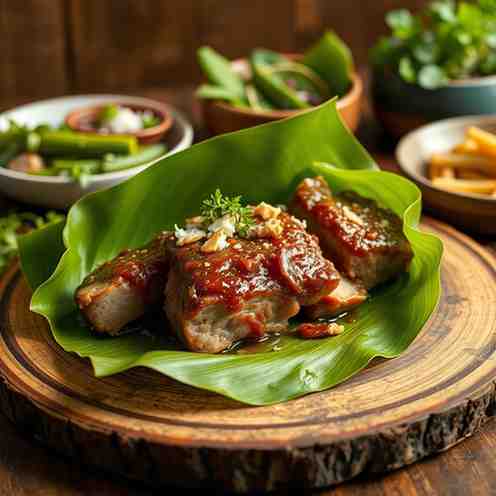
- Serves: 6 People
- Prepare Time: 30 minutes
- Cooking Time: 3 hours 30
- Calories: -
- Difficulty: Medium
Welcome to a culinary journey to the heart of Samoa! If you've been searching for an authentic, melt-in-your-mouth recipe for pork short ribs that truly captures the spirit of the islands, you've landed in the right spot. Forget those generic chicken or palusami recipes; today, we're diving deep into the art of making Traditional Samoan Pork in Banana Leaves, known as Taisi Puaʻa. This isn't just a meal; it's an experience rooted in generations of Samoan tradition, often prepared in an umu (earth oven), where meats are slow-cooked to perfection, infused with aromatic spices and the subtle, earthy essence of banana leaves.
While many recipes might touch upon similar techniques, our focus is squarely on crafting the most tender, flavorful pork short ribs you've ever tasted. We'll guide you through preparing succulent boneless pork ribs, marinating them in a rich coconut cream and spice blend, and wrapping them expertly in banana leaves before slow-cooking them to absolute perfection. Whether you choose the traditional umu or a modern oven method for your roasted pork ribs, this comprehensive guide ensures you'll create a dish that honors Samoan heritage and delights your taste buds. Get ready to transform humble boneless country ribs into an unforgettable feast!
Ingredients
Directions
- Prepare the Banana Leaves
- Clean: Gently wipe both sides of each banana leaf with a damp cloth to remove any dirt.
- Soften: To make them pliable and prevent tearing, you need to soften the leaves. You can do this by briefly passing them over a low flame (like a gas burner) until they change color and become shiny, or by submerging them in hot water for a few minutes, or even by placing them in a warm oven (around 250°F / 120°C) for 5-10 minutes until they become flexible. (Alt text optimized images: Image of cleaning banana leaves, Image of softening banana leaves over a flame).
- Prep: Trim any tough edges or thick central veins. Cut the leaves into approximately 12x12-inch (30x30 cm) squares, ensuring you have enough to make double layers for each parcel.
- Marinating the Pork
- In a large bowl, combine the pork chunks, coconut cream, chopped onion, minced garlic, grated ginger, chopped chili (if using), curry powder, turmeric, sea salt, and black pepper.
- Mix everything thoroughly, ensuring all the pork is well coated in the fragrant marinade.
- Cover the bowl and refrigerate for at least 2 hours, or ideally overnight, to allow the flavors to deeply infuse into the pork. This step is crucial for tender, flavorful slow cooked short ribs.
- Wrapping the Parcels
- Lay two banana leaf squares on top of each other, slightly overlapping, to create a stronger base.
- Place a generous portion (about 1/2 to 3/4 cup) of marinated pork and some of the marinade liquid in the center of the banana leaves.
- Fold one side of the banana leaves over the pork, then the opposite side, creating a neat package. Fold the remaining two sides to completely enclose the pork. (Alt text optimized images: Image of pork on banana leaves, Step-by-step images of folding banana leaf parcels).
- Secure each parcel tightly with kitchen twine, tying it like a gift, or wrap it securely in aluminum foil if using. This prevents leaks and keeps the moisture in.
- Cooking Methods
- Oven Method (Recommended for Home Cooks):
- Preheat your oven to 325°F (160°C).
- Arrange the banana leaf parcels in a single layer in a large baking dish or roasting pan.
- Pour about 1/2 cup of water into the bottom of the baking dish (this helps create steam and prevents drying).
- Cover the baking dish tightly with aluminum foil.
- Bake for 3 to 3.5 hours, or until the pork is incredibly tender and easily pulls apart with a fork. This method yields delicious slow cook boneless pork ribs in oven.
- Traditional Umu Overview (for reference):
- An umu is an earth oven where hot rocks are used to slow-cook food. Parcels would be placed directly on the hot rocks, covered with more hot rocks, then banana leaves, and finally soil to trap the heat and steam. This method requires significant preparation and expertise.
- Internal Temperature Targets: The pork should reach an internal temperature of at least 145°F (63°C) for safety, but for fall-apart tender results, it should be cooked to 190-205°F (88-96°C). Use an instant-read thermometer.
- Resting & Serving
- Once cooked, carefully remove the parcels from the oven. Let them rest, still wrapped, for 10-15 minutes. This allows the juices to redistribute, ensuring maximum tenderness.
- Unwrap the parcels. The pork will be incredibly tender and swimming in a flavorful, creamy sauce.
- Serve hot with traditional accompaniments like cooked taro, steamed rice, or roasted breadfruit. A squeeze of fresh lime juice can add a bright contrast.
You may also like

Hey there! I’m just someone who seriously loves good food and believes that cooking doesn’t have to be complicated to be amazing. Whether it’s a quick weeknight dinner or a cozy weekend meal, I’m all about sharing easy, tasty recipes that actually work.