
Tender & Juicy Slow-Cooked Pork with Veggies
Tender & Juicy Slow-Cooked Pork with Veggies
- Serves: 6 People
- Prepare Time: 20 minutes
- Cooking Time: 4-8 hours
- Calories: -
- Difficulty: Easy
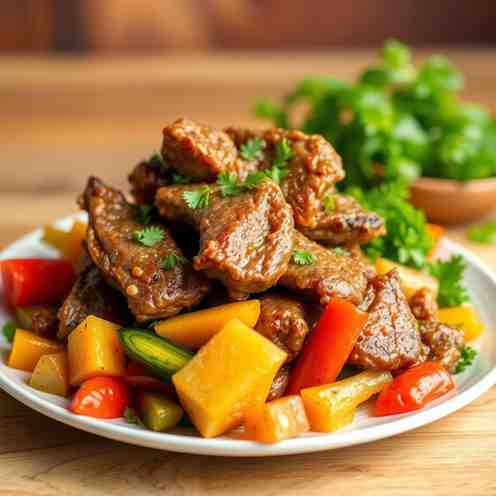
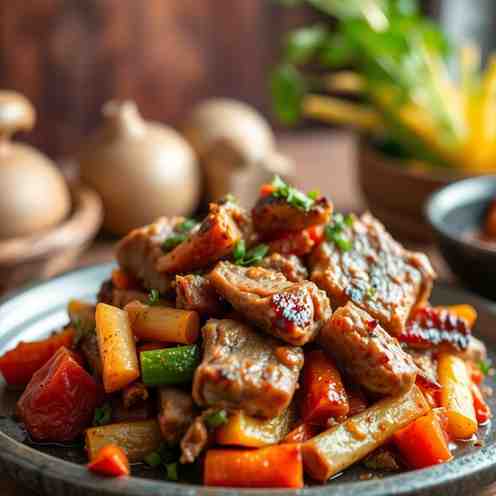
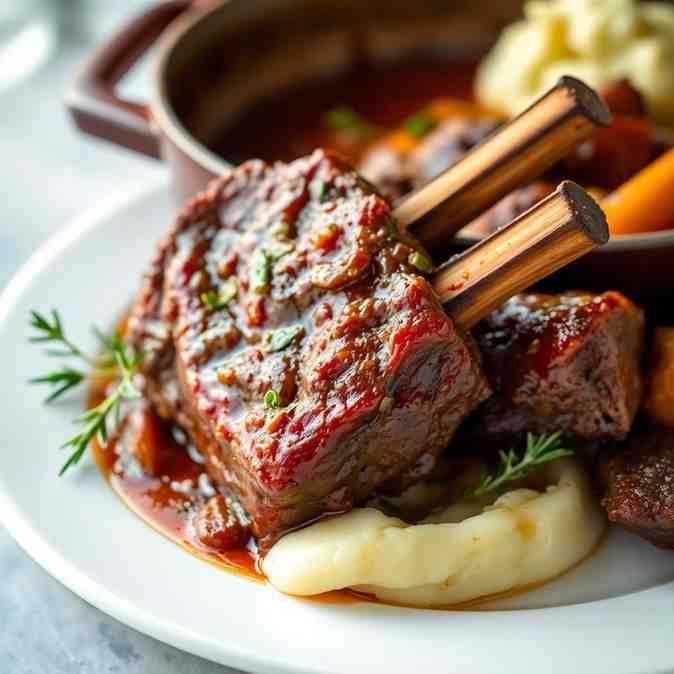
Welcome to your new favorite one-pot meal! This slow-cooked pork with vegetables recipe is the epitome of cozy, healthy-ish comfort food. Imagine succulent, fall-apart pork swimming in a rich, savory sauce alongside perfectly tender vegetables. It's largely hands-off, packed with nutritious goodness, and makes fantastic leftovers that taste even better the next day. Whether you're looking for recipes with protein and vegetables for an easy weeknight dinner or a healthy meal prep option, this dish delivers.
What makes this recipe so reliable? We've mapped out the ideal timing for both sturdy and quick-cooking vegetables, ensuring everything reaches peak tenderness without turning to mush. Plus, we'll give you clear doneness cues so you can be confident your pork is always perfectly juicy. Get ready to enjoy a truly delicious and easy healthy food to cook that feels gourmet but is simple enough for anyone to master!
Best for: Weeknights, Meal Prep, Healthy Home Cooked Recipes
Slow cooking is a magical process, especially for tougher cuts of meat. The prolonged, gentle heat slowly breaks down the connective tissues in the pork, transforming it from something chewy into incredibly tender, melt-in-your-mouth perfection. This low-and-slow method also allows the meat to retain its moisture, resulting in a wonderfully juicy texture that's hard to achieve with quicker cooking methods. It's the secret behind why this delicious healthy meal tastes so good!
Adding vegetables at the right time is just as important. Sturdy root vegetables like carrots and potatoes need plenty of time to soften and absorb the rich flavors of the sauce, so they go in early. More delicate, quick-cooking vegetables like green beans or zucchini are added towards the end, ensuring they cook through but remain vibrant and aren't overcooked or mushy. This thoughtful timing is key to a balanced, flavorful, and texturally pleasing dish.
Ingredients
Directions
- Prep and SeasonPat the pork shoulder dry with paper towels. Trim any large, obvious pieces of excess fat, but don't over-trim – some fat adds flavor and moisture. Cut the pork into 2-inch chunks. Season the pork generously all over with 1 teaspoon salt and 1/2 teaspoon black pepper.
- Optional Sear (for extra flavor)If you have a large skillet, heat 1 tablespoon of olive oil over medium-high heat. Sear the pork chunks in batches for 2-3 minutes per side, just until lightly browned. This quick browning develops a deeper, richer flavor (the Maillard reaction) for your healthy and flavorful recipes. Transfer the seared pork to your 6-quart slow cooker. This step is optional, but highly recommended for an extra layer of deliciousness.
- Build the Slow Cooker BaseIf you skipped searing, add the olive oil to the slow cooker (or use the same skillet if you seared). Add the chopped onion and cook on high (if using the slow cooker) or medium heat (if using a skillet) for 5 minutes until softened. Stir in the minced garlic and cook for another minute until fragrant. Transfer to the slow cooker if using a skillet.Stir in the chicken or vegetable broth, tomato paste, smoked paprika, oregano, thyme, and bay leaf. Whisk gently to combine the tomato paste fully into the liquid.
- Cook (with a clear timing plan)Add the seasoned pork chunks back into the slow cooker (if you seared them). Add the "sturdy vegetables" – potatoes, carrots, and celery – to the slow cooker around the pork. Stir gently to coat everything with the sauce.Cover and cook on LOW for 7-8 hours or on HIGH for 4-5 hours, until the pork is incredibly fork-tender.
- Add Quick-Cooking Vegetables Near the EndAbout 30-45 minutes before the end of the cooking time (when the pork is already very tender), stir in the "quick-cooking vegetables" – green beans, zucchini, and frozen peas. If using optional chickpeas/white beans, add them now too. Cover and continue to cook until these vegetables are just tender-crisp.
- Finish the SauceOnce the pork and all vegetables are cooked, carefully remove the bay leaf. Taste the sauce and adjust salt and pepper as needed. Stir in the fresh lemon juice or red wine vinegar to brighten the flavors – this acid finisher really makes the dish pop!If you prefer a thicker sauce, you can make a simple slurry: In a small bowl, whisk 1 tablespoon of cornstarch with 2 tablespoons of cold water until smooth. Stir this slurry into the hot sauce in the slow cooker. Cook on high for another 15-20 minutes, stirring occasionally, until the sauce has thickened to your desired consistency.
- ServeLadle generous portions of the tender pork, cooked vegetables, and rich sauce into bowls. Garnish with fresh parsley if desired. Enjoy your healthy food recipe easy masterpiece!
- How to Know When the Pork is DoneThe ultimate test for slow-cooked pork shoulder is its tenderness.
- Internal Temperature Guidance: While not strictly necessary for fork-tender results, pork is safely cooked when it reaches an internal temperature of 145°F (63°C). However, for truly fall-apart slow-cooked pork, you want it to reach a higher temperature, usually around 190-205°F (88-96°C), where the collagen has fully broken down. Use an instant-read thermometer inserted into the thickest part of the meat.
- Fork-Tender Cues: The best way to tell if it's done is when you can easily shred the pork with two forks or cut it with the side of a fork with very little resistance. It should practically fall apart.
- What "still tough" means: If the pork is still tough or chewy, it simply needs more time. Don't rush it! Cover the slow cooker and continue cooking for another 30-60 minutes, then test again. The magic of slow cooking is patience.
Tender & Juicy Slow-Cooked Pork with Veggies
- Serves: 6 People
- Prepare Time: 20 minutes
- Cooking Time: 4-8 hours
- Calories: -
- Difficulty: Easy
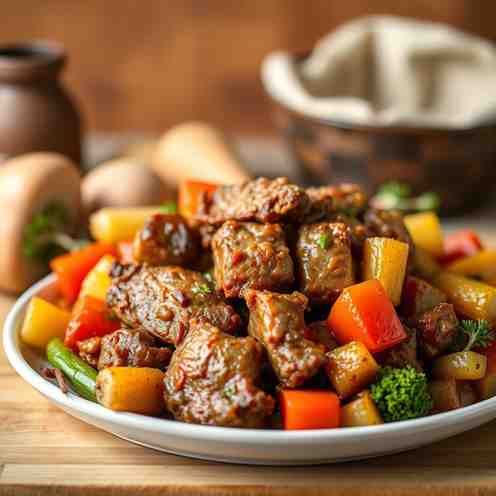
Welcome to your new favorite one-pot meal! This slow-cooked pork with vegetables recipe is the epitome of cozy, healthy-ish comfort food. Imagine succulent, fall-apart pork swimming in a rich, savory sauce alongside perfectly tender vegetables. It's largely hands-off, packed with nutritious goodness, and makes fantastic leftovers that taste even better the next day. Whether you're looking for recipes with protein and vegetables for an easy weeknight dinner or a healthy meal prep option, this dish delivers.
What makes this recipe so reliable? We've mapped out the ideal timing for both sturdy and quick-cooking vegetables, ensuring everything reaches peak tenderness without turning to mush. Plus, we'll give you clear doneness cues so you can be confident your pork is always perfectly juicy. Get ready to enjoy a truly delicious and easy healthy food to cook that feels gourmet but is simple enough for anyone to master!
Best for: Weeknights, Meal Prep, Healthy Home Cooked Recipes
Slow cooking is a magical process, especially for tougher cuts of meat. The prolonged, gentle heat slowly breaks down the connective tissues in the pork, transforming it from something chewy into incredibly tender, melt-in-your-mouth perfection. This low-and-slow method also allows the meat to retain its moisture, resulting in a wonderfully juicy texture that's hard to achieve with quicker cooking methods. It's the secret behind why this delicious healthy meal tastes so good!
Adding vegetables at the right time is just as important. Sturdy root vegetables like carrots and potatoes need plenty of time to soften and absorb the rich flavors of the sauce, so they go in early. More delicate, quick-cooking vegetables like green beans or zucchini are added towards the end, ensuring they cook through but remain vibrant and aren't overcooked or mushy. This thoughtful timing is key to a balanced, flavorful, and texturally pleasing dish.
Ingredients
Directions
- Prep and SeasonPat the pork shoulder dry with paper towels. Trim any large, obvious pieces of excess fat, but don't over-trim – some fat adds flavor and moisture. Cut the pork into 2-inch chunks. Season the pork generously all over with 1 teaspoon salt and 1/2 teaspoon black pepper.
- Optional Sear (for extra flavor)If you have a large skillet, heat 1 tablespoon of olive oil over medium-high heat. Sear the pork chunks in batches for 2-3 minutes per side, just until lightly browned. This quick browning develops a deeper, richer flavor (the Maillard reaction) for your healthy and flavorful recipes. Transfer the seared pork to your 6-quart slow cooker. This step is optional, but highly recommended for an extra layer of deliciousness.
- Build the Slow Cooker BaseIf you skipped searing, add the olive oil to the slow cooker (or use the same skillet if you seared). Add the chopped onion and cook on high (if using the slow cooker) or medium heat (if using a skillet) for 5 minutes until softened. Stir in the minced garlic and cook for another minute until fragrant. Transfer to the slow cooker if using a skillet.Stir in the chicken or vegetable broth, tomato paste, smoked paprika, oregano, thyme, and bay leaf. Whisk gently to combine the tomato paste fully into the liquid.
- Cook (with a clear timing plan)Add the seasoned pork chunks back into the slow cooker (if you seared them). Add the "sturdy vegetables" – potatoes, carrots, and celery – to the slow cooker around the pork. Stir gently to coat everything with the sauce.Cover and cook on LOW for 7-8 hours or on HIGH for 4-5 hours, until the pork is incredibly fork-tender.
- Add Quick-Cooking Vegetables Near the EndAbout 30-45 minutes before the end of the cooking time (when the pork is already very tender), stir in the "quick-cooking vegetables" – green beans, zucchini, and frozen peas. If using optional chickpeas/white beans, add them now too. Cover and continue to cook until these vegetables are just tender-crisp.
- Finish the SauceOnce the pork and all vegetables are cooked, carefully remove the bay leaf. Taste the sauce and adjust salt and pepper as needed. Stir in the fresh lemon juice or red wine vinegar to brighten the flavors – this acid finisher really makes the dish pop!If you prefer a thicker sauce, you can make a simple slurry: In a small bowl, whisk 1 tablespoon of cornstarch with 2 tablespoons of cold water until smooth. Stir this slurry into the hot sauce in the slow cooker. Cook on high for another 15-20 minutes, stirring occasionally, until the sauce has thickened to your desired consistency.
- ServeLadle generous portions of the tender pork, cooked vegetables, and rich sauce into bowls. Garnish with fresh parsley if desired. Enjoy your healthy food recipe easy masterpiece!
- How to Know When the Pork is DoneThe ultimate test for slow-cooked pork shoulder is its tenderness.
- Internal Temperature Guidance: While not strictly necessary for fork-tender results, pork is safely cooked when it reaches an internal temperature of 145°F (63°C). However, for truly fall-apart slow-cooked pork, you want it to reach a higher temperature, usually around 190-205°F (88-96°C), where the collagen has fully broken down. Use an instant-read thermometer inserted into the thickest part of the meat.
- Fork-Tender Cues: The best way to tell if it's done is when you can easily shred the pork with two forks or cut it with the side of a fork with very little resistance. It should practically fall apart.
- What "still tough" means: If the pork is still tough or chewy, it simply needs more time. Don't rush it! Cover the slow cooker and continue cooking for another 30-60 minutes, then test again. The magic of slow cooking is patience.
You may also like


Hey there! I’m just someone who seriously loves good food and believes that cooking doesn’t have to be complicated to be amazing. Whether it’s a quick weeknight dinner or a cozy weekend meal, I’m all about sharing easy, tasty recipes that actually work.