
Stuffed Pigeon - Egyptian Hamam Mahshi Recipe
Stuffed Pigeon - Egyptian Hamam Mahshi Recipe
- Serves: 2 People
- Prepare Time: 30 minutes
- Cooking Time: 1 hour 30 m
- Calories: -
- Difficulty: Medium
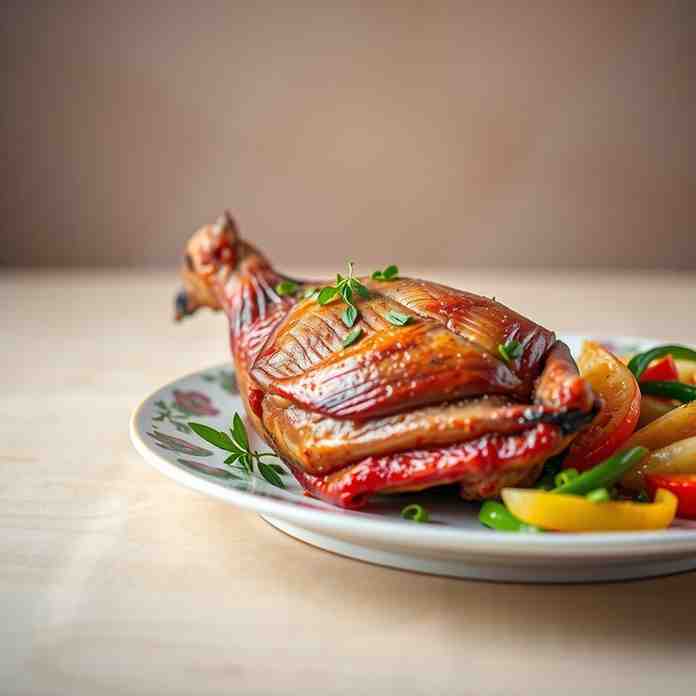
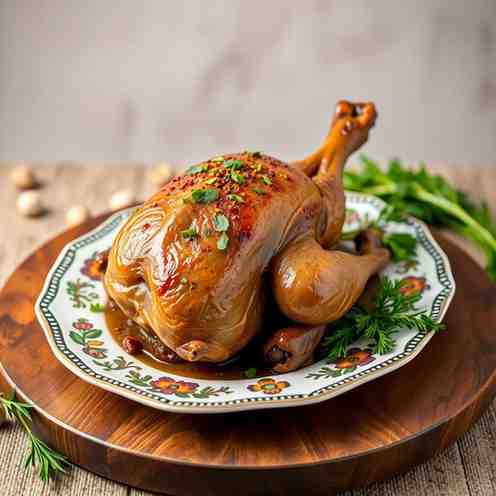
Welcome to the heart of Egyptian culinary tradition! Today, we're diving into Stuffed Pigeon, known locally as Hamam Mahshi. This isn't just any meal; it's a cherished Egyptian main dish, often reserved for celebrations, family gatherings, and special occasions. Imagine perfectly seasoned, tender pigeon with crispy skin, brimming with a fragrant, spiced rice filling that's bursting with savory flavors. It’s a truly unique and incredibly satisfying experience, a testament to the rich tapestry of Middle Eastern cuisine.
Many might find the idea of cooking pigeon a little intimidating, but trust me, it’s much simpler than you think. This recipe for Hamam Mahshi will show you exactly how to stuff it, seal it, cook it tender, and crisp the skin—all without any mystery spices or complicated techniques. Get ready to impress your taste buds and your guests with this authentic taste of Egypt!
So, what exactly is Hamam Mahshi? At its core, it's a whole pigeon or squab, meticulously deboned (or partially deboned) and stuffed with a delicious grain-based mixture, then cooked until incredibly tender. While rice is the most traditional and popular stuffing, you might also find variations using freekeh (ferik) or bulgur wheat, especially in other parts of the Middle East. The magic lies in the aromatic spice profile and the careful cooking process that results in succulent meat and a flavorful filling. It's a dish that speaks volumes about hospitality and the joy of sharing good food.
Ingredients
Directions
- Prep the Birds (5-10 min):
- Thoroughly pat the cleaned pigeons dry, inside and out, with paper towels. This helps the skin crisp up later.
- Season the inside and outside of each bird with the grated onion, ½ teaspoon salt, and ¼ teaspoon black pepper. Rub it in well.
- If you have the giblets, chop them finely. Set aside.
- Start the Stuffing Base:
- In a large skillet, melt 2 tablespoons of ghee over medium heat.
- Add the finely chopped onion and sauté until softened and translucent, about 5-7 minutes.
- If using, add the chopped giblets and cook for another 3-5 minutes until lightly browned.
- Par-Cook the Rice Correctly:
- Add the rinsed rice to the skillet with the onions and giblets. Stir well to coat the rice.
- Stir in the remaining ½ teaspoon salt, ¼ teaspoon black pepper, paprika, cinnamon, and Middle Eastern mixed spice. Cook for 1 minute, stirring constantly, to toast the spices lightly.
- Add 1 cup of water or broth to the rice mixture. Bring to a simmer, then reduce heat to low, cover, and cook for about 5-7 minutes, or until the liquid is mostly absorbed and the rice is about "half cooked." It should still be firm with a slight bite, as it will finish cooking inside the bird.
- If using, stir in the pine nuts and raisins now.
- Mix Stuffing & Cool:
- Remove the skillet from the heat. Transfer the rice stuffing to a shallow dish or plate to cool down for at least 10-15 minutes. Cooling the stuffing prevents it from tearing the delicate pigeon skin during stuffing and ensures even cooking.
- Stuffing Technique (Mini-Tutorial):
- Once the stuffing is cool enough to handle, carefully spoon it into the cavity of each pigeon.
- How much to put in the cavity: Do not overstuff! Leave about 1-2 inches of space at the opening, as the rice will expand as it finishes cooking. Gently push the stuffing towards the breast cavity.
- Optional: a little stuffing under breast skin: If your pigeon skin separates easily from the breast meat, you can gently push a small amount of stuffing under the breast skin. Be very careful not to tear the skin. This adds extra flavor and keeps the breast moist.
- Seal the Opening (Choose One):
- Once stuffed, you need to seal the opening to keep the rice inside.
- Option 1 (Toothpicks): Use 2-3 toothpicks to skewer the skin closed, overlapping the edges.
- Option 2 (Kitchen Twine): Thread a trussing needle with kitchen twine and sew the opening shut with a few stitches, or simply tie the legs together and wrap twine around the opening to secure it.
- Simmer Until Tender:
- In your large pot, bring 6-8 cups of water or chicken broth to a boil.
- Add the roughly chopped ½ onion, bay leaf, and optional carrot to the broth. Season lightly with salt.
- Carefully lower the stuffed pigeons into the simmering broth. Ensure they are fully submerged.
- Reduce the heat to low, cover the pot, and simmer gently for 1 hour to 1 hour 15 minutes.
- What to look for: The pigeons are done when the meat is very tender and an instant-read thermometer inserted into the thickest part of the thigh (without touching bone) registers 165°F (74°C).
- Crisp the Skin (One Finish):
- Carefully remove the cooked pigeons from the broth using tongs. Discard the toothpicks or twine.
- Primary Finish (Pan-Brown): In a clean skillet, melt 1 tablespoon of ghee over medium-high heat. Place the pigeons breast-side down and pan-fry for 5-7 minutes until the skin is beautifully golden brown and crispy. Flip and brown the other side for another 3-5 minutes.
- Brief Note (Quick Broil): Alternatively, you can place the pigeons on a roasting pan and broil them for 5-10 minutes, flipping once, until the skin is golden and crisp. Watch carefully to prevent burning.
- Rest & Serve:
- Once crisped, transfer the pigeons to a cutting board and let them rest for 5-10 minutes. This allows the juices to redistribute, ensuring tender, moist meat.
- Serve whole, with any pan juices or a drizzle of the simmering broth alongside.
Stuffed Pigeon - Egyptian Hamam Mahshi Recipe
- Serves: 2 People
- Prepare Time: 30 minutes
- Cooking Time: 1 hour 30 m
- Calories: -
- Difficulty: Medium
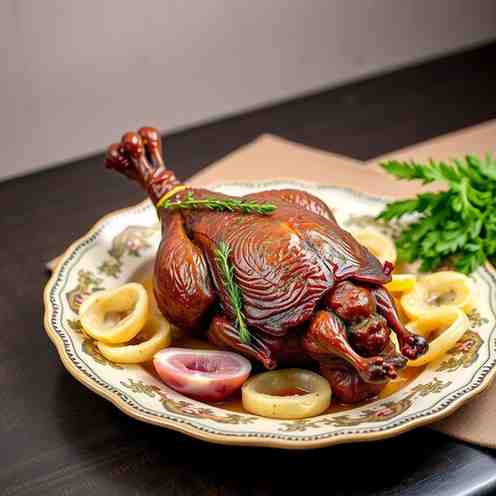
Welcome to the heart of Egyptian culinary tradition! Today, we're diving into Stuffed Pigeon, known locally as Hamam Mahshi. This isn't just any meal; it's a cherished Egyptian main dish, often reserved for celebrations, family gatherings, and special occasions. Imagine perfectly seasoned, tender pigeon with crispy skin, brimming with a fragrant, spiced rice filling that's bursting with savory flavors. It’s a truly unique and incredibly satisfying experience, a testament to the rich tapestry of Middle Eastern cuisine.
Many might find the idea of cooking pigeon a little intimidating, but trust me, it’s much simpler than you think. This recipe for Hamam Mahshi will show you exactly how to stuff it, seal it, cook it tender, and crisp the skin—all without any mystery spices or complicated techniques. Get ready to impress your taste buds and your guests with this authentic taste of Egypt!
So, what exactly is Hamam Mahshi? At its core, it's a whole pigeon or squab, meticulously deboned (or partially deboned) and stuffed with a delicious grain-based mixture, then cooked until incredibly tender. While rice is the most traditional and popular stuffing, you might also find variations using freekeh (ferik) or bulgur wheat, especially in other parts of the Middle East. The magic lies in the aromatic spice profile and the careful cooking process that results in succulent meat and a flavorful filling. It's a dish that speaks volumes about hospitality and the joy of sharing good food.
Ingredients
Directions
- Prep the Birds (5-10 min):
- Thoroughly pat the cleaned pigeons dry, inside and out, with paper towels. This helps the skin crisp up later.
- Season the inside and outside of each bird with the grated onion, ½ teaspoon salt, and ¼ teaspoon black pepper. Rub it in well.
- If you have the giblets, chop them finely. Set aside.
- Start the Stuffing Base:
- In a large skillet, melt 2 tablespoons of ghee over medium heat.
- Add the finely chopped onion and sauté until softened and translucent, about 5-7 minutes.
- If using, add the chopped giblets and cook for another 3-5 minutes until lightly browned.
- Par-Cook the Rice Correctly:
- Add the rinsed rice to the skillet with the onions and giblets. Stir well to coat the rice.
- Stir in the remaining ½ teaspoon salt, ¼ teaspoon black pepper, paprika, cinnamon, and Middle Eastern mixed spice. Cook for 1 minute, stirring constantly, to toast the spices lightly.
- Add 1 cup of water or broth to the rice mixture. Bring to a simmer, then reduce heat to low, cover, and cook for about 5-7 minutes, or until the liquid is mostly absorbed and the rice is about "half cooked." It should still be firm with a slight bite, as it will finish cooking inside the bird.
- If using, stir in the pine nuts and raisins now.
- Mix Stuffing & Cool:
- Remove the skillet from the heat. Transfer the rice stuffing to a shallow dish or plate to cool down for at least 10-15 minutes. Cooling the stuffing prevents it from tearing the delicate pigeon skin during stuffing and ensures even cooking.
- Stuffing Technique (Mini-Tutorial):
- Once the stuffing is cool enough to handle, carefully spoon it into the cavity of each pigeon.
- How much to put in the cavity: Do not overstuff! Leave about 1-2 inches of space at the opening, as the rice will expand as it finishes cooking. Gently push the stuffing towards the breast cavity.
- Optional: a little stuffing under breast skin: If your pigeon skin separates easily from the breast meat, you can gently push a small amount of stuffing under the breast skin. Be very careful not to tear the skin. This adds extra flavor and keeps the breast moist.
- Seal the Opening (Choose One):
- Once stuffed, you need to seal the opening to keep the rice inside.
- Option 1 (Toothpicks): Use 2-3 toothpicks to skewer the skin closed, overlapping the edges.
- Option 2 (Kitchen Twine): Thread a trussing needle with kitchen twine and sew the opening shut with a few stitches, or simply tie the legs together and wrap twine around the opening to secure it.
- Simmer Until Tender:
- In your large pot, bring 6-8 cups of water or chicken broth to a boil.
- Add the roughly chopped ½ onion, bay leaf, and optional carrot to the broth. Season lightly with salt.
- Carefully lower the stuffed pigeons into the simmering broth. Ensure they are fully submerged.
- Reduce the heat to low, cover the pot, and simmer gently for 1 hour to 1 hour 15 minutes.
- What to look for: The pigeons are done when the meat is very tender and an instant-read thermometer inserted into the thickest part of the thigh (without touching bone) registers 165°F (74°C).
- Crisp the Skin (One Finish):
- Carefully remove the cooked pigeons from the broth using tongs. Discard the toothpicks or twine.
- Primary Finish (Pan-Brown): In a clean skillet, melt 1 tablespoon of ghee over medium-high heat. Place the pigeons breast-side down and pan-fry for 5-7 minutes until the skin is beautifully golden brown and crispy. Flip and brown the other side for another 3-5 minutes.
- Brief Note (Quick Broil): Alternatively, you can place the pigeons on a roasting pan and broil them for 5-10 minutes, flipping once, until the skin is golden and crisp. Watch carefully to prevent burning.
- Rest & Serve:
- Once crisped, transfer the pigeons to a cutting board and let them rest for 5-10 minutes. This allows the juices to redistribute, ensuring tender, moist meat.
- Serve whole, with any pan juices or a drizzle of the simmering broth alongside.
You may also like


Hey there! I’m just someone who seriously loves good food and believes that cooking doesn’t have to be complicated to be amazing. Whether it’s a quick weeknight dinner or a cozy weekend meal, I’m all about sharing easy, tasty recipes that actually work.



