Tokyo Temptations - Teriyaki Chicken Rice Bowl
Tokyo Temptations - Teriyaki Chicken Rice Bowl
- Serves: 2 People
- Prepare Time: 10 minutes
- Cooking Time: 20 minutes
- Calories: -
- Difficulty: Easy
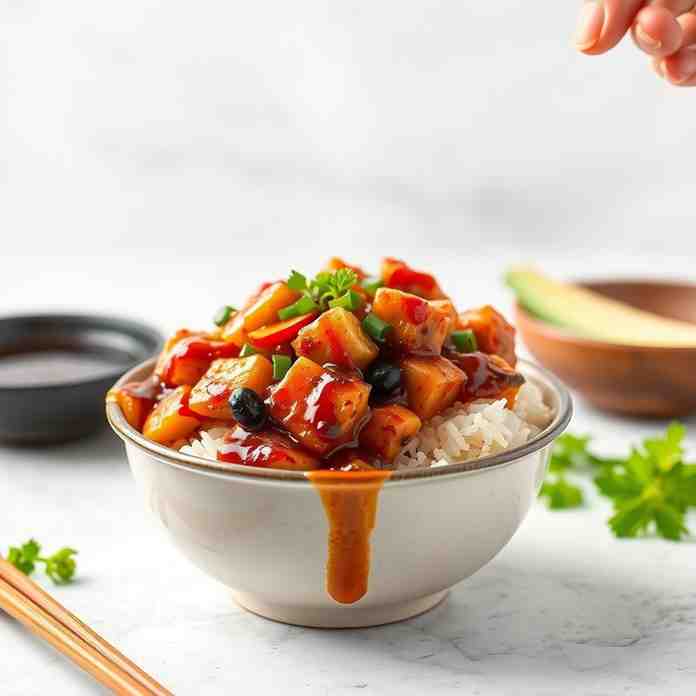
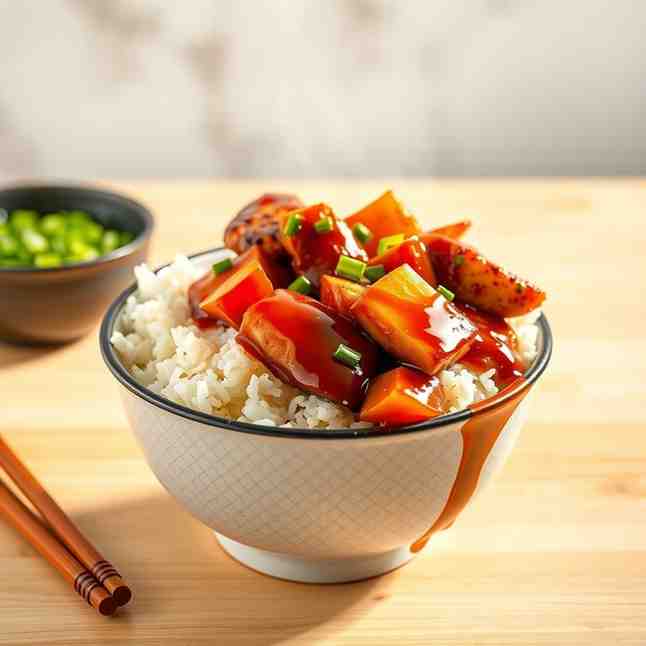
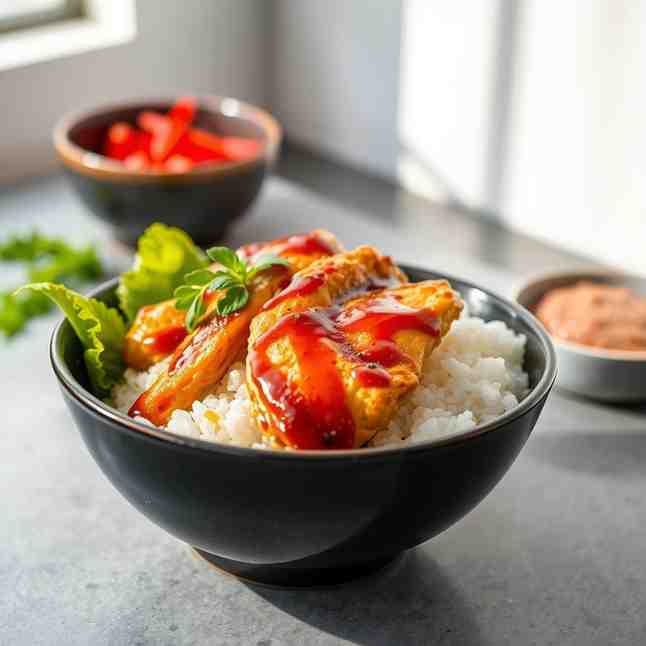
Welcome to the wonderful world of donburi, Japan's ultimate comfort food! Imagine a steaming bowl of fluffy rice, topped with a savory, saucy mix of your favorite ingredients – that's donburi in a nutshell. It's a full, satisfying meal in one bowl, perfect for busy weeknights or a cozy lunch. While many dream of a classic teriyaki chicken rice bowl or a hearty `chicken protein bowl`, today we're diving into an even more iconic dish: Oyakodon.
Oyakodon, which lovingly translates to "parent and child donburi" (from the chicken and egg), is a Japanese classic known for its speed, warmth, and incredible flavor. It’s a truly `simple chicken rice bowl recipe` that even beginners can master, bringing authentic Japanese flavors right to your kitchen. What makes our Oyakodon recipe truly special and authentic? We focus on the perfect dashi-based sauce and those gently set, silky eggs that perfectly crown a bed of hot rice. Get ready to explore the diverse `japanese food recipes chicken` has to offer, starting with this irresistible classic!
Ingredients
Directions
- Tools You'll Want (and what to use instead):
Ideal: A small skillet or traditional oyakodon pan (about 6-8 inches in diameter) with a lid. These pans are designed to cook individual portions perfectly.
Alternatives: Any 8-10 inch nonstick or well-seasoned pan will work. Just ensure it has a lid that fits snugly.
Why a lid matters: The lid is crucial for trapping steam to gently set the eggs and ensure the chicken cooks through without drying. - Prep (5–10 minutes):
1.Cook Rice: If you haven't already, start cooking your rice. Short-grain Japanese rice is preferred for its sticky texture. If using frozen cooked rice, reheat it properly.
2.Slice Onion: Thinly slice the half onion.
3.Cut Chicken: Cut the chicken thighs (or breast) into bite-sized pieces, roughly 1-inch chunks.
4.Mix Sauce: In a small cup or bowl, whisk together the dashi, soy sauce, mirin, and sake. This ensures you're not fumbling with measurements mid-cook.
5.Lightly Beat Eggs: In another small bowl, lightly beat the two room-temperature eggs. Don't over-whisk; you want to see distinct whites and yolks, not a uniform yellow. This helps achieve that beautiful marbled, silky texture. - Step 1: Simmer onion in the sauce Place your skillet (or oyakodon pan) over medium heat. Pour in the mixed sauce.
- Add the thinly sliced onion and bring the sauce to a gentle simmer. Cook for 2-3 minutes, or until the onion softens and becomes translucent.
- Step 2: Cook the chicken gently Add the bite-sized chicken pieces to the simmering sauce with the onion.
- Keep the heat at a steady, gentle simmer. Cook for 4-6 minutes, or until the chicken is mostly cooked through and no longer pink. The chicken should turn opaque. (An optional thermometer note: internal temperature should reach 165°F / 74°C). Avoid overcooking, especially if using chicken breast.
- Step 3: The egg technique (the whole point!) Lower the heat to low. This is where the magic happens!
- Pour eggs in two stages: First, pour about half of the lightly beaten eggs evenly over the chicken and onion mixture. Let it set for about 30 seconds.
- Then, pour the remaining half of the eggs over the top. This technique allows for layers of soft-set and slightly runnier egg, creating a beautiful, silky texture.
- Cover briefly: Immediately cover the pan with its lid. Cook for just 1-2 minutes.
- Turn off heat: After 1-2 minutes, turn off the heat while the eggs are still a little loose and slightly runny in the center. The residual heat (carryover cooking) will finish setting them to a perfect, soft consistency. Don't peek too early!
- Step 4: Serve like a donburi shop
- Scoop a generous portion of hot, fluffy rice into a large donburi bowl.
- Carefully slide the chicken and egg mixture directly over the rice, ensuring the beautiful egg top remains intact.
- Spoon a little extra sauce from the pan over the chicken and rice if desired.
- Garnish lightly with scallions, mitsuba, kizami nori, or a sprinkle of shichimi togarashi for extra flavor and visual appeal. A side of pickled ginger also adds a lovely contrast. Enjoy immediately!
Tokyo Temptations - Teriyaki Chicken Rice Bowl
- Serves: 2 People
- Prepare Time: 10 minutes
- Cooking Time: 20 minutes
- Calories: -
- Difficulty: Easy
Welcome to the wonderful world of donburi, Japan's ultimate comfort food! Imagine a steaming bowl of fluffy rice, topped with a savory, saucy mix of your favorite ingredients – that's donburi in a nutshell. It's a full, satisfying meal in one bowl, perfect for busy weeknights or a cozy lunch. While many dream of a classic teriyaki chicken rice bowl or a hearty `chicken protein bowl`, today we're diving into an even more iconic dish: Oyakodon.
Oyakodon, which lovingly translates to "parent and child donburi" (from the chicken and egg), is a Japanese classic known for its speed, warmth, and incredible flavor. It’s a truly `simple chicken rice bowl recipe` that even beginners can master, bringing authentic Japanese flavors right to your kitchen. What makes our Oyakodon recipe truly special and authentic? We focus on the perfect dashi-based sauce and those gently set, silky eggs that perfectly crown a bed of hot rice. Get ready to explore the diverse `japanese food recipes chicken` has to offer, starting with this irresistible classic!
Ingredients
Directions
- Tools You'll Want (and what to use instead):
Ideal: A small skillet or traditional oyakodon pan (about 6-8 inches in diameter) with a lid. These pans are designed to cook individual portions perfectly.
Alternatives: Any 8-10 inch nonstick or well-seasoned pan will work. Just ensure it has a lid that fits snugly.
Why a lid matters: The lid is crucial for trapping steam to gently set the eggs and ensure the chicken cooks through without drying. - Prep (5–10 minutes):
1.Cook Rice: If you haven't already, start cooking your rice. Short-grain Japanese rice is preferred for its sticky texture. If using frozen cooked rice, reheat it properly.
2.Slice Onion: Thinly slice the half onion.
3.Cut Chicken: Cut the chicken thighs (or breast) into bite-sized pieces, roughly 1-inch chunks.
4.Mix Sauce: In a small cup or bowl, whisk together the dashi, soy sauce, mirin, and sake. This ensures you're not fumbling with measurements mid-cook.
5.Lightly Beat Eggs: In another small bowl, lightly beat the two room-temperature eggs. Don't over-whisk; you want to see distinct whites and yolks, not a uniform yellow. This helps achieve that beautiful marbled, silky texture. - Step 1: Simmer onion in the sauce Place your skillet (or oyakodon pan) over medium heat. Pour in the mixed sauce.
- Add the thinly sliced onion and bring the sauce to a gentle simmer. Cook for 2-3 minutes, or until the onion softens and becomes translucent.
- Step 2: Cook the chicken gently Add the bite-sized chicken pieces to the simmering sauce with the onion.
- Keep the heat at a steady, gentle simmer. Cook for 4-6 minutes, or until the chicken is mostly cooked through and no longer pink. The chicken should turn opaque. (An optional thermometer note: internal temperature should reach 165°F / 74°C). Avoid overcooking, especially if using chicken breast.
- Step 3: The egg technique (the whole point!) Lower the heat to low. This is where the magic happens!
- Pour eggs in two stages: First, pour about half of the lightly beaten eggs evenly over the chicken and onion mixture. Let it set for about 30 seconds.
- Then, pour the remaining half of the eggs over the top. This technique allows for layers of soft-set and slightly runnier egg, creating a beautiful, silky texture.
- Cover briefly: Immediately cover the pan with its lid. Cook for just 1-2 minutes.
- Turn off heat: After 1-2 minutes, turn off the heat while the eggs are still a little loose and slightly runny in the center. The residual heat (carryover cooking) will finish setting them to a perfect, soft consistency. Don't peek too early!
- Step 4: Serve like a donburi shop
- Scoop a generous portion of hot, fluffy rice into a large donburi bowl.
- Carefully slide the chicken and egg mixture directly over the rice, ensuring the beautiful egg top remains intact.
- Spoon a little extra sauce from the pan over the chicken and rice if desired.
- Garnish lightly with scallions, mitsuba, kizami nori, or a sprinkle of shichimi togarashi for extra flavor and visual appeal. A side of pickled ginger also adds a lovely contrast. Enjoy immediately!
You may also like



Hey there! I’m just someone who seriously loves good food and believes that cooking doesn’t have to be complicated to be amazing. Whether it’s a quick weeknight dinner or a cozy weekend meal, I’m all about sharing easy, tasty recipes that actually work.