
Traditional Koki Corn - The Best Steamed Pudding Recipe
Traditional Koki Corn - The Best Steamed Pudding Recipe
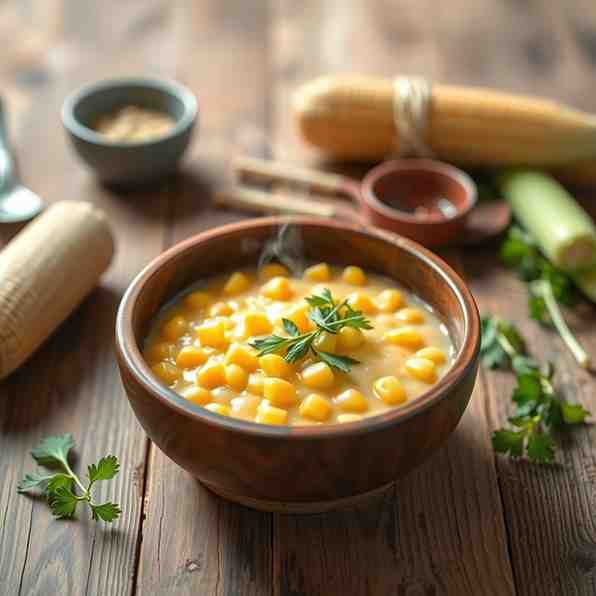
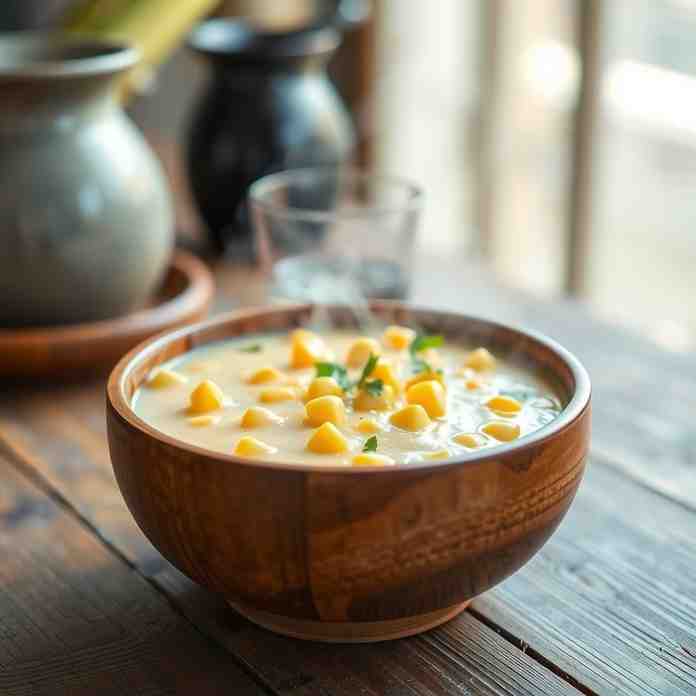
- Serves: 6 People
- Prepare Time: 25 minutes
- Cooking Time: 1 hour 30 m
- Calories: -
- Difficulty: Medium
Welcome to a culinary adventure that will transport your taste buds straight to the vibrant kitchens of Cameroon! Today, we’re diving into the delightful world of Koki Corn, a truly special and authentic dish. If you've been searching for the best recipe for corn pudding that offers something unique and incredibly flavorful, you've just found it. Koki Corn is a traditional Cameroonian fresh-corn pudding, lovingly steamed in banana leaves or corn husks, creating a moist, savory, and subtly sweet treat that’s unlike anything else.
While you might be familiar with the broader "koki" family of dishes, which includes the black-eyed pea version, this corn-based rendition holds a special place in West African cuisine. Think of it as a distant, exotic cousin to Southern creamed corn or baked corn casserole, or even a delightful variation on Mexican tamales and elote, but with its own distinct personality. What makes Koki Corn truly stand out? It’s naturally gluten-free, often vegetarian or vegan-friendly depending on how you serve it, and makes for fantastic make-ahead party food. Plus, the use of banana leaves for cooking infuses it with an earthy aroma that’s simply irresistible. Get ready to experience corn in a whole new, delicious way!
Ingredients
Directions
- Prep the Banana Leaves First things first, let's get those banana leaves ready. Rinse them thoroughly under cool water to remove any dirt or debris. To make them pliable and prevent tearing, you'll need to "temper" them. You can do this by quickly passing each leaf section over an open flame (like a gas burner) for a few seconds until it softens and darkens slightly, or by dipping them briefly in a pot of hot water. Once pliable, gently pat them dry with a clean cloth. Cut the larger leaves into rectangles, roughly 8x10 inches, and set aside some thinner strips to use as ties.
- Blend the Corn Batter If using fresh sweet corn, carefully cut the kernels off the cobs. If you're using frozen sweet corn, make sure it's fully thawed. Place the corn kernels into your blender or food processor. You’ll likely need to do this in batches. Add the chopped onion (or scallions) and hot pepper to the blender. Begin blending, adding water or stock a little at a time (start with 1/4 cup) until you achieve a thick, slightly coarse paste. It shouldn't be completely smooth like a smoothie, but rather have a bit of texture. If adding leafy greens to the batter, blend them in during the last batch, or you can fold them in later.
- Season & Enrich the Batter Transfer the blended corn mixture to a large mixing bowl. Now, it’s time to add that beautiful red palm oil. Stir it into the corn batter until the mixture is evenly tinted with its vibrant orange-red hue. Next, stir in the salt and the optional stock cube or bouillon powder. Give it a good mix. Check the consistency – it should be thicker than pancake batter but looser than dough, able to be easily spooned. If it feels too stiff, add another tablespoon or two of water until it reaches the right consistency.
- Wrap the Koki Corn Parcels Lay one of your prepared banana leaf rectangles, shiny-side up, on a clean surface. Spoon about 1/4 to 1/2 cup of the Koki Corn batter into the center of the leaf. Carefully fold one side of the leaf over the batter, then the opposite side, creating a secure package. Next, fold the top end down, and the bottom end up, sealing the parcel. If a leaf tears, simply wrap a second piece around the first for extra security. Gently tie each parcel with kitchen twine or a banana leaf strip to keep it closed during steaming.
- Steam Until Set Arrange your wrapped Koki Corn parcels in the steamer basket, making sure there's enough space for steam to circulate around them. Place the steamer basket into a large pot with water, ensuring the water level is just below the bottom of the basket – the parcels should not be submerged. Cover the pot tightly with a lid and bring the water to a boil. Reduce the heat to a steady simmer and steam for a realistic time range of 1 to 1.5 hours. Keep an eye on the water level and top it up with hot water if needed to prevent the pot from boiling dry. You'll know the Koki Corn is done when it's firm to the touch, the leaf slightly separates from the pudding, and a skewer inserted into the center comes out with only a few moist crumbs, not wet batter.
- Cool, Unwrap & Serve Once steamed, carefully remove the Koki Corn parcels from the steamer. Let them rest for a few minutes – this helps them firm up further and makes unwrapping easier. Gently unwrap each parcel, being careful to maintain its shape. Koki Corn is traditionally served alongside boiled or roasted plantains, grilled fish, chicken, or other Cameroonian main dishes. For an easy U.S. table idea, serve it with grilled chicken, roasted vegetables, or a simple green salad. Leftovers can even be sliced and pan-seared for a delicious breakfast or snack!
Traditional Koki Corn - The Best Steamed Pudding Recipe

- Serves: 6 People
- Prepare Time: 25 minutes
- Cooking Time: 1 hour 30 m
- Calories: -
- Difficulty: Medium
Welcome to a culinary adventure that will transport your taste buds straight to the vibrant kitchens of Cameroon! Today, we’re diving into the delightful world of Koki Corn, a truly special and authentic dish. If you've been searching for the best recipe for corn pudding that offers something unique and incredibly flavorful, you've just found it. Koki Corn is a traditional Cameroonian fresh-corn pudding, lovingly steamed in banana leaves or corn husks, creating a moist, savory, and subtly sweet treat that’s unlike anything else.
While you might be familiar with the broader "koki" family of dishes, which includes the black-eyed pea version, this corn-based rendition holds a special place in West African cuisine. Think of it as a distant, exotic cousin to Southern creamed corn or baked corn casserole, or even a delightful variation on Mexican tamales and elote, but with its own distinct personality. What makes Koki Corn truly stand out? It’s naturally gluten-free, often vegetarian or vegan-friendly depending on how you serve it, and makes for fantastic make-ahead party food. Plus, the use of banana leaves for cooking infuses it with an earthy aroma that’s simply irresistible. Get ready to experience corn in a whole new, delicious way!
Ingredients
Directions
- Prep the Banana Leaves First things first, let's get those banana leaves ready. Rinse them thoroughly under cool water to remove any dirt or debris. To make them pliable and prevent tearing, you'll need to "temper" them. You can do this by quickly passing each leaf section over an open flame (like a gas burner) for a few seconds until it softens and darkens slightly, or by dipping them briefly in a pot of hot water. Once pliable, gently pat them dry with a clean cloth. Cut the larger leaves into rectangles, roughly 8x10 inches, and set aside some thinner strips to use as ties.
- Blend the Corn Batter If using fresh sweet corn, carefully cut the kernels off the cobs. If you're using frozen sweet corn, make sure it's fully thawed. Place the corn kernels into your blender or food processor. You’ll likely need to do this in batches. Add the chopped onion (or scallions) and hot pepper to the blender. Begin blending, adding water or stock a little at a time (start with 1/4 cup) until you achieve a thick, slightly coarse paste. It shouldn't be completely smooth like a smoothie, but rather have a bit of texture. If adding leafy greens to the batter, blend them in during the last batch, or you can fold them in later.
- Season & Enrich the Batter Transfer the blended corn mixture to a large mixing bowl. Now, it’s time to add that beautiful red palm oil. Stir it into the corn batter until the mixture is evenly tinted with its vibrant orange-red hue. Next, stir in the salt and the optional stock cube or bouillon powder. Give it a good mix. Check the consistency – it should be thicker than pancake batter but looser than dough, able to be easily spooned. If it feels too stiff, add another tablespoon or two of water until it reaches the right consistency.
- Wrap the Koki Corn Parcels Lay one of your prepared banana leaf rectangles, shiny-side up, on a clean surface. Spoon about 1/4 to 1/2 cup of the Koki Corn batter into the center of the leaf. Carefully fold one side of the leaf over the batter, then the opposite side, creating a secure package. Next, fold the top end down, and the bottom end up, sealing the parcel. If a leaf tears, simply wrap a second piece around the first for extra security. Gently tie each parcel with kitchen twine or a banana leaf strip to keep it closed during steaming.
- Steam Until Set Arrange your wrapped Koki Corn parcels in the steamer basket, making sure there's enough space for steam to circulate around them. Place the steamer basket into a large pot with water, ensuring the water level is just below the bottom of the basket – the parcels should not be submerged. Cover the pot tightly with a lid and bring the water to a boil. Reduce the heat to a steady simmer and steam for a realistic time range of 1 to 1.5 hours. Keep an eye on the water level and top it up with hot water if needed to prevent the pot from boiling dry. You'll know the Koki Corn is done when it's firm to the touch, the leaf slightly separates from the pudding, and a skewer inserted into the center comes out with only a few moist crumbs, not wet batter.
- Cool, Unwrap & Serve Once steamed, carefully remove the Koki Corn parcels from the steamer. Let them rest for a few minutes – this helps them firm up further and makes unwrapping easier. Gently unwrap each parcel, being careful to maintain its shape. Koki Corn is traditionally served alongside boiled or roasted plantains, grilled fish, chicken, or other Cameroonian main dishes. For an easy U.S. table idea, serve it with grilled chicken, roasted vegetables, or a simple green salad. Leftovers can even be sliced and pan-seared for a delicious breakfast or snack!
You may also like




Hey there! I’m just someone who seriously loves good food and believes that cooking doesn’t have to be complicated to be amazing. Whether it’s a quick weeknight dinner or a cozy weekend meal, I’m all about sharing easy, tasty recipes that actually work.