Šermukšnių Uogienė - Traditional Lithuanian Rowanberry Jam Recipe
Šermukšnių Uogienė - Traditional Lithuanian Rowanberry Jam Recipe
- Serves: 4 People
- Prepare Time: 30 minutes
- Cooking Time: 45 minutes
- Calories: -
- Difficulty: Medium
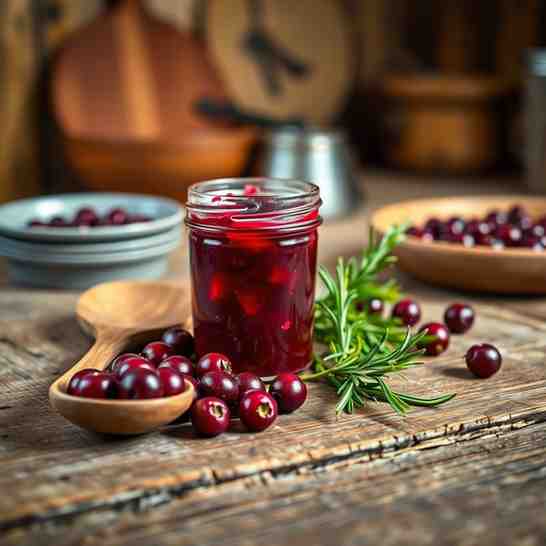
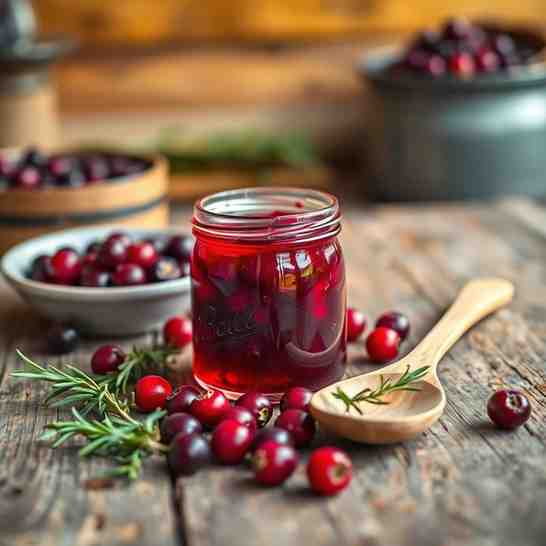
Welcome to the wonderful world of traditional Lithuanian rowanberry jam recipe, or as it's known locally, Šermukšnių Uogienė! This isn't just any berry preserve; it's a taste of Lithuanian heritage, a cherished staple passed down through generations. While many jams focus on sweetness, Šermukšnių Uogienė offers a unique, slightly tart, and wonderfully complex flavor profile that perfectly captures the essence of the Baltic autumn. Forget generic berry jams; this homemade rowan berry jam recipe stands out with its distinctive character and the vibrant color of the forest-foraged berries. It’s more than just a spread; it’s a connection to nature and a celebration of traditional cooking. Ready to learn how to make Lithuanian jam that will impress everyone? Let's dive into creating an authentic šermukšnių uogienė recipe that's truly special.
Ingredients
Directions
- Preparing the Berries
- Harvesting & Chilling: Rowan berries are best picked after the first light frost, which naturally mellows their bitterness. If you pick them earlier, a good trick is to freeze them overnight, then thaw them. This mimics the frost and helps reduce the astringency.
- Cleaning: Rinse the berries thoroughly under cold water. Remove any remaining stems, leaves, or bruised berries. Discard any berries that float, as they might be unripe or damaged.
- Blanching (Optional but Recommended): For an even smoother texture and to further reduce bitterness, you can blanch the berries. Place them in a pot of boiling water for 2-3 minutes, then drain immediately. This also helps soften the skins.
- Cooking the Jam
- Combine Ingredients: In a large, heavy-bottomed pot or Dutch oven, combine the prepared rowan berries, water, and lemon juice. Bring the mixture to a boil over medium-high heat, stirring occasionally.
- Simmer & Soften: Reduce the heat to medium-low and let the berries simmer gently for about 15-20 minutes, or until they are soft and have burst open. Stir frequently to prevent sticking.
- Add Sugar: Once the berries are soft, add the granulated sugar to the pot. Stir constantly until the sugar is fully dissolved. Increase the heat to medium-high and bring the mixture to a rolling boil that cannot be stirred down.
- Pectin (or Pectin-Free Option):
- With Pectin: If using liquid pectin, add it now and boil hard for exactly 1 minute, stirring constantly. If using powdered pectin, mix it with about 1/4 cup of the sugar before adding it to the berries, then bring to a rolling boil and boil hard for 1 minute.
- Without Pectin (Traditional Method): If opting for an easy Lithuanian jam recipe without pectin, simply continue boiling the jam. This will take longer, usually 25-40 minutes from the point of adding sugar. Stir frequently to prevent scorching, especially as it thickens. The natural pectin in rowan berries is quite high, so it will set, just requires more cooking time.
- Achieving the Perfect Consistency
- Cold Plate Test: Before you start cooking, place a small ceramic plate in your freezer. When you think the jam is ready (after the pectin boil or extended pectin-free boil), spoon a small amount onto the cold plate. Let it sit for 1 minute, then push it with your finger. If it wrinkles, it's ready. If it's still runny, continue cooking for another 5-10 minutes and retest.
- Temperature Test (Optional): For a precise measurement, use a candy thermometer. Jam is typically set when it reaches 220°F (104°C) at sea level. Adjust for altitude if necessary.
- Canning and Storing
- Prepare Jars: While the jam is cooking, sterilize your canning jars and lids. You can do this by washing them in hot, soapy water, rinsing well, and then placing them in boiling water for 10 minutes, or running them through a dishwasher's sanitizing cycle. Keep them hot until ready to fill.
- Fill Jars: Carefully ladle the hot jam into the sterilized jars, leaving about 1/4 inch (0.5 cm) headspace from the rim.
- Remove Air Bubbles: Use a non-metallic spatula or knife to gently remove any air bubbles from the jars.
- Wipe Rims & Seal: Wipe the jar rims clean with a damp cloth. Center the lids on the jars and screw on the bands until fingertip-tight.
- Water Bath Canning (Recommended for Long-Term Storage):
- Place the filled jars into a large canning pot fitted with a rack, ensuring they are covered by at least 1-2 inches of water.
- Bring the water to a rolling boil and process the jars for 10 minutes (adjust processing time for altitude if necessary).
- Carefully remove the jars from the canner and place them on a towel-lined counter, leaving space between them. Do not disturb for 12-24 hours.
- Check Seals: After 12-24 hours, check the seals. Lids should be concave (curved inwards) and not flex when pressed. If a lid hasn't sealed, refrigerate that jar and use it within a few weeks.
- Label & Store: Once sealed, label your jars with the date and Šermukšnių Uogienė recipe name. Store in a cool, dark place for up to 1 year.
Šermukšnių Uogienė - Traditional Lithuanian Rowanberry Jam Recipe

- Serves: 4 People
- Prepare Time: 30 minutes
- Cooking Time: 45 minutes
- Calories: -
- Difficulty: Medium
Welcome to the wonderful world of traditional Lithuanian rowanberry jam recipe, or as it's known locally, Šermukšnių Uogienė! This isn't just any berry preserve; it's a taste of Lithuanian heritage, a cherished staple passed down through generations. While many jams focus on sweetness, Šermukšnių Uogienė offers a unique, slightly tart, and wonderfully complex flavor profile that perfectly captures the essence of the Baltic autumn. Forget generic berry jams; this homemade rowan berry jam recipe stands out with its distinctive character and the vibrant color of the forest-foraged berries. It’s more than just a spread; it’s a connection to nature and a celebration of traditional cooking. Ready to learn how to make Lithuanian jam that will impress everyone? Let's dive into creating an authentic šermukšnių uogienė recipe that's truly special.
Ingredients
Directions
- Preparing the Berries
- Harvesting & Chilling: Rowan berries are best picked after the first light frost, which naturally mellows their bitterness. If you pick them earlier, a good trick is to freeze them overnight, then thaw them. This mimics the frost and helps reduce the astringency.
- Cleaning: Rinse the berries thoroughly under cold water. Remove any remaining stems, leaves, or bruised berries. Discard any berries that float, as they might be unripe or damaged.
- Blanching (Optional but Recommended): For an even smoother texture and to further reduce bitterness, you can blanch the berries. Place them in a pot of boiling water for 2-3 minutes, then drain immediately. This also helps soften the skins.
- Cooking the Jam
- Combine Ingredients: In a large, heavy-bottomed pot or Dutch oven, combine the prepared rowan berries, water, and lemon juice. Bring the mixture to a boil over medium-high heat, stirring occasionally.
- Simmer & Soften: Reduce the heat to medium-low and let the berries simmer gently for about 15-20 minutes, or until they are soft and have burst open. Stir frequently to prevent sticking.
- Add Sugar: Once the berries are soft, add the granulated sugar to the pot. Stir constantly until the sugar is fully dissolved. Increase the heat to medium-high and bring the mixture to a rolling boil that cannot be stirred down.
- Pectin (or Pectin-Free Option):
- With Pectin: If using liquid pectin, add it now and boil hard for exactly 1 minute, stirring constantly. If using powdered pectin, mix it with about 1/4 cup of the sugar before adding it to the berries, then bring to a rolling boil and boil hard for 1 minute.
- Without Pectin (Traditional Method): If opting for an easy Lithuanian jam recipe without pectin, simply continue boiling the jam. This will take longer, usually 25-40 minutes from the point of adding sugar. Stir frequently to prevent scorching, especially as it thickens. The natural pectin in rowan berries is quite high, so it will set, just requires more cooking time.
- Achieving the Perfect Consistency
- Cold Plate Test: Before you start cooking, place a small ceramic plate in your freezer. When you think the jam is ready (after the pectin boil or extended pectin-free boil), spoon a small amount onto the cold plate. Let it sit for 1 minute, then push it with your finger. If it wrinkles, it's ready. If it's still runny, continue cooking for another 5-10 minutes and retest.
- Temperature Test (Optional): For a precise measurement, use a candy thermometer. Jam is typically set when it reaches 220°F (104°C) at sea level. Adjust for altitude if necessary.
- Canning and Storing
- Prepare Jars: While the jam is cooking, sterilize your canning jars and lids. You can do this by washing them in hot, soapy water, rinsing well, and then placing them in boiling water for 10 minutes, or running them through a dishwasher's sanitizing cycle. Keep them hot until ready to fill.
- Fill Jars: Carefully ladle the hot jam into the sterilized jars, leaving about 1/4 inch (0.5 cm) headspace from the rim.
- Remove Air Bubbles: Use a non-metallic spatula or knife to gently remove any air bubbles from the jars.
- Wipe Rims & Seal: Wipe the jar rims clean with a damp cloth. Center the lids on the jars and screw on the bands until fingertip-tight.
- Water Bath Canning (Recommended for Long-Term Storage):
- Place the filled jars into a large canning pot fitted with a rack, ensuring they are covered by at least 1-2 inches of water.
- Bring the water to a rolling boil and process the jars for 10 minutes (adjust processing time for altitude if necessary).
- Carefully remove the jars from the canner and place them on a towel-lined counter, leaving space between them. Do not disturb for 12-24 hours.
- Check Seals: After 12-24 hours, check the seals. Lids should be concave (curved inwards) and not flex when pressed. If a lid hasn't sealed, refrigerate that jar and use it within a few weeks.
- Label & Store: Once sealed, label your jars with the date and Šermukšnių Uogienė recipe name. Store in a cool, dark place for up to 1 year.
You may also like

Hey there! I’m just someone who seriously loves good food and believes that cooking doesn’t have to be complicated to be amazing. Whether it’s a quick weeknight dinner or a cozy weekend meal, I’m all about sharing easy, tasty recipes that actually work.