
Potjiekos Recipe - Best Beef Stew
Potjiekos Recipe - Best Beef Stew
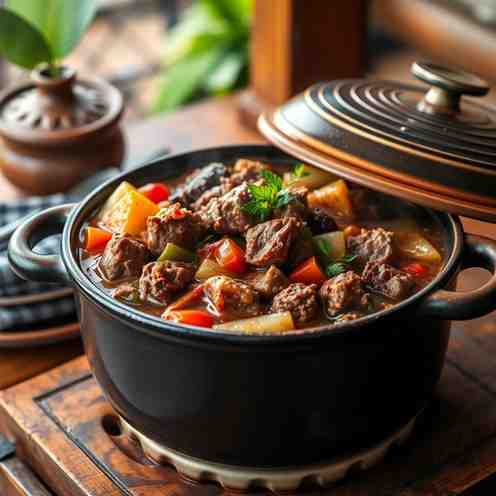
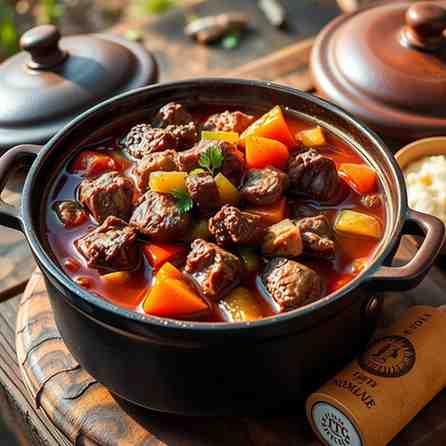
- Serves: 8 People
- Prepare Time: 25 minutes
- Cooking Time: 4 hours
- Calories: -
- Difficulty: Medium
Welcome to the world of traditional Potjiekos, a beloved South African slow-cooked stew that’s more than just a meal – it’s a social event. Unlike a typical stew that you constantly stir, a true potjie is all about patience, low-and-slow cooking, and beautifully layered ingredients that meld together without being disturbed. The result? Incredibly tender meat and perfectly cooked vegetables bathed in a rich, savory sauce. This guide will show you how to master the best beef potjiekos recipe, ensuring a definitive, authentic experience whether you’re cooking on a firepit, charcoal grill, or even your stovetop. Get ready to create a memorable easy beef recipe that will have everyone asking for seconds!
Potjiekos, pronounced "poi-key-kos," literally means "small pot food." It's a traditional South African method of cooking stew in a round, cast-iron, three-legged pot (a potjie pot) over an open fire. The magic lies in three key rules: maintaining a low, steady heat; layering your ingredients; and resisting the urge to stir. This minimal intervention allows each layer to cook gently in its own juices and the steam, creating distinct flavors and textures that eventually combine into a harmonious, rich stew. It’s a perfect "hang around the fire" meal, encouraging long, relaxed gatherings with friends and family.
To make this best beef potjiekos, you'll need the right equipment. A potjie pot is ideal, specifically a 6-quart or 8-quart size for this recipe, which comfortably serves 8 people. If you don't have one, a heavy-bottomed Dutch oven or a large, sturdy pot on your stovetop will work. For heat, choose a firepit with wood coals, a charcoal grill, a camp stove, or your kitchen stove. Essential tools include long tongs, heatproof gloves (for fire cooking), a lid lifter, and an instant-read thermometer (optional, but great for checking meat tenderness).
Ingredients
Directions
- Set up your heat source: If cooking over fire, establish a hot base of coals for browning, then move some aside to create a cooler area for the long simmer. For a charcoal grill, set up for indirect heat. On a stovetop, prepare to start on medium-high and reduce to very low.
- Brown the beef: Heat olive oil in your potjie pot (or Dutch oven) over medium-high heat. Working in batches to avoid overcrowding, brown the beef cubes on all sides until they develop a rich, dark crust. This browning is crucial for deep flavor; "brown enough" means a deep caramel color, not just grey. Remove browned beef and set aside.
- Build the flavor base: Reduce heat to medium. Add onions, garlic, and celery to the pot. Sauté for 5-7 minutes until softened and translucent, scraping up any browned bits from the bottom. Stir in ground coriander, cumin, turmeric, smoked paprika, bay leaves, and dried thyme. Cook for 1 minute until fragrant.
- Layer the potjie: This is key! Return the browned beef to the bottom of the pot. Arrange the sturdier vegetables next: carrots, potatoes, and sweet potatoes. On top of these, layer the softer vegetables like bell pepper, zucchini, and corn.
- Add liquids: Pour the crushed tomatoes evenly over the vegetables. Then, gently pour the beef stock and optional red wine around the sides of the pot, not directly over the layered vegetables, to avoid disturbing them. The liquid level should come about halfway up the sides of the vegetables; you want to steam the top layers, not submerge them.
- Cover and slow cook: Season generously with salt and pepper. Place the lid on the pot, ensuring a good seal. Bring the pot to a gentle simmer, then immediately reduce the heat to maintain a very low, steady simmer. This is crucial for the "low-and-slow" method.
- Check schedule: Cook for at least 3 to 4 hours, or until the beef is fork-tender. Resist the urge to lift the lid frequently, as this releases precious steam and heat. Check every 45-60 minutes, just to ensure the liquid isn't completely gone and the simmer is gentle. Avoid stirring!
- Finish and serve: Once the beef is tender, carefully remove the lid. The sauce should be lightly thickened. Taste and adjust seasoning as needed. Let the potjie rest for 10-15 minutes before serving. Garnish with fresh parsley.
- Doneness Checklist (for beginners)
- Beef: Should be fork-tender and shred easily with gentle pressure.
- Vegetables: Should be tender but still hold their shape, not mushy.
- Sauce: Lightly thickened, rich in flavor, not watery.
Potjiekos Recipe - Best Beef Stew
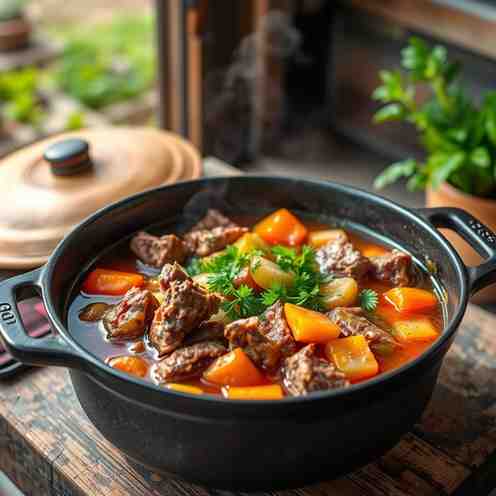
- Serves: 8 People
- Prepare Time: 25 minutes
- Cooking Time: 4 hours
- Calories: -
- Difficulty: Medium
Welcome to the world of traditional Potjiekos, a beloved South African slow-cooked stew that’s more than just a meal – it’s a social event. Unlike a typical stew that you constantly stir, a true potjie is all about patience, low-and-slow cooking, and beautifully layered ingredients that meld together without being disturbed. The result? Incredibly tender meat and perfectly cooked vegetables bathed in a rich, savory sauce. This guide will show you how to master the best beef potjiekos recipe, ensuring a definitive, authentic experience whether you’re cooking on a firepit, charcoal grill, or even your stovetop. Get ready to create a memorable easy beef recipe that will have everyone asking for seconds!
Potjiekos, pronounced "poi-key-kos," literally means "small pot food." It's a traditional South African method of cooking stew in a round, cast-iron, three-legged pot (a potjie pot) over an open fire. The magic lies in three key rules: maintaining a low, steady heat; layering your ingredients; and resisting the urge to stir. This minimal intervention allows each layer to cook gently in its own juices and the steam, creating distinct flavors and textures that eventually combine into a harmonious, rich stew. It’s a perfect "hang around the fire" meal, encouraging long, relaxed gatherings with friends and family.
To make this best beef potjiekos, you'll need the right equipment. A potjie pot is ideal, specifically a 6-quart or 8-quart size for this recipe, which comfortably serves 8 people. If you don't have one, a heavy-bottomed Dutch oven or a large, sturdy pot on your stovetop will work. For heat, choose a firepit with wood coals, a charcoal grill, a camp stove, or your kitchen stove. Essential tools include long tongs, heatproof gloves (for fire cooking), a lid lifter, and an instant-read thermometer (optional, but great for checking meat tenderness).
Ingredients
Directions
- Set up your heat source: If cooking over fire, establish a hot base of coals for browning, then move some aside to create a cooler area for the long simmer. For a charcoal grill, set up for indirect heat. On a stovetop, prepare to start on medium-high and reduce to very low.
- Brown the beef: Heat olive oil in your potjie pot (or Dutch oven) over medium-high heat. Working in batches to avoid overcrowding, brown the beef cubes on all sides until they develop a rich, dark crust. This browning is crucial for deep flavor; "brown enough" means a deep caramel color, not just grey. Remove browned beef and set aside.
- Build the flavor base: Reduce heat to medium. Add onions, garlic, and celery to the pot. Sauté for 5-7 minutes until softened and translucent, scraping up any browned bits from the bottom. Stir in ground coriander, cumin, turmeric, smoked paprika, bay leaves, and dried thyme. Cook for 1 minute until fragrant.
- Layer the potjie: This is key! Return the browned beef to the bottom of the pot. Arrange the sturdier vegetables next: carrots, potatoes, and sweet potatoes. On top of these, layer the softer vegetables like bell pepper, zucchini, and corn.
- Add liquids: Pour the crushed tomatoes evenly over the vegetables. Then, gently pour the beef stock and optional red wine around the sides of the pot, not directly over the layered vegetables, to avoid disturbing them. The liquid level should come about halfway up the sides of the vegetables; you want to steam the top layers, not submerge them.
- Cover and slow cook: Season generously with salt and pepper. Place the lid on the pot, ensuring a good seal. Bring the pot to a gentle simmer, then immediately reduce the heat to maintain a very low, steady simmer. This is crucial for the "low-and-slow" method.
- Check schedule: Cook for at least 3 to 4 hours, or until the beef is fork-tender. Resist the urge to lift the lid frequently, as this releases precious steam and heat. Check every 45-60 minutes, just to ensure the liquid isn't completely gone and the simmer is gentle. Avoid stirring!
- Finish and serve: Once the beef is tender, carefully remove the lid. The sauce should be lightly thickened. Taste and adjust seasoning as needed. Let the potjie rest for 10-15 minutes before serving. Garnish with fresh parsley.
- Doneness Checklist (for beginners)
- Beef: Should be fork-tender and shred easily with gentle pressure.
- Vegetables: Should be tender but still hold their shape, not mushy.
- Sauce: Lightly thickened, rich in flavor, not watery.
You may also like



Hey there! I’m just someone who seriously loves good food and believes that cooking doesn’t have to be complicated to be amazing. Whether it’s a quick weeknight dinner or a cozy weekend meal, I’m all about sharing easy, tasty recipes that actually work.



