Whole Lamb Spit Roast
Whole Lamb Spit Roast
- Serves: 20 People
- Prepare Time: 45 minutes
- Cooking Time: 5 hours 30
- Calories: -
- Difficulty: Hard
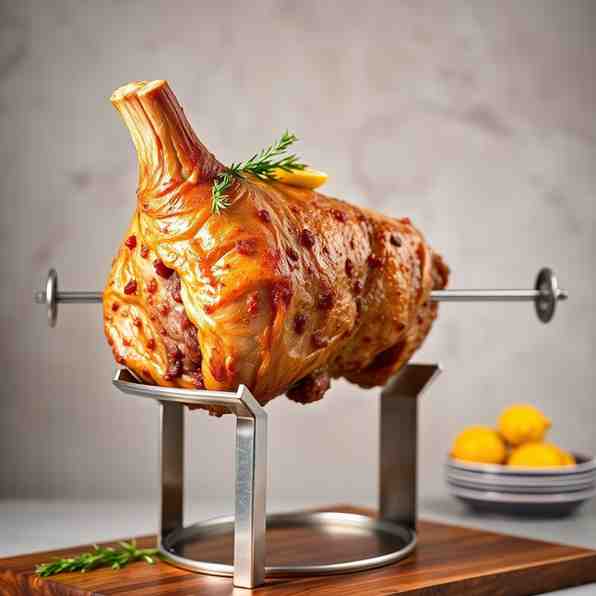
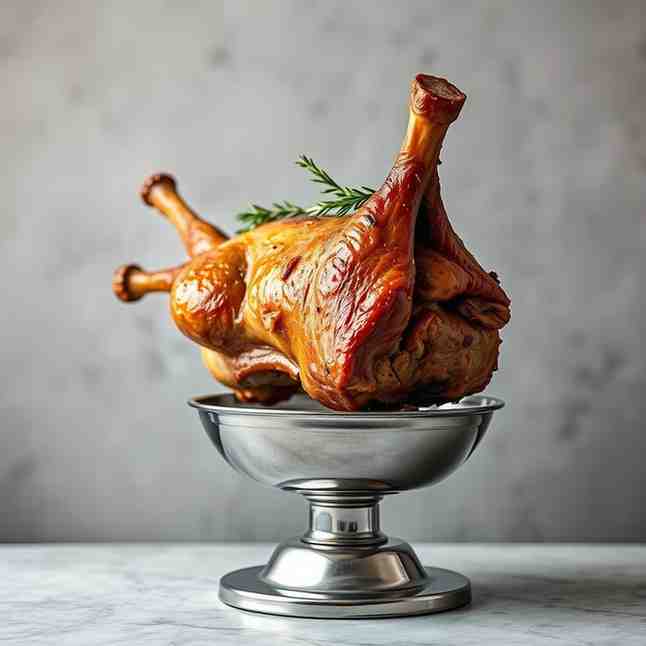
Ever dreamt of hosting an unforgettable backyard feast that leaves everyone talking? There’s nothing quite like the spectacle and incredible flavor of a whole lamb spit roast. Known in Croatia as "Jagnjetina sa Ražnja," this isn't just a meal; it's a celebration, a time-honored tradition that brings people together around the warmth of an open fire. If you’re looking to learn to spit roast whole lamb, discover authentic traditional Croatian lamb recipes, or simply find the best way to cook roast lamb, you’ve come to the right place.
Spit roasting, or rotisserie cooking, involves slowly turning meat over a heat source, allowing it to cook evenly and baste itself in its own juices. This method creates an incredibly tender interior with a beautifully crispy, golden-brown skin – a truly magical combination. While it might seem daunting at first, with the right guidance, patience, and a little bit of elbow grease, you’ll be serving up a perfectly roasted, juicy lamb that will impress even the most seasoned grill masters. Get ready to dive into the art of cooking over open fire and master this epic dish!
Ingredients
Directions
- Prepare the Lamb (The Day Before Roasting):
- Clean and Dry: Ensure your whole lamb is thoroughly cleaned and patted completely dry, inside and out, with paper towels. Remove any excess fat if desired, but a good layer of fat helps keep it moist.
- Seasoning Rub: In a bowl, combine the olive oil, lemon juice, minced garlic, chopped rosemary, oregano (if using), sea salt, and black pepper. Mix well to form a thick paste.
- Season Generously: Rub this mixture all over the lamb, both inside the cavity and thoroughly on the exterior. Don't be shy – really get in there! For extra flavor, you can place a few bay leaves or rosemary sprigs inside the cavity. This is your foundation for a truly flavorful lamb seasoning rub.
- Secure the Legs: Use butcher's twine to tie the front and back legs together, pulling them close to the body. This makes the lamb more compact and easier to manage on the spit.
- Marinating the Lamb (Overnight is Best):
- Deep Flavor: Once seasoned and tied, place the lamb in a large, clean plastic bag or wrap it tightly in several layers of plastic wrap. Refrigerate for at least 8 hours, or ideally, overnight (up to 24 hours). This allows the garlic rosemary olive oil marinade to penetrate deep into the meat, ensuring a juicy and tender result.
- Common Mistake to Avoid: Don't skip the marination! A quick rub won't deliver the depth of flavor you're after. Also, ensure the lamb is completely covered to prevent uneven marination.
- Set Up the Spit & Fire (2-3 Hours Before Cooking):
- Mounting the Lamb: Carefully thread the lamb onto the rotisserie spit. This can be tricky, so an extra set of hands is helpful. Ensure the spit goes through the center of the lamb for even rotation.
- Secure It Tight: Use the spit forks and clamps to firmly secure the lamb to the spit. It should feel stable and balanced. Rotate it manually a few times to check for any wobbling or uneven weight distribution. Adjust as needed.
- Fire Pit Prep: Position your rotisserie over your fire pit or grill. Build a wood fire or charcoal bed on either side of where the lamb will be, leaving the center clear. This creates indirect heat, which is key for slow cooked lamb recipe success and prevents burning.
- Temperature Control: Aim for a consistent medium-low heat. You should be able to hold your hand over the heat source at spit level for about 5-7 seconds. Add more charcoal or wood as needed throughout the cooking process to maintain this temperature. A good fire is crucial for cooking on wood fire and achieving even cooking. Place your drip pan directly underneath the lamb to catch juices and prevent grease fires.
- Roast the Lamb (5-7 Hours):
- Start Roasting: Once your fire is ready, switch on the rotisserie motor. The lamb should begin to turn slowly over the indirect heat.
- Initial Basting (After 1 Hour): After about an hour, start basting the lamb with your basting liquid (olive oil, white wine/broth, crushed garlic, rosemary). Baste every 30-45 minutes throughout the cooking process. This keeps the skin moist and helps develop that beautiful crust.
- Key Temperatures & Timings: A whole lamb typically takes 5-7 hours to cook, depending on its size and the consistency of your fire.
- Internal Temperature: The most critical factor is the internal temperature. For medium-rare, aim for 135-140°F (57-60°C). For medium, 140-145°F (60-63°C). For well-done, 155-160°F (68-71°C). Insert a meat thermometer into the thickest part of the leg or shoulder, avoiding the bone.
- Check Often: Start checking the temperature after about 4 hours, and then every 30 minutes until it reaches your desired doneness.
- Troubleshooting During Roasting:
- Uneven Cooking: If one side is cooking faster, adjust the heat distribution by moving coals/wood, or slightly reposition the lamb if possible. Ensure the lamb is perfectly balanced on the spit from the start.
- Dry Skin: Increase basting frequency. You can also cover specific areas with aluminum foil temporarily if they're browning too quickly.
- Flare-ups: If fat drips cause flare-ups, remove the lamb from direct heat briefly, douse the flames with water, and adjust your drip pan or heat source.
- Maintaining Juiciness: Consistent basting and careful temperature monitoring are your best friends for a juicy and flavorful result. Don't rush the process!
- Serving & Carving:
- Resting is Key: Once the lamb reaches its target internal temperature, remove it from the spit and transfer it to a large cutting board. Tent it loosely with aluminum foil and let it rest for at least 20-30 minutes. This resting period allows the juices to redistribute, ensuring a tender and moist carve.
- Carving: Remove the spit and clamps. Start by carving off the legs and shoulders, then slice the meat from the backbone and ribs. Slice against the grain for maximum tenderness.
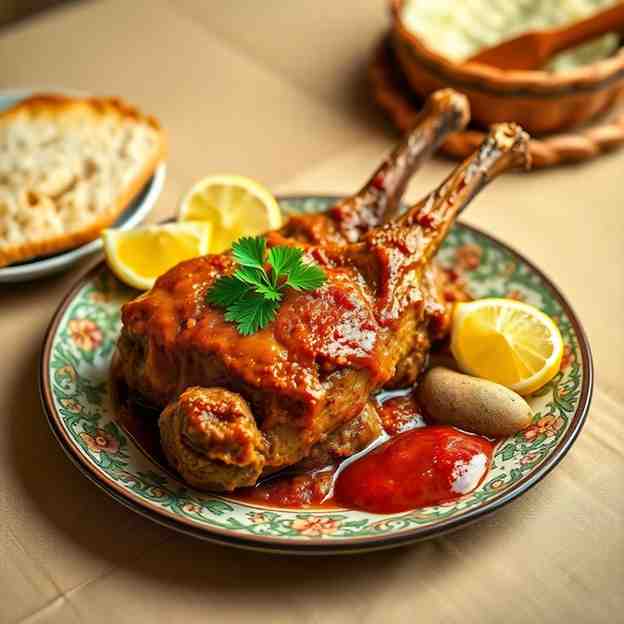
- Traditional Pairings: Serve your incredible roast lamb with traditional side dishes like roasted potatoes (often cooked directly in the lamb drippings!), fresh salads, crusty bread, and a simple relish or sauce. In Croatia, it's often served with "mlinci" (baked pasta sheets) or simply with spring onions and fresh tomatoes.
Whole Lamb Spit Roast
- Serves: 20 People
- Prepare Time: 45 minutes
- Cooking Time: 5 hours 30
- Calories: -
- Difficulty: Hard
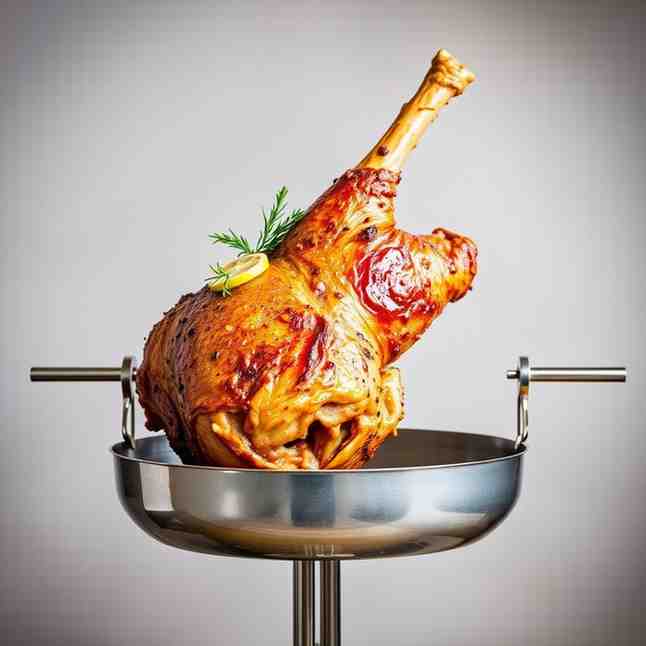
Ever dreamt of hosting an unforgettable backyard feast that leaves everyone talking? There’s nothing quite like the spectacle and incredible flavor of a whole lamb spit roast. Known in Croatia as "Jagnjetina sa Ražnja," this isn't just a meal; it's a celebration, a time-honored tradition that brings people together around the warmth of an open fire. If you’re looking to learn to spit roast whole lamb, discover authentic traditional Croatian lamb recipes, or simply find the best way to cook roast lamb, you’ve come to the right place.
Spit roasting, or rotisserie cooking, involves slowly turning meat over a heat source, allowing it to cook evenly and baste itself in its own juices. This method creates an incredibly tender interior with a beautifully crispy, golden-brown skin – a truly magical combination. While it might seem daunting at first, with the right guidance, patience, and a little bit of elbow grease, you’ll be serving up a perfectly roasted, juicy lamb that will impress even the most seasoned grill masters. Get ready to dive into the art of cooking over open fire and master this epic dish!
Ingredients
Directions
- Prepare the Lamb (The Day Before Roasting):
- Clean and Dry: Ensure your whole lamb is thoroughly cleaned and patted completely dry, inside and out, with paper towels. Remove any excess fat if desired, but a good layer of fat helps keep it moist.
- Seasoning Rub: In a bowl, combine the olive oil, lemon juice, minced garlic, chopped rosemary, oregano (if using), sea salt, and black pepper. Mix well to form a thick paste.
- Season Generously: Rub this mixture all over the lamb, both inside the cavity and thoroughly on the exterior. Don't be shy – really get in there! For extra flavor, you can place a few bay leaves or rosemary sprigs inside the cavity. This is your foundation for a truly flavorful lamb seasoning rub.
- Secure the Legs: Use butcher's twine to tie the front and back legs together, pulling them close to the body. This makes the lamb more compact and easier to manage on the spit.
- Marinating the Lamb (Overnight is Best):
- Deep Flavor: Once seasoned and tied, place the lamb in a large, clean plastic bag or wrap it tightly in several layers of plastic wrap. Refrigerate for at least 8 hours, or ideally, overnight (up to 24 hours). This allows the garlic rosemary olive oil marinade to penetrate deep into the meat, ensuring a juicy and tender result.
- Common Mistake to Avoid: Don't skip the marination! A quick rub won't deliver the depth of flavor you're after. Also, ensure the lamb is completely covered to prevent uneven marination.
- Set Up the Spit & Fire (2-3 Hours Before Cooking):
- Mounting the Lamb: Carefully thread the lamb onto the rotisserie spit. This can be tricky, so an extra set of hands is helpful. Ensure the spit goes through the center of the lamb for even rotation.
- Secure It Tight: Use the spit forks and clamps to firmly secure the lamb to the spit. It should feel stable and balanced. Rotate it manually a few times to check for any wobbling or uneven weight distribution. Adjust as needed.
- Fire Pit Prep: Position your rotisserie over your fire pit or grill. Build a wood fire or charcoal bed on either side of where the lamb will be, leaving the center clear. This creates indirect heat, which is key for slow cooked lamb recipe success and prevents burning.
- Temperature Control: Aim for a consistent medium-low heat. You should be able to hold your hand over the heat source at spit level for about 5-7 seconds. Add more charcoal or wood as needed throughout the cooking process to maintain this temperature. A good fire is crucial for cooking on wood fire and achieving even cooking. Place your drip pan directly underneath the lamb to catch juices and prevent grease fires.
- Roast the Lamb (5-7 Hours):
- Start Roasting: Once your fire is ready, switch on the rotisserie motor. The lamb should begin to turn slowly over the indirect heat.
- Initial Basting (After 1 Hour): After about an hour, start basting the lamb with your basting liquid (olive oil, white wine/broth, crushed garlic, rosemary). Baste every 30-45 minutes throughout the cooking process. This keeps the skin moist and helps develop that beautiful crust.
- Key Temperatures & Timings: A whole lamb typically takes 5-7 hours to cook, depending on its size and the consistency of your fire.
- Internal Temperature: The most critical factor is the internal temperature. For medium-rare, aim for 135-140°F (57-60°C). For medium, 140-145°F (60-63°C). For well-done, 155-160°F (68-71°C). Insert a meat thermometer into the thickest part of the leg or shoulder, avoiding the bone.
- Check Often: Start checking the temperature after about 4 hours, and then every 30 minutes until it reaches your desired doneness.
- Troubleshooting During Roasting:
- Uneven Cooking: If one side is cooking faster, adjust the heat distribution by moving coals/wood, or slightly reposition the lamb if possible. Ensure the lamb is perfectly balanced on the spit from the start.
- Dry Skin: Increase basting frequency. You can also cover specific areas with aluminum foil temporarily if they're browning too quickly.
- Flare-ups: If fat drips cause flare-ups, remove the lamb from direct heat briefly, douse the flames with water, and adjust your drip pan or heat source.
- Maintaining Juiciness: Consistent basting and careful temperature monitoring are your best friends for a juicy and flavorful result. Don't rush the process!
- Serving & Carving:
- Resting is Key: Once the lamb reaches its target internal temperature, remove it from the spit and transfer it to a large cutting board. Tent it loosely with aluminum foil and let it rest for at least 20-30 minutes. This resting period allows the juices to redistribute, ensuring a tender and moist carve.
- Carving: Remove the spit and clamps. Start by carving off the legs and shoulders, then slice the meat from the backbone and ribs. Slice against the grain for maximum tenderness.
- Traditional Pairings: Serve your incredible roast lamb with traditional side dishes like roasted potatoes (often cooked directly in the lamb drippings!), fresh salads, crusty bread, and a simple relish or sauce. In Croatia, it's often served with "mlinci" (baked pasta sheets) or simply with spring onions and fresh tomatoes.
You may also like

Hey there! I’m just someone who seriously loves good food and believes that cooking doesn’t have to be complicated to be amazing. Whether it’s a quick weeknight dinner or a cozy weekend meal, I’m all about sharing easy, tasty recipes that actually work.