Classic British Sunday Roast - Perfect Dinner
Classic British Sunday Roast - Perfect Dinner
- Serves: 4 People
- Prepare Time: 30 minutes
- Cooking Time: 1 hour 30 m
- Calories: -
- Difficulty: Medium
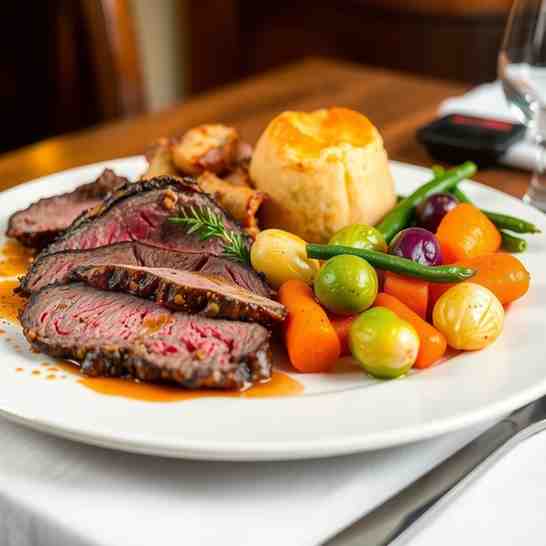
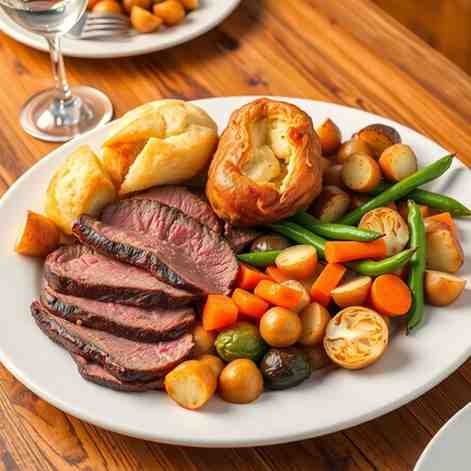
Welcome to the heart of British culinary tradition: the Classic English Sunday Roast! More than just a meal, it's a cherished ritual, a chance to gather loved ones around a table laden with delicious food. If you've ever dreamed of perfecting a succulent british sunday roast complete with crispy potatoes, rich gravy, and tender beef, you've come to the right place. We're diving deep into crafting a truly authentic sunday roast dinner, focusing on a "temp-first" approach that guarantees perfect results every time, even if you're new to roasting. Forget guesswork; we'll guide you through selecting the best cut of beef for roast beef dinner, understanding critical meat cooking times and temperatures, and bringing together all the classic trimmings. Get ready to transform your kitchen into a haven of comforting aromas and create a memorable all day recipes feast!
At its core, a Sunday Roast is a traditional British meal typically served on, you guessed it, Sunday! It features a centerpiece of roast meat (often beef, lamb, pork, or chicken), accompanied by roast potatoes, a rich gravy, various vegetables, and, for beef, the iconic Yorkshire pudding. A dollop of creamy horseradish sauce is practically non-negotiable when serving beef. While some might debate "Sunday lunch vs Sunday dinner," the meal itself remains a hearty, celebratory affair that brings families together, often enjoyed after church or as a leisurely weekend indulgence. It's truly a taste of home, British style.
Choosing the best beef for roasting can feel daunting, but it doesn't have to be. Here’s a quick guide to help you pick the perfect cut for your roast beef meat at a US grocery store:
Best (Splurge): Rib Roast / Ribeye Roast. If you're looking for the ultimate in richness and flavor, and a cut that's incredibly forgiving, a bone-in or boneless rib roast (often called prime rib or ribeye roast) is your champion. Its generous marbling ensures a juicy, tender result.
Best Value: Top Sirloin Roast. For excellent flavor without breaking the bank, the top sirloin roast is a fantastic choice. It's leaner than a rib roast but still offers great taste and texture when cooked properly.
Budget/Lean: Top Round / Eye of Round. If you're aiming for a lean roast beef option or sticking to a budget, top round or eye of round roasts are your go-to. These cuts are very lean and require stricter temperature management to avoid drying out, but they can be wonderfully tender when handled with care.
How Much to Buy: A good rule of thumb is to plan for about ½ to ¾ pound of bone-in beef per person, or ½ pound of boneless beef per person. Always factor in a little extra if you're hoping for delicious leftovers!
Forget "time per pound" as your sole guide. The secret to a perfect roast beef dinner is a reliable meat thermometer and precise temperature control. We're using a single, unified method: a hot start to brown, then lower to finish. This creates a beautiful crust while allowing the interior to cook gently.
Thermometer Placement: Insert your instant-read thermometer into the thickest part of the roast, avoiding any bones or large pockets of fat. It should be in the very center of the meat.
Doneness Table (Pull Temps + Rest): Remember, your roast's internal temperature will continue to rise by 5-10°F during resting (this is called carryover cooking). Always pull your roast from the oven before it reaches your desired final temperature.
Doneness | Internal Temperature (Pull from Oven) | Final Temperature (After Rest) |
| :----------- | :------------------------------------ | :----------------------------- |
| Rare | 120-125°F (49-52°C) | 125-130°F (52-54°C)
| Medium-Rare | 125-130°F (52-54°C) | 130-135°F (54-57°C)
| Medium | 130-135°F (54-57°C) | 135-140°F (57-60°C)
| Medium-Well | 135-140°F (57-60°C) | 140-145°F (60-63°C)
| Well-Done | 140-145°F (60-63°C) | 145-150°F (63-66°C)
Food-Safety Note: The USDA minimum safe internal temperature for beef roasts is 145°F (63°C) + a 3-minute rest. While you can safely enjoy beef at lower temperatures (like medium-rare), if food safety is your top concern, aim for at least 145°F after resting.
Ingredients
Directions
- Equipment You'll Need:
- Roasting pan with a rack (or a sturdy oven-safe pan)
- Instant-read meat thermometer (REQUIRED for reliability!)
- Cutting board and sharp carving knife
- Saucepan (if finishing gravy off-pan)
- Let's Get Roasting!
- Prep the Roast: About 1-2 hours before roasting, remove the beef from the refrigerator and let it sit at room temperature. This helps it cook more evenly. Preheat your oven to 450°F (230°C).
- Season Generously: In a small bowl, combine the salt, pepper, rosemary, thyme, and minced garlic (if using). Pat the beef roast dry with paper towels – this helps achieve a better crust. Rub the oil or beef drippings all over the roast, then generously coat it with the seasoning mixture.
- Dry Brine Option: For even deeper flavor, apply the seasoning (salt, pepper, herbs) to the roast 12-24 hours in advance, then refrigerate uncovered. Pat dry before roasting.
- Hot Start for Browning: Place the seasoned beef roast, fat-side up, directly on the rack in your roasting pan. Place it into the preheated 450°F oven for 15-20 minutes to get a beautiful brown crust.
- Roast Low to Finish: After the initial hot sear, reduce the oven temperature to 325°F (160°C). Continue roasting until your instant-read thermometer, inserted into the thickest part of the meat (avoiding bone), reaches your desired "pull temperature" from the doneness table above. This could take anywhere from 1 to 2.5 hours, depending on the size of your roast and desired doneness.
- Rest, Rest, Rest! This step is CRUCIAL. Carefully remove the roast from the oven and transfer it to a clean cutting board. Tent it loosely with foil and let it rest for at least 15-20 minutes (for smaller roasts) or up to 30 minutes (for larger roasts). This allows the juices to redistribute, ensuring a tender, moist roast. Remember, the internal temperature will rise a few degrees during this time.
- Pan Gravy from Drippings: While the roast rests, make your gravy. Carefully pour off most of the fat from the roasting pan, leaving about 2-3 tablespoons of drippings (and any browned bits). If you chopped an onion, add it to the pan and sauté over medium heat on the stovetop (or in the oven if your pan is stovetop-safe) until softened, scraping up any browned bits from the bottom. Sprinkle the flour into the pan and cook, stirring constantly, for 1-2 minutes until a thick paste (roux) forms. Gradually whisk in the beef stock, bringing the mixture to a simmer. Cook, whisking occasionally, until the gravy thickens to your desired consistency. Season with salt and pepper to taste. If drippings are scant, you can add a tablespoon of butter to the pan before the flour.
- Carve and Serve: Once rested, slice the roast against the grain into desired thickness. Serving with the warm pan gravy is essential. Offer Dijon mustard or creamy horseradish sauce on the side for an extra kick.
- Carving Tip Callout: Always slice against the grain! This shortens the muscle fibers, making each slice incredibly tender and easy to chew. Look at the direction of the muscle fibers and slice perpendicular to them.
Classic British Sunday Roast - Perfect Dinner

- Serves: 4 People
- Prepare Time: 30 minutes
- Cooking Time: 1 hour 30 m
- Calories: -
- Difficulty: Medium
Welcome to the heart of British culinary tradition: the Classic English Sunday Roast! More than just a meal, it's a cherished ritual, a chance to gather loved ones around a table laden with delicious food. If you've ever dreamed of perfecting a succulent british sunday roast complete with crispy potatoes, rich gravy, and tender beef, you've come to the right place. We're diving deep into crafting a truly authentic sunday roast dinner, focusing on a "temp-first" approach that guarantees perfect results every time, even if you're new to roasting. Forget guesswork; we'll guide you through selecting the best cut of beef for roast beef dinner, understanding critical meat cooking times and temperatures, and bringing together all the classic trimmings. Get ready to transform your kitchen into a haven of comforting aromas and create a memorable all day recipes feast!
At its core, a Sunday Roast is a traditional British meal typically served on, you guessed it, Sunday! It features a centerpiece of roast meat (often beef, lamb, pork, or chicken), accompanied by roast potatoes, a rich gravy, various vegetables, and, for beef, the iconic Yorkshire pudding. A dollop of creamy horseradish sauce is practically non-negotiable when serving beef. While some might debate "Sunday lunch vs Sunday dinner," the meal itself remains a hearty, celebratory affair that brings families together, often enjoyed after church or as a leisurely weekend indulgence. It's truly a taste of home, British style.
Choosing the best beef for roasting can feel daunting, but it doesn't have to be. Here’s a quick guide to help you pick the perfect cut for your roast beef meat at a US grocery store:
Best (Splurge): Rib Roast / Ribeye Roast. If you're looking for the ultimate in richness and flavor, and a cut that's incredibly forgiving, a bone-in or boneless rib roast (often called prime rib or ribeye roast) is your champion. Its generous marbling ensures a juicy, tender result.
Best Value: Top Sirloin Roast. For excellent flavor without breaking the bank, the top sirloin roast is a fantastic choice. It's leaner than a rib roast but still offers great taste and texture when cooked properly.
Budget/Lean: Top Round / Eye of Round. If you're aiming for a lean roast beef option or sticking to a budget, top round or eye of round roasts are your go-to. These cuts are very lean and require stricter temperature management to avoid drying out, but they can be wonderfully tender when handled with care.
How Much to Buy: A good rule of thumb is to plan for about ½ to ¾ pound of bone-in beef per person, or ½ pound of boneless beef per person. Always factor in a little extra if you're hoping for delicious leftovers!
Forget "time per pound" as your sole guide. The secret to a perfect roast beef dinner is a reliable meat thermometer and precise temperature control. We're using a single, unified method: a hot start to brown, then lower to finish. This creates a beautiful crust while allowing the interior to cook gently.
Thermometer Placement: Insert your instant-read thermometer into the thickest part of the roast, avoiding any bones or large pockets of fat. It should be in the very center of the meat.
Doneness Table (Pull Temps + Rest): Remember, your roast's internal temperature will continue to rise by 5-10°F during resting (this is called carryover cooking). Always pull your roast from the oven before it reaches your desired final temperature.
Doneness | Internal Temperature (Pull from Oven) | Final Temperature (After Rest) |
| :----------- | :------------------------------------ | :----------------------------- |
| Rare | 120-125°F (49-52°C) | 125-130°F (52-54°C)
| Medium-Rare | 125-130°F (52-54°C) | 130-135°F (54-57°C)
| Medium | 130-135°F (54-57°C) | 135-140°F (57-60°C)
| Medium-Well | 135-140°F (57-60°C) | 140-145°F (60-63°C)
| Well-Done | 140-145°F (60-63°C) | 145-150°F (63-66°C)
Food-Safety Note: The USDA minimum safe internal temperature for beef roasts is 145°F (63°C) + a 3-minute rest. While you can safely enjoy beef at lower temperatures (like medium-rare), if food safety is your top concern, aim for at least 145°F after resting.
Ingredients
Directions
- Equipment You'll Need:
- Roasting pan with a rack (or a sturdy oven-safe pan)
- Instant-read meat thermometer (REQUIRED for reliability!)
- Cutting board and sharp carving knife
- Saucepan (if finishing gravy off-pan)
- Let's Get Roasting!
- Prep the Roast: About 1-2 hours before roasting, remove the beef from the refrigerator and let it sit at room temperature. This helps it cook more evenly. Preheat your oven to 450°F (230°C).
- Season Generously: In a small bowl, combine the salt, pepper, rosemary, thyme, and minced garlic (if using). Pat the beef roast dry with paper towels – this helps achieve a better crust. Rub the oil or beef drippings all over the roast, then generously coat it with the seasoning mixture.
- Dry Brine Option: For even deeper flavor, apply the seasoning (salt, pepper, herbs) to the roast 12-24 hours in advance, then refrigerate uncovered. Pat dry before roasting.
- Hot Start for Browning: Place the seasoned beef roast, fat-side up, directly on the rack in your roasting pan. Place it into the preheated 450°F oven for 15-20 minutes to get a beautiful brown crust.
- Roast Low to Finish: After the initial hot sear, reduce the oven temperature to 325°F (160°C). Continue roasting until your instant-read thermometer, inserted into the thickest part of the meat (avoiding bone), reaches your desired "pull temperature" from the doneness table above. This could take anywhere from 1 to 2.5 hours, depending on the size of your roast and desired doneness.
- Rest, Rest, Rest! This step is CRUCIAL. Carefully remove the roast from the oven and transfer it to a clean cutting board. Tent it loosely with foil and let it rest for at least 15-20 minutes (for smaller roasts) or up to 30 minutes (for larger roasts). This allows the juices to redistribute, ensuring a tender, moist roast. Remember, the internal temperature will rise a few degrees during this time.
- Pan Gravy from Drippings: While the roast rests, make your gravy. Carefully pour off most of the fat from the roasting pan, leaving about 2-3 tablespoons of drippings (and any browned bits). If you chopped an onion, add it to the pan and sauté over medium heat on the stovetop (or in the oven if your pan is stovetop-safe) until softened, scraping up any browned bits from the bottom. Sprinkle the flour into the pan and cook, stirring constantly, for 1-2 minutes until a thick paste (roux) forms. Gradually whisk in the beef stock, bringing the mixture to a simmer. Cook, whisking occasionally, until the gravy thickens to your desired consistency. Season with salt and pepper to taste. If drippings are scant, you can add a tablespoon of butter to the pan before the flour.
- Carve and Serve: Once rested, slice the roast against the grain into desired thickness. Serving with the warm pan gravy is essential. Offer Dijon mustard or creamy horseradish sauce on the side for an extra kick.
- Carving Tip Callout: Always slice against the grain! This shortens the muscle fibers, making each slice incredibly tender and easy to chew. Look at the direction of the muscle fibers and slice perpendicular to them.
You may also like

Hey there! I’m just someone who seriously loves good food and believes that cooking doesn’t have to be complicated to be amazing. Whether it’s a quick weeknight dinner or a cozy weekend meal, I’m all about sharing easy, tasty recipes that actually work.