Imqaret - Delicious Maltese Pastry & Dessert Recipe
Imqaret - Delicious Maltese Pastry & Dessert Recipe
- Serves: 6 People
- Prepare Time: 45 minutes
- Cooking Time: 30 minutes
- Calories: -
- Difficulty: Medium
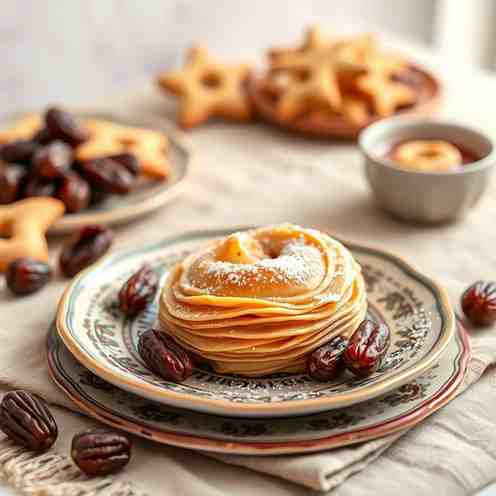
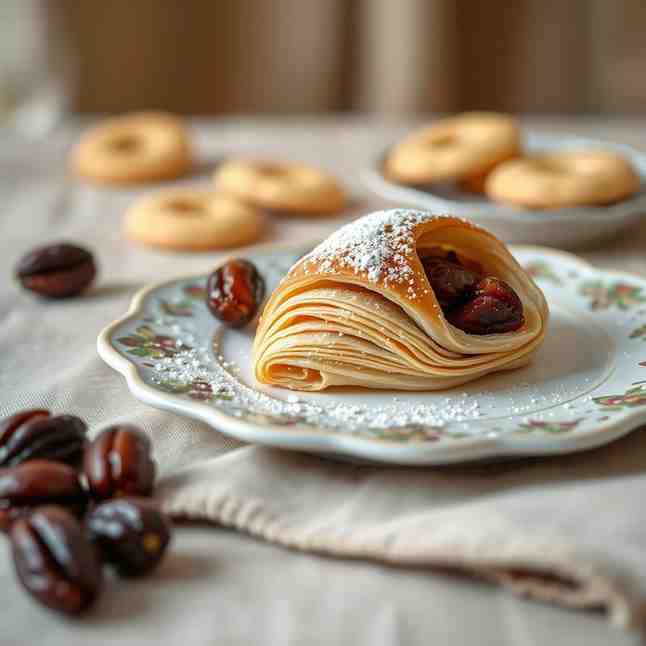
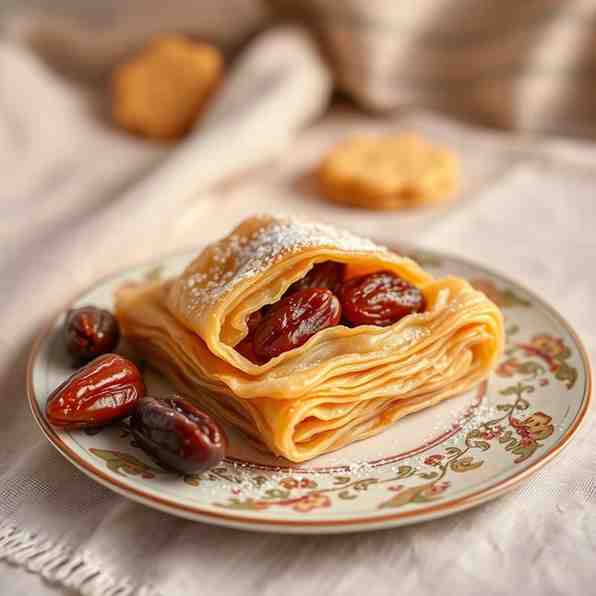
Get ready to discover a truly delightful pastry and dessert from the heart of Malta! Imqaret (pronounced im-AA-ret, sometimes spelled maqrut) are traditional Maltese date-filled pastries, iconic for their distinct diamond shape and irresistible flavor. Each piece is lovingly fried until wonderfully crisp and golden, then served warm, often dusted with a touch of sugar.
What makes Imqaret such a sweet treat recipe you'll adore? It's a symphony of flavors: the rich sweetness of dates, brightened by citrus zest, warmed with cinnamon and a hint of clove, and elevated by a light, fragrant whisper of orange blossom water. This combination creates a truly unique sweet dessert experience that’s both comforting and exotic. If you’re looking for a great dessert you can make dessert at home that feels special yet approachable, this classic recipe is your perfect guide. We promise a single, tested, and authentic recipe with clear success cues to help you master these delicious desserts you can make at home, suitable for both beginners and experienced bakers alike.
Ingredients
Directions
- Make the Date Filling
- Combine the chopped dates and ½ cup water in a small saucepan. Bring to a gentle simmer over medium-low heat. Cook, stirring frequently and mashing with a spoon, for 8-10 minutes, or until the dates have softened considerably and absorbed most of the water, forming a thick, paste-like consistency.
- Remove from heat. Stir in the orange zest, cinnamon, ground clove, orange blossom water, and anisette (if using). Mix until well combined.
- Transfer the filling to a shallow bowl or plate and spread it out slightly. Let it cool completely at room temperature. It should thicken into a firm, pliable paste that you can easily roll and shape without it being too sticky or runny. This cooling step is crucial for easy handling.
- Make the Pastry Dough
- In a large mixing bowl, whisk together the all-purpose flour and salt.
- Add the cold, cubed butter (or shortening) to the flour mixture. Using your fingertips or a pastry blender, work the fat into the flour until the mixture resembles coarse sand with some pea-sized pieces remaining. Avoid overworking the dough at this stage.
- Gradually add the cold water (and optional orange juice), starting with ½ cup, mixing with a spoon or your hands until a shaggy dough forms. Add the additional water, one tablespoon at a time, if the dough feels too dry, until it just comes together into a firm, pliable ball. Be careful not to add too much water; the dough should not be sticky.
- Gather the dough into a ball, flatten it slightly, wrap it tightly in plastic wrap, and refrigerate for at least 30 minutes. This rest time allows the gluten to relax, making the dough easier to roll cleanly without tearing.
- Roll, Fill, and Shape Diamonds
- On a lightly floured surface, roll out the chilled dough into a long rectangle, aiming for a thickness of about ⅛ inch (3mm). It should be thin enough to cook through quickly but sturdy enough to hold the filling.
- Take about half of the cooled date filling and roll it into a long, thin log, roughly the same length as your dough rectangle and about ¾ inch (2cm) in diameter. Place this log of filling neatly down the center of the rolled-out dough.
- Fold one side of the dough over the filling, then fold the other side over, completely encasing the date log. Gently press down along the seam to seal it securely. You can also lightly crimp the edges with a fork to ensure a tight seal and prevent the filling from leaking.
- Gently flatten the dough-wrapped log slightly with your hands. Using a sharp knife or pizza wheel, cut the long log into diamond shapes. To do this, make diagonal cuts about 1 ½ inches (4cm) apart. The angled cuts will expose a bit of the date filling on the sides, which is traditional.
- Fry (The Make-or-Break Section)
- Pour the neutral oil into a heavy-bottomed pot or deep-fryer to a depth of about 2-3 inches (5-7cm). Heat the oil over medium-high heat to a target temperature of 350°F (175°C). A thermometer is strongly recommended here to maintain a steady temperature.
- Carefully place a few Imqaret into the hot oil, making sure not to overcrowd the pot. Fry for 3-4 minutes, turning occasionally, until they are golden brown and crisp on all sides. The color should be a rich, even golden.
- Using a spider or slotted spoon, remove the fried Imqaret from the oil and transfer them to a wire rack set over paper towels. This allows excess oil to drain properly, keeping them crisp, not greasy.
- Repeat with the remaining Imqaret, ensuring the oil returns to 350°F (175°C) between batches.
- Finish & Serve
- While the Imqaret are still warm (but not piping hot), lightly dust them with granulated sugar.
- Serve immediately. Imqaret are classically enjoyed with a strong cup of Maltese coffee or alongside a scoop of vanilla ice cream for a delightful contrast.
Imqaret - Delicious Maltese Pastry & Dessert Recipe
- Serves: 6 People
- Prepare Time: 45 minutes
- Cooking Time: 30 minutes
- Calories: -
- Difficulty: Medium
Get ready to discover a truly delightful pastry and dessert from the heart of Malta! Imqaret (pronounced im-AA-ret, sometimes spelled maqrut) are traditional Maltese date-filled pastries, iconic for their distinct diamond shape and irresistible flavor. Each piece is lovingly fried until wonderfully crisp and golden, then served warm, often dusted with a touch of sugar.
What makes Imqaret such a sweet treat recipe you'll adore? It's a symphony of flavors: the rich sweetness of dates, brightened by citrus zest, warmed with cinnamon and a hint of clove, and elevated by a light, fragrant whisper of orange blossom water. This combination creates a truly unique sweet dessert experience that’s both comforting and exotic. If you’re looking for a great dessert you can make dessert at home that feels special yet approachable, this classic recipe is your perfect guide. We promise a single, tested, and authentic recipe with clear success cues to help you master these delicious desserts you can make at home, suitable for both beginners and experienced bakers alike.
Ingredients
Directions
- Make the Date Filling
- Combine the chopped dates and ½ cup water in a small saucepan. Bring to a gentle simmer over medium-low heat. Cook, stirring frequently and mashing with a spoon, for 8-10 minutes, or until the dates have softened considerably and absorbed most of the water, forming a thick, paste-like consistency.
- Remove from heat. Stir in the orange zest, cinnamon, ground clove, orange blossom water, and anisette (if using). Mix until well combined.
- Transfer the filling to a shallow bowl or plate and spread it out slightly. Let it cool completely at room temperature. It should thicken into a firm, pliable paste that you can easily roll and shape without it being too sticky or runny. This cooling step is crucial for easy handling.
- Make the Pastry Dough
- In a large mixing bowl, whisk together the all-purpose flour and salt.
- Add the cold, cubed butter (or shortening) to the flour mixture. Using your fingertips or a pastry blender, work the fat into the flour until the mixture resembles coarse sand with some pea-sized pieces remaining. Avoid overworking the dough at this stage.
- Gradually add the cold water (and optional orange juice), starting with ½ cup, mixing with a spoon or your hands until a shaggy dough forms. Add the additional water, one tablespoon at a time, if the dough feels too dry, until it just comes together into a firm, pliable ball. Be careful not to add too much water; the dough should not be sticky.
- Gather the dough into a ball, flatten it slightly, wrap it tightly in plastic wrap, and refrigerate for at least 30 minutes. This rest time allows the gluten to relax, making the dough easier to roll cleanly without tearing.
- Roll, Fill, and Shape Diamonds
- On a lightly floured surface, roll out the chilled dough into a long rectangle, aiming for a thickness of about ⅛ inch (3mm). It should be thin enough to cook through quickly but sturdy enough to hold the filling.
- Take about half of the cooled date filling and roll it into a long, thin log, roughly the same length as your dough rectangle and about ¾ inch (2cm) in diameter. Place this log of filling neatly down the center of the rolled-out dough.
- Fold one side of the dough over the filling, then fold the other side over, completely encasing the date log. Gently press down along the seam to seal it securely. You can also lightly crimp the edges with a fork to ensure a tight seal and prevent the filling from leaking.
- Gently flatten the dough-wrapped log slightly with your hands. Using a sharp knife or pizza wheel, cut the long log into diamond shapes. To do this, make diagonal cuts about 1 ½ inches (4cm) apart. The angled cuts will expose a bit of the date filling on the sides, which is traditional.
- Fry (The Make-or-Break Section)
- Pour the neutral oil into a heavy-bottomed pot or deep-fryer to a depth of about 2-3 inches (5-7cm). Heat the oil over medium-high heat to a target temperature of 350°F (175°C). A thermometer is strongly recommended here to maintain a steady temperature.
- Carefully place a few Imqaret into the hot oil, making sure not to overcrowd the pot. Fry for 3-4 minutes, turning occasionally, until they are golden brown and crisp on all sides. The color should be a rich, even golden.
- Using a spider or slotted spoon, remove the fried Imqaret from the oil and transfer them to a wire rack set over paper towels. This allows excess oil to drain properly, keeping them crisp, not greasy.
- Repeat with the remaining Imqaret, ensuring the oil returns to 350°F (175°C) between batches.
- Finish & Serve
- While the Imqaret are still warm (but not piping hot), lightly dust them with granulated sugar.
- Serve immediately. Imqaret are classically enjoyed with a strong cup of Maltese coffee or alongside a scoop of vanilla ice cream for a delightful contrast.
You may also like

Hey there! I’m just someone who seriously loves good food and believes that cooking doesn’t have to be complicated to be amazing. Whether it’s a quick weeknight dinner or a cozy weekend meal, I’m all about sharing easy, tasty recipes that actually work.