
Algerian Chicken Rfissa Meal
Algerian Chicken Rfissa Meal
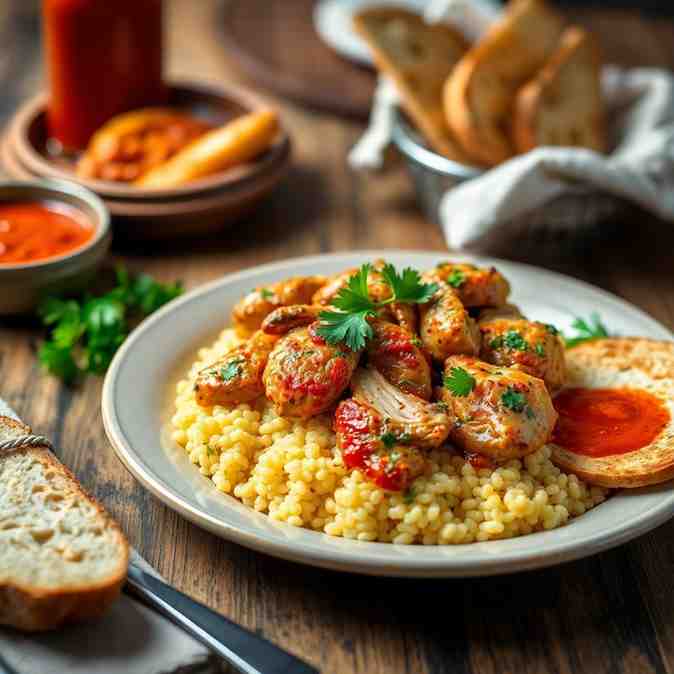
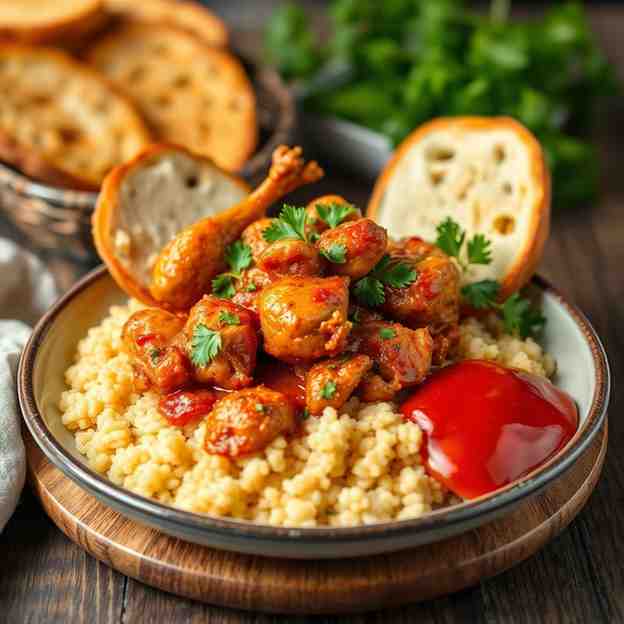
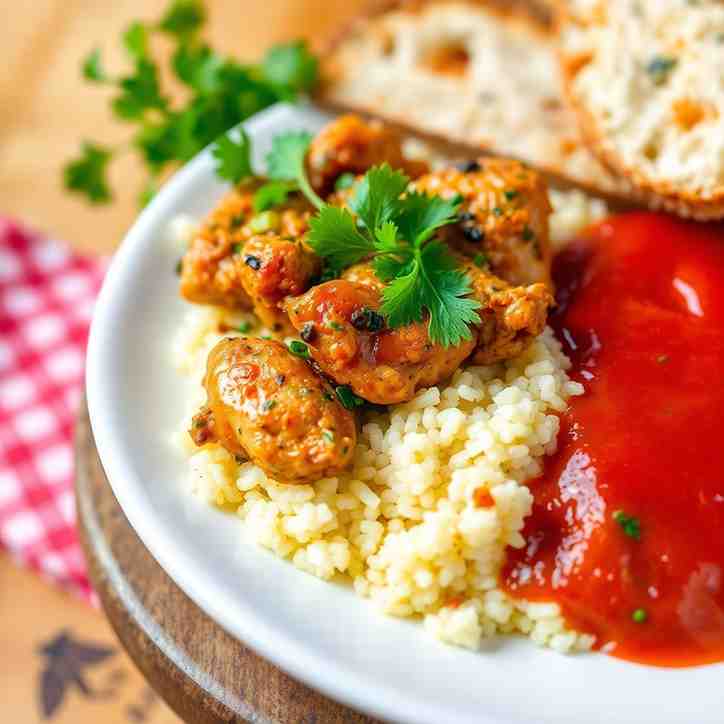
- Serves: 6 People
- Prepare Time: 30 minutes
- Cooking Time: 1 hour 45 m
- Calories: -
- Difficulty: Medium
Get ready to bring the heartwarming flavors of North Africa right into your kitchen with Algerian-Style Chicken Rfissa! If you're searching for incredible family meals chicken recipes, you've hit the jackpot. This isn't just any chicken dish; it's a deeply comforting, richly spiced stew of tender chicken and earthy lentils, all served over a bed of shredded flatbread. Think of it as a cozy hug in a bowl, perfect for gathering your loved ones.
While Rfissa is famously known across North Africa, with Moroccan origins, it holds a special place in Algerian kitchens too. Families throughout Algeria have embraced and adapted this incredible dish, serving it alongside their own beloved breads and making it a cherished part of their culinary traditions. It’s a fantastic way to explore traditional recipes for Algerian chicken dishes and dive into a meal that feels both exotic and wonderfully familiar.
This recipe will guide you through creating an authentic Algerian-style Rfissa, from mastering the aromatic spices and cooking techniques to understanding the key ingredients that make it so special. We'll even clear up any confusion between this savory delight and the sweet semolina dessert sometimes called Rfiss in Algeria – rest assured, you're in the right place for the savory chicken version! So, let's get cooking and make some delicious family meals chicken together.
Ingredients
Directions
- Soak the Lentils and Fenugreek
- Place the brown or green lentils in a bowl and cover with cold water. Let them soak overnight (8-12 hours).
- In a separate small bowl, place the fenugreek seeds and cover with water. Let them soak overnight as well. Soaking is crucial to soften them and mellow their bitterness.
- Quick-soak fallback: If you forgot to soak, you can boil lentils and fenugreek separately for 10 minutes, then drain and proceed. Be aware, the flavor and texture might not be as ideal.
- Marinate the Chicken with Onions & Spices
- In a large bowl, combine the chicken pieces, chopped onions, olive oil, Ras el Hanout, turmeric, ginger, salt, pepper, saffron (with its soaking water), and half of the fresh cilantro and parsley.
- Use your hands to really massage the marinade into the chicken, ensuring every piece and all the onion is well-coated. The chicken should look vibrant and fragrant.
- Cover the bowl and refrigerate for at least 2 hours, or ideally overnight, to let the flavors meld. This is key for best seasoning mix for chicken and easy seasoning for chicken.
- In a heavy-bottomed pot or Dutch oven, heat a tablespoon of olive oil over medium heat (if your chicken wasn't marinated in much oil).
- Add the marinated chicken and onions (no need to sear the chicken first). Cook gently, stirring occasionally, for 15-20 minutes. The onions will soften and release their liquid, creating a thick, fragrant, golden-brown sauce at the bottom of the pot. This is where the magic starts!
- If anything sticks, deglaze with a splash of water or stock, scraping up the flavorful bits.
- Drain the soaked fenugreek seeds and add them to the pot with the chicken and onions. Add the remaining fresh cilantro and parsley.
- Pour in 6 cups (1.4 liters) of water or chicken stock. Bring the mixture to a gentle boil, then reduce the heat to low, cover, and simmer for about 1 hour, or until the chicken is very tender and cooked through.
- While the chicken is simmering, drain the soaked lentils.
- After the chicken has cooked for about an hour, add the drained lentils to the pot.
- Continue to simmer, covered, for another 25-30 minutes, or until the lentils are tender but still hold their shape. The broth should be generous but not watery; if it's too thin, uncover and simmer for a few more minutes to reduce slightly.
- Stir in the smen (if using) during the last 5 minutes of cooking. Taste and adjust salt and any other spices (`chicken seasoning blend`) as needed.
- For extra flavor and crispy skin, carefully remove the cooked chicken pieces from the broth and place them on a baking sheet.
- Broil or oven roast at 400°F (200°C) for 10-15 minutes, or until the skin is golden brown and slightly crisp.
- Return the browned chicken to the simmering broth just before serving to warm through.
- While the chicken and lentils finish cooking, prepare your bread. Shred the msemen or flatbread into bite-sized pieces.
- Place the shredded bread in a steamer basket or a colander lined with a clean cloth, set over a pot of simmering water. Steam for 5-10 minutes, or until the bread is soft and warm but not mushy. This helps it absorb the broth beautifully without becoming gluey. If you don't have a steamer, you can gently warm it in a dry pan or microwave briefly.
- Arrange the hot, shredded bread on a large, communal serving platter.
Algerian Chicken Rfissa Meal
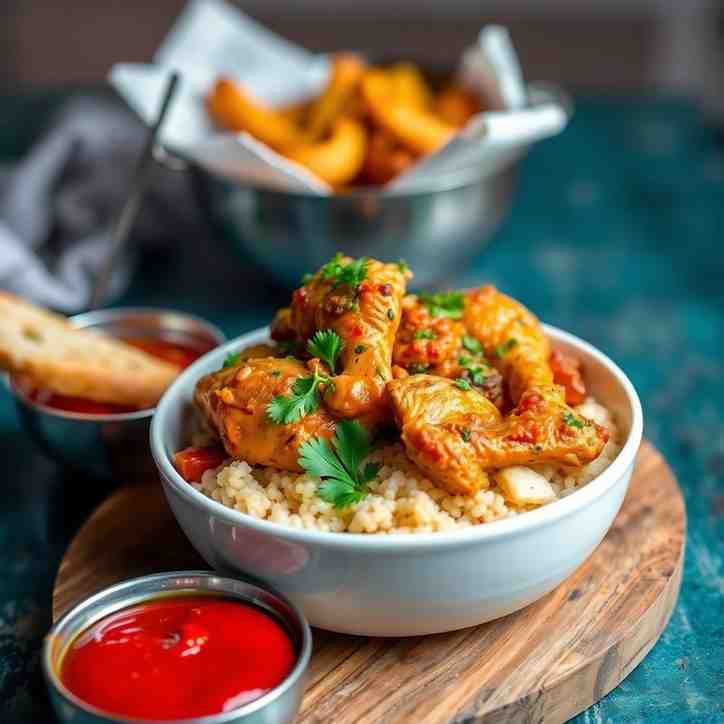
- Serves: 6 People
- Prepare Time: 30 minutes
- Cooking Time: 1 hour 45 m
- Calories: -
- Difficulty: Medium
Get ready to bring the heartwarming flavors of North Africa right into your kitchen with Algerian-Style Chicken Rfissa! If you're searching for incredible family meals chicken recipes, you've hit the jackpot. This isn't just any chicken dish; it's a deeply comforting, richly spiced stew of tender chicken and earthy lentils, all served over a bed of shredded flatbread. Think of it as a cozy hug in a bowl, perfect for gathering your loved ones.
While Rfissa is famously known across North Africa, with Moroccan origins, it holds a special place in Algerian kitchens too. Families throughout Algeria have embraced and adapted this incredible dish, serving it alongside their own beloved breads and making it a cherished part of their culinary traditions. It’s a fantastic way to explore traditional recipes for Algerian chicken dishes and dive into a meal that feels both exotic and wonderfully familiar.
This recipe will guide you through creating an authentic Algerian-style Rfissa, from mastering the aromatic spices and cooking techniques to understanding the key ingredients that make it so special. We'll even clear up any confusion between this savory delight and the sweet semolina dessert sometimes called Rfiss in Algeria – rest assured, you're in the right place for the savory chicken version! So, let's get cooking and make some delicious family meals chicken together.
Ingredients
Directions
- Soak the Lentils and Fenugreek
- Place the brown or green lentils in a bowl and cover with cold water. Let them soak overnight (8-12 hours).
- In a separate small bowl, place the fenugreek seeds and cover with water. Let them soak overnight as well. Soaking is crucial to soften them and mellow their bitterness.
- Quick-soak fallback: If you forgot to soak, you can boil lentils and fenugreek separately for 10 minutes, then drain and proceed. Be aware, the flavor and texture might not be as ideal.
- Marinate the Chicken with Onions & Spices
- In a large bowl, combine the chicken pieces, chopped onions, olive oil, Ras el Hanout, turmeric, ginger, salt, pepper, saffron (with its soaking water), and half of the fresh cilantro and parsley.
- Use your hands to really massage the marinade into the chicken, ensuring every piece and all the onion is well-coated. The chicken should look vibrant and fragrant.
- Cover the bowl and refrigerate for at least 2 hours, or ideally overnight, to let the flavors meld. This is key for best seasoning mix for chicken and easy seasoning for chicken.
- In a heavy-bottomed pot or Dutch oven, heat a tablespoon of olive oil over medium heat (if your chicken wasn't marinated in much oil).
- Add the marinated chicken and onions (no need to sear the chicken first). Cook gently, stirring occasionally, for 15-20 minutes. The onions will soften and release their liquid, creating a thick, fragrant, golden-brown sauce at the bottom of the pot. This is where the magic starts!
- If anything sticks, deglaze with a splash of water or stock, scraping up the flavorful bits.
- Drain the soaked fenugreek seeds and add them to the pot with the chicken and onions. Add the remaining fresh cilantro and parsley.
- Pour in 6 cups (1.4 liters) of water or chicken stock. Bring the mixture to a gentle boil, then reduce the heat to low, cover, and simmer for about 1 hour, or until the chicken is very tender and cooked through.
- While the chicken is simmering, drain the soaked lentils.
- After the chicken has cooked for about an hour, add the drained lentils to the pot.
- Continue to simmer, covered, for another 25-30 minutes, or until the lentils are tender but still hold their shape. The broth should be generous but not watery; if it's too thin, uncover and simmer for a few more minutes to reduce slightly.
- Stir in the smen (if using) during the last 5 minutes of cooking. Taste and adjust salt and any other spices (`chicken seasoning blend`) as needed.
- For extra flavor and crispy skin, carefully remove the cooked chicken pieces from the broth and place them on a baking sheet.
- Broil or oven roast at 400°F (200°C) for 10-15 minutes, or until the skin is golden brown and slightly crisp.
- Return the browned chicken to the simmering broth just before serving to warm through.
- While the chicken and lentils finish cooking, prepare your bread. Shred the msemen or flatbread into bite-sized pieces.
- Place the shredded bread in a steamer basket or a colander lined with a clean cloth, set over a pot of simmering water. Steam for 5-10 minutes, or until the bread is soft and warm but not mushy. This helps it absorb the broth beautifully without becoming gluey. If you don't have a steamer, you can gently warm it in a dry pan or microwave briefly.
- Arrange the hot, shredded bread on a large, communal serving platter.
The following nutritional values are per serving (one piece of cake) Calories 550-650 kcal Carbohydrates 50-60 g Protein 40-50 g Fat 20-30 g (varies with chicken cut and smen/olive oil use) Making Rfissa from scratch is a labor of love, but sometimes life gets busy! Here are some smart shortcuts and tools that can help you whip up this delicious dish without spending all day in the kitchen.Problem: Soaking fenugreek and lentils takes hours, and who remembers to do that the night before? Agitate: Forgetting to soak these key ingredients can throw your whole cooking schedule off, leaving you with either undercooked textures or a much longer active cooking time than you planned. Problem: Soaking fenugreek and lentils takes hours, and who remembers to do that the night before? Problem: Shredding and steaming traditional msemen or trid pastry can be a project in itself. Problem: Cooking chicken and lentils to tender perfection can take a long time on the stovetop. Click any ingredient for detailed nutritional information:Recipe Nutritional Values
Additional Information
Recipe Success Tips
Ingredient Substitutions & Variations
Cultural Variations
Make-Ahead & Storage Instructions
Frequently Asked Questions
Recommended Kitchen Tools
Quick-Soak Method for Lentils and Fenugreek:
Agitate: Forgetting to soak these key ingredients can throw your whole cooking schedule off, leaving you with either undercooked textures or a much longer active cooking time than you planned.
Solution:Quick-Soak Method for Lentils and Fenugreek: Instead of an overnight soak, you can do a quick soak. Bring water to a boil, add your lentils and fenugreek, boil for 5 minutes, then turn off the heat and let them sit for an hour. This dramatically cuts down prep time while still softening them up for cooking. Canned Lentils: For an even faster fix, keep canned brown or green lentils in your pantry. Just drain and rinse them, then add them to your stew during the last 15-20 minutes of simmering to heat through, saving you a good 30-40 minutes of cooking time.Store-Bought Flatbreads:
Agitate: While homemade bread is divine, making it from scratch for Rfissa adds a whole other level of effort, which might deter you from making this comforting meal on a weeknight.
Solution:Store-Bought Flatbreads: Look for ready-made msemen in the freezer section of Middle Eastern or international grocery stores. If you can't find them, paratha (found in Indian markets), pita bread, or even Algerian flatbreads are fantastic, easy-to-find substitutes. Simply warm them up and shred them for your base. This cuts out hours of dough-making and cooking!Pressure Cooker:
Agitate: Waiting for a stew to simmer for hours can be frustrating when you're hungry, and balancing heat to avoid overcooking or undercooking can be tricky.
Solution:Pressure Cooker: A pressure cooker is your best friend for Rfissa! It can tenderize chicken and cook lentils in a fraction of the time compared to a conventional pot. You can have the chicken and lentil stew ready in about 30-40 minutes of pressure cooking time, making this a much more weeknight-friendly meal. Just ensure you adjust liquid levels accordingly. Electric Steamer or Pot with Colander: If you don't have a traditional couscoussier, an electric steamer or even a large pot with a colander set inside (covered with a tight-fitting lid) works perfectly for steaming your shredded bread. This ensures your bread is soft and warm, ready to soak up all that delicious broth, without getting soggy.Calories per Ingredient
Resources & References
You may also like

Hey there! I’m just someone who seriously loves good food and believes that cooking doesn’t have to be complicated to be amazing. Whether it’s a quick weeknight dinner or a cozy weekend meal, I’m all about sharing easy, tasty recipes that actually work.