
Algerian Rechta Chicken Noodles & Veggies
Algerian Rechta Chicken Noodles & Veggies
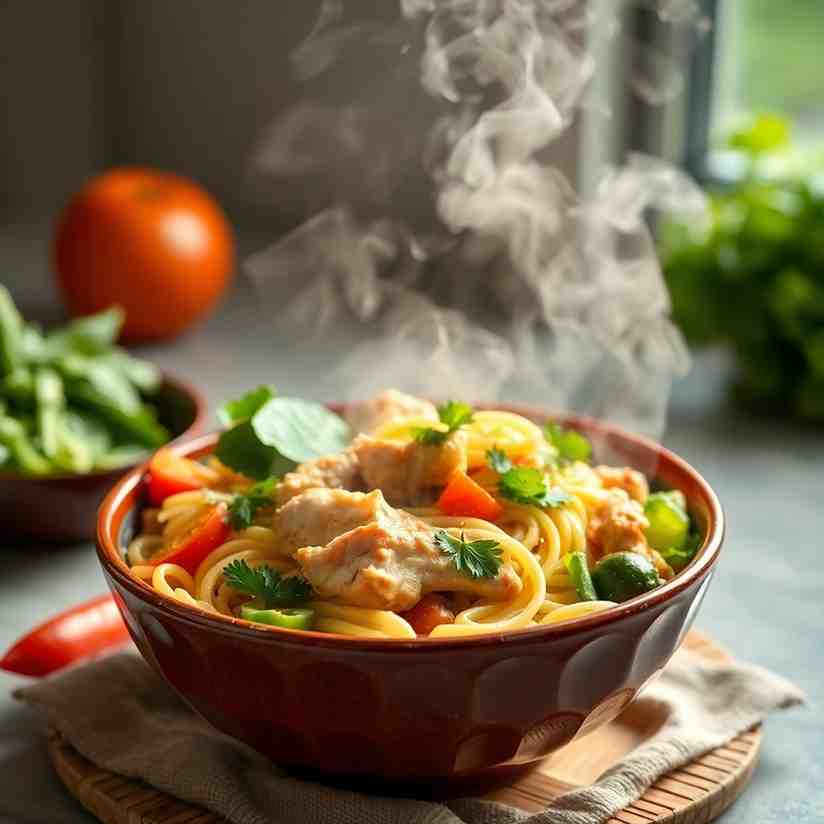
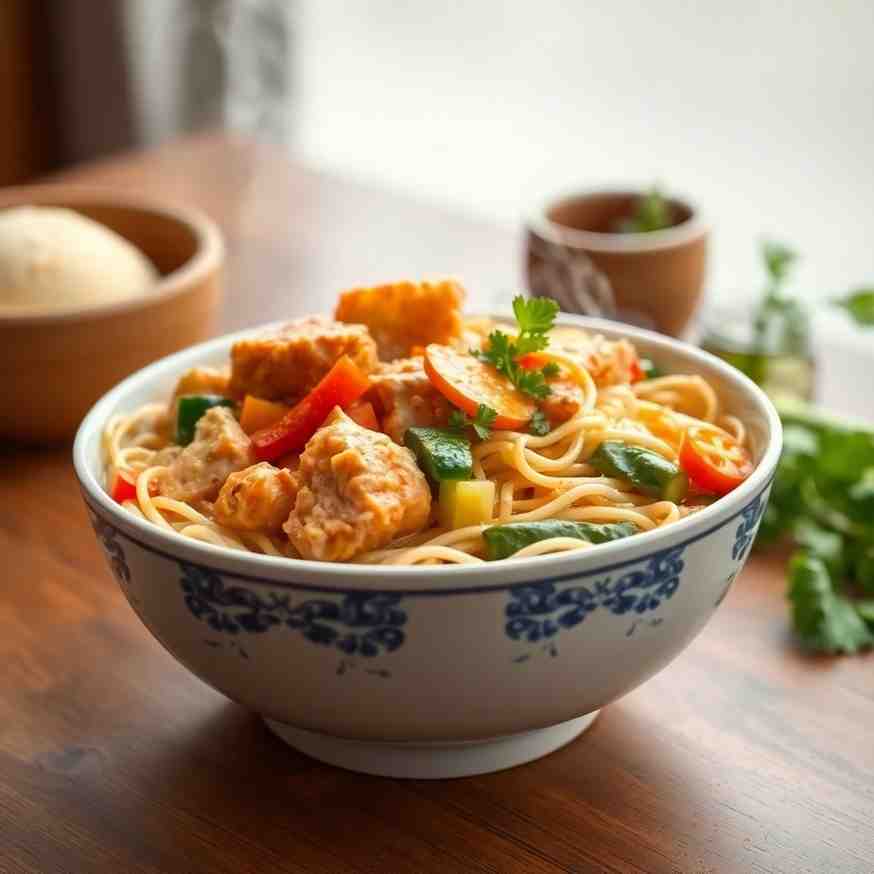
- Serves: 6 People
- Prepare Time: 45 minutes
- Cooking Time: 70 minutes
- Calories: -
- Difficulty: Medium
Welcome to a culinary journey that brings the warmth and comfort of North Africa right into your kitchen! Today, we’re diving into the delightful world of Algerian Rechta, a truly special dish that combines tender, hand-pulled noodles with vegetables and chicken in a rich, aromatic stew, all finished with a light, silky milk-based sauce. If you're looking for a hearty meal that’s both unique and incredibly satisfying, you’ve found your next favorite recipe.
So, what exactly is Algerian Rechta? Unlike your everyday Italian pasta or even its North African cousin, couscous, Rechta refers to delicate, thin, hand-made noodles that are a staple in Algerian cuisine. These noodles are lovingly prepared from scratch, giving them a texture and flavor that store-bought options just can't match. Rechta is a dish often reserved for special occasions, holidays, and cherished family gatherings, symbolizing warmth and togetherness. It’s a true comfort food, fitting perfectly into the broader family of North African stews, but standing out with its distinctive noodle base and creamy, yet light, finish.
This recipe is specifically designed to hit all the right notes for what you’re searching for:
It delivers that perfect combination of noodles with vegetables and chicken in an authentic North African spice base.
You’ll learn the genuine, hand-pulled Rechta technique, adapted for success in your home kitchen, making easy homemade noodles a reality.
It’s a truly hearty chicken-and-vegetable stew that could stand on its own, but truly shines with the addition of the Rechta.
And finally, it features that unique, light milk-based sauce that beautifully coats the noodles, offering a comforting alternative to heavier cream soups. Get ready to impress yourself and your loved ones with this incredible dish!
Ingredients
Directions
- Make and Rest the Rechta Dough In a large bowl, combine the flour and salt. Gradually add the warm water, mixing with your hands until a shaggy dough forms. Turn the dough out onto a clean, lightly floured surface and knead for 8-10 minutes. Your goal is a smooth, elastic dough that's no longer sticky. If it's too dry, add water a teaspoon at a time; if too sticky, add a sprinkle of flour. Once smooth, cover the dough with plastic wrap or a damp cloth and let it rest at room temperature for at least 20-30 minutes. This resting period is crucial as it allows the gluten to relax, making the dough much easier to roll and stretch for your hand pulled noodles.
- Roll, Stretch & Cut the NoodlesDivide the rested dough into 3-4 equal pieces. Work with one piece at a time, keeping the others covered. Lightly flour your work surface and a rolling pin. Roll each piece of dough out as thinly as possible – think paper-thin! If you're new to this, don't worry about perfection.
- Home-Cook Friendly Method 1 (Fold & Cut): Once rolled thin, lightly dust the sheet with flour, then fold it loosely into a rectangle or roll it up like a scroll. Using a sharp knife, slice very thin strips (about ⅛-inch wide).
- Home-Cook Friendly Method 2 (Hand-Stretched & Cut): Roll the dough thin, then gently stretch it further with your hands, pulling from the edges. Once stretched, lay it flat and cut into thin strips.
- Toss the freshly cut noodles lightly with a bit of flour or the neutral oil/melted butter to prevent them from sticking together. Set them aside while you prepare the stew.
- Technique Focus: Hand-Pulled North African Noodles at Home
- Tips for beginners: Don't get discouraged if your first batch isn't perfect! The key is patience and a well-rested dough. If the dough tears, just gently pinch it back together. If it shrinks back too much while rolling, cover it for another 5-10 minutes to let the gluten relax further. The goal is thinness, not uniformity. You're making easy homemade noodles, and they'll taste amazing no matter what!
- Brown the Chicken & Build the Flavor BasePat the chicken pieces dry with paper towels and season generously with salt and pepper. In a large, heavy-bottomed pot or Dutch oven, heat the olive oil over medium-high heat. Add the chicken pieces and brown them on all sides until golden, about 5-7 minutes per side. You're not cooking them through, just building flavor. Remove the browned chicken and set aside.
Reduce the heat to medium. Add the chopped onion to the pot and cook, stirring occasionally, until softened and translucent, about 5-7 minutes. Add the minced garlic, cumin, coriander, paprika, and optional cinnamon, along with the tomato paste. Cook for 1-2 minutes, stirring constantly, allowing the spices to "bloom" in the hot oil. This deepens their flavor and aroma. The base should smell wonderfully fragrant. Be careful not to burn the spices. - Simmer the Chicken & Vegetables into a Hearty Stew Pour in the chicken broth, scraping up any browned bits from the bottom of the pot. Return the browned chicken pieces to the pot, along with the carrots, zucchini (or turnip), and optional bay leaf. If using chickpeas, add them now to echo the hearty competitor stews. Bring the stew to a gentle simmer, then reduce the heat to low, cover, and cook for 30-40 minutes, or until the chicken is cooked through and the vegetables are tender. Check the liquid level; if it seems too thick, add a splash more broth or water. This simmering creates a truly hearty chicken and vegetable stew that's packed with flavor.
- Cook the Noodles & CombineYou have two options for cooking the noodles:
- Option A (Directly in Stew): Gently add the hand-pulled noodles directly into the simmering stew. Stir carefully to separate them. Cook for 5-8 minutes, or until the noodles are tender but still have a slight bite (al dente). Be aware that cooking them directly in the stew will thicken the liquid slightly.
- Option B (Separately): Bring a separate pot of lightly salted water to a boil. Add the noodles and cook for 2-4 minutes until tender. Drain well and add them to the stew.
- Finish with the Light Milk-Based Sauce In a small pot or microwave-safe bowl, gently warm the milk. If you choose to thicken the sauce slightly, whisk the flour or cornstarch into the warm milk until smooth. This tempering prevents the milk from shocking the stew and potentially curdling.
Reduce the heat under the stew to its lowest setting. Gradually stir the tempered milk into the gently simmering stew with the cooked noodles. Add the butter or extra olive oil and the lemon juice. Simmer briefly for just 2-3 minutes, stirring constantly, until the sauce lightly coats the noodles and chicken. Do not boil hard once the milk is added.- Mini “Sauce FAQ” inside this step:
- What to do if it looks thin: Simmer gently for another minute or two, stirring constantly. The sauce will thicken slightly as it cools.
- What to do if it feels too thick: Stir in a splash more warm chicken broth or milk until it reaches your desired consistency.
- How to avoid curdling: Keep the heat very gentle once the milk is added, and stir constantly. Warming the milk beforehand (tempering) is also a key preventive step. This process helps you explore methods for creating a traditional milk-based sauce for pasta dishes perfectly.
Algerian Rechta Chicken Noodles & Veggies
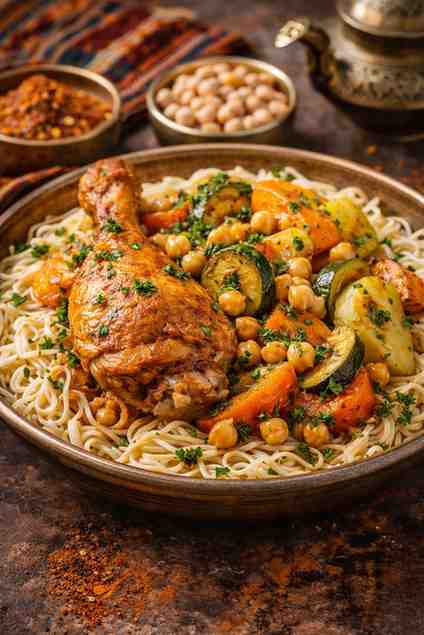
- Serves: 6 People
- Prepare Time: 45 minutes
- Cooking Time: 70 minutes
- Calories: -
- Difficulty: Medium
Welcome to a culinary journey that brings the warmth and comfort of North Africa right into your kitchen! Today, we’re diving into the delightful world of Algerian Rechta, a truly special dish that combines tender, hand-pulled noodles with vegetables and chicken in a rich, aromatic stew, all finished with a light, silky milk-based sauce. If you're looking for a hearty meal that’s both unique and incredibly satisfying, you’ve found your next favorite recipe.
So, what exactly is Algerian Rechta? Unlike your everyday Italian pasta or even its North African cousin, couscous, Rechta refers to delicate, thin, hand-made noodles that are a staple in Algerian cuisine. These noodles are lovingly prepared from scratch, giving them a texture and flavor that store-bought options just can't match. Rechta is a dish often reserved for special occasions, holidays, and cherished family gatherings, symbolizing warmth and togetherness. It’s a true comfort food, fitting perfectly into the broader family of North African stews, but standing out with its distinctive noodle base and creamy, yet light, finish.
This recipe is specifically designed to hit all the right notes for what you’re searching for:
It delivers that perfect combination of noodles with vegetables and chicken in an authentic North African spice base.
You’ll learn the genuine, hand-pulled Rechta technique, adapted for success in your home kitchen, making easy homemade noodles a reality.
It’s a truly hearty chicken-and-vegetable stew that could stand on its own, but truly shines with the addition of the Rechta.
And finally, it features that unique, light milk-based sauce that beautifully coats the noodles, offering a comforting alternative to heavier cream soups. Get ready to impress yourself and your loved ones with this incredible dish!
Ingredients
Directions
- Make and Rest the Rechta Dough In a large bowl, combine the flour and salt. Gradually add the warm water, mixing with your hands until a shaggy dough forms. Turn the dough out onto a clean, lightly floured surface and knead for 8-10 minutes. Your goal is a smooth, elastic dough that's no longer sticky. If it's too dry, add water a teaspoon at a time; if too sticky, add a sprinkle of flour. Once smooth, cover the dough with plastic wrap or a damp cloth and let it rest at room temperature for at least 20-30 minutes. This resting period is crucial as it allows the gluten to relax, making the dough much easier to roll and stretch for your hand pulled noodles.
- Roll, Stretch & Cut the NoodlesDivide the rested dough into 3-4 equal pieces. Work with one piece at a time, keeping the others covered. Lightly flour your work surface and a rolling pin. Roll each piece of dough out as thinly as possible – think paper-thin! If you're new to this, don't worry about perfection.
- Home-Cook Friendly Method 1 (Fold & Cut): Once rolled thin, lightly dust the sheet with flour, then fold it loosely into a rectangle or roll it up like a scroll. Using a sharp knife, slice very thin strips (about ⅛-inch wide).
- Home-Cook Friendly Method 2 (Hand-Stretched & Cut): Roll the dough thin, then gently stretch it further with your hands, pulling from the edges. Once stretched, lay it flat and cut into thin strips.
- Toss the freshly cut noodles lightly with a bit of flour or the neutral oil/melted butter to prevent them from sticking together. Set them aside while you prepare the stew.
- Technique Focus: Hand-Pulled North African Noodles at Home
- Tips for beginners: Don't get discouraged if your first batch isn't perfect! The key is patience and a well-rested dough. If the dough tears, just gently pinch it back together. If it shrinks back too much while rolling, cover it for another 5-10 minutes to let the gluten relax further. The goal is thinness, not uniformity. You're making easy homemade noodles, and they'll taste amazing no matter what!
- Brown the Chicken & Build the Flavor BasePat the chicken pieces dry with paper towels and season generously with salt and pepper. In a large, heavy-bottomed pot or Dutch oven, heat the olive oil over medium-high heat. Add the chicken pieces and brown them on all sides until golden, about 5-7 minutes per side. You're not cooking them through, just building flavor. Remove the browned chicken and set aside.
Reduce the heat to medium. Add the chopped onion to the pot and cook, stirring occasionally, until softened and translucent, about 5-7 minutes. Add the minced garlic, cumin, coriander, paprika, and optional cinnamon, along with the tomato paste. Cook for 1-2 minutes, stirring constantly, allowing the spices to "bloom" in the hot oil. This deepens their flavor and aroma. The base should smell wonderfully fragrant. Be careful not to burn the spices. - Simmer the Chicken & Vegetables into a Hearty Stew Pour in the chicken broth, scraping up any browned bits from the bottom of the pot. Return the browned chicken pieces to the pot, along with the carrots, zucchini (or turnip), and optional bay leaf. If using chickpeas, add them now to echo the hearty competitor stews. Bring the stew to a gentle simmer, then reduce the heat to low, cover, and cook for 30-40 minutes, or until the chicken is cooked through and the vegetables are tender. Check the liquid level; if it seems too thick, add a splash more broth or water. This simmering creates a truly hearty chicken and vegetable stew that's packed with flavor.
- Cook the Noodles & CombineYou have two options for cooking the noodles:
- Option A (Directly in Stew): Gently add the hand-pulled noodles directly into the simmering stew. Stir carefully to separate them. Cook for 5-8 minutes, or until the noodles are tender but still have a slight bite (al dente). Be aware that cooking them directly in the stew will thicken the liquid slightly.
- Option B (Separately): Bring a separate pot of lightly salted water to a boil. Add the noodles and cook for 2-4 minutes until tender. Drain well and add them to the stew.
- Finish with the Light Milk-Based Sauce In a small pot or microwave-safe bowl, gently warm the milk. If you choose to thicken the sauce slightly, whisk the flour or cornstarch into the warm milk until smooth. This tempering prevents the milk from shocking the stew and potentially curdling.
Reduce the heat under the stew to its lowest setting. Gradually stir the tempered milk into the gently simmering stew with the cooked noodles. Add the butter or extra olive oil and the lemon juice. Simmer briefly for just 2-3 minutes, stirring constantly, until the sauce lightly coats the noodles and chicken. Do not boil hard once the milk is added.- Mini “Sauce FAQ” inside this step:
- What to do if it looks thin: Simmer gently for another minute or two, stirring constantly. The sauce will thicken slightly as it cools.
- What to do if it feels too thick: Stir in a splash more warm chicken broth or milk until it reaches your desired consistency.
- How to avoid curdling: Keep the heat very gentle once the milk is added, and stir constantly. Warming the milk beforehand (tempering) is also a key preventive step. This process helps you explore methods for creating a traditional milk-based sauce for pasta dishes perfectly.
The following nutritional values are per serving (one piece of cake) Calories ~550-650 kcal Carbohydrates ~50-60g Protein ~35-45g Fat ~25-35g Time-Saving Tools & Ingredients Sometimes, even the most authentic recipes can benefit from a little help to fit into our busy lives. Here are a few tools and ingredients that can make whipping up your Algerian Rechta even smoother! Problem: Making hand-pulled Rechta noodles from scratch can feel intimidating and time-consuming, especially if you're new to working with dough. Problem: Dicing all those vegetables for the stew can be a bit of a chop-fest, adding extra prep time to your cooking before the real fun begins. Problem: Browning chicken can sometimes lead to uneven cooking, sticking to the pan, or annoying splatters on your stovetop, making cleanup a hassle. Click any ingredient for detailed nutritional information:Recipe Nutritional Values
Additional Information
Recipe Success Tips
Ingredient Substitutions & Variations
Make-Ahead & Storage Instructions
Troubleshooting & Timing Tips
Frequently Asked Questions
Recommended Kitchen Tools
Pasta Maker (Manual or Stand Mixer Attachment)
Agitate: The thought of rolling dough paper-thin by hand, only for it to shrink back or tear, can quickly turn an exciting cooking project into a frustrating chore, making you doubt if you can achieve that authentic, silky texture.
Solution: A manual pasta maker or a stand mixer pasta attachment is your secret weapon! These handy tools uniformly roll out the dough to your desired thickness with minimal effort, saving you significant time and ensuring perfectly thin, consistent noodles every time, just like a seasoned pro.Food Processor
Agitate: When you're eager to get dinner on the table, spending 15-20 minutes finely chopping onions, carrots, and zucchini can feel like a drag, especially if you're already hungry and smelling those delicious spices!
Solution: A food processor with a slicing or dicing attachment can dramatically reduce your prep time. Just load up your veggies, and let the machine do the hard work, giving you perfectly uniform pieces in seconds so you can get straight to building that delicious, hearty stew base.Heavy-Bottomed Dutch Oven or Braiser
Agitate: Dealing with a pan that doesn't hold heat well can result in chicken that steams instead of browns, leading to less flavorful results, plus the cleanup from oil splatters is no fun when you're done cooking.
Solution: Invest in a heavy-bottomed Dutch oven or braiser. Its excellent heat retention ensures your chicken gets a beautiful, deep golden crust, locking in all that amazing flavor, and its high sides help contain splatters, making for a cleaner and more efficient cooking experience from start to finish.Calories per Ingredient
Resources & References
You may also like



Hey there! I’m just someone who seriously loves good food and believes that cooking doesn’t have to be complicated to be amazing. Whether it’s a quick weeknight dinner or a cozy weekend meal, I’m all about sharing easy, tasty recipes that actually work.