
Artisanal French Baguette Recipe | Bake Today
Artisanal French Baguette Recipe | Bake Today
- Serves: 3 People
- Prepare Time: 20 minutes
- Cooking Time: 25-30 minut
- Calories: -
- Difficulty: Medium
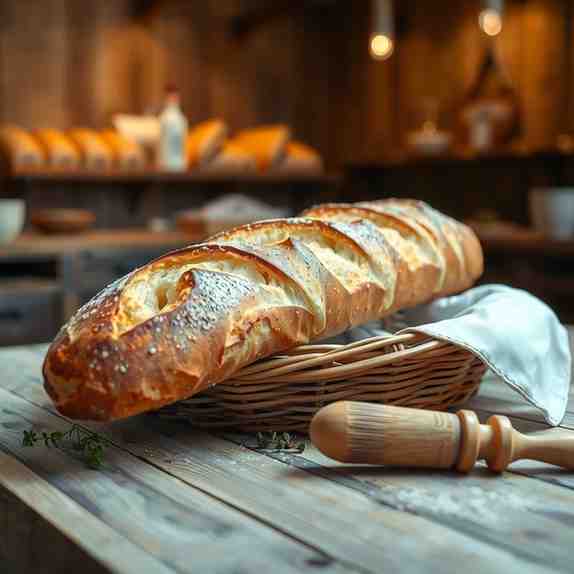
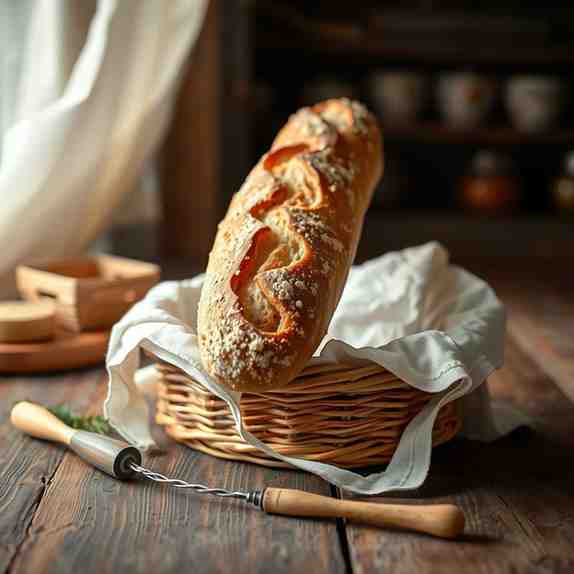
Ready to bring the magic of a Parisian boulangerie right into your own kitchen? This isn't just another artisanal French baguette recipe; it's your definitive guide to crafting an authentic homemade baguette with that elusive, shatteringly crusty French baguette exterior and an airy, chewy, open crumb. Forget the mystery and intimidation – we're breaking down the traditional techniques into easy-to-follow steps, perfect for home bakers who want bakery-style results without the guesswork.
Whether you're a beginner eager to learn how to make homemade baguette or an experienced baker looking to perfect your technique, this recipe will transform simple ingredients into a truly remarkable loaf. We'll cover everything from selecting the right flour to mastering shaping baguette dough techniques and achieving that coveted oven spring. Get ready to impress yourself and everyone at your table with the best homemade French baguette you've ever tasted!
Ingredients
Directions
The Quintessential French Delight Step-by-Step Instructions
This recipe is designed for maximum flavor and texture, utilizing a long, slow fermentation. While the total time is long, your active "hands-on" time is quite minimal.Timeline at a Glance:- Day 1 Morning (Active: 15-20 min): Mix + Rest, Stretch-and-Fold Sets
- Day 1 Afternoon (Waiting): Bulk Fermentation
- Day 1 Evening (Waiting): Cold Fermentation (Overnight)
- Day 2 Morning (Active: 20-30 min): Divide + Pre-shape, Final Shape, Proof, Preheat + Steam, Score + Bake, Cool
- In a large bowl, combine the bread flour and water. Mix them together with your hands or a Danish dough whisk until just combined and no dry flour remains. The dough will be shaggy and sticky.
- Cover the bowl with plastic wrap or a damp towel and let it rest at room temperature for 30 minutes to 1 hour. This "autolyse" step allows the flour to fully hydrate, developing gluten naturally and making the dough easier to work with.
- After the rest, sprinkle the salt and instant yeast over the dough. Dimple them in with your fingertips.
- Using wet hands, begin folding the dough. Grab a portion of the dough from the edge, stretch it up, and fold it over to the center. Rotate the bowl a quarter turn and repeat. Continue this motion for 2-3 minutes until the salt and yeast are fully incorporated. The dough will start to feel a bit smoother and more elastic.
- Cover the bowl and let the dough rest for 30 minutes.
- Repeat the stretch-and-fold process two more times, with 30-minute rests in between each set. For each set, aim for 4-6 folds. Be gentle; the goal is to build strength without degassing the dough too much.
- After the final stretch-and-fold set, cover the bowl and let the dough ferment at room temperature (around 70-75°F / 21-24°C) for 2-3 hours.
- Once the bulk fermentation is complete, gently transfer the covered bowl to the refrigerator for at least 12 hours, and up to 24 hours. This cold fermentation slows down the yeast activity, allowing for deeper flavor development and making the dough much easier to handle.
- The next day, remove the dough from the fridge. Lightly flour your work surface.
- Gently turn the cold dough out onto the floured surface. Avoid aggressive handling.
- Using a bench scraper, divide the dough into three equal pieces, aiming for about 290-300g per baguette.
- Cover the pre-shaped dough pieces with a clean kitchen towel and let them rest on the counter for 20-30 minutes. This "bench rest" allows the gluten to relax, making the final shaping much easier.
- Lightly flour your work surface again. Take one pre-shaped dough piece.
- Gently flatten it into a rectangle, about 8-10 inches long.
- Repeat for the remaining two dough pieces.
- Transfer each shaped baguette to a floured baker's couche (linen cloth) or a clean, heavily floured kitchen towel. Create pleats between each baguette to support their shape.
- Cover the baguettes loosely with another floured towel or plastic wrap.
- Let them proof at room temperature for 45-75 minutes. The exact time depends on your kitchen temperature.
- About 45 minutes before baking, place your baking stone or steel on the middle rack of your oven. Place a sturdy, oven-safe pan (like a cast-iron skillet or metal roasting pan) on the bottom rack.
- Preheat your oven to 475°F (245°C). Let it preheat for at least 30-45 minutes after it reaches temperature to ensure the stone/steel is thoroughly hot.
- Boil 1 cup of water in a kettle.
- Carefully transfer the proofed baguettes from the couche to a piece of parchment paper. A baguette peel is ideal for this, but you can gently roll them off the couche.
- Using a sharp lame or razor blade, quickly and confidently make 3-5 diagonal scores along the top of each baguette. The blade angle should be shallow (about 30 degrees), and the depth about 1/4 to 1/2 inch. Overlap each score slightly.
- Slide the parchment with the scored baguettes onto the preheated baking stone/steel.
- Immediately pour the 1 cup of boiling water into the hot pan on the bottom rack (be careful of the steam!). Quickly close the oven door.
- Bake with steam for 10 minutes.
- After 10 minutes, carefully open the oven door, remove the steam pan, and quickly close the door. This allows the crust to crisp up.
- Continue baking for another 15-20 minutes, or until the baguettes are a deep golden brown. If they're browning unevenly, you can rotate them halfway through the second bake time.
- Once baked, immediately transfer the baguettes to a wire cooling rack.
- Let them cool for at least 30-60 minutes before slicing. Cutting too early traps steam, resulting in a gummy interior and compromises that beautiful crust. The crackling sound as they cool is pure magic!
Artisanal French Baguette Recipe | Bake Today
- Serves: 3 People
- Prepare Time: 20 minutes
- Cooking Time: 25-30 minut
- Calories: -
- Difficulty: Medium
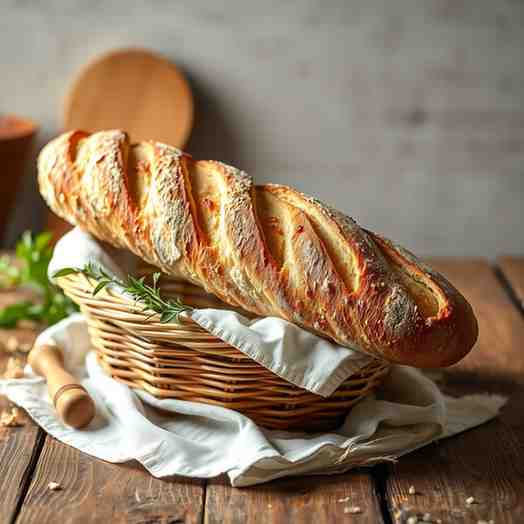
Ready to bring the magic of a Parisian boulangerie right into your own kitchen? This isn't just another artisanal French baguette recipe; it's your definitive guide to crafting an authentic homemade baguette with that elusive, shatteringly crusty French baguette exterior and an airy, chewy, open crumb. Forget the mystery and intimidation – we're breaking down the traditional techniques into easy-to-follow steps, perfect for home bakers who want bakery-style results without the guesswork.
Whether you're a beginner eager to learn how to make homemade baguette or an experienced baker looking to perfect your technique, this recipe will transform simple ingredients into a truly remarkable loaf. We'll cover everything from selecting the right flour to mastering shaping baguette dough techniques and achieving that coveted oven spring. Get ready to impress yourself and everyone at your table with the best homemade French baguette you've ever tasted!
Ingredients
Directions
The Quintessential French Delight Step-by-Step Instructions
This recipe is designed for maximum flavor and texture, utilizing a long, slow fermentation. While the total time is long, your active "hands-on" time is quite minimal.Timeline at a Glance:- Day 1 Morning (Active: 15-20 min): Mix + Rest, Stretch-and-Fold Sets
- Day 1 Afternoon (Waiting): Bulk Fermentation
- Day 1 Evening (Waiting): Cold Fermentation (Overnight)
- Day 2 Morning (Active: 20-30 min): Divide + Pre-shape, Final Shape, Proof, Preheat + Steam, Score + Bake, Cool
- In a large bowl, combine the bread flour and water. Mix them together with your hands or a Danish dough whisk until just combined and no dry flour remains. The dough will be shaggy and sticky.
- Cover the bowl with plastic wrap or a damp towel and let it rest at room temperature for 30 minutes to 1 hour. This "autolyse" step allows the flour to fully hydrate, developing gluten naturally and making the dough easier to work with.
- After the rest, sprinkle the salt and instant yeast over the dough. Dimple them in with your fingertips.
- Using wet hands, begin folding the dough. Grab a portion of the dough from the edge, stretch it up, and fold it over to the center. Rotate the bowl a quarter turn and repeat. Continue this motion for 2-3 minutes until the salt and yeast are fully incorporated. The dough will start to feel a bit smoother and more elastic.
- Cover the bowl and let the dough rest for 30 minutes.
- Repeat the stretch-and-fold process two more times, with 30-minute rests in between each set. For each set, aim for 4-6 folds. Be gentle; the goal is to build strength without degassing the dough too much.
- After the final stretch-and-fold set, cover the bowl and let the dough ferment at room temperature (around 70-75°F / 21-24°C) for 2-3 hours.
- Once the bulk fermentation is complete, gently transfer the covered bowl to the refrigerator for at least 12 hours, and up to 24 hours. This cold fermentation slows down the yeast activity, allowing for deeper flavor development and making the dough much easier to handle.
- The next day, remove the dough from the fridge. Lightly flour your work surface.
- Gently turn the cold dough out onto the floured surface. Avoid aggressive handling.
- Using a bench scraper, divide the dough into three equal pieces, aiming for about 290-300g per baguette.
- Cover the pre-shaped dough pieces with a clean kitchen towel and let them rest on the counter for 20-30 minutes. This "bench rest" allows the gluten to relax, making the final shaping much easier.
- Lightly flour your work surface again. Take one pre-shaped dough piece.
- Gently flatten it into a rectangle, about 8-10 inches long.
- Repeat for the remaining two dough pieces.
- Transfer each shaped baguette to a floured baker's couche (linen cloth) or a clean, heavily floured kitchen towel. Create pleats between each baguette to support their shape.
- Cover the baguettes loosely with another floured towel or plastic wrap.
- Let them proof at room temperature for 45-75 minutes. The exact time depends on your kitchen temperature.
- About 45 minutes before baking, place your baking stone or steel on the middle rack of your oven. Place a sturdy, oven-safe pan (like a cast-iron skillet or metal roasting pan) on the bottom rack.
- Preheat your oven to 475°F (245°C). Let it preheat for at least 30-45 minutes after it reaches temperature to ensure the stone/steel is thoroughly hot.
- Boil 1 cup of water in a kettle.
- Carefully transfer the proofed baguettes from the couche to a piece of parchment paper. A baguette peel is ideal for this, but you can gently roll them off the couche.
- Using a sharp lame or razor blade, quickly and confidently make 3-5 diagonal scores along the top of each baguette. The blade angle should be shallow (about 30 degrees), and the depth about 1/4 to 1/2 inch. Overlap each score slightly.
- Slide the parchment with the scored baguettes onto the preheated baking stone/steel.
- Immediately pour the 1 cup of boiling water into the hot pan on the bottom rack (be careful of the steam!). Quickly close the oven door.
- Bake with steam for 10 minutes.
- After 10 minutes, carefully open the oven door, remove the steam pan, and quickly close the door. This allows the crust to crisp up.
- Continue baking for another 15-20 minutes, or until the baguettes are a deep golden brown. If they're browning unevenly, you can rotate them halfway through the second bake time.
- Once baked, immediately transfer the baguettes to a wire cooling rack.
- Let them cool for at least 30-60 minutes before slicing. Cutting too early traps steam, resulting in a gummy interior and compromises that beautiful crust. The crackling sound as they cool is pure magic!
You may also like



Hey there! I’m just someone who seriously loves good food and believes that cooking doesn’t have to be complicated to be amazing. Whether it’s a quick weeknight dinner or a cozy weekend meal, I’m all about sharing easy, tasty recipes that actually work.



