
Cachupa Refogada - Portuguese Dish Recipe
Cachupa Refogada - Portuguese Dish Recipe


- Serves: 6 People
- Prepare Time: 1 hour (act
- Cooking Time: 5 hours 25
- Calories: -
- Difficulty: Medium
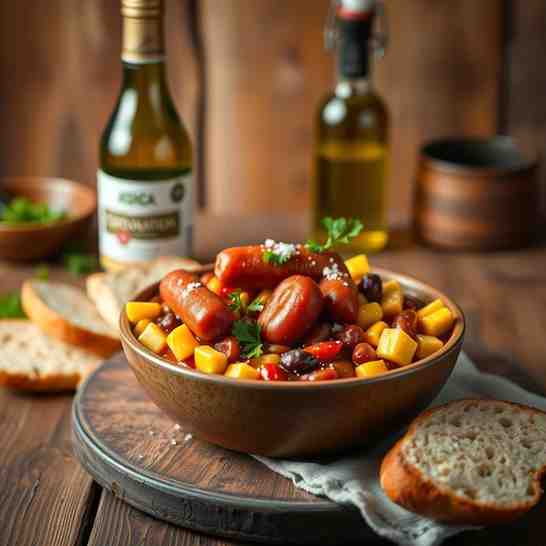
Welcome to the heart of Cape Verdean cuisine! If you're searching for authentic Cape Verdean Cachupa Refogada recipes or looking to explore hearty portuguese dish recipes, you've landed in the perfect spot. Cachupa is more than just a stew; it's the national dish of Cape Verde, a vibrant island nation whose culinary traditions are deeply influenced by Portugal. This incredibly flavorful, deeply satisfying stew is a celebration of hominy, beans, root vegetables, and often various meats, simmered slowly to perfection.
While the Day 1 stew (Cachupa) is a marvel on its own, the true magic happens on Day 2 with Cachupa Refogada (also known as Cachupa Guisada). This beloved transformation takes the leftover stew, fries it until wonderfully crispy and caramelized, and traditionally tops it with a fried egg. It’s an ingenious way to enjoy the rich flavors of Cachupa in a whole new, irresistible texture, making it one of the best easy to make lunch recipes or a comforting dinner.
This recipe is your definitive guide to mastering both versions. Unlike other recipes online, we’re bringing you the complete journey from start to finish—the rich, comforting Day 1 stew and the crispy, crave-worthy Day 2 refogada, all in one place. We’ll provide clear measurements, sensory cues for what to look for at each stage, and even U.S. grocery-friendly ingredient swaps. Get ready to prepare a truly easy to make dish that tastes like a labor of love, perfect for both beginners and experienced cooks alike. If you can make chili, you can absolutely make this!
Ingredients
Directions
- Before You Start – Plan & TimingCachupa is a dish best enjoyed over two days, allowing the flavors to deepen and giving you the incredible experience of Cachupa Refogada.
- Day 1 morning: If using dried beans and hominy, start soaking them now. This is crucial for proper cooking.
- Late afternoon (Day 1): Dedicate about 4-5 hours to cook the stew. Most of this time is hands-off simmering, making it perfect for a weekend project or a relaxed evening.
- Day 2: The refogada comes together quickly in about 20-25 minutes, perfect for a speedy, satisfying lunch or dinner.
- Using Canned Beans/Hominy Instead:If you're short on time, canned beans and hominy are a great shortcut. The flavor depth will be slightly different, but still delicious. You’ll adjust the simmer times significantly; canned items are added much later in the cooking process to prevent them from becoming mushy.
- Day 1: Make the Hearty Cachupa Stew
- Soak or Prep the Beans & Hominy
- For Dried: Place dried hominy and beans in separate large bowls. Cover each with plenty of cold water (at least 3 inches above the top) and soak overnight, or for at least 8-12 hours. Drain and rinse thoroughly before cooking.
- For Canned: If using canned hominy and beans, simply rinse them well under cold water and set aside. They will be added later in the cooking process.
- Season & Brown the Meats
- In a large bowl, combine the cubed corned beef brisket and diced salt pork (if using). Season generously with 3 cloves of minced garlic, smoked paprika, bay leaves, apple cider vinegar, salt, and freshly ground black pepper. Rub the seasoning into the meat.
- Heat 2 tablespoons of olive oil in your large Dutch oven or heavy pot over medium-high heat. Add the seasoned meats (corned beef and salt pork/bacon) and half of the diced onion. Brown the meats on all sides until lightly golden, about 8-10 minutes. The onion should soften and become translucent.
- Remove the browned meats and onion from the pot with a slotted spoon and set aside, leaving any rendered fat in the pot.
- Build the Broth Base
- To the same pot with the rendered fat, add the remaining diced onion and 3 cloves of minced garlic. Sauté for 3-5 minutes until fragrant and softened.
- Stir in the tomato paste (or tomato sauce) and cook for 1-2 minutes, stirring constantly, to deepen its flavor.
- Pour in 2 cups of the beef or vegetable bouillon/stock, whisking to deglaze the bottom of the pot and incorporate the tomato paste.
- Return the browned meats and onion to the pot. Add the remaining bouillon/stock (about 4-6 cups) until the meats are just covered. Bring to a boil, then reduce heat to low, cover, and simmer.
- Simmer Hominy & Beans Low and Slow
- If using dried hominy: Add the drained, rinsed hominy to the simmering pot. Stir well. Cover and simmer for 1 hour, stirring every 30 minutes and topping up with hot water or extra stock as needed to keep the hominy submerged.
- If using dried beans: After the hominy has simmered for 1 hour, add the drained, rinsed beans to the pot. Stir well. Continue to simmer for another 1 to 1.5 hours, or until the hominy and beans are mostly tender.
- Sensory Cues: The broth should start to look slightly thickened but still soupy. The beans should feel soft when pinched but not be falling apart.
- If using canned hominy/beans: Skip steps 1 and 2 above. Add the rinsed canned hominy and beans during the last 30-45 minutes of simmering the meat, after the yuca has had a chance to cook for a while (see Step 5). This prevents them from becoming mushy.
- Add Root Vegetables & Greens Without Turning Them Mushy
- Add the yuca chunks to the pot. Stir gently. Simmer for 45-50 minutes, or until the yuca is tender but still holds its shape.
- Next, add the sweet potato and butternut squash chunks. Continue to simmer for another 30 minutes.
- Finally, add the chopped greens. If using collards, add them first and simmer for 10 minutes. Then add kale or cabbage for the last 5-10 minutes, just until they are tender and vibrant green, not overcooked.
- Finish & Cool for Tomorrow
- Add the sliced chouriço or linguiça sausage to the stew for the final 20 minutes of cooking. This allows its flavors to meld without overcooking.
- Taste the stew and adjust seasoning with salt and pepper as needed. The flavors should be rich and balanced.
- Remove the pot from the heat and let it rest, covered, for 20-30 minutes. This resting time allows the flavors to deepen further and the stew to settle.
- Cooling Safely: Allow the stew to cool completely at room temperature (no more than 2 hours) before portioning.
- Refrigerate Overnight: Transfer the cooled Cachupa stew into airtight containers and refrigerate overnight. This step is essential for developing the deep flavors and firming up the stew, making it perfect for refogada the next day.
- Day 2: Turn It into Crispy Cachupa Refogada
- Drain the Stew
- The next day, take the chilled Cachupa stew from the refrigerator.
- Using a slotted spoon or a colander, carefully separate the solids (hominy, beans, vegetables, meats) from most of the broth. You can reserve a small amount of the flavorful broth in a separate container if you prefer your refogada a little less dry or for later use.
- Fry the Onions & Crisp the Cachupa
- Heat 2-3 tablespoons of extra-virgin olive oil in a large non-stick or well-seasoned skillet (10-12 inches) over medium-high heat.
- Add the thinly sliced onion and sauté for 5-7 minutes until translucent and softened.
- Add the drained Cachupa solids to the skillet, spreading them out in an even layer.
- Cook for 10-15 minutes, allowing the edges to crisp and brown. Resist the urge to stir constantly; let it sit undisturbed for several minutes at a time to develop those delicious caramelized, crispy bits on the bottom. Stir occasionally to ensure even browning, but don't mash the ingredients.
- Fry the Eggs & Serve
- Once the refogada is beautifully crispy and golden brown, transfer it to a warm serving dish or individual plates.
- Wipe out the skillet (or use a separate small skillet), add a little more olive oil if needed, and fry 4-6 eggs to your desired doneness (sunny-side up, over-easy, or fried hard).
- Plate: Heap a generous portion of the crispy Cachupa Refogada onto each plate and top with 1-2 freshly fried eggs.
- Garnish: Suggest garnishes like a dash of your favorite hot sauce, a sprinkle of fresh chopped parsley, or a lemon wedge for a touch of brightness.
- Serving Ideas for Lunch or DinnerCachupa Refogada is a meal in itself, but it pairs wonderfully with:
- A simple, fresh tomato and onion salad with a light vinaigrette.
- Sautéed greens (if you didn't add enough to the stew or want more fresh veg).
- Grilled sausage or roasted vegetables on the side for an extra boost.
- Portion Sizes: This recipe yields 6-8 hearty servings.
- Reheating Leftover Refogada: Reheat in a skillet over medium heat with a touch of oil to re-crisp, or in an oven/toaster oven for best results.
Cachupa Refogada - Portuguese Dish Recipe
- Serves: 6 People
- Prepare Time: 1 hour (act
- Cooking Time: 5 hours 25
- Calories: -
- Difficulty: Medium
Welcome to the heart of Cape Verdean cuisine! If you're searching for authentic Cape Verdean Cachupa Refogada recipes or looking to explore hearty portuguese dish recipes, you've landed in the perfect spot. Cachupa is more than just a stew; it's the national dish of Cape Verde, a vibrant island nation whose culinary traditions are deeply influenced by Portugal. This incredibly flavorful, deeply satisfying stew is a celebration of hominy, beans, root vegetables, and often various meats, simmered slowly to perfection.
While the Day 1 stew (Cachupa) is a marvel on its own, the true magic happens on Day 2 with Cachupa Refogada (also known as Cachupa Guisada). This beloved transformation takes the leftover stew, fries it until wonderfully crispy and caramelized, and traditionally tops it with a fried egg. It’s an ingenious way to enjoy the rich flavors of Cachupa in a whole new, irresistible texture, making it one of the best easy to make lunch recipes or a comforting dinner.
This recipe is your definitive guide to mastering both versions. Unlike other recipes online, we’re bringing you the complete journey from start to finish—the rich, comforting Day 1 stew and the crispy, crave-worthy Day 2 refogada, all in one place. We’ll provide clear measurements, sensory cues for what to look for at each stage, and even U.S. grocery-friendly ingredient swaps. Get ready to prepare a truly easy to make dish that tastes like a labor of love, perfect for both beginners and experienced cooks alike. If you can make chili, you can absolutely make this!
Ingredients
Directions
- Before You Start – Plan & TimingCachupa is a dish best enjoyed over two days, allowing the flavors to deepen and giving you the incredible experience of Cachupa Refogada.
- Day 1 morning: If using dried beans and hominy, start soaking them now. This is crucial for proper cooking.
- Late afternoon (Day 1): Dedicate about 4-5 hours to cook the stew. Most of this time is hands-off simmering, making it perfect for a weekend project or a relaxed evening.
- Day 2: The refogada comes together quickly in about 20-25 minutes, perfect for a speedy, satisfying lunch or dinner.
- Using Canned Beans/Hominy Instead:If you're short on time, canned beans and hominy are a great shortcut. The flavor depth will be slightly different, but still delicious. You’ll adjust the simmer times significantly; canned items are added much later in the cooking process to prevent them from becoming mushy.
- Day 1: Make the Hearty Cachupa Stew
- Soak or Prep the Beans & Hominy
- For Dried: Place dried hominy and beans in separate large bowls. Cover each with plenty of cold water (at least 3 inches above the top) and soak overnight, or for at least 8-12 hours. Drain and rinse thoroughly before cooking.
- For Canned: If using canned hominy and beans, simply rinse them well under cold water and set aside. They will be added later in the cooking process.
- Season & Brown the Meats
- In a large bowl, combine the cubed corned beef brisket and diced salt pork (if using). Season generously with 3 cloves of minced garlic, smoked paprika, bay leaves, apple cider vinegar, salt, and freshly ground black pepper. Rub the seasoning into the meat.
- Heat 2 tablespoons of olive oil in your large Dutch oven or heavy pot over medium-high heat. Add the seasoned meats (corned beef and salt pork/bacon) and half of the diced onion. Brown the meats on all sides until lightly golden, about 8-10 minutes. The onion should soften and become translucent.
- Remove the browned meats and onion from the pot with a slotted spoon and set aside, leaving any rendered fat in the pot.
- Build the Broth Base
- To the same pot with the rendered fat, add the remaining diced onion and 3 cloves of minced garlic. Sauté for 3-5 minutes until fragrant and softened.
- Stir in the tomato paste (or tomato sauce) and cook for 1-2 minutes, stirring constantly, to deepen its flavor.
- Pour in 2 cups of the beef or vegetable bouillon/stock, whisking to deglaze the bottom of the pot and incorporate the tomato paste.
- Return the browned meats and onion to the pot. Add the remaining bouillon/stock (about 4-6 cups) until the meats are just covered. Bring to a boil, then reduce heat to low, cover, and simmer.
- Simmer Hominy & Beans Low and Slow
- If using dried hominy: Add the drained, rinsed hominy to the simmering pot. Stir well. Cover and simmer for 1 hour, stirring every 30 minutes and topping up with hot water or extra stock as needed to keep the hominy submerged.
- If using dried beans: After the hominy has simmered for 1 hour, add the drained, rinsed beans to the pot. Stir well. Continue to simmer for another 1 to 1.5 hours, or until the hominy and beans are mostly tender.
- Sensory Cues: The broth should start to look slightly thickened but still soupy. The beans should feel soft when pinched but not be falling apart.
- If using canned hominy/beans: Skip steps 1 and 2 above. Add the rinsed canned hominy and beans during the last 30-45 minutes of simmering the meat, after the yuca has had a chance to cook for a while (see Step 5). This prevents them from becoming mushy.
- Add Root Vegetables & Greens Without Turning Them Mushy
- Add the yuca chunks to the pot. Stir gently. Simmer for 45-50 minutes, or until the yuca is tender but still holds its shape.
- Next, add the sweet potato and butternut squash chunks. Continue to simmer for another 30 minutes.
- Finally, add the chopped greens. If using collards, add them first and simmer for 10 minutes. Then add kale or cabbage for the last 5-10 minutes, just until they are tender and vibrant green, not overcooked.
- Finish & Cool for Tomorrow
- Add the sliced chouriço or linguiça sausage to the stew for the final 20 minutes of cooking. This allows its flavors to meld without overcooking.
- Taste the stew and adjust seasoning with salt and pepper as needed. The flavors should be rich and balanced.
- Remove the pot from the heat and let it rest, covered, for 20-30 minutes. This resting time allows the flavors to deepen further and the stew to settle.
- Cooling Safely: Allow the stew to cool completely at room temperature (no more than 2 hours) before portioning.
- Refrigerate Overnight: Transfer the cooled Cachupa stew into airtight containers and refrigerate overnight. This step is essential for developing the deep flavors and firming up the stew, making it perfect for refogada the next day.
- Day 2: Turn It into Crispy Cachupa Refogada
- Drain the Stew
- The next day, take the chilled Cachupa stew from the refrigerator.
- Using a slotted spoon or a colander, carefully separate the solids (hominy, beans, vegetables, meats) from most of the broth. You can reserve a small amount of the flavorful broth in a separate container if you prefer your refogada a little less dry or for later use.
- Fry the Onions & Crisp the Cachupa
- Heat 2-3 tablespoons of extra-virgin olive oil in a large non-stick or well-seasoned skillet (10-12 inches) over medium-high heat.
- Add the thinly sliced onion and sauté for 5-7 minutes until translucent and softened.
- Add the drained Cachupa solids to the skillet, spreading them out in an even layer.
- Cook for 10-15 minutes, allowing the edges to crisp and brown. Resist the urge to stir constantly; let it sit undisturbed for several minutes at a time to develop those delicious caramelized, crispy bits on the bottom. Stir occasionally to ensure even browning, but don't mash the ingredients.
- Fry the Eggs & Serve
- Once the refogada is beautifully crispy and golden brown, transfer it to a warm serving dish or individual plates.
- Wipe out the skillet (or use a separate small skillet), add a little more olive oil if needed, and fry 4-6 eggs to your desired doneness (sunny-side up, over-easy, or fried hard).
- Plate: Heap a generous portion of the crispy Cachupa Refogada onto each plate and top with 1-2 freshly fried eggs.
- Garnish: Suggest garnishes like a dash of your favorite hot sauce, a sprinkle of fresh chopped parsley, or a lemon wedge for a touch of brightness.
- Serving Ideas for Lunch or DinnerCachupa Refogada is a meal in itself, but it pairs wonderfully with:
- A simple, fresh tomato and onion salad with a light vinaigrette.
- Sautéed greens (if you didn't add enough to the stew or want more fresh veg).
- Grilled sausage or roasted vegetables on the side for an extra boost.
- Portion Sizes: This recipe yields 6-8 hearty servings.
- Reheating Leftover Refogada: Reheat in a skillet over medium heat with a touch of oil to re-crisp, or in an oven/toaster oven for best results.
You may also like



Hey there! I’m just someone who seriously loves good food and believes that cooking doesn’t have to be complicated to be amazing. Whether it’s a quick weeknight dinner or a cozy weekend meal, I’m all about sharing easy, tasty recipes that actually work.