Chikwangue - Gluten-Free Congolese Bread
Chikwangue - Gluten-Free Congolese Bread
- Serves: 6 People
- Prepare Time: 2 hours (ac
- Cooking Time: 2.5 hours
- Calories: -
- Difficulty: Medium
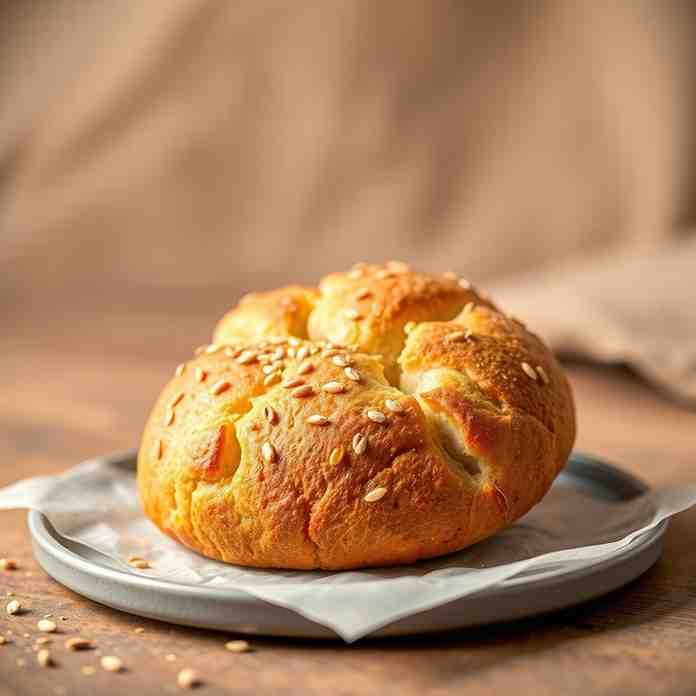
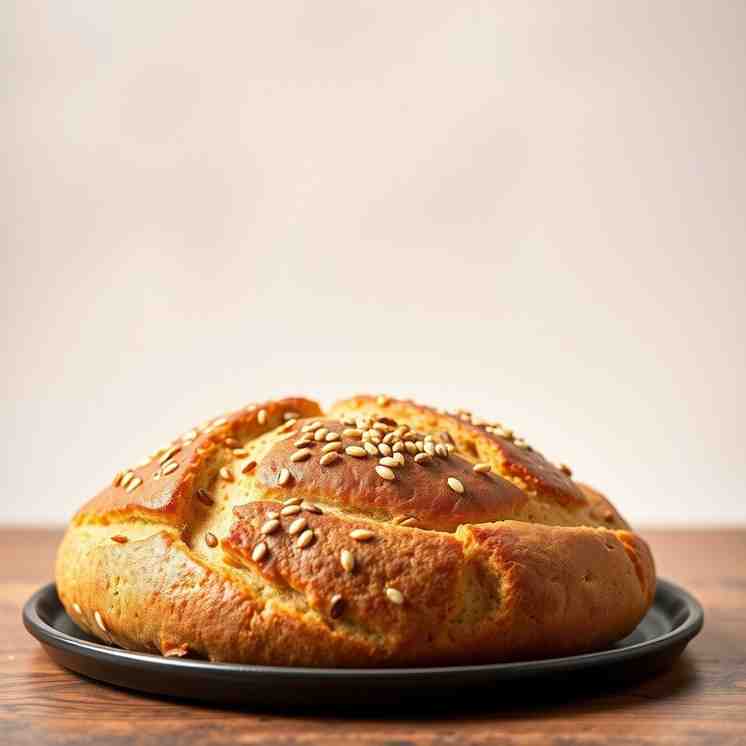
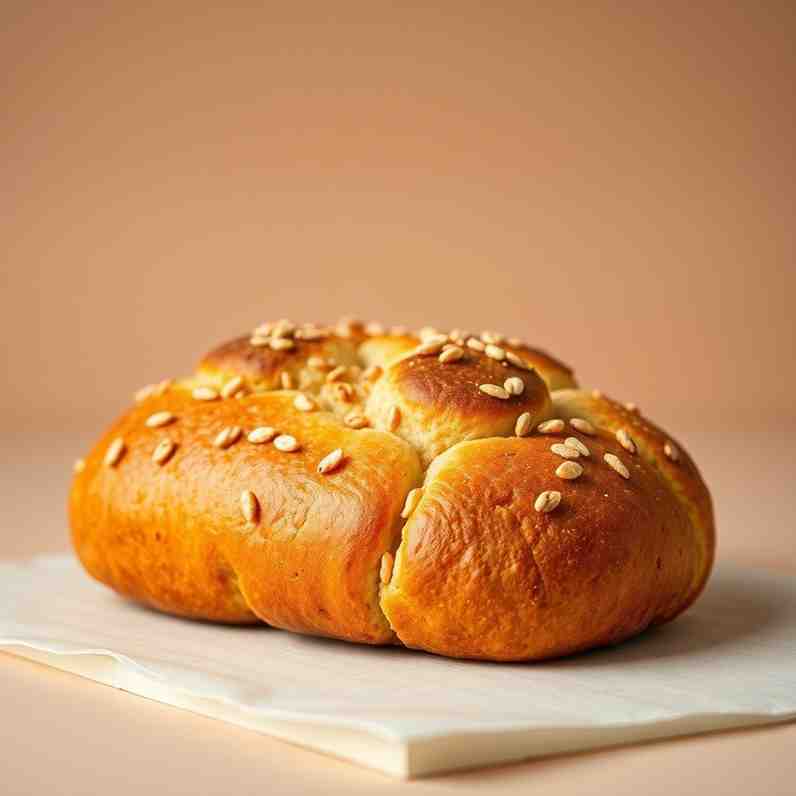
Ever wondered about the secret to incredible West and Central African cuisine? Meet Chikwangue (pronounced "chee-kwan-gweh"), also known as Kwanga or Cassava Baton – a true staple that’s as delightful as it is versatile. This fermented gluten bread is a culinary cornerstone, crafted from cassava roots and traditionally steamed in banana leaves. It’s a beloved everyday food and a must-have at celebrations across the Congo Basin and among the diaspora, usually served alongside rich, saucy dishes like poulet moambe, pondu, grilled fish, or hearty bean stews. If you're a fan of fufu, polenta, or even tamales, you’ll find Chikwangue to be their wonderful Congolese cousin, offering a unique texture and a subtly tangy flavor that perfectly complements any meal.
While the thought of a multi-day fermentation might sound intimidating, don't worry! This process is mostly hands-off, and we're here to guide you through every step with clear instructions and essential safety tips. Our goal is to bring you an authentic gluten-free recipe that’s both approachable for beginners and deeply satisfying for experienced cooks looking to explore gluten free food. Get ready to dive into the art of making this incredible gluten free vegan delight that’s perfect for gluten free side dishes or as part of delicious gluten free vegan meals.
Ingredients
Directions
- Peel & Soak the Cassava (Day 1)
- Carefully peel the cassava roots completely. Make sure no brown or pink outer layer remains, as these contain higher concentrations of natural compounds that need to be processed out.
- Cut the peeled cassava into manageable chunks, roughly 2-3 inches long.
- Place the cassava chunks in a large bowl or bucket. Cover them with plenty of fresh water, ensuring all pieces are submerged.
- Leave the container at room temperature, ideally in a cool, not hot, environment, to begin the fermentation process.
- Ferment & Check Readiness (Day 2–4)
- Change the soaking water once or twice per day. This helps rinse away impurities and ensures a safe, controlled fermentation.
- Observe the cassava's texture and smell. Over these days, the cassava will soften significantly.
- You’ll know it’s ready when the pieces are very soft to the touch, have a faintly tangy, pleasant sour smell (like sourdough), and no harsh or rotten odor. This usually takes 3-4 days, depending on your room temperature.
- Remove Fibres & Grind
- Once fermented, remove the cassava from the water. Break open each piece and carefully pull out any tough internal strings or fibres. Discard these.
- Place the defibered cassava chunks into a blender. Add just enough fresh water to help the blades move, aiming for a smooth, thick slurry. Alternatively, you can grate the cassava and then work it into a paste.
- This slurry is now ready for draining, which will remove excess water and refine the dough.
- Drain & Form the Dough
- Line a fine-mesh sieve with a clean cheesecloth or a nut milk bag. Pour the cassava slurry into the cloth-lined sieve, placing it over a large bowl to catch the draining liquid.
- Let it drain for several hours, or even overnight, until most of the liquid has seeped out.
- Once drained, gently squeeze the cloth bag to extract any remaining excess water. You should be left with a cohesive, pliable dough.
- The correct consistency is crucial: it should feel like a soft bread dough or firm mashed potatoes – not too wet, not too dry.
- Pre-Cook a Portion
- Take about one-quarter to one-third of your prepared cassava dough. Loosely wrap this portion in a small piece of plastic wrap or a banana leaf scrap.
- Steam this small portion briefly, just until it's partly cooked and slightly firmer. This step helps improve the final texture of the Chikwangue and can even shorten the overall steaming time.
- Once slightly cooled, mix this warm, partially cooked dough back into the remaining raw dough. Knead it thoroughly until everything is well combined and smooth.
- Shape the Batons
- Divide your enhanced dough into equal portions. The size will depend on your steamer and preferred Chikwangue size.
- Shape each portion into a log or baton shape, or a small loaf. Aim for a consistent thickness to ensure even cooking.
- Smooth the surface of each baton to prevent cracks during steaming.
- Wrap in Leaves
- If using fresh banana leaves, briefly pass them over a low flame or dip them in hot water for a few seconds. This makes them pliable and prevents cracking.
- Place one shaped cassava baton onto a banana leaf. Wrap it snugly, folding the sides and ends to create a secure package. If the leaf is small or the baton large, use a second leaf for extra security.
- Tie each wrapped baton securely with kitchen string in several places. This ensures the Chikwangue holds its shape during steaming.
- Steam Until Set
- Arrange the wrapped batons in a steamer basket or on a rack in a large pot with a few inches of water at the bottom. Ensure the water doesn't touch the batons.
- Cover the pot tightly with a lid.
- Steam the Chikwangue until the batons feel firm and bouncy when pressed. This can take approximately 2-3 hours, depending on their size and thickness. It’s important not to rush this step to ensure thorough cooking.
- Rest, Slice & Serve
- Once steamed, remove the batons from the steamer and let them cool slightly. This resting period allows them to firm up further.
- Just before serving, unwrap the Chikwangue from its banana leaf package.
- Slice it into rounds or wedges. Serve warm alongside your favorite saucy dishes. Enjoy your homemade, authentic Chikwangue!
Chikwangue - Gluten-Free Congolese Bread
- Serves: 6 People
- Prepare Time: 2 hours (ac
- Cooking Time: 2.5 hours
- Calories: -
- Difficulty: Medium
Ever wondered about the secret to incredible West and Central African cuisine? Meet Chikwangue (pronounced "chee-kwan-gweh"), also known as Kwanga or Cassava Baton – a true staple that’s as delightful as it is versatile. This fermented gluten bread is a culinary cornerstone, crafted from cassava roots and traditionally steamed in banana leaves. It’s a beloved everyday food and a must-have at celebrations across the Congo Basin and among the diaspora, usually served alongside rich, saucy dishes like poulet moambe, pondu, grilled fish, or hearty bean stews. If you're a fan of fufu, polenta, or even tamales, you’ll find Chikwangue to be their wonderful Congolese cousin, offering a unique texture and a subtly tangy flavor that perfectly complements any meal.
While the thought of a multi-day fermentation might sound intimidating, don't worry! This process is mostly hands-off, and we're here to guide you through every step with clear instructions and essential safety tips. Our goal is to bring you an authentic gluten-free recipe that’s both approachable for beginners and deeply satisfying for experienced cooks looking to explore gluten free food. Get ready to dive into the art of making this incredible gluten free vegan delight that’s perfect for gluten free side dishes or as part of delicious gluten free vegan meals.
Ingredients
Directions
- Peel & Soak the Cassava (Day 1)
- Carefully peel the cassava roots completely. Make sure no brown or pink outer layer remains, as these contain higher concentrations of natural compounds that need to be processed out.
- Cut the peeled cassava into manageable chunks, roughly 2-3 inches long.
- Place the cassava chunks in a large bowl or bucket. Cover them with plenty of fresh water, ensuring all pieces are submerged.
- Leave the container at room temperature, ideally in a cool, not hot, environment, to begin the fermentation process.
- Ferment & Check Readiness (Day 2–4)
- Change the soaking water once or twice per day. This helps rinse away impurities and ensures a safe, controlled fermentation.
- Observe the cassava's texture and smell. Over these days, the cassava will soften significantly.
- You’ll know it’s ready when the pieces are very soft to the touch, have a faintly tangy, pleasant sour smell (like sourdough), and no harsh or rotten odor. This usually takes 3-4 days, depending on your room temperature.
- Remove Fibres & Grind
- Once fermented, remove the cassava from the water. Break open each piece and carefully pull out any tough internal strings or fibres. Discard these.
- Place the defibered cassava chunks into a blender. Add just enough fresh water to help the blades move, aiming for a smooth, thick slurry. Alternatively, you can grate the cassava and then work it into a paste.
- This slurry is now ready for draining, which will remove excess water and refine the dough.
- Drain & Form the Dough
- Line a fine-mesh sieve with a clean cheesecloth or a nut milk bag. Pour the cassava slurry into the cloth-lined sieve, placing it over a large bowl to catch the draining liquid.
- Let it drain for several hours, or even overnight, until most of the liquid has seeped out.
- Once drained, gently squeeze the cloth bag to extract any remaining excess water. You should be left with a cohesive, pliable dough.
- The correct consistency is crucial: it should feel like a soft bread dough or firm mashed potatoes – not too wet, not too dry.
- Pre-Cook a Portion
- Take about one-quarter to one-third of your prepared cassava dough. Loosely wrap this portion in a small piece of plastic wrap or a banana leaf scrap.
- Steam this small portion briefly, just until it's partly cooked and slightly firmer. This step helps improve the final texture of the Chikwangue and can even shorten the overall steaming time.
- Once slightly cooled, mix this warm, partially cooked dough back into the remaining raw dough. Knead it thoroughly until everything is well combined and smooth.
- Shape the Batons
- Divide your enhanced dough into equal portions. The size will depend on your steamer and preferred Chikwangue size.
- Shape each portion into a log or baton shape, or a small loaf. Aim for a consistent thickness to ensure even cooking.
- Smooth the surface of each baton to prevent cracks during steaming.
- Wrap in Leaves
- If using fresh banana leaves, briefly pass them over a low flame or dip them in hot water for a few seconds. This makes them pliable and prevents cracking.
- Place one shaped cassava baton onto a banana leaf. Wrap it snugly, folding the sides and ends to create a secure package. If the leaf is small or the baton large, use a second leaf for extra security.
- Tie each wrapped baton securely with kitchen string in several places. This ensures the Chikwangue holds its shape during steaming.
- Steam Until Set
- Arrange the wrapped batons in a steamer basket or on a rack in a large pot with a few inches of water at the bottom. Ensure the water doesn't touch the batons.
- Cover the pot tightly with a lid.
- Steam the Chikwangue until the batons feel firm and bouncy when pressed. This can take approximately 2-3 hours, depending on their size and thickness. It’s important not to rush this step to ensure thorough cooking.
- Rest, Slice & Serve
- Once steamed, remove the batons from the steamer and let them cool slightly. This resting period allows them to firm up further.
- Just before serving, unwrap the Chikwangue from its banana leaf package.
- Slice it into rounds or wedges. Serve warm alongside your favorite saucy dishes. Enjoy your homemade, authentic Chikwangue!
You may also like


Hey there! I’m just someone who seriously loves good food and believes that cooking doesn’t have to be complicated to be amazing. Whether it’s a quick weeknight dinner or a cozy weekend meal, I’m all about sharing easy, tasty recipes that actually work.