
Japchae - Glossy Korean Glass Noodles
Japchae - Glossy Korean Glass Noodles
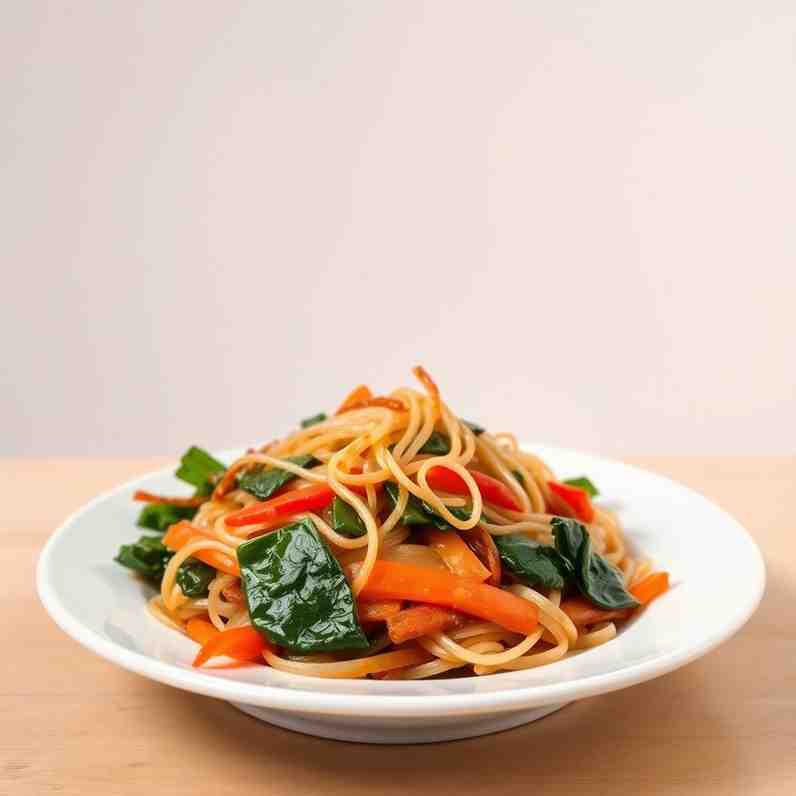
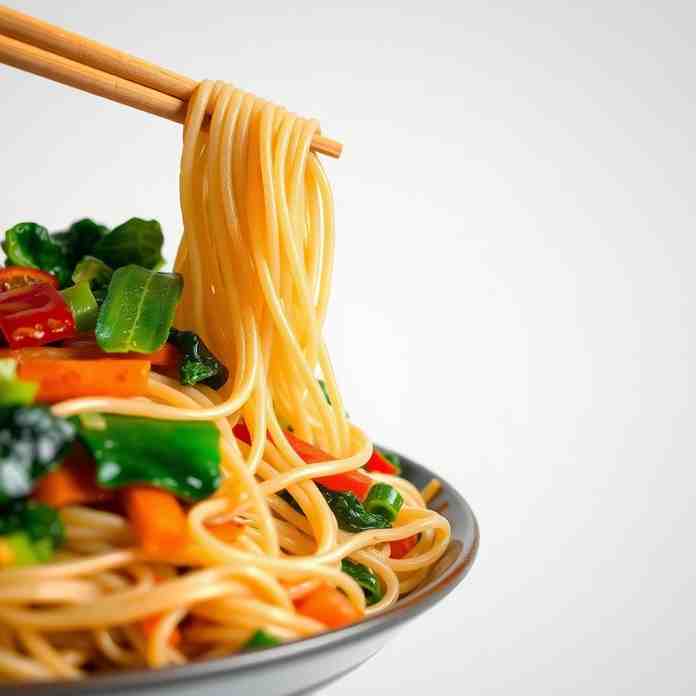
- Serves: 4 People
- Prepare Time: 40 minutes
- Cooking Time: 25 minutes
- Calories: -
- Difficulty: Medium
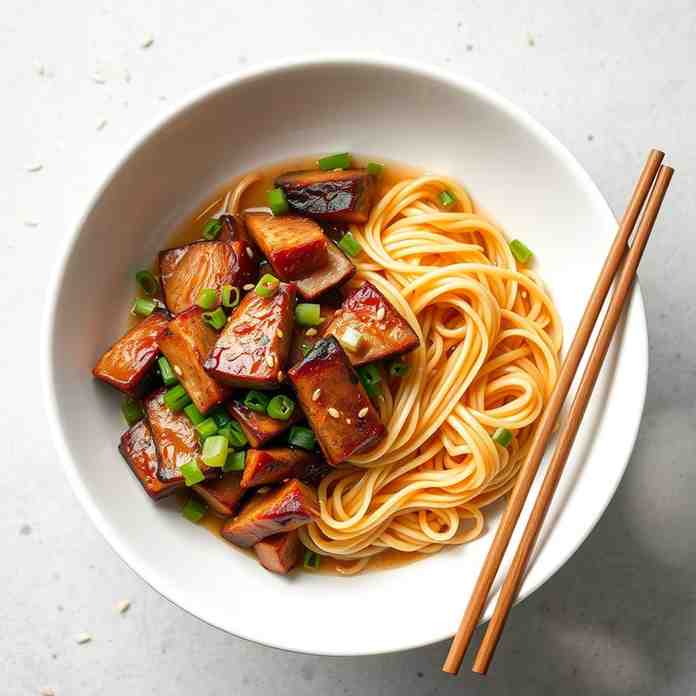
Craving a truly authentic taste of Korea? Look no further than Authentic Japchae! This vibrant, savory, and slightly sweet dish of Korean stir-fried glass noodles with beef and an array of colorful vegetables is a culinary delight. What makes our version stand out? We promise perfectly glossy, not mushy noodles, a rich soy-sesame flavor, and a satisfying texture that will transport your taste buds straight to Seoul. This isn't just another stir fry noodles recipe; it's a guide to mastering the art of Japchae, making it an ideal Korean meal prep option or a show-stopping dinner. While it involves a bit of prep, the cooking itself is lightning-fast, making it surprisingly easy to cook once you've got your ingredients ready.
At its heart, Japchae (잡채) is a celebration of dangmyeon – those wonderfully bouncy, translucent sweet potato starch noodles. The magic lies in the harmonious blend of soy sauce, sesame oil, and a touch of sugar, coating each strand and every carefully prepared component. From the perfectly seasoned beef to the crisp-tender vegetables, each element is cooked separately to maintain its integrity and then tossed together for a grand finale. This method ensures distinct flavors and textures, making our Japchae a truly authentic experience. Get ready for a dish that’s prep-heavy, but cook-fast, and absolutely worth every moment!
Ingredients
Directions
- Marinate the Beef: In a medium bowl, combine the thinly sliced beef with 1 tbsp soy sauce, mirin, 1 tsp sugar, 1 tsp minced garlic, 1/2 tsp sesame oil, and a pinch of black pepper. Mix well and let it marinate at room temperature for at least 15 minutes while you prepare other ingredients.
- Prepare the Noodles: Bring a large pot of water to a rolling boil. Add the sweet potato starch noodles and cook according to package directions, usually 6-8 minutes, until they are bouncy and translucent but still have a slight chew. Avoid overcooking to prevent mushy noodles. Drain the noodles immediately, rinse them thoroughly under cold water to stop cooking and remove excess starch, then drain very well. Toss the drained noodles with 1 tbsp sesame oil to prevent sticking and cut them once or twice with kitchen shears for easier eating. Set aside on a large plate.
- Cook the Vegetables in Batches:
- Spinach: Quickly blanch the spinach in the same boiling water used for noodles for about 30 seconds until wilted. Immediately transfer to an ice bath or rinse under cold water to stop cooking. Squeeze out as much water as possible by hand. In a small bowl, toss the squeezed spinach with 1 tbsp sesame oil. Set aside on a large "holding plate" for cooked veggies.
- Carrots & Onion: Heat 1 tbsp cooking oil in a large skillet or wok over medium-high heat. Add the julienned carrots and cook for 2-3 minutes until slightly tender-crisp. Add the thinly sliced onion and cook for another 2-3 minutes until softened. Transfer to the holding plate.
- Mushrooms: In the same skillet, add the sliced shiitake mushrooms (no need for more oil unless the pan is completely dry). Cook over high heat for 3-4 minutes until browned and tender, making sure not to crowd the pan. Transfer to the holding plate.
- Cook the Beef: Return the skillet to medium-high heat. Add the marinated beef and stir-fry for 3-5 minutes until fully cooked through and slightly caramelized.
- Combine & Sauce: Return all the cooked vegetables and the prepared noodles to the skillet with the beef. In a small bowl, whisk together 3 tbsp soy sauce, 2 tbsp sugar, 2 tbsp sesame oil, and 1 tbsp minced garlic for the final sauce. Pour about two-thirds of the sauce over the ingredients in the skillet. Using tongs, toss everything gently but thoroughly until the noodles and vegetables are evenly coated and glossy. Add more sauce gradually, tasting as you go, until you reach your desired flavor and glossiness. The goal is a coating, not a pooling of sauce.
- Finish & Serve: Remove from heat. Stir in the toasted sesame seeds. If using, garnish with chopped scallions. Taste and adjust seasoning if needed (a pinch more salt or sugar). Serve warm or at room temperature.
Japchae - Glossy Korean Glass Noodles
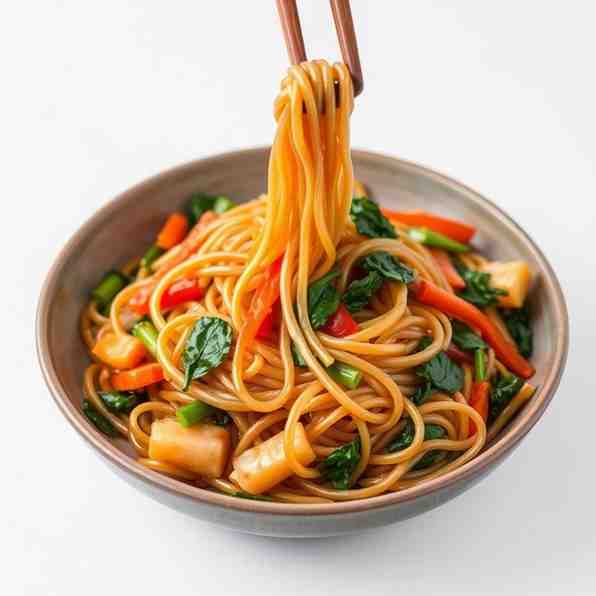
- Serves: 4 People
- Prepare Time: 40 minutes
- Cooking Time: 25 minutes
- Calories: -
- Difficulty: Medium
Craving a truly authentic taste of Korea? Look no further than Authentic Japchae! This vibrant, savory, and slightly sweet dish of Korean stir-fried glass noodles with beef and an array of colorful vegetables is a culinary delight. What makes our version stand out? We promise perfectly glossy, not mushy noodles, a rich soy-sesame flavor, and a satisfying texture that will transport your taste buds straight to Seoul. This isn't just another stir fry noodles recipe; it's a guide to mastering the art of Japchae, making it an ideal Korean meal prep option or a show-stopping dinner. While it involves a bit of prep, the cooking itself is lightning-fast, making it surprisingly easy to cook once you've got your ingredients ready.
At its heart, Japchae (잡채) is a celebration of dangmyeon – those wonderfully bouncy, translucent sweet potato starch noodles. The magic lies in the harmonious blend of soy sauce, sesame oil, and a touch of sugar, coating each strand and every carefully prepared component. From the perfectly seasoned beef to the crisp-tender vegetables, each element is cooked separately to maintain its integrity and then tossed together for a grand finale. This method ensures distinct flavors and textures, making our Japchae a truly authentic experience. Get ready for a dish that’s prep-heavy, but cook-fast, and absolutely worth every moment!
Ingredients
Directions
- Marinate the Beef: In a medium bowl, combine the thinly sliced beef with 1 tbsp soy sauce, mirin, 1 tsp sugar, 1 tsp minced garlic, 1/2 tsp sesame oil, and a pinch of black pepper. Mix well and let it marinate at room temperature for at least 15 minutes while you prepare other ingredients.
- Prepare the Noodles: Bring a large pot of water to a rolling boil. Add the sweet potato starch noodles and cook according to package directions, usually 6-8 minutes, until they are bouncy and translucent but still have a slight chew. Avoid overcooking to prevent mushy noodles. Drain the noodles immediately, rinse them thoroughly under cold water to stop cooking and remove excess starch, then drain very well. Toss the drained noodles with 1 tbsp sesame oil to prevent sticking and cut them once or twice with kitchen shears for easier eating. Set aside on a large plate.
- Cook the Vegetables in Batches:
- Spinach: Quickly blanch the spinach in the same boiling water used for noodles for about 30 seconds until wilted. Immediately transfer to an ice bath or rinse under cold water to stop cooking. Squeeze out as much water as possible by hand. In a small bowl, toss the squeezed spinach with 1 tbsp sesame oil. Set aside on a large "holding plate" for cooked veggies.
- Carrots & Onion: Heat 1 tbsp cooking oil in a large skillet or wok over medium-high heat. Add the julienned carrots and cook for 2-3 minutes until slightly tender-crisp. Add the thinly sliced onion and cook for another 2-3 minutes until softened. Transfer to the holding plate.
- Mushrooms: In the same skillet, add the sliced shiitake mushrooms (no need for more oil unless the pan is completely dry). Cook over high heat for 3-4 minutes until browned and tender, making sure not to crowd the pan. Transfer to the holding plate.
- Cook the Beef: Return the skillet to medium-high heat. Add the marinated beef and stir-fry for 3-5 minutes until fully cooked through and slightly caramelized.
- Combine & Sauce: Return all the cooked vegetables and the prepared noodles to the skillet with the beef. In a small bowl, whisk together 3 tbsp soy sauce, 2 tbsp sugar, 2 tbsp sesame oil, and 1 tbsp minced garlic for the final sauce. Pour about two-thirds of the sauce over the ingredients in the skillet. Using tongs, toss everything gently but thoroughly until the noodles and vegetables are evenly coated and glossy. Add more sauce gradually, tasting as you go, until you reach your desired flavor and glossiness. The goal is a coating, not a pooling of sauce.
- Finish & Serve: Remove from heat. Stir in the toasted sesame seeds. If using, garnish with chopped scallions. Taste and adjust seasoning if needed (a pinch more salt or sugar). Serve warm or at room temperature.
You may also like

Hey there! I’m just someone who seriously loves good food and believes that cooking doesn’t have to be complicated to be amazing. Whether it’s a quick weeknight dinner or a cozy weekend meal, I’m all about sharing easy, tasty recipes that actually work.