
Jjajangmyeon (Korean Black Bean Noodles) Recipe
Jjajangmyeon (Korean Black Bean Noodles) Recipe
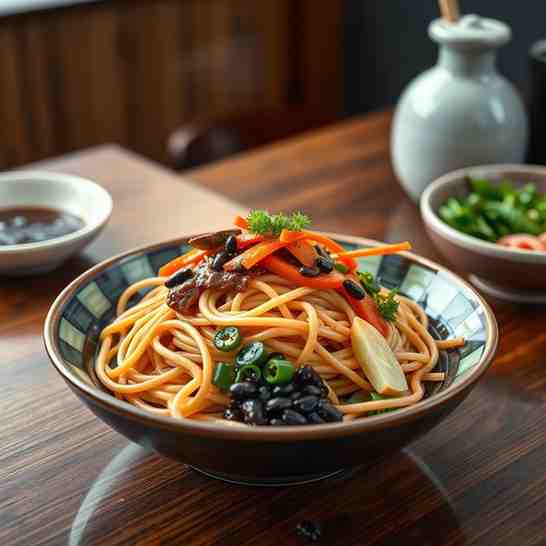
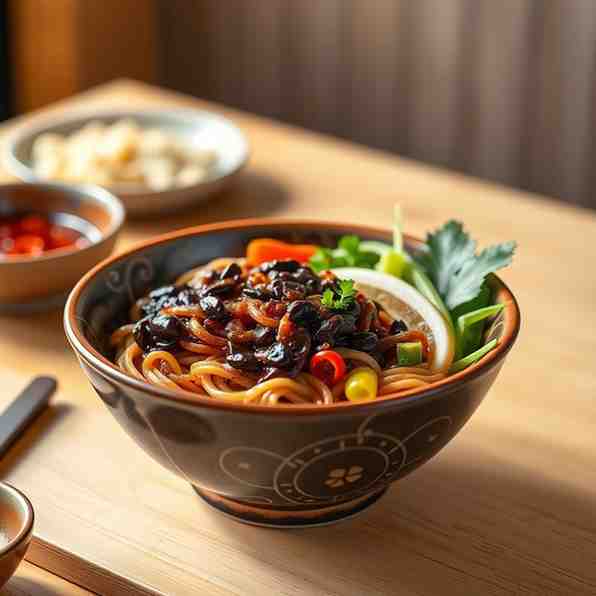
- Serves: 4 People
- Prepare Time: 15 minutes
- Cooking Time: 20 minutes
- Calories: -
- Difficulty: Easy
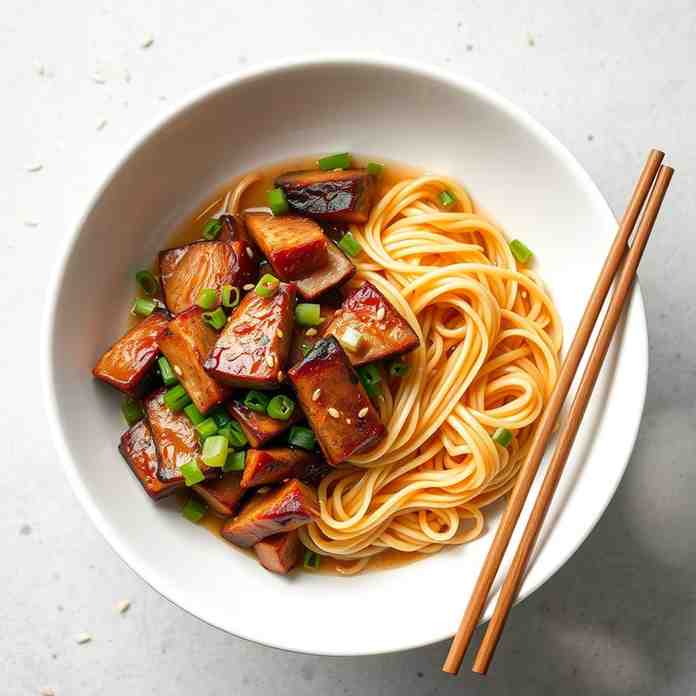
Craving a truly authentic bowl of korean black bean noodles? You’re in the right place! While many "black bean sauce" recipes online lead you to Chinese douchi-based dishes, this guide is all about the real deal: Jjajangmyeon. This iconic Korean comfort food features thick, chewy noodles drenched in a rich, savory black bean sauce that’s deeply satisfying and unlike anything else.
Here, you'll learn the secrets to making that perfect, restaurant-style black bean sauce using `chunjang` (Korean black bean paste) – the essential ingredient that gives jjajangmyeon its unique, unforgettable flavor. We'll walk you through the key techniques, from properly frying the paste to bringing the noodles and sauce together in harmony. Get ready to discover how simple it is to whip up this incredible jja jang myeon at home, even on a weeknight!
Before you dive into making your delicious korean black bean noodles, let’s clear up a few things that will guarantee your success and prevent any disappointment. The secret to authentic Jjajangmyeon lies in understanding the key ingredient and the flavor profile you’re aiming for.
This is perhaps the most crucial distinction!
Chunjang (Korean Black Bean Paste): This is your star ingredient for authentic Jjajangmyeon. It's a dark, thick paste made from fermented wheat flour and soybeans. You'll find it in tubs or vacuum-sealed bags in the refrigerated or Asian sauce aisle of Korean grocery stores, or online. Look for labels that say "Chunjang" (춘장) or "Black Bean Paste for Jjajangmyeon." It has a unique, slightly bitter, earthy, and savory flavor that transforms into a deep umami when properly fried.
Douchi (Fermented Black Soybeans): Often labeled "Chinese fermented black beans," douchi is a common ingredient in Chinese black bean dishes. It comes as whole or crushed beans and has a much saltier, more pungent flavor profile. While delicious in its own right, it is not suitable for Jjajangmyeon and will give you an entirely different dish.
Bottled Black Bean Garlic Sauce: This is a ready-to-use sauce, typically found in the Asian condiment aisle, often containing douchi, garlic, and other seasonings. It's great for stir-fries but lacks the specific depth and character needed for authentic Jjajangmyeon sauce. Using this will not yield the flavor you're looking for.
What "Good Jjajang" Tastes Like: Your finished korean black bean noodles sauce should be deeply savory, with a complex umami, a subtle sweetness, and no bitterness. The proper frying of the `chunjang` is key to achieving this.
Texture Goal: The sauce should be thick enough to beautifully cling to every strand of noodle, but not so thick that it becomes gluey or stodgy. It should be rich and smooth.
Ingredients
Directions
- Prep all ingredients: Before you start cooking, dice the pork, chop all the vegetables, and prepare your starch slurry (potato starch or cornstarch mixed with cold water). Having everything ready is key because this dish cooks quickly.
- Fry the chunjang (black bean paste): Heat 2 tablespoons of oil in a pan over medium heat. Add the chunjang (Korean black bean paste) and fry it gently for 2–3 minutes, stirring constantly.
➡️ This step is essential—it removes bitterness and deepens the rich, savory flavor.
Once done, transfer it to a small bowl and set aside. - Cook the pork: In the same pan, add a little more oil if needed. Cook the diced pork belly (or shoulder) over medium-high heat for about 4–5 minutes, until lightly browned and slightly crispy on the edges.
This builds a deep, meaty base for the sauce. - Add aromatics: Add the garlic and ginger to the pan with the pork. Stir-fry for about 30 seconds until fragrant.
Be careful not to burn them—they should smell aromatic, not bitter. - Add vegetables: Add the diced onion, zucchini, potato, and cabbage (if using).
Stir-fry everything together for 4–5 minutes until the vegetables begin to soften and the onions turn slightly translucent. - Build the sauce: Return the fried chunjang to the pan. Mix well so everything is evenly coated.
Pour in the stock (or water) and bring the mixture to a gentle simmer. Let it cook for about 8–10 minutes, or until the potatoes are fully tender. - Season and balance: Add sugar and soy sauce (optional). Stir and taste the sauce.
???? Adjust the sweetness to balance the salty, earthy flavor of the black bean paste—this is key to authentic taste. - Thicken the sauce: Give your starch slurry a quick stir, then slowly pour it into the simmering sauce while stirring continuously.
Cook for 1–2 minutes until the sauce becomes thick, glossy, and coats the back of a spoon. - Cook the noodles: Meanwhile, cook the jjajangmyeon noodles (or udon) according to package instructions. Drain well and rinse briefly with warm water to remove excess starch.
- Assemble and serve: Place the noodles in serving bowls and generously ladle the thick black bean sauce over the top.
Garnish with:
Sliced cucumber
Chopped scallions
Sesame seeds
Fried egg (optional)
A drizzle of sesame oil
Jjajangmyeon (Korean Black Bean Noodles) Recipe
-Recipe.jpg)
- Serves: 4 People
- Prepare Time: 15 minutes
- Cooking Time: 20 minutes
- Calories: -
- Difficulty: Easy
Craving a truly authentic bowl of korean black bean noodles? You’re in the right place! While many "black bean sauce" recipes online lead you to Chinese douchi-based dishes, this guide is all about the real deal: Jjajangmyeon. This iconic Korean comfort food features thick, chewy noodles drenched in a rich, savory black bean sauce that’s deeply satisfying and unlike anything else.
Here, you'll learn the secrets to making that perfect, restaurant-style black bean sauce using `chunjang` (Korean black bean paste) – the essential ingredient that gives jjajangmyeon its unique, unforgettable flavor. We'll walk you through the key techniques, from properly frying the paste to bringing the noodles and sauce together in harmony. Get ready to discover how simple it is to whip up this incredible jja jang myeon at home, even on a weeknight!
Before you dive into making your delicious korean black bean noodles, let’s clear up a few things that will guarantee your success and prevent any disappointment. The secret to authentic Jjajangmyeon lies in understanding the key ingredient and the flavor profile you’re aiming for.
This is perhaps the most crucial distinction!
Chunjang (Korean Black Bean Paste): This is your star ingredient for authentic Jjajangmyeon. It's a dark, thick paste made from fermented wheat flour and soybeans. You'll find it in tubs or vacuum-sealed bags in the refrigerated or Asian sauce aisle of Korean grocery stores, or online. Look for labels that say "Chunjang" (춘장) or "Black Bean Paste for Jjajangmyeon." It has a unique, slightly bitter, earthy, and savory flavor that transforms into a deep umami when properly fried.
Douchi (Fermented Black Soybeans): Often labeled "Chinese fermented black beans," douchi is a common ingredient in Chinese black bean dishes. It comes as whole or crushed beans and has a much saltier, more pungent flavor profile. While delicious in its own right, it is not suitable for Jjajangmyeon and will give you an entirely different dish.
Bottled Black Bean Garlic Sauce: This is a ready-to-use sauce, typically found in the Asian condiment aisle, often containing douchi, garlic, and other seasonings. It's great for stir-fries but lacks the specific depth and character needed for authentic Jjajangmyeon sauce. Using this will not yield the flavor you're looking for.
What "Good Jjajang" Tastes Like: Your finished korean black bean noodles sauce should be deeply savory, with a complex umami, a subtle sweetness, and no bitterness. The proper frying of the `chunjang` is key to achieving this.
Texture Goal: The sauce should be thick enough to beautifully cling to every strand of noodle, but not so thick that it becomes gluey or stodgy. It should be rich and smooth.
Ingredients
Directions
- Prep all ingredients: Before you start cooking, dice the pork, chop all the vegetables, and prepare your starch slurry (potato starch or cornstarch mixed with cold water). Having everything ready is key because this dish cooks quickly.
- Fry the chunjang (black bean paste): Heat 2 tablespoons of oil in a pan over medium heat. Add the chunjang (Korean black bean paste) and fry it gently for 2–3 minutes, stirring constantly.
➡️ This step is essential—it removes bitterness and deepens the rich, savory flavor.
Once done, transfer it to a small bowl and set aside. - Cook the pork: In the same pan, add a little more oil if needed. Cook the diced pork belly (or shoulder) over medium-high heat for about 4–5 minutes, until lightly browned and slightly crispy on the edges.
This builds a deep, meaty base for the sauce. - Add aromatics: Add the garlic and ginger to the pan with the pork. Stir-fry for about 30 seconds until fragrant.
Be careful not to burn them—they should smell aromatic, not bitter. - Add vegetables: Add the diced onion, zucchini, potato, and cabbage (if using).
Stir-fry everything together for 4–5 minutes until the vegetables begin to soften and the onions turn slightly translucent. - Build the sauce: Return the fried chunjang to the pan. Mix well so everything is evenly coated.
Pour in the stock (or water) and bring the mixture to a gentle simmer. Let it cook for about 8–10 minutes, or until the potatoes are fully tender. - Season and balance: Add sugar and soy sauce (optional). Stir and taste the sauce.
???? Adjust the sweetness to balance the salty, earthy flavor of the black bean paste—this is key to authentic taste. - Thicken the sauce: Give your starch slurry a quick stir, then slowly pour it into the simmering sauce while stirring continuously.
Cook for 1–2 minutes until the sauce becomes thick, glossy, and coats the back of a spoon. - Cook the noodles: Meanwhile, cook the jjajangmyeon noodles (or udon) according to package instructions. Drain well and rinse briefly with warm water to remove excess starch.
- Assemble and serve: Place the noodles in serving bowls and generously ladle the thick black bean sauce over the top.
Garnish with:
Sliced cucumber
Chopped scallions
Sesame seeds
Fried egg (optional)
A drizzle of sesame oil
You may also like

Hey there! I’m just someone who seriously loves good food and believes that cooking doesn’t have to be complicated to be amazing. Whether it’s a quick weeknight dinner or a cozy weekend meal, I’m all about sharing easy, tasty recipes that actually work.



