
Easy Baursak Fry Bread Recipe - Crispy Kazakh Puffs
Easy Baursak Fry Bread Recipe - Crispy Kazakh Puffs
- Serves: 6 People
- Prepare Time: 20 minutes
- Cooking Time: 25 minutes
- Calories: -
- Difficulty: Medium
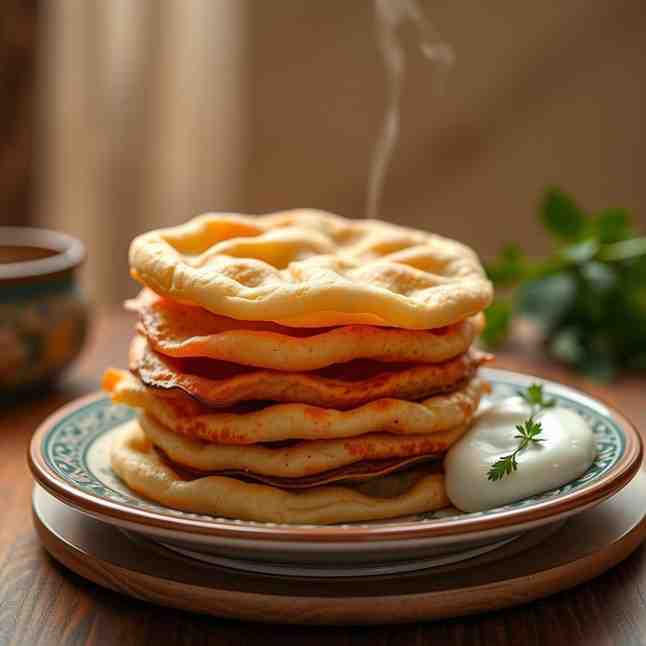
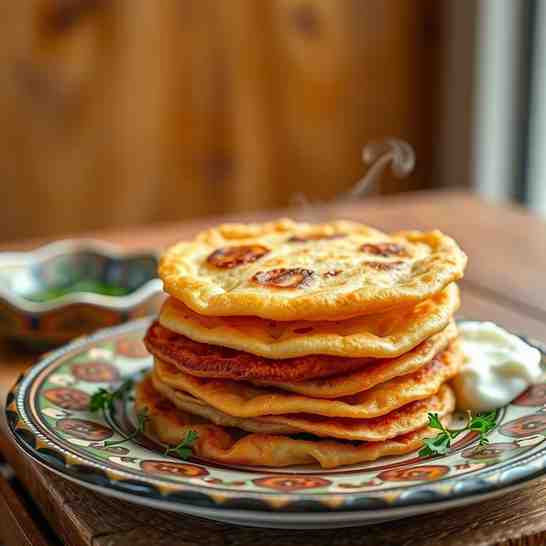
Craving a delicious, crispy fried bread that's soft on the inside? You've come to the right place! We're diving into the wonderful world of Baursak, a beloved Kazakh fried puffy bread that's a true delight. Forget dense, greasy fry bread; our Baursak (Kazakh Fried Puffy Bread) recipe promises a crispy outside, a wonderfully soft inside, and absolutely no greasiness. It's the kind of comforting treat you'll find gracing Kazakh tea tables during special occasions and everyday gatherings alike. Get ready to master this fantastic instant yeast bread recipe and discover the joy of making bread recipes that truly impress!
What it is: Light, airy, yeast-leavened fried dough pieces, similar to a savory doughnut or beignet.
It's easy to get these two traditional Kazakh breads mixed up, but here's the quick difference:
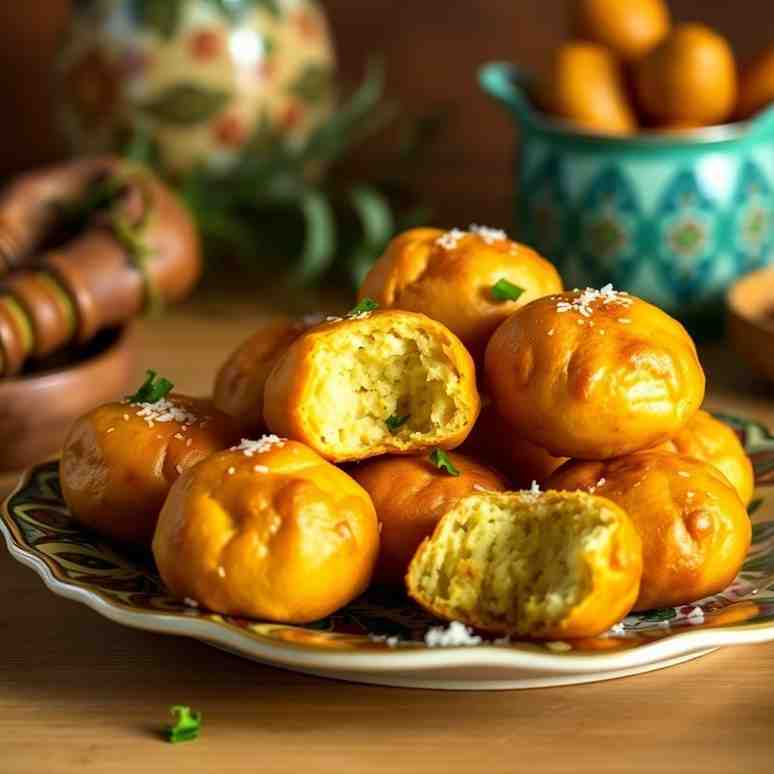
Baursak: These are small, yeast-leavened puffy pieces, deep-fried until golden and pillowy. Think of them as delightful little clouds.
Shelpek: This is a fried flatbread, typically a round, thin disc that's often quick-leavened or unleavened. It's crispy but not puffy like Baursak.
The Common Thread: Both are traditional Kazakh breads, both are fried, and both are commonly served with hot tea and a variety of savory or sweet sides.
Today, we're focusing entirely on Baursak – the irresistibly puffy kind! If you're looking for that airy, soft, melt-in-your-mouth experience, Baursak is your go-to.
Ingredients
Directions
- Mix and Knead the Dough
- In a large mixing bowl, combine the all-purpose flour, instant yeast, granulated sugar, and salt. Whisk briefly to combine.
- In a separate bowl, whisk together the warm milk, warm water, egg, and melted butter.
- Pour the wet ingredients into the dry ingredients. Stir with a wooden spoon or spatula until a shaggy dough forms.
- Turn the dough out onto a lightly floured surface. Knead for 8-10 minutes until the dough is smooth, elastic, and soft to the touch, with a slight tackiness. It should spring back slowly when poked. Avoid adding too much extra flour, as this can make the Baursak tough.
- First Rise (Proof)
- Lightly grease a clean bowl with a little oil. Place the dough in the bowl, turning it once to coat.
- Cover the bowl tightly with plastic wrap or a clean kitchen towel.
- Place the bowl in a warm spot (like a slightly warm oven, near a sunny window, or a proofing drawer) for 45-60 minutes, or until the dough has visibly doubled in size and feels airy. To check if it's ready, gently poke two fingers into the dough; if the indentations remain, it's proofed.
- Shape the Baursak
- Gently punch down the risen dough to release the air.
- Divide the dough into two equal portions for easier handling.
- On a lightly floured surface, roll out one portion of dough to about ¼ inch (6mm) thickness. Don't roll it too thin, as this can prevent proper puffing.
- Using a knife or a pastry wheel, cut the dough into small diamonds or squares, roughly 1-1.5 inches (2.5-4 cm) in size. The consistent size ensures even cooking.
- Transfer the cut pieces to a lightly floured baking sheet. Cover them loosely with a clean kitchen towel or plastic wrap to prevent them from drying out while you roll and cut the remaining dough.
- Heat the Frying Oil
- Pour the neutral frying oil into a heavy-bottomed pot, Dutch oven, or deep skillet. You'll need about 2-3 inches (5-7.5 cm) of oil depth for proper deep-frying.
- Place the pot over medium-high heat. Attach a deep-fry thermometer to the side of the pot.
- Heat the oil until it reaches a consistent temperature of 350-360°F (175-180°C). Maintaining this temperature is crucial for crispy, non-greasy Baursak. If you don't have a thermometer, you can test the oil by dropping a small piece of dough in; it should sizzle immediately and float to the surface within a few seconds, turning golden.
- Fry the Baursak
- Carefully add a few Baursak pieces to the hot oil, making sure not to overcrowd the pot. Fry in batches to maintain oil temperature and ensure even browning.
- Fry for 1-2 minutes per side, flipping them with a spider or slotted spoon, until they are evenly deep golden brown and visibly puffed up. They should feel light in your hand when done.
- Adjust the heat as needed to keep the oil temperature consistent. If the oil gets too hot, the Baursak will brown too quickly on the outside and remain raw inside. If it's too cool, they'll absorb too much oil and become greasy.
- Drain and Finish
- Using a spider or slotted spoon, transfer the fried Baursak to a wire rack set over a baking sheet. This allows excess oil to drip off and helps keep them crisp. Avoid draining on paper towels, as this can trap steam and make them soggy.
- Repeat with the remaining dough, ensuring the oil returns to the correct temperature between batches.
- For a traditional finish, you can lightly dust the warm Baursak with a sprinkle of granulated sugar. An optional drizzle of honey can also be added for extra sweetness. Serve immediately while warm and fresh!
Easy Baursak Fry Bread Recipe - Crispy Kazakh Puffs

- Serves: 6 People
- Prepare Time: 20 minutes
- Cooking Time: 25 minutes
- Calories: -
- Difficulty: Medium
Craving a delicious, crispy fried bread that's soft on the inside? You've come to the right place! We're diving into the wonderful world of Baursak, a beloved Kazakh fried puffy bread that's a true delight. Forget dense, greasy fry bread; our Baursak (Kazakh Fried Puffy Bread) recipe promises a crispy outside, a wonderfully soft inside, and absolutely no greasiness. It's the kind of comforting treat you'll find gracing Kazakh tea tables during special occasions and everyday gatherings alike. Get ready to master this fantastic instant yeast bread recipe and discover the joy of making bread recipes that truly impress!
What it is: Light, airy, yeast-leavened fried dough pieces, similar to a savory doughnut or beignet.
It's easy to get these two traditional Kazakh breads mixed up, but here's the quick difference:
Baursak: These are small, yeast-leavened puffy pieces, deep-fried until golden and pillowy. Think of them as delightful little clouds.
Shelpek: This is a fried flatbread, typically a round, thin disc that's often quick-leavened or unleavened. It's crispy but not puffy like Baursak.
The Common Thread: Both are traditional Kazakh breads, both are fried, and both are commonly served with hot tea and a variety of savory or sweet sides.
Today, we're focusing entirely on Baursak – the irresistibly puffy kind! If you're looking for that airy, soft, melt-in-your-mouth experience, Baursak is your go-to.
Ingredients
Directions
- Mix and Knead the Dough
- In a large mixing bowl, combine the all-purpose flour, instant yeast, granulated sugar, and salt. Whisk briefly to combine.
- In a separate bowl, whisk together the warm milk, warm water, egg, and melted butter.
- Pour the wet ingredients into the dry ingredients. Stir with a wooden spoon or spatula until a shaggy dough forms.
- Turn the dough out onto a lightly floured surface. Knead for 8-10 minutes until the dough is smooth, elastic, and soft to the touch, with a slight tackiness. It should spring back slowly when poked. Avoid adding too much extra flour, as this can make the Baursak tough.
- First Rise (Proof)
- Lightly grease a clean bowl with a little oil. Place the dough in the bowl, turning it once to coat.
- Cover the bowl tightly with plastic wrap or a clean kitchen towel.
- Place the bowl in a warm spot (like a slightly warm oven, near a sunny window, or a proofing drawer) for 45-60 minutes, or until the dough has visibly doubled in size and feels airy. To check if it's ready, gently poke two fingers into the dough; if the indentations remain, it's proofed.
- Shape the Baursak
- Gently punch down the risen dough to release the air.
- Divide the dough into two equal portions for easier handling.
- On a lightly floured surface, roll out one portion of dough to about ¼ inch (6mm) thickness. Don't roll it too thin, as this can prevent proper puffing.
- Using a knife or a pastry wheel, cut the dough into small diamonds or squares, roughly 1-1.5 inches (2.5-4 cm) in size. The consistent size ensures even cooking.
- Transfer the cut pieces to a lightly floured baking sheet. Cover them loosely with a clean kitchen towel or plastic wrap to prevent them from drying out while you roll and cut the remaining dough.
- Heat the Frying Oil
- Pour the neutral frying oil into a heavy-bottomed pot, Dutch oven, or deep skillet. You'll need about 2-3 inches (5-7.5 cm) of oil depth for proper deep-frying.
- Place the pot over medium-high heat. Attach a deep-fry thermometer to the side of the pot.
- Heat the oil until it reaches a consistent temperature of 350-360°F (175-180°C). Maintaining this temperature is crucial for crispy, non-greasy Baursak. If you don't have a thermometer, you can test the oil by dropping a small piece of dough in; it should sizzle immediately and float to the surface within a few seconds, turning golden.
- Fry the Baursak
- Carefully add a few Baursak pieces to the hot oil, making sure not to overcrowd the pot. Fry in batches to maintain oil temperature and ensure even browning.
- Fry for 1-2 minutes per side, flipping them with a spider or slotted spoon, until they are evenly deep golden brown and visibly puffed up. They should feel light in your hand when done.
- Adjust the heat as needed to keep the oil temperature consistent. If the oil gets too hot, the Baursak will brown too quickly on the outside and remain raw inside. If it's too cool, they'll absorb too much oil and become greasy.
- Drain and Finish
- Using a spider or slotted spoon, transfer the fried Baursak to a wire rack set over a baking sheet. This allows excess oil to drip off and helps keep them crisp. Avoid draining on paper towels, as this can trap steam and make them soggy.
- Repeat with the remaining dough, ensuring the oil returns to the correct temperature between batches.
- For a traditional finish, you can lightly dust the warm Baursak with a sprinkle of granulated sugar. An optional drizzle of honey can also be added for extra sweetness. Serve immediately while warm and fresh!
You may also like



Hey there! I’m just someone who seriously loves good food and believes that cooking doesn’t have to be complicated to be amazing. Whether it’s a quick weeknight dinner or a cozy weekend meal, I’m all about sharing easy, tasty recipes that actually work.