
Belgian Rabbit in Prune Sauce (Lapin aux Pruneaux) Recipe
Belgian Rabbit in Prune Sauce (Lapin aux Pruneaux) Recipe
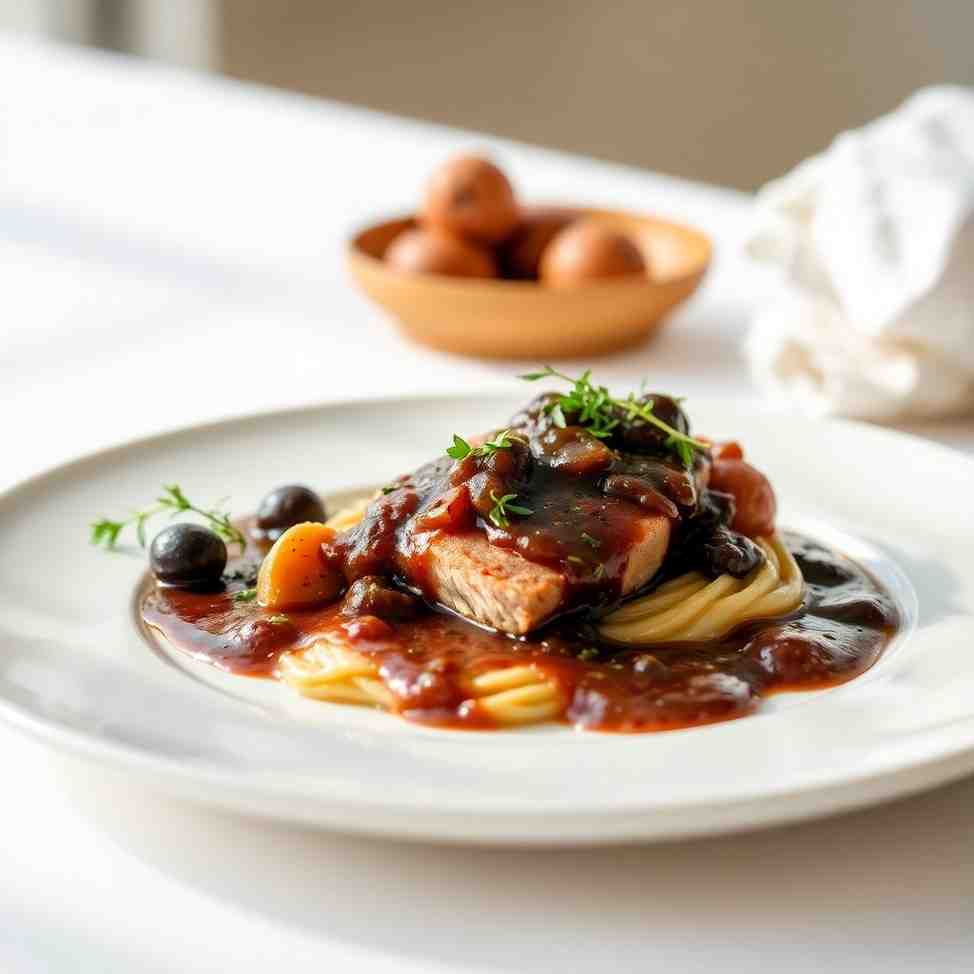
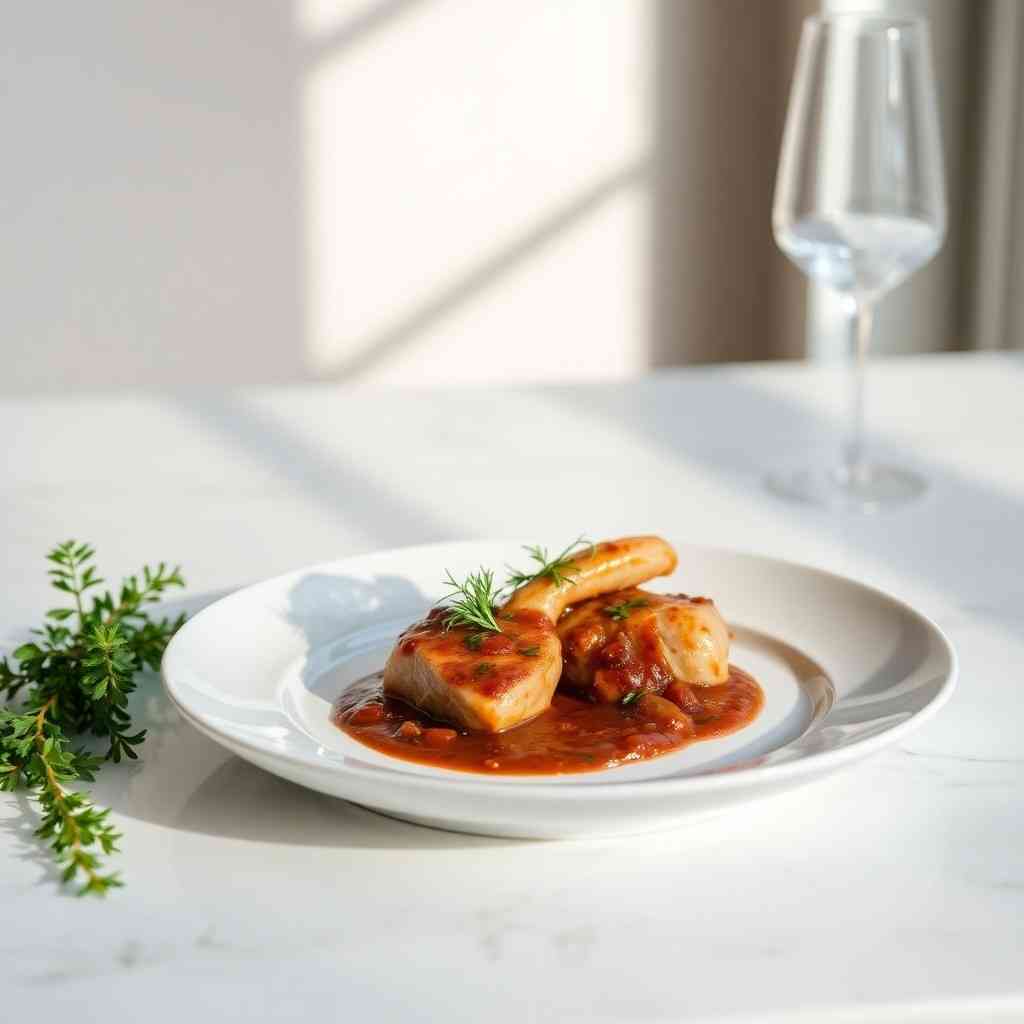
- Serves: 6 People
- Prepare Time: 20 minutes
- Cooking Time: 1 hour 45 m
- Calories: -
- Difficulty: Medium
Get ready to discover a true gem of Belgian comfort food: Belgian Rabbit in Prune Sauce, also known as Lapin aux Pruneaux. This dish is a celebration of rich, cozy flavors, blending tender rabbit with a surprisingly simple yet deeply satisfying sweet-savory prune sauce. If you’ve never cooked rabbit before, don’t fret! It handles much like chicken, with a delicate flavor that truly shines when braised to perfection. Our authentic Belgian rabbit prune sauce recipe will guide you every step of the way, transforming humble ingredients into a show-stopping meal.
This recipe is designed to deliver:
True Belgian-style sweet-savory flavor: A harmonious balance that sets this dish apart.
A tested, beginner-friendly method: Clear instructions ensure success, even for first-timers.
Flexible options: Brief notes on alcohol-free swaps and even using chicken instead of rabbit (detailed later).
So, tie on your apron and let’s dive into making this classic Lapin aux Pruneaux that deserves a permanent spot in your kitchen!
Ingredients
Directions
- Marinate the Rabbit (Belgian Sweet-Savory Style) Pat the rabbit pieces thoroughly dry with paper towels and place them in a large, non-reactive bowl or container. Add the wine, red wine vinegar, thyme sprigs, bay leaf, peppercorns, juniper berries (if using), sliced shallot/onion, and smashed garlic cloves. Ensure the rabbit is well-coated. Cover the bowl and refrigerate for at least 8 hours, or ideally overnight (up to 24 hours) for the best flavor. This crucial step not only infuses the meat with a beautiful sweet-savory balance but also helps temper any strong or gamey taste, especially if you're using wild rabbit.
- Bring to Room Temp & Prepare the Aromatics Remove the rabbit pieces from the marinade, pat them very dry again with paper towels, and set aside. Strain the marinade through a fine-mesh sieve, reserving the liquid and discarding the spent herbs and aromatics (or keep them for step 4). Let the rabbit sit at room temperature for about 30 minutes; this helps ensure more even browning. While the rabbit rests, chop the large onion and mince the garlic for the braise. If using bacon or lardons, prepare them.
- Brown the Rabbit and Build Flavor Heat the butter and neutral oil in a sturdy Dutch oven or heavy casserole with a lid over medium-high heat. If using bacon or lardons, add them to the pot and cook until lightly crisp. Remove the bacon with a slotted spoon and set aside, leaving the rendered fat in the pot. Working in batches if necessary to avoid overcrowding, add the rabbit pieces to the hot fat and brown them deeply on all sides until nicely golden. This browning creates a rich depth of flavor. Remove the browned rabbit pieces and set them aside. Reduce the heat to medium, then add the chopped onion and minced garlic to the pot, sautéing until softened and translucent, about 5-7 minutes (do not burn).
- Deglaze with Marinade & Add Stock Pour the reserved marinade into the Dutch oven. Bring it to a vigorous boil, scraping up all the delicious browned bits from the bottom of the pot with a wooden spoon. Let it boil for 2-3 minutes to reduce slightly and cook off the raw alcohol taste. Add the chicken stock, any remaining fresh herbs (if you saved them from the marinade), and nestle the browned rabbit pieces back into the liquid.
- Add Prunes and Gently Braise Add the soaked and drained prunes (along with their soaking liquid if you wish for a slightly richer sauce) to the pot. Bring the liquid to a gentle simmer, then cover the Dutch oven tightly. Transfer the pot to a preheated oven at 325°F (160°C) or continue to simmer gently on the stovetop over very low heat. Cook for 1 hour 30 minutes to 1 hour 45 minutes, or until the rabbit is fork-tender and the meat is easily pulling away from the bones.
- Finish the Sauce Carefully remove the cooked rabbit pieces and prunes to a warm platter. If there's a significant amount of excess fat on the sauce surface, skim it off. Place the Dutch oven back on the stovetop over medium heat. Whisk in the redcurrant jelly, stirring until it's fully dissolved and the sauce takes on a beautiful sheen and sweet-sour depth. Simmer the sauce gently, uncovered, for 5-10 minutes, allowing it to thicken slightly. Taste and adjust seasoning as needed; if it's too sweet, add a tiny splash more vinegar; if too sharp, a touch more jelly or a knob of butter can balance it. Adjust salt and pepper to your preference.
- Serve Belgian-Style Arrange the tender rabbit pieces and prunes artfully over a bed of boiled or mashed potatoes, classic Belgian stoemp, or other desired sides. Spoon the luscious sweet-savory sauce generously over the rabbit. Garnish with a sprinkle of fresh chopped parsley. Serve immediately with a glass of robust red wine or a traditional Belgian ale, such as a Dubbel or Tripel, for an authentic culinary experience.
Belgian Rabbit in Prune Sauce (Lapin aux Pruneaux) Recipe
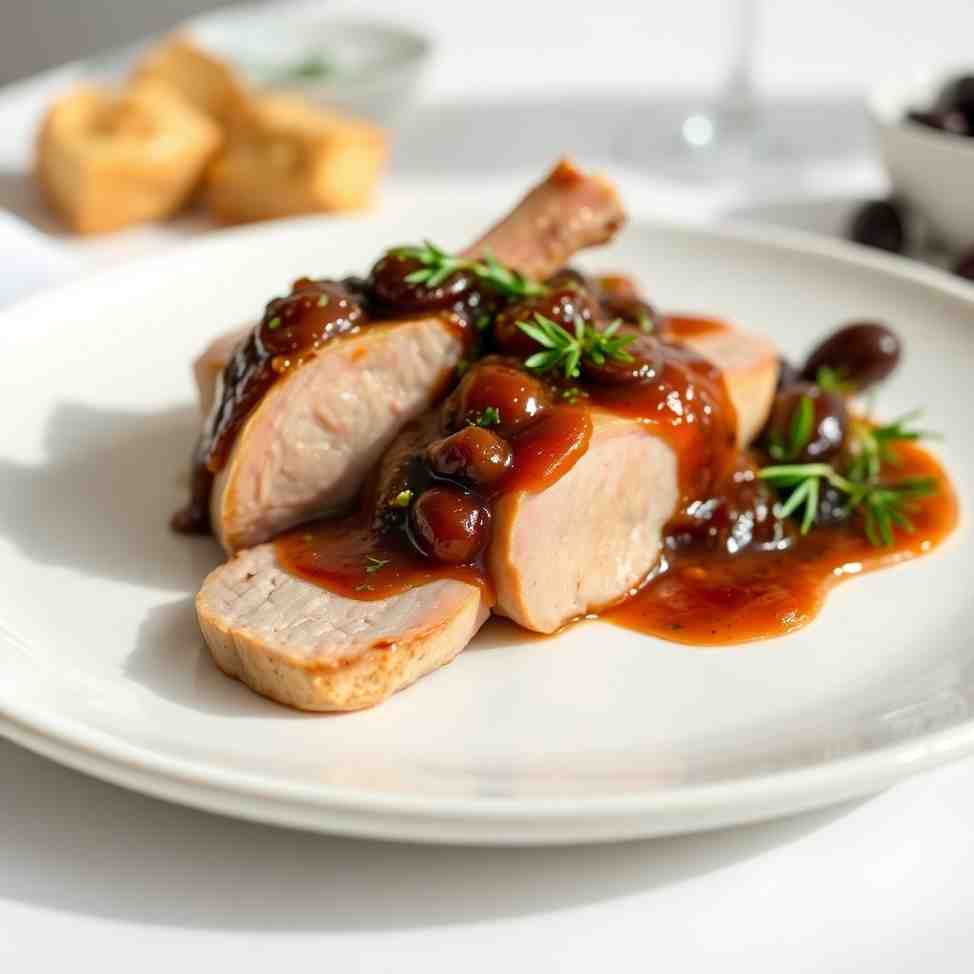
- Serves: 6 People
- Prepare Time: 20 minutes
- Cooking Time: 1 hour 45 m
- Calories: -
- Difficulty: Medium
Get ready to discover a true gem of Belgian comfort food: Belgian Rabbit in Prune Sauce, also known as Lapin aux Pruneaux. This dish is a celebration of rich, cozy flavors, blending tender rabbit with a surprisingly simple yet deeply satisfying sweet-savory prune sauce. If you’ve never cooked rabbit before, don’t fret! It handles much like chicken, with a delicate flavor that truly shines when braised to perfection. Our authentic Belgian rabbit prune sauce recipe will guide you every step of the way, transforming humble ingredients into a show-stopping meal.
This recipe is designed to deliver:
True Belgian-style sweet-savory flavor: A harmonious balance that sets this dish apart.
A tested, beginner-friendly method: Clear instructions ensure success, even for first-timers.
Flexible options: Brief notes on alcohol-free swaps and even using chicken instead of rabbit (detailed later).
So, tie on your apron and let’s dive into making this classic Lapin aux Pruneaux that deserves a permanent spot in your kitchen!
Ingredients
Directions
- Marinate the Rabbit (Belgian Sweet-Savory Style) Pat the rabbit pieces thoroughly dry with paper towels and place them in a large, non-reactive bowl or container. Add the wine, red wine vinegar, thyme sprigs, bay leaf, peppercorns, juniper berries (if using), sliced shallot/onion, and smashed garlic cloves. Ensure the rabbit is well-coated. Cover the bowl and refrigerate for at least 8 hours, or ideally overnight (up to 24 hours) for the best flavor. This crucial step not only infuses the meat with a beautiful sweet-savory balance but also helps temper any strong or gamey taste, especially if you're using wild rabbit.
- Bring to Room Temp & Prepare the Aromatics Remove the rabbit pieces from the marinade, pat them very dry again with paper towels, and set aside. Strain the marinade through a fine-mesh sieve, reserving the liquid and discarding the spent herbs and aromatics (or keep them for step 4). Let the rabbit sit at room temperature for about 30 minutes; this helps ensure more even browning. While the rabbit rests, chop the large onion and mince the garlic for the braise. If using bacon or lardons, prepare them.
- Brown the Rabbit and Build Flavor Heat the butter and neutral oil in a sturdy Dutch oven or heavy casserole with a lid over medium-high heat. If using bacon or lardons, add them to the pot and cook until lightly crisp. Remove the bacon with a slotted spoon and set aside, leaving the rendered fat in the pot. Working in batches if necessary to avoid overcrowding, add the rabbit pieces to the hot fat and brown them deeply on all sides until nicely golden. This browning creates a rich depth of flavor. Remove the browned rabbit pieces and set them aside. Reduce the heat to medium, then add the chopped onion and minced garlic to the pot, sautéing until softened and translucent, about 5-7 minutes (do not burn).
- Deglaze with Marinade & Add Stock Pour the reserved marinade into the Dutch oven. Bring it to a vigorous boil, scraping up all the delicious browned bits from the bottom of the pot with a wooden spoon. Let it boil for 2-3 minutes to reduce slightly and cook off the raw alcohol taste. Add the chicken stock, any remaining fresh herbs (if you saved them from the marinade), and nestle the browned rabbit pieces back into the liquid.
- Add Prunes and Gently Braise Add the soaked and drained prunes (along with their soaking liquid if you wish for a slightly richer sauce) to the pot. Bring the liquid to a gentle simmer, then cover the Dutch oven tightly. Transfer the pot to a preheated oven at 325°F (160°C) or continue to simmer gently on the stovetop over very low heat. Cook for 1 hour 30 minutes to 1 hour 45 minutes, or until the rabbit is fork-tender and the meat is easily pulling away from the bones.
- Finish the Sauce Carefully remove the cooked rabbit pieces and prunes to a warm platter. If there's a significant amount of excess fat on the sauce surface, skim it off. Place the Dutch oven back on the stovetop over medium heat. Whisk in the redcurrant jelly, stirring until it's fully dissolved and the sauce takes on a beautiful sheen and sweet-sour depth. Simmer the sauce gently, uncovered, for 5-10 minutes, allowing it to thicken slightly. Taste and adjust seasoning as needed; if it's too sweet, add a tiny splash more vinegar; if too sharp, a touch more jelly or a knob of butter can balance it. Adjust salt and pepper to your preference.
- Serve Belgian-Style Arrange the tender rabbit pieces and prunes artfully over a bed of boiled or mashed potatoes, classic Belgian stoemp, or other desired sides. Spoon the luscious sweet-savory sauce generously over the rabbit. Garnish with a sprinkle of fresh chopped parsley. Serve immediately with a glass of robust red wine or a traditional Belgian ale, such as a Dubbel or Tripel, for an authentic culinary experience.
The following nutritional values are per serving (one piece of cake) Calories Approximately 520-580 kcal Carbohydrates Approximately 35-45g Protein Approximately 40-50g Fat Approximately 25-35g Making a classic dish like Belgian Rabbit with Prunes doesn't have to be an all-day affair! Here are a few tools and ingredients that can help streamline your cooking process, letting you enjoy this savory delight with less fuss. Problem: Breaking down a whole rabbit can be intimidating and time-consuming if you’re not used to it. Problem: Monitoring the doneness of braised meats can sometimes be a guessing game, leading to tough or dry results. Problem: Soaking prunes takes time, and sometimes you just forget! Click any ingredient for detailed nutritional information:Recipe Nutritional Values
Additional Information
Recipe Success Tips
Ingredient Substitutions & Variations
Cultural Variations
Make-Ahead & Storage Instructions
Frequently Asked Questions
Recommended Kitchen Tools
Time-Saving Tools & Ingredients
Agitate: Fumbling with a whole rabbit can add a lot of extra time and stress to your prep, especially if you're in a hurry.
Solution: Ask your butcher to cut the rabbit into serving pieces for you! Many butchers are happy to do this, saving you significant time and effort. Alternatively, look for pre-cut rabbit pieces in specialty markets or online.Time-Saving Tools & Ingredients
Agitate: No one wants to serve a beautiful braised dish only to find the meat is still chewy or overcooked.
Solution: An instant-read thermometer is your best friend. While braised rabbit is fork-tender when done, a thermometer provides quick, accurate readings, ensuring your rabbit is cooked perfectly every time without over-braising.Time-Saving Tools & Ingredients
Agitate: If your prunes aren't properly hydrated, they won't release their full flavor or achieve that tender, plump texture in the sauce.
Solution: Keep a bag of pitted, ready-to-use prunes on hand. While a quick soak is still beneficial, using pre-pitted prunes cuts down on prep, and some brands are already quite soft, requiring less soaking time.Calories per Ingredient
Resources & References
You may also like



Hey there! I’m just someone who seriously loves good food and believes that cooking doesn’t have to be complicated to be amazing. Whether it’s a quick weeknight dinner or a cozy weekend meal, I’m all about sharing easy, tasty recipes that actually work.