
Best Foie Gras - French Luxury
Best Foie Gras - French Luxury
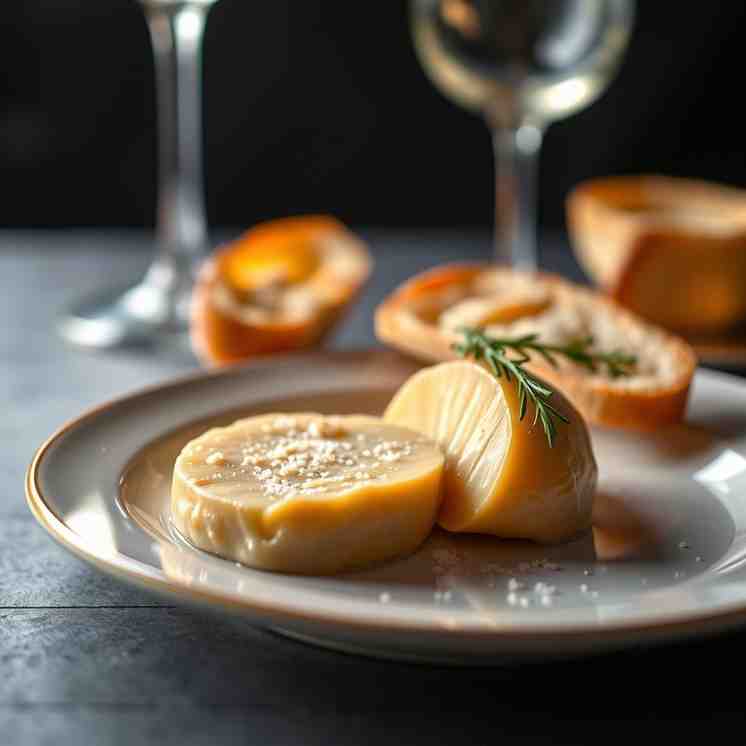
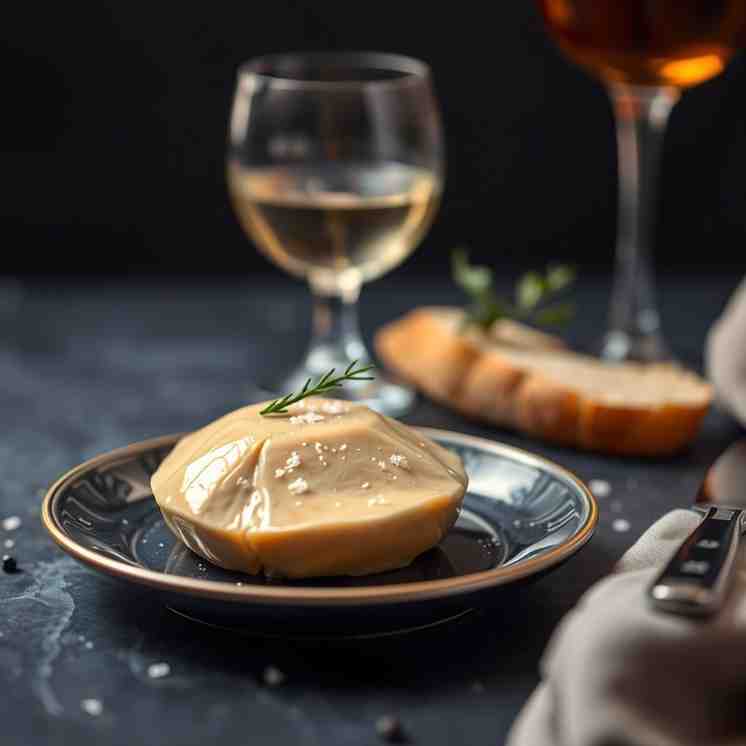
- Serves: 6 People
- Prepare Time: 30 minutes
- Cooking Time: 60-90 minut
- Calories: -
- Difficulty: Easy
Welcome, culinary adventurers, to the exquisite world of foie gras! If you've ever dreamt of crafting this iconic French delicacy at home, you're in the right place. Forget intimidating restaurant menus; we're about to demystify how to make the best foie gras with a step-by-step guide that's both comprehensive and easy to follow. Whether you're a seasoned chef or a curious beginner, our approach will help you understand what foie gras is and transform raw duck liver foie gras (or goose!) into a luxurious terrine that will impress even the most discerning palates. This isn't just a recipe; it's your definitive tutorial to savoring the rich, buttery tradition of France's finest. Get ready to explore the heart of French gastronomy and create your own masterpiece!
Ingredients
Directions
- Prepare the Foie Gras (The Crucial First Step):
- Remove the fresh foie gras from its packaging and let it come to room temperature for about 30 minutes. This makes it easier to handle.
- Gently separate the two lobes. Using your fingers or a small paring knife, carefully de-vein the foie gras. This is the most delicate part! Look for the main vein running through each lobe and gently pull it out, along with any smaller capillaries. Try not to break up the liver too much. You want to remove as many veins as possible to ensure a smooth texture.
- Once de-veined, gently trim any bruised or discolored spots.
- Seasoning & Marinating:
- In a small bowl, combine the sea salt, black pepper, and nutmeg (if using).
- Evenly sprinkle the seasoning mixture over all surfaces of the de-veined foie gras pieces.
- If using, gently pour the Armagnac or wine over the seasoned foie gras.
- Place the seasoned foie gras in a shallow dish, cover tightly with plastic wrap, and refrigerate for at least 12 hours, or preferably 24 hours. This allows the flavors to meld beautifully.
- Prepare for Cooking:
- Preheat your oven to 200°F (95°C).
- Bring the marinated foie gras back to room temperature for about 30 minutes before cooking.
- Line your terrine mold with plastic wrap, leaving a generous overhang on all sides. This makes removal much easier.
- Gently press the foie gras pieces into the prepared terrine mold, ensuring there are no large air pockets. You can gently mold and press the pieces together to create a solid block.
- The Gentle Cook (Bain-Marie):
- Pour hot water into a roasting pan, enough to come halfway up the sides of your terrine mold when placed inside. This is called a "bain-marie" or water bath, and it ensures gentle, even cooking.
- Carefully place the terrine mold into the water bath in the roasting pan.
- Cover the top of the terrine mold loosely with aluminum foil.
- Carefully transfer the roasting pan with the terrine to the preheated oven.
- Cook for 60-90 minutes. The internal temperature of the foie gras should reach 120-125°F (49-52°C) when checked with an instant-read thermometer. Overcooking will render too much fat.
- Pressing & Chilling (The Patience Game):
- Once cooked, carefully remove the terrine mold from the water bath and remove the foil.
- Place a piece of parchment paper or plastic wrap directly on top of the foie gras.
- Place a flat weight (like another terrine mold or weighted cans wrapped in foil) on top of the parchment/plastic to gently press the foie gras. This compacts the terrine and forces out excess fat, creating a denser, more uniform texture.
- Let it cool at room temperature for about an hour with the weights.
- Once cooled, transfer the entire terrine (with weights) to the refrigerator and chill for a minimum of 24 hours, and ideally 48 hours. This chilling and pressing process is crucial for the terrine to set and for the flavors to fully develop.
- Serving Your Masterpiece:
- After chilling, remove the weights and the plastic wrap lining.
- Carefully invert the terrine onto a cutting board.
- Using a very thin, hot knife (dip in hot water and wipe clean between slices), slice the foie gras terrine into 1/2-inch thick pieces.
- Serve chilled with toasted brioche, crusty baguette, fig jam, or a sprinkle of flaky sea salt. Enjoy your homemade fresh foie gras!
Best Foie Gras - French Luxury

- Serves: 6 People
- Prepare Time: 30 minutes
- Cooking Time: 60-90 minut
- Calories: -
- Difficulty: Easy
Welcome, culinary adventurers, to the exquisite world of foie gras! If you've ever dreamt of crafting this iconic French delicacy at home, you're in the right place. Forget intimidating restaurant menus; we're about to demystify how to make the best foie gras with a step-by-step guide that's both comprehensive and easy to follow. Whether you're a seasoned chef or a curious beginner, our approach will help you understand what foie gras is and transform raw duck liver foie gras (or goose!) into a luxurious terrine that will impress even the most discerning palates. This isn't just a recipe; it's your definitive tutorial to savoring the rich, buttery tradition of France's finest. Get ready to explore the heart of French gastronomy and create your own masterpiece!
Ingredients
Directions
- Prepare the Foie Gras (The Crucial First Step):
- Remove the fresh foie gras from its packaging and let it come to room temperature for about 30 minutes. This makes it easier to handle.
- Gently separate the two lobes. Using your fingers or a small paring knife, carefully de-vein the foie gras. This is the most delicate part! Look for the main vein running through each lobe and gently pull it out, along with any smaller capillaries. Try not to break up the liver too much. You want to remove as many veins as possible to ensure a smooth texture.
- Once de-veined, gently trim any bruised or discolored spots.
- Seasoning & Marinating:
- In a small bowl, combine the sea salt, black pepper, and nutmeg (if using).
- Evenly sprinkle the seasoning mixture over all surfaces of the de-veined foie gras pieces.
- If using, gently pour the Armagnac or wine over the seasoned foie gras.
- Place the seasoned foie gras in a shallow dish, cover tightly with plastic wrap, and refrigerate for at least 12 hours, or preferably 24 hours. This allows the flavors to meld beautifully.
- Prepare for Cooking:
- Preheat your oven to 200°F (95°C).
- Bring the marinated foie gras back to room temperature for about 30 minutes before cooking.
- Line your terrine mold with plastic wrap, leaving a generous overhang on all sides. This makes removal much easier.
- Gently press the foie gras pieces into the prepared terrine mold, ensuring there are no large air pockets. You can gently mold and press the pieces together to create a solid block.
- The Gentle Cook (Bain-Marie):
- Pour hot water into a roasting pan, enough to come halfway up the sides of your terrine mold when placed inside. This is called a "bain-marie" or water bath, and it ensures gentle, even cooking.
- Carefully place the terrine mold into the water bath in the roasting pan.
- Cover the top of the terrine mold loosely with aluminum foil.
- Carefully transfer the roasting pan with the terrine to the preheated oven.
- Cook for 60-90 minutes. The internal temperature of the foie gras should reach 120-125°F (49-52°C) when checked with an instant-read thermometer. Overcooking will render too much fat.
- Pressing & Chilling (The Patience Game):
- Once cooked, carefully remove the terrine mold from the water bath and remove the foil.
- Place a piece of parchment paper or plastic wrap directly on top of the foie gras.
- Place a flat weight (like another terrine mold or weighted cans wrapped in foil) on top of the parchment/plastic to gently press the foie gras. This compacts the terrine and forces out excess fat, creating a denser, more uniform texture.
- Let it cool at room temperature for about an hour with the weights.
- Once cooled, transfer the entire terrine (with weights) to the refrigerator and chill for a minimum of 24 hours, and ideally 48 hours. This chilling and pressing process is crucial for the terrine to set and for the flavors to fully develop.
- Serving Your Masterpiece:
- After chilling, remove the weights and the plastic wrap lining.
- Carefully invert the terrine onto a cutting board.
- Using a very thin, hot knife (dip in hot water and wipe clean between slices), slice the foie gras terrine into 1/2-inch thick pieces.
- Serve chilled with toasted brioche, crusty baguette, fig jam, or a sprinkle of flaky sea salt. Enjoy your homemade fresh foie gras!
You may also like



Hey there! I’m just someone who seriously loves good food and believes that cooking doesn’t have to be complicated to be amazing. Whether it’s a quick weeknight dinner or a cozy weekend meal, I’m all about sharing easy, tasty recipes that actually work.