
Best Poached Eggs Recipe - Asparagus & Easy Blender Hollandaise
Best Poached Eggs Recipe - Asparagus & Easy Blender Hollandaise
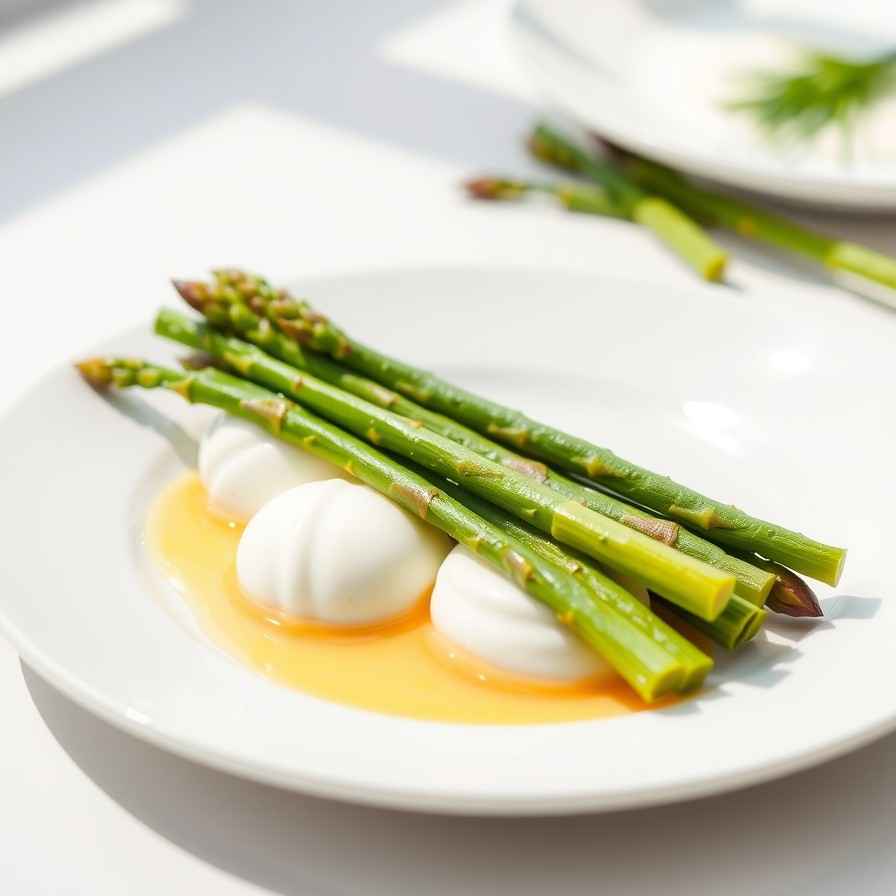
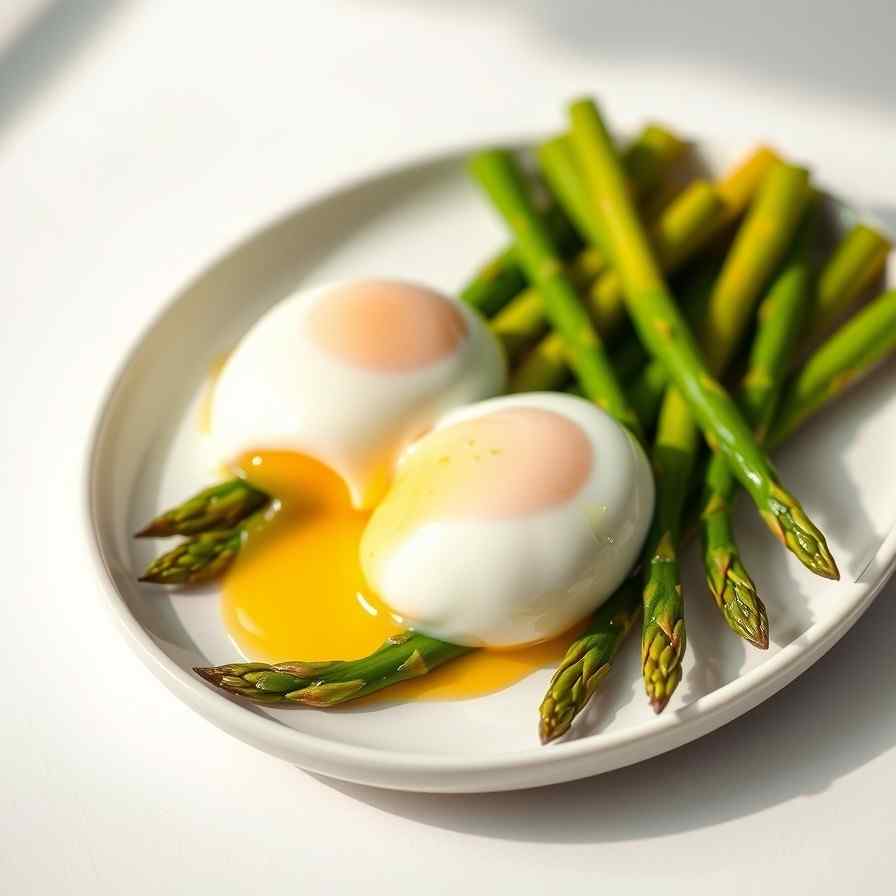
- Serves: 4 People
- Prepare Time: 15 minutes
- Cooking Time: 20 minutes
- Calories: -
- Difficulty: Easy
Ever wanted to impress with a fancy brunch or a sophisticated weeknight dinner without all the fuss? Look no further! This guide brings you the best recipe for poached eggs paired with tender roasted asparagus and a silky, minute-long blender hollandaise. It’s a dish that looks gourmet but is surprisingly simple to master. If the thought of perfect poached eggs or a rich hollandaise sauce has ever made you nervous, breathe easy. Our step-by-step instructions, complete with a smart timing plan and built-in troubleshooting, are designed to turn even beginner cooks into culinary pros. Get ready to discover the secret to soft, perfect poached eggs and a dreamy sauce for asparagus that will have everyone asking for seconds!
Ingredients
Directions
- Equipment You’ll Need:
- Medium sheet pan
- Medium saucepan or sauté pan for poaching
- Heat-safe jug or small saucepan for melting butter
- Blender (an immersion blender also works!)
- Slotted spoon
- Small bowls or ramekins for cracking eggs
- Whisk and instant-read thermometer (optional but helpful)
- Roast the Asparagus
- Prep the spears: Hold each asparagus spear firmly and bend it gently until the woody end snaps off naturally. Alternatively, you can trim off the bottom inch or two with a knife. Make sure your asparagus is thoroughly dry after rinsing, as excess water will steam them instead of letting them roast beautifully.
- Season & roast: Place the prepped asparagus on a medium sheet pan. Drizzle with olive oil, then sprinkle evenly with salt and pepper. Toss gently to coat. Arrange the spears in a single layer without overcrowding; if your pan is too full, use two pans or roast in batches to ensure they roast evenly. Preheat your oven to 400°F (200°C). Roast for 10-15 minutes. Thinner spears will cook faster (closer to 10 minutes), while thicker spears might need up to 15 minutes. Look for lightly browned tips and spears that are fork-tender but still have a slight crisp bite, not mushy.
- Finish with brightness: Once roasted, immediately sprinkle with grated Parmesan cheese (if using) and squeeze fresh lemon juice over them. Keep them warm while you prepare the hollandaise and poached eggs.
- Blender Hollandaise (Primary Method)
- Set up your blender: In your blender (or the container for an immersion blender), combine the egg yolks, fresh lemon juice, salt, and cayenne pepper (if using). Blend on high for about 30 seconds until the mixture is pale yellow and slightly thickened.
- Melt the butter: Gently melt the butter in a small saucepan or microwave-safe jug until it's completely liquid and warm, but not bubbling or browned. The ideal temperature is around 160-180°F (70-82°C). If your butter is too cool, the sauce might be thin; if it's too hot, it could scramble the yolks.
- Create the emulsion: With the blender running on its lowest setting, slowly and steadily drizzle the warm melted butter into the yolk mixture in a thin stream. This slow addition is crucial for creating a smooth emulsion. Continue blending until all the butter is incorporated and the sauce is thick enough to coat the back of a spoon, yet still pourable.
- Keep it warm (and safe): Transfer the hollandaise to a warm bowl and serve immediately. If you need to hold it for a few minutes, you can place the bowl over another bowl of barely warm water or near the stove (but not directly on heat). For food safety, hollandaise is best consumed within 30-60 minutes of making and should not be kept at room temperature for hours.
- "Too thin?" If your hollandaise is too thin, blend in another small piece of warm, melted butter, a teaspoon at a time.
- "Too thick?" If it's too thick, blend in a teaspoon of warm water at a time until it reaches your desired consistency.
- How to Poach Eggs (for This Dish)Achieving a perfectly poached egg with set whites and a delightfully runny yolk is easier than you think. Don't worry, we'll walk through it together!
- Prep the eggs: Crack each egg individually into a small bowl or ramekin. This allows you to gently slide them into the water and inspect for any shell pieces. For very neat whites, you can optionally strain each egg briefly in a fine mesh sieve to remove any very thin, wispy whites before poaching.
- Heat the water: Fill a medium saucepan or sauté pan with about 3-4 inches of water. Bring it to a gentle simmer over medium heat—you want to see small, lazy bubbles forming at the bottom of the pan, not a rolling boil. If desired, add 1 tablespoon of mild vinegar to the water; it helps the egg whites coagulate faster and hold their shape, reducing "feathery" bits. If you skip it, your eggs will still poach, but the whites might spread a bit more.
- Create the “swirl” (single-egg version): For beautiful, compact poached eggs, use a spoon to gently stir the simmering water to create a slow, gentle vortex in the center. Carefully slide one egg from its bowl into the center of the swirl.
- Cook the eggs: Let the egg cook for 3-5 minutes. For a runny yolk, aim for 3-4 minutes. For a slightly more set but still soft yolk, cook for 4-5 minutes. The whites should be just set and opaque, and the yolk should feel soft when gently nudged with a slotted spoon.
- Lift, drain, and hold: Use your slotted spoon to carefully lift the poached egg out of the water. Let any excess water drain off, then transfer it to a paper towel-lined plate to absorb any remaining moisture. Season lightly with salt and pepper. You can hold poached eggs for a few minutes before serving by keeping them on a warm plate.
- Poaching several eggs (for families): If you're poaching multiple eggs, use a wide, shallow pan and work in batches to avoid crowding. You can add eggs one at a time without swirling, as long as the water is at a gentle simmer. Crowding the pan will drop the water temperature and can lead to uneven cooking.
- Timing Roadmap – So Everything’s Hot TogetherThis plan ensures all components of your dish are ready to be plated at the same time:Preheat oven to 400°F (200°C) and start heating water for poached eggs to a gentle simmer.
- Roast asparagus: Toss with oil, salt, and pepper, then place in the oven. This will take 10-15 minutes.
- While asparagus roasts, make blender hollandaise: Melt butter, then blend yolks, lemon, salt, and cayenne. Slowly drizzle in butter. This takes about 5 minutes. Keep warm.
- Poach eggs: Start poaching eggs just before the asparagus is done (about 3-5 minutes before you expect to pull the asparagus from the oven).
- Plate immediately: Arrange roasted asparagus on plates, drizzle generously with hollandaise, and carefully place a perfect poached egg on top. Don't forget an extra lemon wedge!
- If you’re running behind:
- You can keep roasted asparagus warm in a turned-off oven with the door slightly ajar.
- Poached eggs can be held briefly in a bowl of warm (not hot) water if you need an extra minute or two before plating.
Best Poached Eggs Recipe - Asparagus & Easy Blender Hollandaise
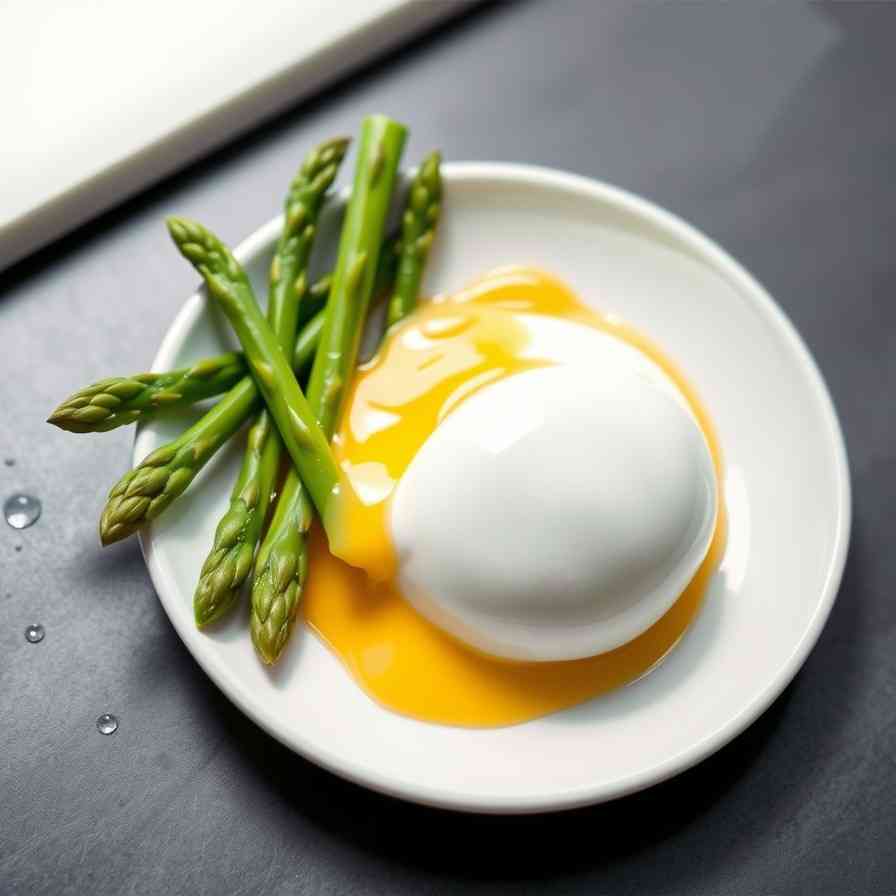
- Serves: 4 People
- Prepare Time: 15 minutes
- Cooking Time: 20 minutes
- Calories: -
- Difficulty: Easy
Ever wanted to impress with a fancy brunch or a sophisticated weeknight dinner without all the fuss? Look no further! This guide brings you the best recipe for poached eggs paired with tender roasted asparagus and a silky, minute-long blender hollandaise. It’s a dish that looks gourmet but is surprisingly simple to master. If the thought of perfect poached eggs or a rich hollandaise sauce has ever made you nervous, breathe easy. Our step-by-step instructions, complete with a smart timing plan and built-in troubleshooting, are designed to turn even beginner cooks into culinary pros. Get ready to discover the secret to soft, perfect poached eggs and a dreamy sauce for asparagus that will have everyone asking for seconds!
Ingredients
Directions
- Equipment You’ll Need:
- Medium sheet pan
- Medium saucepan or sauté pan for poaching
- Heat-safe jug or small saucepan for melting butter
- Blender (an immersion blender also works!)
- Slotted spoon
- Small bowls or ramekins for cracking eggs
- Whisk and instant-read thermometer (optional but helpful)
- Roast the Asparagus
- Prep the spears: Hold each asparagus spear firmly and bend it gently until the woody end snaps off naturally. Alternatively, you can trim off the bottom inch or two with a knife. Make sure your asparagus is thoroughly dry after rinsing, as excess water will steam them instead of letting them roast beautifully.
- Season & roast: Place the prepped asparagus on a medium sheet pan. Drizzle with olive oil, then sprinkle evenly with salt and pepper. Toss gently to coat. Arrange the spears in a single layer without overcrowding; if your pan is too full, use two pans or roast in batches to ensure they roast evenly. Preheat your oven to 400°F (200°C). Roast for 10-15 minutes. Thinner spears will cook faster (closer to 10 minutes), while thicker spears might need up to 15 minutes. Look for lightly browned tips and spears that are fork-tender but still have a slight crisp bite, not mushy.
- Finish with brightness: Once roasted, immediately sprinkle with grated Parmesan cheese (if using) and squeeze fresh lemon juice over them. Keep them warm while you prepare the hollandaise and poached eggs.
- Blender Hollandaise (Primary Method)
- Set up your blender: In your blender (or the container for an immersion blender), combine the egg yolks, fresh lemon juice, salt, and cayenne pepper (if using). Blend on high for about 30 seconds until the mixture is pale yellow and slightly thickened.
- Melt the butter: Gently melt the butter in a small saucepan or microwave-safe jug until it's completely liquid and warm, but not bubbling or browned. The ideal temperature is around 160-180°F (70-82°C). If your butter is too cool, the sauce might be thin; if it's too hot, it could scramble the yolks.
- Create the emulsion: With the blender running on its lowest setting, slowly and steadily drizzle the warm melted butter into the yolk mixture in a thin stream. This slow addition is crucial for creating a smooth emulsion. Continue blending until all the butter is incorporated and the sauce is thick enough to coat the back of a spoon, yet still pourable.
- Keep it warm (and safe): Transfer the hollandaise to a warm bowl and serve immediately. If you need to hold it for a few minutes, you can place the bowl over another bowl of barely warm water or near the stove (but not directly on heat). For food safety, hollandaise is best consumed within 30-60 minutes of making and should not be kept at room temperature for hours.
- "Too thin?" If your hollandaise is too thin, blend in another small piece of warm, melted butter, a teaspoon at a time.
- "Too thick?" If it's too thick, blend in a teaspoon of warm water at a time until it reaches your desired consistency.
- How to Poach Eggs (for This Dish)Achieving a perfectly poached egg with set whites and a delightfully runny yolk is easier than you think. Don't worry, we'll walk through it together!
- Prep the eggs: Crack each egg individually into a small bowl or ramekin. This allows you to gently slide them into the water and inspect for any shell pieces. For very neat whites, you can optionally strain each egg briefly in a fine mesh sieve to remove any very thin, wispy whites before poaching.
- Heat the water: Fill a medium saucepan or sauté pan with about 3-4 inches of water. Bring it to a gentle simmer over medium heat—you want to see small, lazy bubbles forming at the bottom of the pan, not a rolling boil. If desired, add 1 tablespoon of mild vinegar to the water; it helps the egg whites coagulate faster and hold their shape, reducing "feathery" bits. If you skip it, your eggs will still poach, but the whites might spread a bit more.
- Create the “swirl” (single-egg version): For beautiful, compact poached eggs, use a spoon to gently stir the simmering water to create a slow, gentle vortex in the center. Carefully slide one egg from its bowl into the center of the swirl.
- Cook the eggs: Let the egg cook for 3-5 minutes. For a runny yolk, aim for 3-4 minutes. For a slightly more set but still soft yolk, cook for 4-5 minutes. The whites should be just set and opaque, and the yolk should feel soft when gently nudged with a slotted spoon.
- Lift, drain, and hold: Use your slotted spoon to carefully lift the poached egg out of the water. Let any excess water drain off, then transfer it to a paper towel-lined plate to absorb any remaining moisture. Season lightly with salt and pepper. You can hold poached eggs for a few minutes before serving by keeping them on a warm plate.
- Poaching several eggs (for families): If you're poaching multiple eggs, use a wide, shallow pan and work in batches to avoid crowding. You can add eggs one at a time without swirling, as long as the water is at a gentle simmer. Crowding the pan will drop the water temperature and can lead to uneven cooking.
- Timing Roadmap – So Everything’s Hot TogetherThis plan ensures all components of your dish are ready to be plated at the same time:Preheat oven to 400°F (200°C) and start heating water for poached eggs to a gentle simmer.
- Roast asparagus: Toss with oil, salt, and pepper, then place in the oven. This will take 10-15 minutes.
- While asparagus roasts, make blender hollandaise: Melt butter, then blend yolks, lemon, salt, and cayenne. Slowly drizzle in butter. This takes about 5 minutes. Keep warm.
- Poach eggs: Start poaching eggs just before the asparagus is done (about 3-5 minutes before you expect to pull the asparagus from the oven).
- Plate immediately: Arrange roasted asparagus on plates, drizzle generously with hollandaise, and carefully place a perfect poached egg on top. Don't forget an extra lemon wedge!
- If you’re running behind:
- You can keep roasted asparagus warm in a turned-off oven with the door slightly ajar.
- Poached eggs can be held briefly in a bowl of warm (not hot) water if you need an extra minute or two before plating.
The following nutritional values are per serving (one piece of cake) Calories ~350-400 kcal Carbohydrates ~5-8g Protein ~15-20g Fat ~30-35g Making a fancy brunch like this doesn't have to be a huge ordeal! We've got a few handy tools and ingredients that can shave off precious minutes and make the whole process smoother. Problem: Classic hollandaise sauce is notorious for being tricky and time-consuming, often requiring a double boiler and constant whisking. Problem: Roasting vegetables in batches or on a cramped pan means uneven cooking and a longer overall prep time. Problem: Trying to fish delicate poached eggs out of hot water with a regular spoon or tongs can be a messy disaster, risking breakage or leaving too much water on the plate. Click any ingredient for detailed nutritional information:Recipe Nutritional Values
Additional Information
Recipe Success Tips
Ingredient Substitutions & Variations
Serving Suggestions & Plating Ideas
Make-Ahead & Storage Instructions
Frequently Asked Questions
Recommended Kitchen Tools
Blender (or Immersion Blender)
Agitate: Who wants to spend 15 minutes endlessly whisking, worrying about scrambling yolks, when you've got other things to cook? It's a real buzzkill for a relaxed brunch.
Solution: A regular blender or an immersion blender turns hollandaise into a one-minute wonder! Just toss in your yolks, lemon, and seasonings, then slowly stream in the melted butter while it blends. Voila! Silky, perfect hollandaise with minimal effort.Large Sheet Pan
Agitate: Overcrowding your asparagus means it steams instead of roasts, leaving you with limp, watery spears instead of tender-crisp perfection. Nobody wants soggy veggies!
Solution: A spacious, medium sheet pan allows your asparagus to spread out in a single layer, ensuring every spear gets beautifully roasted and caramelized. This means perfectly cooked asparagus in one go, saving you time and oven space.Slotted Spoon
Agitate: Nothing's worse than finally poaching a perfect egg only to have it break apart as you try to lift it, or having a watery puddle on your plate dilute your beautiful hollandaise.
Solution: A good slotted spoon allows you to gently lift your poached eggs from the water, letting excess liquid drain away easily. This keeps your eggs intact and your plate looking pristine, ready for that delicious hollandaise drizzle.Calories per Ingredient
Resources & References
You may also like




Hey there! I’m just someone who seriously loves good food and believes that cooking doesn’t have to be complicated to be amazing. Whether it’s a quick weeknight dinner or a cozy weekend meal, I’m all about sharing easy, tasty recipes that actually work.