Brew Czech Pilsner - An All-Grain Lager Recipe
Brew Czech Pilsner - An All-Grain Lager Recipe
- Serves: 5 People
- Prepare Time: 2 hours (Br
- Cooking Time: 90 minutes
- Calories: -
- Difficulty: Easy
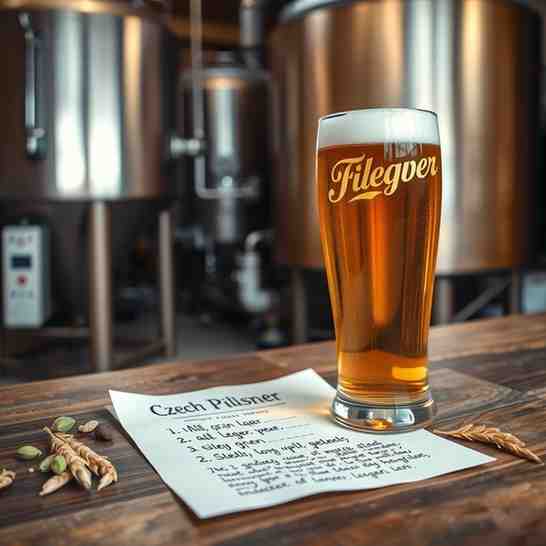
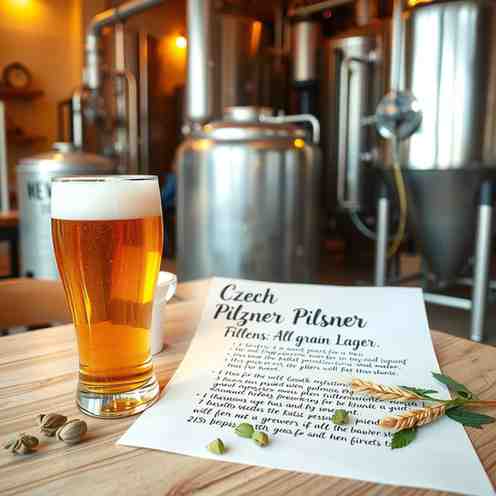
Ever dreamt of brewing a crisp, golden lager beer recipe that tastes like it came straight from Plzeň? You're in the right place! This isn't just another all grain beer recipe; it's your definitive guide to crafting "Bohemian Breeze," a Czech Pilsner that embodies tradition and precision. We've poured over countless home brew beer recipes, analyzed what makes the pros tick, and filled in all the gaps to bring you a truly comprehensive approach to brewing lager beer.
Whether you're new to all grain brewing or an experienced brewer looking to perfect your Pilsner game, this recipe combines the best techniques, ingredient rationale, and a full process walk-through to ensure your success. We’ll cover everything from the crucial ingredients for beer brewing to a detailed fermentation schedule, tackling common pitfalls and offering pro tips. Get ready to dive into the art of making a truly perfect pilsner type of beer right in your own home brewery!
Ingredients
Directions
- Water Treatment & Mash (Approx. 90 minutes)
- Prepare Your Water: Start with reverse osmosis (RO) or distilled water for a blank slate, then add your water treatment salts to achieve the target profile. Heat 4 gallons (15.1L) of strike water to 160°F (71°C) to hit your mash temperature.
- Mash In: Dough in your crushed grains, stirring to ensure there are no dry clumps. Aim for a mash temperature of 149°F (65°C). This temperature promotes fermentability, leading to a crisp, dry finish characteristic of a pilsner lager beer. Maintain this temperature for 60 minutes.
- Mash Out: Raise the mash temperature to 170°F (77°C) for 10 minutes. This stops enzymatic activity and sets the sugars.
- Sparge (Approx. 45 minutes)
- Recirculate: Slowly drain about 1-2 quarts (1-2L) of wort from the mash tun and gently pour it back over the grain bed until the wort runs clear.
- Lauter & Sparge: Begin slowly draining the wort into your boil kettle. As the grain bed becomes exposed, slowly add 3.5 gallons (13.2L) of 170°F (77°C) sparge water over the grains. Collect approximately 6.5-7 gallons (24.6-26.5L) of pre-boil wort.
- Boil (90 minutes)
- Bring to Boil: Once you have your pre-boil volume, bring the wort to a rolling boil.
- Hop Additions:
- 60 minutes: Add 1.5 oz (42g) Saaz hops (Bittering).
- 15 minutes: Add Whirlfloc tablet or Irish Moss and Yeast Nutrient.
- 20 minutes: Add 1 oz (28g) Saaz hops (Flavor).
- 5 minutes: Add 1 oz (28g) Saaz hops (Aroma).
- Cooling: After the 90-minute boil, rapidly cool your wort to 48-52°F (9-11°C) using an immersion chiller or plate chiller. Speed is key here to prevent off-flavors.
- Fermentation (Approx. 3-4 Weeks)
- Sanitize & Transfer: Sanitize your fermenter, airlock, and any other equipment that will touch the cooled wort. Transfer the cooled wort to your fermenter, leaving behind any hop debris and trub.
- Oxygenate: Thoroughly oxygenate your wort. This is crucial for healthy lager yeast.
- Pitch Yeast: Pitch your properly prepared lager yeast (remember, lagers need more yeast than ales!). Aim for a pitching temperature of 48-52°F (9-11°C).
- Primary Fermentation: Maintain the fermentation temperature at 48-52°F (9-11°C) for 7-10 days, or until fermentation activity subsides and gravity readings are stable.
- Diacetyl Rest: After primary fermentation, slowly raise the temperature to 60-65°F (15-18°C) for 2-3 days. This "diacetyl rest" helps the yeast clean up diacetyl, a buttery off-flavor.
- Lagering: After the diacetyl rest, slowly crash cool your beer to 35-40°F (1-4°C). Transfer to a secondary fermenter or leave in primary if you prefer. Lager for 2-4 weeks. This cold conditioning mellows the flavors, clarifies the beer, and develops that classic pilsner lager beer smoothness.
- Packaging (Approx. 1-2 Weeks)
- Sanitize: Ensure all bottling or kegging equipment is meticulously sanitized.
- Kegging: Transfer the lager to a purged keg. Carbonate to 2.5-2.7 volumes of CO2 at 38°F (3°C). This usually takes 5-7 days at serving pressure.
- Bottling: Prime your bottles with corn sugar (calculate based on your batch size and desired carbonation) and bottle. Condition at cellar temperatures (55-65°F / 13-18°C) for 2-3 weeks before chilling and enjoying.
Brew Czech Pilsner - An All-Grain Lager Recipe
- Serves: 5 People
- Prepare Time: 2 hours (Br
- Cooking Time: 90 minutes
- Calories: -
- Difficulty: Easy
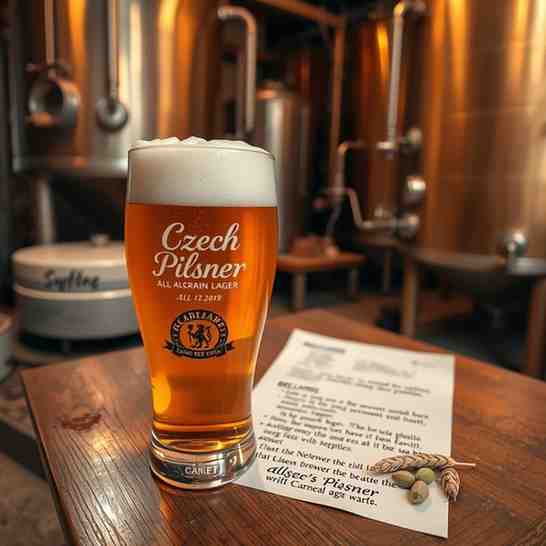
Ever dreamt of brewing a crisp, golden lager beer recipe that tastes like it came straight from Plzeň? You're in the right place! This isn't just another all grain beer recipe; it's your definitive guide to crafting "Bohemian Breeze," a Czech Pilsner that embodies tradition and precision. We've poured over countless home brew beer recipes, analyzed what makes the pros tick, and filled in all the gaps to bring you a truly comprehensive approach to brewing lager beer.
Whether you're new to all grain brewing or an experienced brewer looking to perfect your Pilsner game, this recipe combines the best techniques, ingredient rationale, and a full process walk-through to ensure your success. We’ll cover everything from the crucial ingredients for beer brewing to a detailed fermentation schedule, tackling common pitfalls and offering pro tips. Get ready to dive into the art of making a truly perfect pilsner type of beer right in your own home brewery!
Ingredients
Directions
- Water Treatment & Mash (Approx. 90 minutes)
- Prepare Your Water: Start with reverse osmosis (RO) or distilled water for a blank slate, then add your water treatment salts to achieve the target profile. Heat 4 gallons (15.1L) of strike water to 160°F (71°C) to hit your mash temperature.
- Mash In: Dough in your crushed grains, stirring to ensure there are no dry clumps. Aim for a mash temperature of 149°F (65°C). This temperature promotes fermentability, leading to a crisp, dry finish characteristic of a pilsner lager beer. Maintain this temperature for 60 minutes.
- Mash Out: Raise the mash temperature to 170°F (77°C) for 10 minutes. This stops enzymatic activity and sets the sugars.
- Sparge (Approx. 45 minutes)
- Recirculate: Slowly drain about 1-2 quarts (1-2L) of wort from the mash tun and gently pour it back over the grain bed until the wort runs clear.
- Lauter & Sparge: Begin slowly draining the wort into your boil kettle. As the grain bed becomes exposed, slowly add 3.5 gallons (13.2L) of 170°F (77°C) sparge water over the grains. Collect approximately 6.5-7 gallons (24.6-26.5L) of pre-boil wort.
- Boil (90 minutes)
- Bring to Boil: Once you have your pre-boil volume, bring the wort to a rolling boil.
- Hop Additions:
- 60 minutes: Add 1.5 oz (42g) Saaz hops (Bittering).
- 15 minutes: Add Whirlfloc tablet or Irish Moss and Yeast Nutrient.
- 20 minutes: Add 1 oz (28g) Saaz hops (Flavor).
- 5 minutes: Add 1 oz (28g) Saaz hops (Aroma).
- Cooling: After the 90-minute boil, rapidly cool your wort to 48-52°F (9-11°C) using an immersion chiller or plate chiller. Speed is key here to prevent off-flavors.
- Fermentation (Approx. 3-4 Weeks)
- Sanitize & Transfer: Sanitize your fermenter, airlock, and any other equipment that will touch the cooled wort. Transfer the cooled wort to your fermenter, leaving behind any hop debris and trub.
- Oxygenate: Thoroughly oxygenate your wort. This is crucial for healthy lager yeast.
- Pitch Yeast: Pitch your properly prepared lager yeast (remember, lagers need more yeast than ales!). Aim for a pitching temperature of 48-52°F (9-11°C).
- Primary Fermentation: Maintain the fermentation temperature at 48-52°F (9-11°C) for 7-10 days, or until fermentation activity subsides and gravity readings are stable.
- Diacetyl Rest: After primary fermentation, slowly raise the temperature to 60-65°F (15-18°C) for 2-3 days. This "diacetyl rest" helps the yeast clean up diacetyl, a buttery off-flavor.
- Lagering: After the diacetyl rest, slowly crash cool your beer to 35-40°F (1-4°C). Transfer to a secondary fermenter or leave in primary if you prefer. Lager for 2-4 weeks. This cold conditioning mellows the flavors, clarifies the beer, and develops that classic pilsner lager beer smoothness.
- Packaging (Approx. 1-2 Weeks)
- Sanitize: Ensure all bottling or kegging equipment is meticulously sanitized.
- Kegging: Transfer the lager to a purged keg. Carbonate to 2.5-2.7 volumes of CO2 at 38°F (3°C). This usually takes 5-7 days at serving pressure.
- Bottling: Prime your bottles with corn sugar (calculate based on your batch size and desired carbonation) and bottle. Condition at cellar temperatures (55-65°F / 13-18°C) for 2-3 weeks before chilling and enjoying.
You may also like



Hey there! I’m just someone who seriously loves good food and believes that cooking doesn’t have to be complicated to be amazing. Whether it’s a quick weeknight dinner or a cozy weekend meal, I’m all about sharing easy, tasty recipes that actually work.