
Burkina Faso Igname Sauce Gombo - African Dish Recipe
Burkina Faso Igname Sauce Gombo - African Dish Recipe
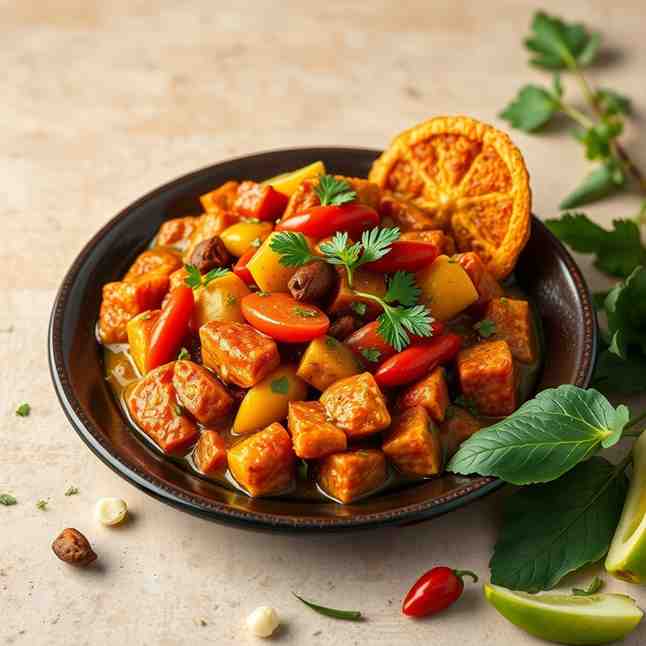
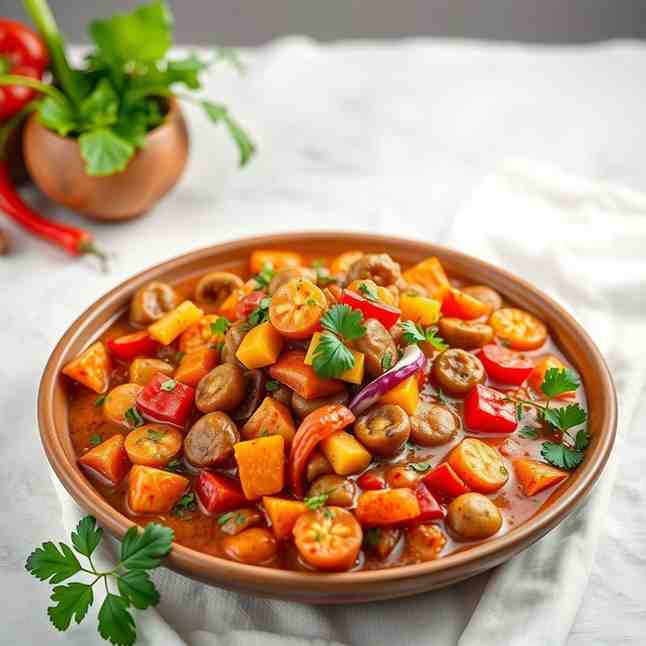
- Serves: 6 People
- Prepare Time: 25 minutes
- Cooking Time: 60 minutes
- Calories: -
- Difficulty: Medium
Craving an authentic african dish recipe that transports your taste buds straight to West Africa? Get ready to discover the rich, savory, and slightly sticky delight that is Burkina Faso Igname Sauce Gombo! This hearty stew, a staple in Burkinabè homes, brings together tender yam, succulent okra, and a flavorful broth often enriched with meat and smoked fish. It’s the kind of comforting meal that warms you from the inside out, perfect for sharing with family and friends.
While many "sauce gombo" recipes online might lean towards Ivorian or Central African styles, our version zooms in on the unique Burkinabè tradition, specifically highlighting the delicious combination of igname (yam) and gombo (okra). This isn't just another african cuisine recipe; it's a deep dive into a specific, cherished regional flavor profile that deserves its moment in your kitchen.
In this comprehensive guide, you’ll not only learn how to master this authentic-tasting Burkina Faso Igname Sauce Gombo at home, but you’ll also understand the key ingredients and how to adapt them using everyday US grocery finds. We’ll cover essential tips for controlling that signature okra texture and cooking yam to perfect tenderness, ensuring your african meal recipes are a resounding success every time. Get ready to experience the true taste of africa!
Ingredients
Directions
- Prep the IngredientsOkra: Wash the okra pods thoroughly. Trim off the stem ends. Slice the okra into ¼-inch thick rounds. For a less "slimy" sauce, you can also slice some pods in half lengthwise. Set aside.
- Yam: Peel the yam using a sturdy peeler or knife. Cut it into roughly 1-inch cubes. Try to keep the pieces uniform for even cooking. Place them in a bowl of cold water to prevent browning while you prep other ingredients.
- Beef & Smoked Fish: Trim any excess fat from the beef and cut it into 1-inch cubes. If using dried fish, rehydrate it slightly if very dry, then carefully remove any bones. For smoked fish, flake it and remove any bones.
- Aromatics: Chop the onion, mince the garlic, and chop the fresh tomatoes (if using). If using hot peppers, leave them whole for mild heat or mince them for a spicier stew.
- Brown the Meat and Build the Flavor Base
- In a heavy-bottomed pot or Dutch oven, heat the palm oil and neutral oil over medium-high heat. If you're only using neutral oil, increase the amount to ⅓ cup.
- Add the cubed beef to the hot oil and brown it deeply on all sides. This step is crucial for developing rich flavor. Remove the browned beef with a slotted spoon and set aside.
- Reduce the heat to medium. Add the chopped onions to the pot and sauté until they are soft and golden, about 5-7 minutes.
- Stir in the minced garlic and chopped tomatoes (or tomato paste). Cook, stirring occasionally, for about 8-10 minutes, until the tomatoes have broken down, the raw smell is gone, and the mixture is thick and rich, forming a concentrated flavor base. If using tomato paste, cook for 2-3 minutes until it darkens slightly.
- Add Yam and Liquid
- Drain the yam cubes and add them to the pot with the flavor base. Toss gently to coat the yam in the aromatic mixture.
- Return the browned beef to the pot. Add the smoked fish and the bouillon cube (if using).
- Pour in the beef broth or water, ensuring it just covers the yam and meat. If using a whole hot pepper, add it now.
- Bring the stew to a gentle simmer, then reduce the heat to low, cover the pot, and let it cook for 30-40 minutes, or until the yam is tender but not mushy. The beef should also be tender. Stir occasionally to prevent sticking.
- Add Okra and Simmer to the Right Texture
- Once the yam is tender, stir in the sliced okra and dried crayfish (if using).
- Continue to simmer gently, uncovered, for another 10-15 minutes. The initial "sliminess" of the okra is completely normal; as it cooks, it will relax and thicken the sauce.
- Cook until the okra is tender but still has a slight bite, and the yam is soft but still intact. The sauce should have thickened nicely. Test a yam cube with a fork to check for tenderness.
- Taste, Adjust & Finish
- Carefully remove the whole hot pepper if you prefer a milder stew.
- Taste the stew and adjust the seasoning with salt and freshly ground black pepper as needed. If you desire a slightly thicker sauce, you can gently mash a few yam cubes against the side of the pot with your spoon.
- Turn off the heat and let the stew rest for a few minutes before serving. This allows the flavors to meld and the sauce to settle.
- Serve
- Serve your Burkina Faso Igname Sauce Gombo hot. Traditionally, it's presented in a communal bowl, allowing everyone to scoop their share.
- Pair it with traditional Burkinabè tô (a corn or millet dumpling), steamed white rice, fufu, or another neutral starch like couscous or polenta. Rice is often the easiest and most accessible pairing for home cooks in the US.
Burkina Faso Igname Sauce Gombo - African Dish Recipe

- Serves: 6 People
- Prepare Time: 25 minutes
- Cooking Time: 60 minutes
- Calories: -
- Difficulty: Medium
Craving an authentic african dish recipe that transports your taste buds straight to West Africa? Get ready to discover the rich, savory, and slightly sticky delight that is Burkina Faso Igname Sauce Gombo! This hearty stew, a staple in Burkinabè homes, brings together tender yam, succulent okra, and a flavorful broth often enriched with meat and smoked fish. It’s the kind of comforting meal that warms you from the inside out, perfect for sharing with family and friends.
While many "sauce gombo" recipes online might lean towards Ivorian or Central African styles, our version zooms in on the unique Burkinabè tradition, specifically highlighting the delicious combination of igname (yam) and gombo (okra). This isn't just another african cuisine recipe; it's a deep dive into a specific, cherished regional flavor profile that deserves its moment in your kitchen.
In this comprehensive guide, you’ll not only learn how to master this authentic-tasting Burkina Faso Igname Sauce Gombo at home, but you’ll also understand the key ingredients and how to adapt them using everyday US grocery finds. We’ll cover essential tips for controlling that signature okra texture and cooking yam to perfect tenderness, ensuring your african meal recipes are a resounding success every time. Get ready to experience the true taste of africa!
Ingredients
Directions
- Prep the IngredientsOkra: Wash the okra pods thoroughly. Trim off the stem ends. Slice the okra into ¼-inch thick rounds. For a less "slimy" sauce, you can also slice some pods in half lengthwise. Set aside.
- Yam: Peel the yam using a sturdy peeler or knife. Cut it into roughly 1-inch cubes. Try to keep the pieces uniform for even cooking. Place them in a bowl of cold water to prevent browning while you prep other ingredients.
- Beef & Smoked Fish: Trim any excess fat from the beef and cut it into 1-inch cubes. If using dried fish, rehydrate it slightly if very dry, then carefully remove any bones. For smoked fish, flake it and remove any bones.
- Aromatics: Chop the onion, mince the garlic, and chop the fresh tomatoes (if using). If using hot peppers, leave them whole for mild heat or mince them for a spicier stew.
- Brown the Meat and Build the Flavor Base
- In a heavy-bottomed pot or Dutch oven, heat the palm oil and neutral oil over medium-high heat. If you're only using neutral oil, increase the amount to ⅓ cup.
- Add the cubed beef to the hot oil and brown it deeply on all sides. This step is crucial for developing rich flavor. Remove the browned beef with a slotted spoon and set aside.
- Reduce the heat to medium. Add the chopped onions to the pot and sauté until they are soft and golden, about 5-7 minutes.
- Stir in the minced garlic and chopped tomatoes (or tomato paste). Cook, stirring occasionally, for about 8-10 minutes, until the tomatoes have broken down, the raw smell is gone, and the mixture is thick and rich, forming a concentrated flavor base. If using tomato paste, cook for 2-3 minutes until it darkens slightly.
- Add Yam and Liquid
- Drain the yam cubes and add them to the pot with the flavor base. Toss gently to coat the yam in the aromatic mixture.
- Return the browned beef to the pot. Add the smoked fish and the bouillon cube (if using).
- Pour in the beef broth or water, ensuring it just covers the yam and meat. If using a whole hot pepper, add it now.
- Bring the stew to a gentle simmer, then reduce the heat to low, cover the pot, and let it cook for 30-40 minutes, or until the yam is tender but not mushy. The beef should also be tender. Stir occasionally to prevent sticking.
- Add Okra and Simmer to the Right Texture
- Once the yam is tender, stir in the sliced okra and dried crayfish (if using).
- Continue to simmer gently, uncovered, for another 10-15 minutes. The initial "sliminess" of the okra is completely normal; as it cooks, it will relax and thicken the sauce.
- Cook until the okra is tender but still has a slight bite, and the yam is soft but still intact. The sauce should have thickened nicely. Test a yam cube with a fork to check for tenderness.
- Taste, Adjust & Finish
- Carefully remove the whole hot pepper if you prefer a milder stew.
- Taste the stew and adjust the seasoning with salt and freshly ground black pepper as needed. If you desire a slightly thicker sauce, you can gently mash a few yam cubes against the side of the pot with your spoon.
- Turn off the heat and let the stew rest for a few minutes before serving. This allows the flavors to meld and the sauce to settle.
- Serve
- Serve your Burkina Faso Igname Sauce Gombo hot. Traditionally, it's presented in a communal bowl, allowing everyone to scoop their share.
- Pair it with traditional Burkinabè tô (a corn or millet dumpling), steamed white rice, fufu, or another neutral starch like couscous or polenta. Rice is often the easiest and most accessible pairing for home cooks in the US.
The following nutritional values are per serving (one piece of cake) Calories ~450-550 kcal Carbohydrates ~40-50g Protein ~35-45g Fat ~20-30g Time-Saving Tools & Ingredients Here are a few handy helpers that can make whipping up your Igname Sauce Gombo even easier:Problem: Chopping all that okra is tedious and can make your hands feel sticky. Problem: Chopping all that okra is tedious and can make your hands feel sticky. Problem: Browning meat and sautéing aromatics can take a while, especially if your pot isn't ideal. Problem: Peeling and cubing a tough yam can be a challenge. Click any ingredient for detailed nutritional information:Recipe Nutritional Values
Additional Information
Recipe Success Tips
Ingredient Substitutions & Variations
Cultural Variations
Make-Ahead & Storage Instructions
Frequently Asked Questions
Recommended Kitchen Tools
okra slicer
Agitate: Slicing okra carefully and evenly takes time, and that natural "slime" can make the cutting board a bit messy. Plus, getting uniform pieces is key for consistent texture.
Solution: An okra slicer or a mandoline slicer (with a safety guard!) can make quick work of slicing okra into perfect, even rounds. Just be super careful with those blades!heavy-bottomed Dutch oven
Agitate: If your pot doesn't hold heat well, or if you overcrowd it, your beef might steam instead of brown, missing out on that crucial deep flavor base.
Solution: A heavy-bottomed Dutch oven is your best friend here. Its even heat distribution and retention ensure your beef gets beautifully caramelized, and your onions and garlic sauté to perfection without scorching.sharp chef's knife
Agitate: Yams can be tricky to peel, and cutting them into consistent cubes can be hard on your hands and knife, leading to uneven cooking.
Solution: A sharp chef's knife and a sturdy cutting board are non-negotiable. For peeling, a good swivel peeler designed for tougher skins can save you time and effort. If you struggle with the raw yam, you can briefly par-boil it with the skin on for 5-10 minutes to soften it slightly before peeling and cubing, making it much easier to handle.Calories per Ingredient
Resources & References
You may also like



Hey there! I’m just someone who seriously loves good food and believes that cooking doesn’t have to be complicated to be amazing. Whether it’s a quick weeknight dinner or a cozy weekend meal, I’m all about sharing easy, tasty recipes that actually work.