
Cambodian Fried Fish with Tamarind Sauce
Cambodian Fried Fish with Tamarind Sauce
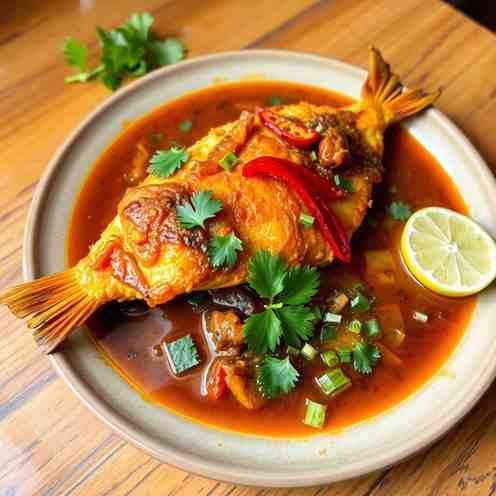
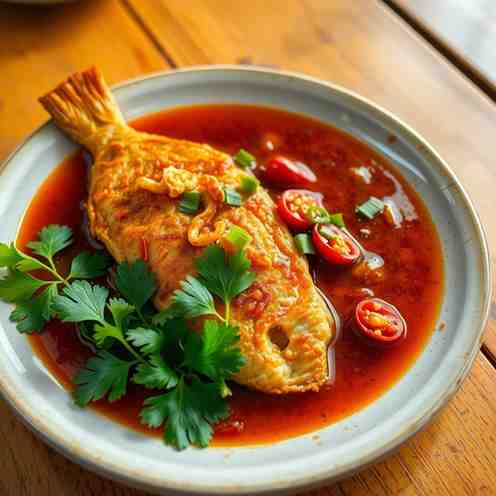
- Serves: 4 People
- Prepare Time: 25 minutes
- Cooking Time: 20 minutes
- Calories: -
- Difficulty: Medium
Get ready to dive into a truly special dish: authentic Cambodian fried fish known as Trey Chean Choun Pdei Doung. This isn't just any fried fish; it's a culinary masterpiece featuring a whole, crisp-fried fish generously coated in a vibrant, sweet and spicy sauce. While "Trey Chean Choun" traditionally refers to fried fish with a ginger-soy or sweet-sour sauce, our version elevates it with a hint of creamy coconut richness, creating an unparalleled depth of flavor that remains perfectly true to its Cambodian roots. It’s a dish that balances crispy textures with tangy, lightly creamy, and utterly delicious notes.
Imagine a dish that’s both impressive enough for guests yet surprisingly weeknight-friendly if you opt for fillets. This recipe is designed to bring those exotic, mouth-watering Cambodian flavors right into your kitchen. We’ll guide you through every step, ensuring you master the art of this incredible meal.
Here’s why you’ll love making this Cambodian classic:
Ready in about 45 minutes from start to finish.
Uses easy-to-find US ingredients, making it accessible for any home cook.
Offers a simple gluten-free option by using rice flour for the dredge.
Ingredients
Directions
- Prep the Fish
- Carefully rinse the whole fish under cold water, inside and out. Pat it very dry with paper towels. Excess moisture can lead to oil splattering and a less crispy result.
- Using a sharp knife, make 2-3 diagonal scores (cuts) about ½ inch (1.2 cm) deep on both sides of the fish. This helps the fish cook evenly and absorb seasoning.
- Season the fish all over, including inside the cavity and into the scores, with salt, white black pepper, and good fish sauce. Let the fish rest on a plate for about 10-15 minutes while you prepare the sauce ingredients.
- Build the Coconut Tamarind Base
- If using tamarind pulp, place the tamarind paste in a small bowl with ½ cup (120ml) warm water. Let it soak for 5-10 minutes to soften. Mash it with a fork, then push the mixture through a fine-mesh sieve set over another bowl, pressing against the solids to extract as much smooth juice as possible. Discard the seeds and fibers. If using concentrate, skip soaking and dilute with a little water if it's very thick.
- In a medium saucepan or skillet, heat 1 tablespoon of neutral oil over medium heat. Add the minced garlic, shallot, and ginger. Sauté for 2-3 minutes until fragrant and softened, being careful not to brown the garlic. Add the fresh chilies and/or hot chili paste and cook for another minute.
- Stir in the palm sugar until it melts and begins to caramelize slightly, about 1-2 minutes.
- Pour in the strained tamarind juice and good fish sauce. Add a splash of water (2-4 tablespoons) if the mixture seems too thick. Bring to a gentle simmer and cook for 3-5 minutes, allowing the sauce to reduce slightly and the flavors to meld.
- Reduce the heat to low. Whisk in the full-fat coconut milk. Continue to simmer gently for another 3-5 minutes, stirring occasionally, until the sauce is glossy and slightly thick, coating the back of a spoon. Do not boil rapidly after adding coconut milk to prevent splitting. Taste and adjust for sweet, sour, salty, and spicy balance. Set aside.
- Prep the Fish for Frying
- Lightly dredge the seasoned fish in flour (or rice flour/cornstarch), shaking off any excess. You want a light coat to create a crisp skin, not a thick bready crust.
- Fry Until Crispy
- Heat 3-4 cups (700-950ml) of neutral frying oil in a large wok or deep, heavy-bottomed pan over medium-high heat. The oil should be about 1-2 inches (2.5-5cm) deep. Heat the oil to approximately 350-375°F (175-190°C).
- Carefully slide the fish into the hot oil away from you. If using a whole fish, you might need to fry one side at a time if your pan isn't large enough to fully submerge it or fit it flat.
- Fry for 6-8 minutes per side, or until the fish is deep golden brown, crispy, and cooked through. Visual cues for doneness include the bubbling around the fish slowing down, and the flesh appearing opaque and flaking easily when tested with a fork. Use a large spatula or tongs to gently flip the fish. Be patient and avoid overcrowding the pan.
- Once cooked, carefully remove the fish from the oil and place it on a wire rack set over a paper towel-lined baking sheet to drain any excess oil.
- Sauce, Garnish & Serve
- Rewarm the sweet and spicy sauce gently over low heat if it has cooled. Taste again and adjust the balance of sweet, sour, salty, and heat as desired.
- Transfer the crispy fried fish to a large serving platter.
- Spoon a generous amount of the coconut tamarind sauce over the top of the fish, or serve it on the side for dipping.
- Garnish with fresh cilantro, sliced scallions, and optional extra sliced chilies. Serve immediately with lime wedges and plenty of steamed jasmine rice. This dish also pairs wonderfully with simple sides like quick pickled cucumbers or stir-fried garlicky greens.
Cambodian Fried Fish with Tamarind Sauce
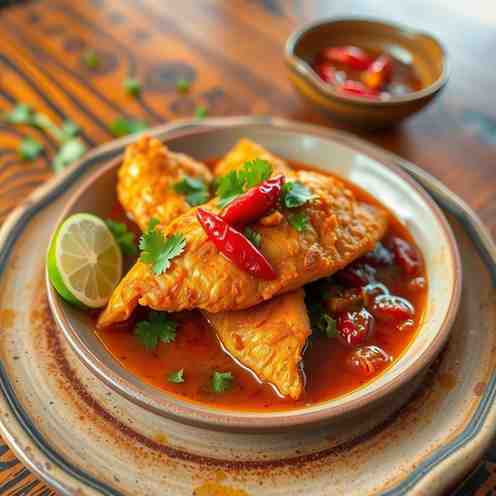
- Serves: 4 People
- Prepare Time: 25 minutes
- Cooking Time: 20 minutes
- Calories: -
- Difficulty: Medium
Get ready to dive into a truly special dish: authentic Cambodian fried fish known as Trey Chean Choun Pdei Doung. This isn't just any fried fish; it's a culinary masterpiece featuring a whole, crisp-fried fish generously coated in a vibrant, sweet and spicy sauce. While "Trey Chean Choun" traditionally refers to fried fish with a ginger-soy or sweet-sour sauce, our version elevates it with a hint of creamy coconut richness, creating an unparalleled depth of flavor that remains perfectly true to its Cambodian roots. It’s a dish that balances crispy textures with tangy, lightly creamy, and utterly delicious notes.
Imagine a dish that’s both impressive enough for guests yet surprisingly weeknight-friendly if you opt for fillets. This recipe is designed to bring those exotic, mouth-watering Cambodian flavors right into your kitchen. We’ll guide you through every step, ensuring you master the art of this incredible meal.
Here’s why you’ll love making this Cambodian classic:
Ready in about 45 minutes from start to finish.
Uses easy-to-find US ingredients, making it accessible for any home cook.
Offers a simple gluten-free option by using rice flour for the dredge.
Ingredients
Directions
- Prep the Fish
- Carefully rinse the whole fish under cold water, inside and out. Pat it very dry with paper towels. Excess moisture can lead to oil splattering and a less crispy result.
- Using a sharp knife, make 2-3 diagonal scores (cuts) about ½ inch (1.2 cm) deep on both sides of the fish. This helps the fish cook evenly and absorb seasoning.
- Season the fish all over, including inside the cavity and into the scores, with salt, white black pepper, and good fish sauce. Let the fish rest on a plate for about 10-15 minutes while you prepare the sauce ingredients.
- Build the Coconut Tamarind Base
- If using tamarind pulp, place the tamarind paste in a small bowl with ½ cup (120ml) warm water. Let it soak for 5-10 minutes to soften. Mash it with a fork, then push the mixture through a fine-mesh sieve set over another bowl, pressing against the solids to extract as much smooth juice as possible. Discard the seeds and fibers. If using concentrate, skip soaking and dilute with a little water if it's very thick.
- In a medium saucepan or skillet, heat 1 tablespoon of neutral oil over medium heat. Add the minced garlic, shallot, and ginger. Sauté for 2-3 minutes until fragrant and softened, being careful not to brown the garlic. Add the fresh chilies and/or hot chili paste and cook for another minute.
- Stir in the palm sugar until it melts and begins to caramelize slightly, about 1-2 minutes.
- Pour in the strained tamarind juice and good fish sauce. Add a splash of water (2-4 tablespoons) if the mixture seems too thick. Bring to a gentle simmer and cook for 3-5 minutes, allowing the sauce to reduce slightly and the flavors to meld.
- Reduce the heat to low. Whisk in the full-fat coconut milk. Continue to simmer gently for another 3-5 minutes, stirring occasionally, until the sauce is glossy and slightly thick, coating the back of a spoon. Do not boil rapidly after adding coconut milk to prevent splitting. Taste and adjust for sweet, sour, salty, and spicy balance. Set aside.
- Prep the Fish for Frying
- Lightly dredge the seasoned fish in flour (or rice flour/cornstarch), shaking off any excess. You want a light coat to create a crisp skin, not a thick bready crust.
- Fry Until Crispy
- Heat 3-4 cups (700-950ml) of neutral frying oil in a large wok or deep, heavy-bottomed pan over medium-high heat. The oil should be about 1-2 inches (2.5-5cm) deep. Heat the oil to approximately 350-375°F (175-190°C).
- Carefully slide the fish into the hot oil away from you. If using a whole fish, you might need to fry one side at a time if your pan isn't large enough to fully submerge it or fit it flat.
- Fry for 6-8 minutes per side, or until the fish is deep golden brown, crispy, and cooked through. Visual cues for doneness include the bubbling around the fish slowing down, and the flesh appearing opaque and flaking easily when tested with a fork. Use a large spatula or tongs to gently flip the fish. Be patient and avoid overcrowding the pan.
- Once cooked, carefully remove the fish from the oil and place it on a wire rack set over a paper towel-lined baking sheet to drain any excess oil.
- Sauce, Garnish & Serve
- Rewarm the sweet and spicy sauce gently over low heat if it has cooled. Taste again and adjust the balance of sweet, sour, salty, and heat as desired.
- Transfer the crispy fried fish to a large serving platter.
- Spoon a generous amount of the coconut tamarind sauce over the top of the fish, or serve it on the side for dipping.
- Garnish with fresh cilantro, sliced scallions, and optional extra sliced chilies. Serve immediately with lime wedges and plenty of steamed jasmine rice. This dish also pairs wonderfully with simple sides like quick pickled cucumbers or stir-fried garlicky greens.
You may also like



Hey there! I’m just someone who seriously loves good food and believes that cooking doesn’t have to be complicated to be amazing. Whether it’s a quick weeknight dinner or a cozy weekend meal, I’m all about sharing easy, tasty recipes that actually work.