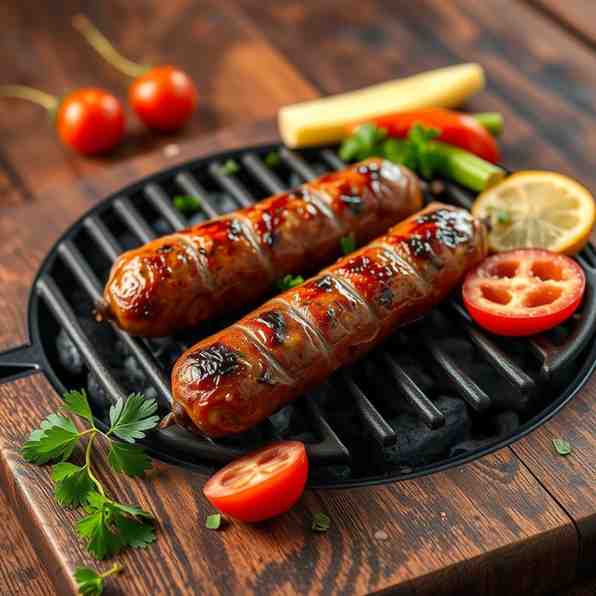
Cayman Jerk Pork - Caribbean Marinade
Cayman Jerk Pork - Caribbean Marinade
- Serves: 6 People
- Prepare Time: 30 minutes
- Cooking Time: 2.5 - 3.5 h
- Calories: -
- Difficulty: Medium
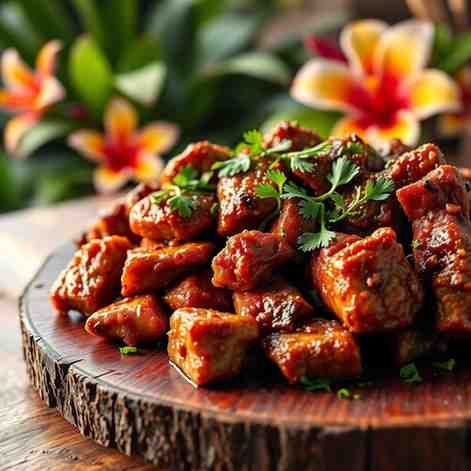
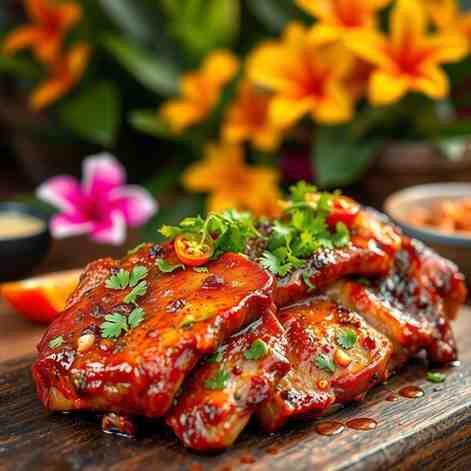
Get ready to transport your taste buds straight to the sun-drenched shores of the Cayman Islands! Imagine perfectly charred edges giving way to a juicy, tender inside, infused with the bold, aromatic flavors of allspice and the fiery kick of Scotch bonnet. That's the magic of Cayman-Style Jerk Pork. It’s more than just a meal; it's an experience, a celebration of island flavor that will have everyone asking for seconds.
While jerk has its deep roots in Jamaica, the Cayman Islands have embraced and evolved this incredible cooking tradition, making it their own with unique flavor profiles and a vibrant street food scene. This recipe blends the authentic Caribbean jerk marinade flavors from local Cayman chefs with traditional jerk pit techniques, adapted for your very own backyard grill. You don't need a fancy drum pan to achieve incredible results!
By following this clear, single recipe, you’ll not only learn how to make an unforgettable Cayman-style jerk pork but also discover the best seasoning for pork butt for this dish, get guidance on selecting the perfect cut, master heat control, and find tips for serving and making the most of your delicious leftovers. Let's dive into the heart of island cooking!
Ingredients
Directions
- Part 1: Make the Cayman-Style Jerk Paste
- Toast Spices (Optional, but Recommended): In a small, dry skillet over medium-low heat, gently toast the whole allspice berries and whole cloves for 2-3 minutes until fragrant. Be careful not to burn them. Let cool slightly. This deepens their flavor.
- Blend the Paste: In a blender or food processor, combine the toasted allspice and cloves (if using), chopped onion, garlic, scallions, fresh thyme leaves, ground black pepper, Scotch bonnet sauce (and fresh peppers if using), soy sauce, vinegar/lime juice, brown sugar, and neutral oil. Blend until completely smooth. If it's too thick to blend, add a tablespoon of water or orange juice.
- Simmer to Thicken: Transfer the blended paste to a small saucepan. Bring to a gentle simmer over medium-low heat and cook for 8-10 minutes, stirring occasionally. The paste will thicken slightly and deepen in color. This step is crucial for developing the rich, complex flavors.
- Cool & Portion: Remove the paste from the heat and let it cool completely to room temperature. Measure out 1 cup of the paste for marinating the pork. Reserve ¼ cup for basting/glaze. The remaining paste can be stored in an airtight container in the fridge for up to 2 weeks or frozen for up to 3 months.
- Calibrate Heat & Salt: Carefully taste a tiny dab of the cooled paste.
- More Heat: Stir in extra Scotch bonnet sauce or a tiny bit of fresh minced Scotch bonnet.
- Less Heat: If you find it too spicy, you can thin it slightly with a splash of orange juice or water and a pinch more brown sugar, though the heat will mellow slightly during cooking.
- Too Salty? A splash of orange juice or water with a touch of brown sugar can help balance.
- Part 2: Marinate the Pork
- Trim & Score: Place the pork shoulder on a cutting board. Trim off any excessively thick layers of surface fat, but leave a thin layer for flavor and moisture. Using a sharp knife, make deep slits or stabs all over the pork, about 1-inch deep and 1-2 inches apart. This allows the Caribbean jerk sauce to penetrate deeply.
- Rub with Paste: Put on gloves (seriously, Scotch bonnets are potent!). Generously coat the entire pork shoulder with the 1 cup of prepared jerk paste, working it well into all the slits and crevices. Ensure every surface is covered.
- Marinating Time: Place the marinated pork in a large zip-top bag or a non-reactive dish, cover tightly, and refrigerate.
- Minimum: Marinate for at least 4 hours for good flavor.
- Ideal: Marinate overnight (10-24 hours) for the deepest, most authentic flavor penetration.
- Bring to Room Temp: About 30-60 minutes before you plan to grill, remove the marinated pork from the refrigerator and let it rest at room temperature. This helps it cook more evenly.
- Part 3: Grill the Cayman-Style Jerk Pork
- Set Up the Grill "Drum-Pan" Style:
- Charcoal Grill: Bank your lit coals to one side of the grill for indirect heat. Place a drip pan (aluminum foil pan works great) under the grate on the unlit side where the pork will cook. If you have pimento wood chips or other hardwood chunks (like hickory or apple), add a small handful directly to the hot coals for smoky flavor.
- Gas Grill: Turn on one or two burners on one side to medium-low heat. Place the pork over the unlit side of the grill to mimic indirect heat.
- Target Temperature: Aim for a steady grill temperature of 275–300°F.
- Start the Cook: Once your grill is at the target temperature, place the pork shoulder fat cap up (if applicable) over the indirect heat zone. Close the lid.
- Low & Slow Cook: Cook the pork for approximately 2½–3½ hours, depending on the size and thickness of your roast. Maintain a consistent grill temperature.
- Rotate Occasionally: Every 45-60 minutes, gently turn or rotate the pork for even cooking and color development.
- Baste with Jerk Paste: Every 30-45 minutes during the cook, lightly baste the pork with the reserved ¼ cup jerk paste (thinned with lime juice/water/brown sugar if making the optional glaze, or just use as is for a bolder flavor).
- Check for Doneness: The pork is ready when it has a deep, dark, crusty exterior and reaches an internal temperature of around 190°F for tender, chop-style pork. The juices should run clear. You can also test for tenderness by gently twisting a fork in the meat; it should yield easily.
- Rest: Once cooked, transfer the jerk pork to a cutting board. Tent it loosely with foil and let it rest for 15-20 minutes. This allows the juices to redistribute, ensuring a moist and flavorful result.
- Oven Fallback (Quick Note): No grill? No problem! You can roast the same marinated pork shoulder at 325°F in your oven on a rack set over a baking pan until it reaches the same internal temperature. For a bit of char, broil briefly for the last 5-10 minutes, watching carefully.
- Slice, Chop & Serve
- Chop or Slice: After resting, use a large knife to chop the pork shoulder into rustic, bite-sized chunks, just like you'd get at a traditional jerk stand. If it’s bone-in, remove the bone first.
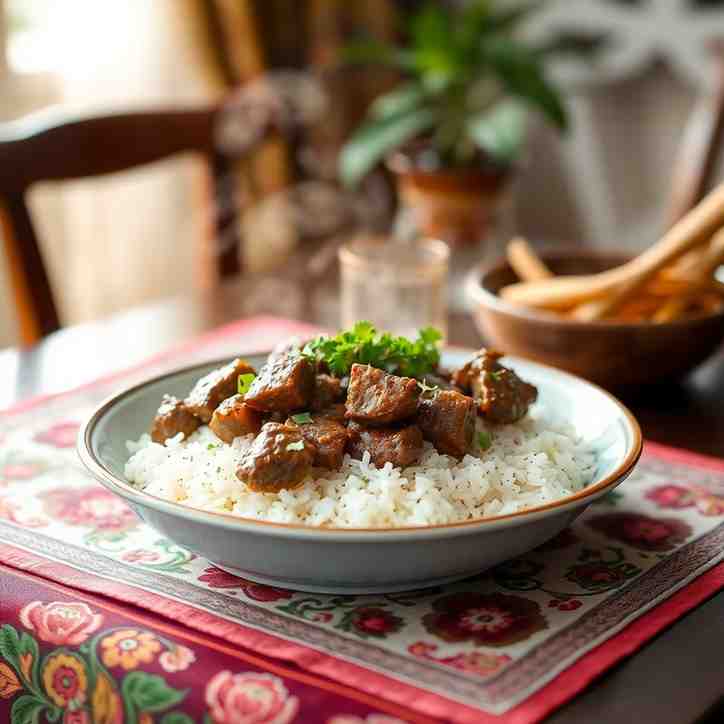
- Serve with Sides: Pile the chopped jerk pork high over a bed of fluffy rice & peas. Add generous portions of Cayman mac and cheese, a refreshing breadfruit salad, or other traditional sides like fried plantains, cassava, or festival.
- Optional Finishing Touches: For an extra layer of flavor and shine, lightly brush the chopped pork with any remaining reserved paste-based glaze. Serve with fresh lime wedges for a bright, zesty counterpoint, or a simple mango or pineapple salsa.
Cayman Jerk Pork - Caribbean Marinade
- Serves: 6 People
- Prepare Time: 30 minutes
- Cooking Time: 2.5 - 3.5 h
- Calories: -
- Difficulty: Medium
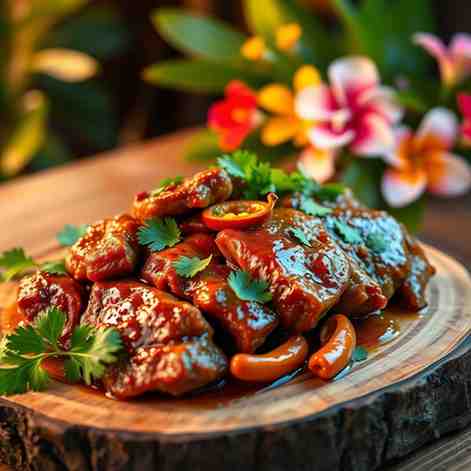
Get ready to transport your taste buds straight to the sun-drenched shores of the Cayman Islands! Imagine perfectly charred edges giving way to a juicy, tender inside, infused with the bold, aromatic flavors of allspice and the fiery kick of Scotch bonnet. That's the magic of Cayman-Style Jerk Pork. It’s more than just a meal; it's an experience, a celebration of island flavor that will have everyone asking for seconds.
While jerk has its deep roots in Jamaica, the Cayman Islands have embraced and evolved this incredible cooking tradition, making it their own with unique flavor profiles and a vibrant street food scene. This recipe blends the authentic Caribbean jerk marinade flavors from local Cayman chefs with traditional jerk pit techniques, adapted for your very own backyard grill. You don't need a fancy drum pan to achieve incredible results!
By following this clear, single recipe, you’ll not only learn how to make an unforgettable Cayman-style jerk pork but also discover the best seasoning for pork butt for this dish, get guidance on selecting the perfect cut, master heat control, and find tips for serving and making the most of your delicious leftovers. Let's dive into the heart of island cooking!
Ingredients
Directions
- Part 1: Make the Cayman-Style Jerk Paste
- Toast Spices (Optional, but Recommended): In a small, dry skillet over medium-low heat, gently toast the whole allspice berries and whole cloves for 2-3 minutes until fragrant. Be careful not to burn them. Let cool slightly. This deepens their flavor.
- Blend the Paste: In a blender or food processor, combine the toasted allspice and cloves (if using), chopped onion, garlic, scallions, fresh thyme leaves, ground black pepper, Scotch bonnet sauce (and fresh peppers if using), soy sauce, vinegar/lime juice, brown sugar, and neutral oil. Blend until completely smooth. If it's too thick to blend, add a tablespoon of water or orange juice.
- Simmer to Thicken: Transfer the blended paste to a small saucepan. Bring to a gentle simmer over medium-low heat and cook for 8-10 minutes, stirring occasionally. The paste will thicken slightly and deepen in color. This step is crucial for developing the rich, complex flavors.
- Cool & Portion: Remove the paste from the heat and let it cool completely to room temperature. Measure out 1 cup of the paste for marinating the pork. Reserve ¼ cup for basting/glaze. The remaining paste can be stored in an airtight container in the fridge for up to 2 weeks or frozen for up to 3 months.
- Calibrate Heat & Salt: Carefully taste a tiny dab of the cooled paste.
- More Heat: Stir in extra Scotch bonnet sauce or a tiny bit of fresh minced Scotch bonnet.
- Less Heat: If you find it too spicy, you can thin it slightly with a splash of orange juice or water and a pinch more brown sugar, though the heat will mellow slightly during cooking.
- Too Salty? A splash of orange juice or water with a touch of brown sugar can help balance.
- Part 2: Marinate the Pork
- Trim & Score: Place the pork shoulder on a cutting board. Trim off any excessively thick layers of surface fat, but leave a thin layer for flavor and moisture. Using a sharp knife, make deep slits or stabs all over the pork, about 1-inch deep and 1-2 inches apart. This allows the Caribbean jerk sauce to penetrate deeply.
- Rub with Paste: Put on gloves (seriously, Scotch bonnets are potent!). Generously coat the entire pork shoulder with the 1 cup of prepared jerk paste, working it well into all the slits and crevices. Ensure every surface is covered.
- Marinating Time: Place the marinated pork in a large zip-top bag or a non-reactive dish, cover tightly, and refrigerate.
- Minimum: Marinate for at least 4 hours for good flavor.
- Ideal: Marinate overnight (10-24 hours) for the deepest, most authentic flavor penetration.
- Bring to Room Temp: About 30-60 minutes before you plan to grill, remove the marinated pork from the refrigerator and let it rest at room temperature. This helps it cook more evenly.
- Part 3: Grill the Cayman-Style Jerk Pork
- Set Up the Grill "Drum-Pan" Style:
- Charcoal Grill: Bank your lit coals to one side of the grill for indirect heat. Place a drip pan (aluminum foil pan works great) under the grate on the unlit side where the pork will cook. If you have pimento wood chips or other hardwood chunks (like hickory or apple), add a small handful directly to the hot coals for smoky flavor.
- Gas Grill: Turn on one or two burners on one side to medium-low heat. Place the pork over the unlit side of the grill to mimic indirect heat.
- Target Temperature: Aim for a steady grill temperature of 275–300°F.
- Start the Cook: Once your grill is at the target temperature, place the pork shoulder fat cap up (if applicable) over the indirect heat zone. Close the lid.
- Low & Slow Cook: Cook the pork for approximately 2½–3½ hours, depending on the size and thickness of your roast. Maintain a consistent grill temperature.
- Rotate Occasionally: Every 45-60 minutes, gently turn or rotate the pork for even cooking and color development.
- Baste with Jerk Paste: Every 30-45 minutes during the cook, lightly baste the pork with the reserved ¼ cup jerk paste (thinned with lime juice/water/brown sugar if making the optional glaze, or just use as is for a bolder flavor).
- Check for Doneness: The pork is ready when it has a deep, dark, crusty exterior and reaches an internal temperature of around 190°F for tender, chop-style pork. The juices should run clear. You can also test for tenderness by gently twisting a fork in the meat; it should yield easily.
- Rest: Once cooked, transfer the jerk pork to a cutting board. Tent it loosely with foil and let it rest for 15-20 minutes. This allows the juices to redistribute, ensuring a moist and flavorful result.
- Oven Fallback (Quick Note): No grill? No problem! You can roast the same marinated pork shoulder at 325°F in your oven on a rack set over a baking pan until it reaches the same internal temperature. For a bit of char, broil briefly for the last 5-10 minutes, watching carefully.
- Slice, Chop & Serve
- Chop or Slice: After resting, use a large knife to chop the pork shoulder into rustic, bite-sized chunks, just like you'd get at a traditional jerk stand. If it’s bone-in, remove the bone first.
- Serve with Sides: Pile the chopped jerk pork high over a bed of fluffy rice & peas. Add generous portions of Cayman mac and cheese, a refreshing breadfruit salad, or other traditional sides like fried plantains, cassava, or festival.
- Optional Finishing Touches: For an extra layer of flavor and shine, lightly brush the chopped pork with any remaining reserved paste-based glaze. Serve with fresh lime wedges for a bright, zesty counterpoint, or a simple mango or pineapple salsa.
You may also like



Hey there! I’m just someone who seriously loves good food and believes that cooking doesn’t have to be complicated to be amazing. Whether it’s a quick weeknight dinner or a cozy weekend meal, I’m all about sharing easy, tasty recipes that actually work.