Chiles en Nogada - Almond Recipes & Green Chiles
Chiles en Nogada - Almond Recipes & Green Chiles
- Serves: 6 People
- Prepare Time: 60 minutes
- Cooking Time: 90 minutes
- Calories: -
- Difficulty: Easy
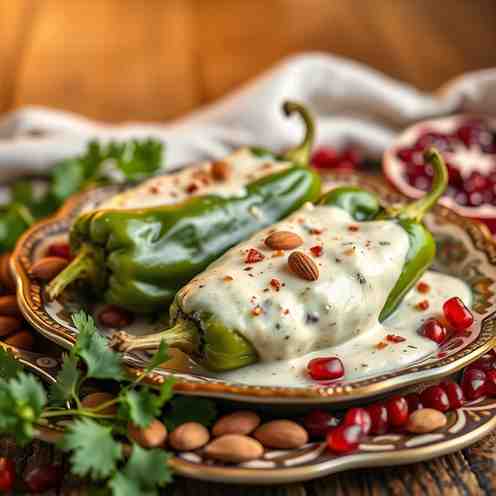
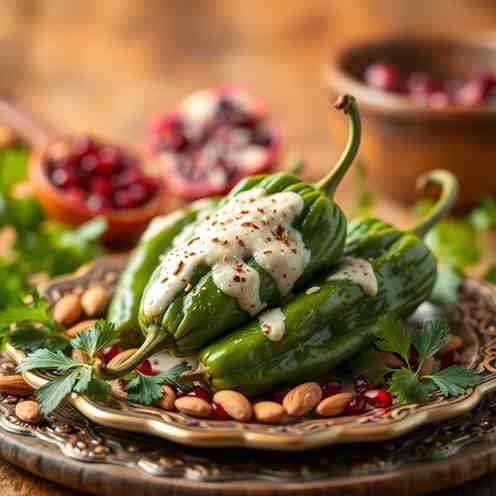
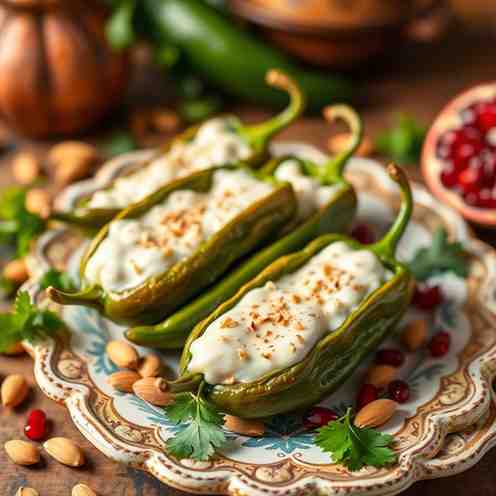
Welcome, food lovers! Today, we're diving into the heart of Mexican culinary tradition with one of its most celebrated dishes: Chiles en Nogada. This isn't just any meal; it's a vibrant, patriotic masterpiece, often served during Mexican Independence Day, showcasing the colors of the Mexican flag—green from the poblano chiles, white from the creamy walnut sauce (nogada), and red from the pomegranate seeds. Imagine the aroma of roasted green chile peppers mingling with a sweet and savory picadillo filling, all bathed in a luxurious sauce made with almonds and walnuts.
My own introduction to Chiles en Nogada was unforgettable. I was traveling through Puebla, the dish's birthplace, and tasted it for the first time in a bustling market. The explosion of flavors—the subtle heat of the chiles, the rich, fruity notes of the picadillo, and the creamy, slightly sweet nogada—was simply magical. It felt like eating a piece of history, a true testament to real Mexican food. This dish is a labor of love, but every single step is worth it. If you've been searching for authentic recipes using almonds in a truly spectacular way, you've found your next culinary adventure. Get ready to create a dish that's not just food, but a story on a plate.
Ingredients
Directions
- Part 1: Roasting and Preparing the Poblano Chiles
- Roast the Chiles: Preheat your broiler or grill to high. Place the poblano peppers on a baking sheet or directly over an open flame. Roast, turning frequently, until the skin is completely charred and blistered on all sides (about 10-15 minutes).
- Sweat and Peel: Immediately transfer the hot chiles to a bowl and cover tightly with plastic wrap, or place them in a paper bag and seal. Let them sweat for 15-20 minutes. This steaming helps loosen the skin.
- Clean the Chiles: Once cool enough to handle, carefully peel off the charred skin. Make a lengthwise slit down one side of each chile, from just below the stem to the tip. Gently remove the seeds and veins, being careful to keep the chile intact. Rinse lightly if necessary, and pat dry. Set aside.
- Part 2: Preparing the Picadillo Filling
- Brown the Meat: Heat 1 tablespoon olive oil in a large skillet over medium-high heat. Add the ground pork/beef and cook, breaking it up with a spoon, until fully browned. Drain off any excess fat and set the meat aside.
- Sauté Aromatics: In the same skillet, add the chopped onion and cook until softened, about 5-7 minutes. Add the minced garlic and cook for another minute until fragrant.
- Add Fruits & Nuts: Stir in the chopped tomato, golden raisins, almonds, pecans, candied fruit (if using), diced apple, pear, and peach. Cook for 5-7 minutes, stirring occasionally, until the fruits begin to soften.
- Combine & Season: Return the browned meat to the skillet. If using, pour in the dry sherry or white wine and let it simmer until mostly evaporated. Stir in the cinnamon, cloves, and nutmeg. Season generously with salt and pepper.
- Simmer: Reduce heat to low, cover, and let the picadillo simmer for 15-20 minutes, allowing the flavors to meld. The mixture should be moist but not watery. Adjust seasoning if needed. Set aside to cool slightly.
- Part 3: Making the Nogada (Walnut Sauce)
- Prepare Walnuts: If using fresh walnuts, soak them in hot water for 15 minutes, then gently peel off the bitter skin. If using dried walnuts, a quick soak in hot water for 30 minutes can help soften them. Drain well.
- Blend the Sauce: In a blender, combine the prepared walnuts, blanched almonds, goat cheese, Mexican crema (or sour cream), milk, sugar, and a pinch of cinnamon.
- Achieve Creaminess: Blend until completely smooth and creamy. You may need to add a little more milk, a tablespoon at a time, to reach your desired consistency—it should be thick enough to coat a spoon but pourable. Season with salt to taste. Taste and adjust sugar if needed; the sauce should be mildly sweet and savory.
- Part 4: Assembling the Chiles en Nogada
- Stuff the Chiles: Carefully open each prepared poblano chile and spoon a generous amount of the picadillo filling inside. Don't overstuff; you want to be able to close the chile.
- Plate and Serve: Place the stuffed chiles on individual serving plates. Drizzle generously with the creamy nogada sauce, ensuring the entire chile is coated.
- Garnish: Sprinkle with vibrant pomegranate seeds and fresh chopped parsley to achieve the iconic green, white, and red colors. Serve immediately at room temperature or slightly chilled.
- Troubleshooting Tips:
- Chiles Too Spicy? If your poblanos are unexpectedly hot, soaking them in cold salted water for 30 minutes after peeling can help reduce the heat.
- Nogada Too Thin/Thick? If too thin, add a few more walnuts or almonds and re-blend. If too thick, add milk, one tablespoon at a time, until desired consistency.
- Picadillo Dry? Add a splash of chicken broth or water to the picadillo while simmering to keep it moist.
- Nogada Grainy? Ensure your walnuts are well-soaked and, if possible, peeled. Blend for a longer time, scraping down the sides of the blender as needed, to achieve ultimate creaminess. A high-speed blender helps significantly.
Chiles en Nogada - Almond Recipes & Green Chiles
- Serves: 6 People
- Prepare Time: 60 minutes
- Cooking Time: 90 minutes
- Calories: -
- Difficulty: Easy
Welcome, food lovers! Today, we're diving into the heart of Mexican culinary tradition with one of its most celebrated dishes: Chiles en Nogada. This isn't just any meal; it's a vibrant, patriotic masterpiece, often served during Mexican Independence Day, showcasing the colors of the Mexican flag—green from the poblano chiles, white from the creamy walnut sauce (nogada), and red from the pomegranate seeds. Imagine the aroma of roasted green chile peppers mingling with a sweet and savory picadillo filling, all bathed in a luxurious sauce made with almonds and walnuts.
My own introduction to Chiles en Nogada was unforgettable. I was traveling through Puebla, the dish's birthplace, and tasted it for the first time in a bustling market. The explosion of flavors—the subtle heat of the chiles, the rich, fruity notes of the picadillo, and the creamy, slightly sweet nogada—was simply magical. It felt like eating a piece of history, a true testament to real Mexican food. This dish is a labor of love, but every single step is worth it. If you've been searching for authentic recipes using almonds in a truly spectacular way, you've found your next culinary adventure. Get ready to create a dish that's not just food, but a story on a plate.
Ingredients
Directions
- Part 1: Roasting and Preparing the Poblano Chiles
- Roast the Chiles: Preheat your broiler or grill to high. Place the poblano peppers on a baking sheet or directly over an open flame. Roast, turning frequently, until the skin is completely charred and blistered on all sides (about 10-15 minutes).
- Sweat and Peel: Immediately transfer the hot chiles to a bowl and cover tightly with plastic wrap, or place them in a paper bag and seal. Let them sweat for 15-20 minutes. This steaming helps loosen the skin.
- Clean the Chiles: Once cool enough to handle, carefully peel off the charred skin. Make a lengthwise slit down one side of each chile, from just below the stem to the tip. Gently remove the seeds and veins, being careful to keep the chile intact. Rinse lightly if necessary, and pat dry. Set aside.
- Part 2: Preparing the Picadillo Filling
- Brown the Meat: Heat 1 tablespoon olive oil in a large skillet over medium-high heat. Add the ground pork/beef and cook, breaking it up with a spoon, until fully browned. Drain off any excess fat and set the meat aside.
- Sauté Aromatics: In the same skillet, add the chopped onion and cook until softened, about 5-7 minutes. Add the minced garlic and cook for another minute until fragrant.
- Add Fruits & Nuts: Stir in the chopped tomato, golden raisins, almonds, pecans, candied fruit (if using), diced apple, pear, and peach. Cook for 5-7 minutes, stirring occasionally, until the fruits begin to soften.
- Combine & Season: Return the browned meat to the skillet. If using, pour in the dry sherry or white wine and let it simmer until mostly evaporated. Stir in the cinnamon, cloves, and nutmeg. Season generously with salt and pepper.
- Simmer: Reduce heat to low, cover, and let the picadillo simmer for 15-20 minutes, allowing the flavors to meld. The mixture should be moist but not watery. Adjust seasoning if needed. Set aside to cool slightly.
- Part 3: Making the Nogada (Walnut Sauce)
- Prepare Walnuts: If using fresh walnuts, soak them in hot water for 15 minutes, then gently peel off the bitter skin. If using dried walnuts, a quick soak in hot water for 30 minutes can help soften them. Drain well.
- Blend the Sauce: In a blender, combine the prepared walnuts, blanched almonds, goat cheese, Mexican crema (or sour cream), milk, sugar, and a pinch of cinnamon.
- Achieve Creaminess: Blend until completely smooth and creamy. You may need to add a little more milk, a tablespoon at a time, to reach your desired consistency—it should be thick enough to coat a spoon but pourable. Season with salt to taste. Taste and adjust sugar if needed; the sauce should be mildly sweet and savory.
- Part 4: Assembling the Chiles en Nogada
- Stuff the Chiles: Carefully open each prepared poblano chile and spoon a generous amount of the picadillo filling inside. Don't overstuff; you want to be able to close the chile.
- Plate and Serve: Place the stuffed chiles on individual serving plates. Drizzle generously with the creamy nogada sauce, ensuring the entire chile is coated.
- Garnish: Sprinkle with vibrant pomegranate seeds and fresh chopped parsley to achieve the iconic green, white, and red colors. Serve immediately at room temperature or slightly chilled.
- Troubleshooting Tips:
- Chiles Too Spicy? If your poblanos are unexpectedly hot, soaking them in cold salted water for 30 minutes after peeling can help reduce the heat.
- Nogada Too Thin/Thick? If too thin, add a few more walnuts or almonds and re-blend. If too thick, add milk, one tablespoon at a time, until desired consistency.
- Picadillo Dry? Add a splash of chicken broth or water to the picadillo while simmering to keep it moist.
- Nogada Grainy? Ensure your walnuts are well-soaked and, if possible, peeled. Blend for a longer time, scraping down the sides of the blender as needed, to achieve ultimate creaminess. A high-speed blender helps significantly.
You may also like



Hey there! I’m just someone who seriously loves good food and believes that cooking doesn’t have to be complicated to be amazing. Whether it’s a quick weeknight dinner or a cozy weekend meal, I’m all about sharing easy, tasty recipes that actually work.