
Classic Bread Pudding - Easy English Dessert
Classic Bread Pudding - Easy English Dessert
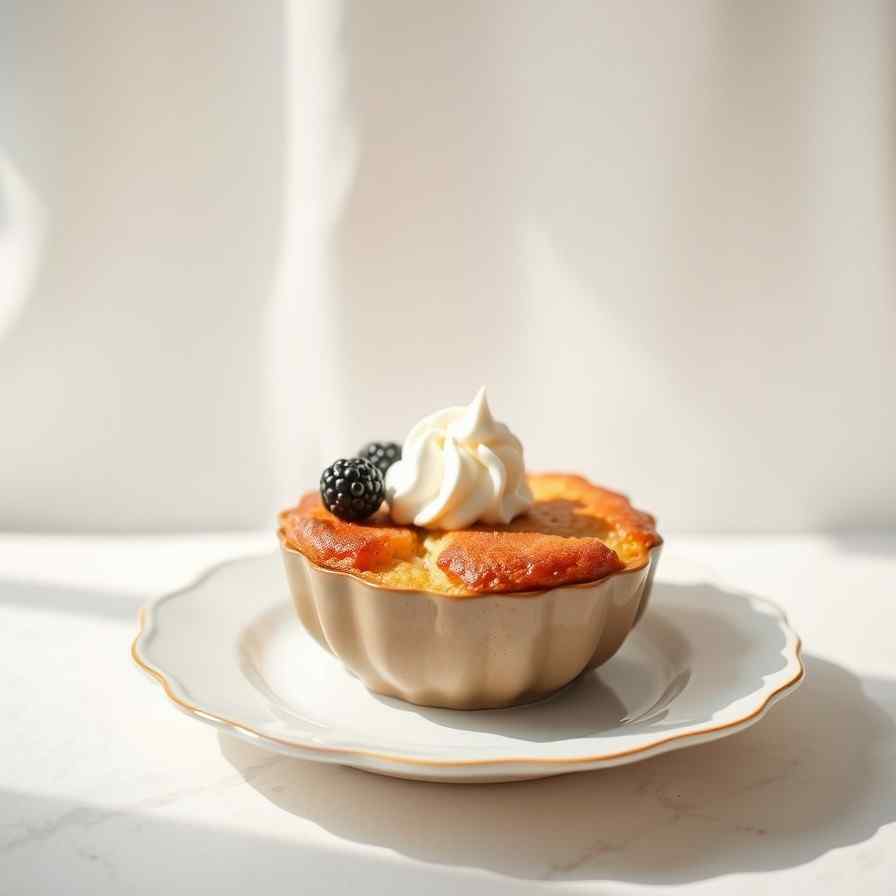
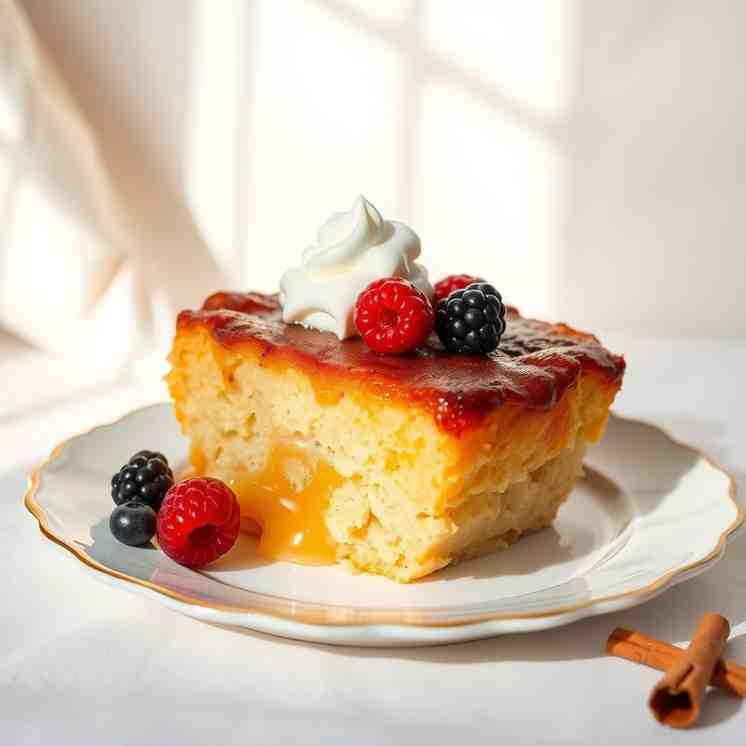
- Serves: 6 People
- Prepare Time: 20 minutes
- Cooking Time: 40-50 minut
- Calories: -
- Difficulty: Easy
Craving a taste of old-school comfort? Look no further than Classic English Bread and Butter Pudding, a deliciously simple baked dessert that’s been warming hearts for centuries. If you're searching for the bread pudding best recipe, you've found it! This isn't just any sweet treat; it’s an old time recipe that perfectly embodies cozy, home-baked goodness.
While Americans often call similar dishes "bread pudding," the English version, often referred to as "Bread and Butter Pudding," typically boasts a more subtle sweetness, letting the rich, custardy texture and buttery bread truly shine. It’s an elegant yet unfussy English food dish that makes for a truly delicious baking recipe. Made with everyday ingredients like bread, milk, and eggs, it's one of those simple to make desserts that proves you don't need fancy components for a truly satisfying finish. Get ready to transform humble bread into a glorious, comforting dessert that’s a testament to timeless baking.
Ingredients
Directions
- Prep the Dish & Bread Preheat your oven to 350°F (175°C). Lightly grease your chosen shallow baking dish with a little butter. Trim the crusts from the bread slices (optional, but makes for a tidier pudding) and then cut each slice diagonally into two triangles. Spread one side of each bread triangle generously with softened butter.
- Build the Layers Arrange half of the buttered bread triangles, butter-side up, in a single layer at the bottom of your prepared baking dish. Sprinkle half of the raisins evenly over the bread. Repeat with the remaining bread and raisins, finishing with a layer of bread on top.
- Make the Custard the Safe Way In a small saucepan, gently warm the milk, heavy cream, and vanilla extract over medium-low heat until it’s steaming, but not boiling. You'll see small bubbles forming around the edges. Remove from heat. In a large mixing bowl, whisk together the granulated sugar, eggs, and egg yolk until well combined and slightly pale. Slowly, in a thin stream, pour about half of the warm dairy mixture into the egg mixture while continuously whisking vigorously. This process, called tempering, prevents the eggs from scrambling. Once combined, pour the tempered egg mixture back into the saucepan with the remaining warm dairy and whisk everything together until smooth. For an extra-smooth, silky custard, you can strain the mixture through a fine-mesh sieve; this is particularly worth it if you’re aiming for a very refined texture. Stir in the ground cinnamon or nutmeg and optional lemon zest.
- Soak Carefully pour the custard mixture evenly over the layered bread in the baking dish. Gently press down on the bread with the back of a spoon to ensure all the bread soaks up the custard. Let it soak at room temperature for at least 30 minutes. If you have more time, you can cover it and refrigerate for up to 4 hours (or even overnight) for deeper flavor and absorption.
- Bake Sprinkle the demerara or turbinado sugar evenly over the top of the pudding. Place the baking dish on a baking sheet (to catch any potential spills) and bake for 40-50 minutes, or until the top is golden brown, puffed, and the custard is set.
- How to Tell It's Done (The Missing Section) To check for doneness, gently jiggle the dish. The edges should be set and firm, but you want to see a slight, gentle wobble in the very center. The top should be beautifully golden and puffed, with no wet custard pooling. Avoid overbaking, which can lead to a dry, rubbery texture. Once out of the oven, let the pudding rest for 10-15 minutes before serving. This rest time allows the custard to fully set and cool slightly, making it easier to scoop and preventing it from being too runny. It also allows the flavors to meld beautifully.
- Serving Ideas (Keep it Classic, Keep it Simple) This classic dessert is wonderful on its own, but for an extra treat, serve it warm with a scoop of vanilla ice cream, a dollop of freshly whipped cream, or a drizzle of warm custard sauce. Simple, elegant, and utterly delicious!
Classic Bread Pudding - Easy English Dessert
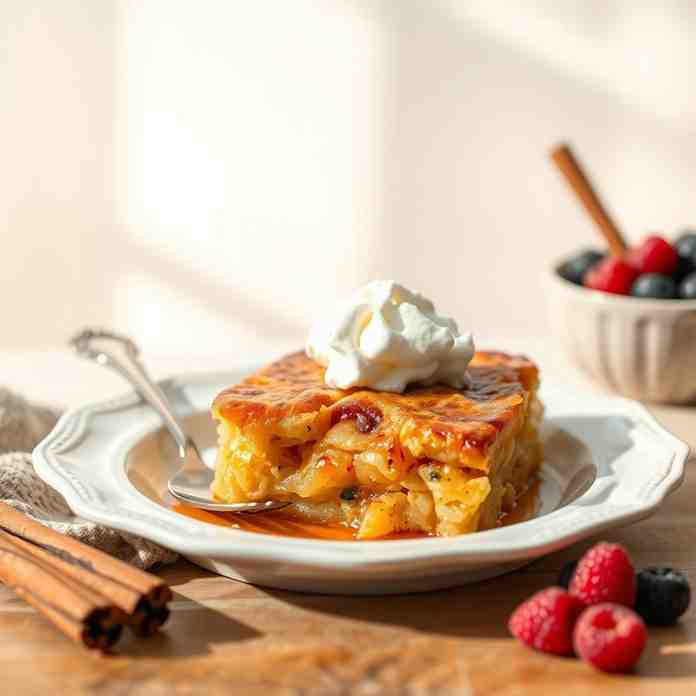
- Serves: 6 People
- Prepare Time: 20 minutes
- Cooking Time: 40-50 minut
- Calories: -
- Difficulty: Easy
Craving a taste of old-school comfort? Look no further than Classic English Bread and Butter Pudding, a deliciously simple baked dessert that’s been warming hearts for centuries. If you're searching for the bread pudding best recipe, you've found it! This isn't just any sweet treat; it’s an old time recipe that perfectly embodies cozy, home-baked goodness.
While Americans often call similar dishes "bread pudding," the English version, often referred to as "Bread and Butter Pudding," typically boasts a more subtle sweetness, letting the rich, custardy texture and buttery bread truly shine. It’s an elegant yet unfussy English food dish that makes for a truly delicious baking recipe. Made with everyday ingredients like bread, milk, and eggs, it's one of those simple to make desserts that proves you don't need fancy components for a truly satisfying finish. Get ready to transform humble bread into a glorious, comforting dessert that’s a testament to timeless baking.
Ingredients
Directions
- Prep the Dish & Bread Preheat your oven to 350°F (175°C). Lightly grease your chosen shallow baking dish with a little butter. Trim the crusts from the bread slices (optional, but makes for a tidier pudding) and then cut each slice diagonally into two triangles. Spread one side of each bread triangle generously with softened butter.
- Build the Layers Arrange half of the buttered bread triangles, butter-side up, in a single layer at the bottom of your prepared baking dish. Sprinkle half of the raisins evenly over the bread. Repeat with the remaining bread and raisins, finishing with a layer of bread on top.
- Make the Custard the Safe Way In a small saucepan, gently warm the milk, heavy cream, and vanilla extract over medium-low heat until it’s steaming, but not boiling. You'll see small bubbles forming around the edges. Remove from heat. In a large mixing bowl, whisk together the granulated sugar, eggs, and egg yolk until well combined and slightly pale. Slowly, in a thin stream, pour about half of the warm dairy mixture into the egg mixture while continuously whisking vigorously. This process, called tempering, prevents the eggs from scrambling. Once combined, pour the tempered egg mixture back into the saucepan with the remaining warm dairy and whisk everything together until smooth. For an extra-smooth, silky custard, you can strain the mixture through a fine-mesh sieve; this is particularly worth it if you’re aiming for a very refined texture. Stir in the ground cinnamon or nutmeg and optional lemon zest.
- Soak Carefully pour the custard mixture evenly over the layered bread in the baking dish. Gently press down on the bread with the back of a spoon to ensure all the bread soaks up the custard. Let it soak at room temperature for at least 30 minutes. If you have more time, you can cover it and refrigerate for up to 4 hours (or even overnight) for deeper flavor and absorption.
- Bake Sprinkle the demerara or turbinado sugar evenly over the top of the pudding. Place the baking dish on a baking sheet (to catch any potential spills) and bake for 40-50 minutes, or until the top is golden brown, puffed, and the custard is set.
- How to Tell It's Done (The Missing Section) To check for doneness, gently jiggle the dish. The edges should be set and firm, but you want to see a slight, gentle wobble in the very center. The top should be beautifully golden and puffed, with no wet custard pooling. Avoid overbaking, which can lead to a dry, rubbery texture. Once out of the oven, let the pudding rest for 10-15 minutes before serving. This rest time allows the custard to fully set and cool slightly, making it easier to scoop and preventing it from being too runny. It also allows the flavors to meld beautifully.
- Serving Ideas (Keep it Classic, Keep it Simple) This classic dessert is wonderful on its own, but for an extra treat, serve it warm with a scoop of vanilla ice cream, a dollop of freshly whipped cream, or a drizzle of warm custard sauce. Simple, elegant, and utterly delicious!
You may also like



Hey there! I’m just someone who seriously loves good food and believes that cooking doesn’t have to be complicated to be amazing. Whether it’s a quick weeknight dinner or a cozy weekend meal, I’m all about sharing easy, tasty recipes that actually work.