Costa Rican Coconut Fudge - Better Than Goat Milk Caramel
Costa Rican Coconut Fudge - Better Than Goat Milk Caramel
- Serves: 24 People
- Prepare Time: 15 minutes
- Cooking Time: 25-30 minut
- Calories: -
- Difficulty: Easy
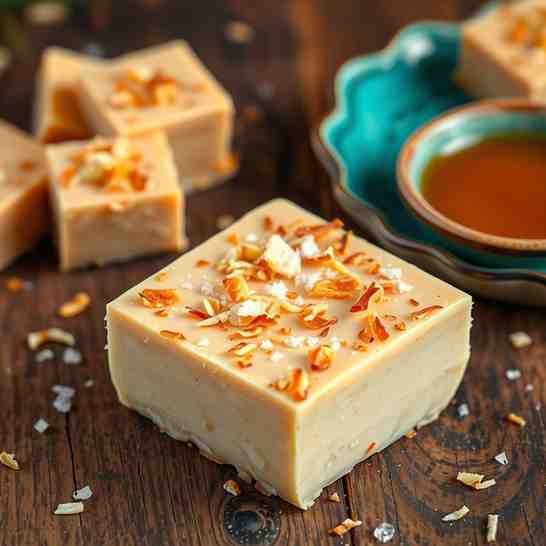
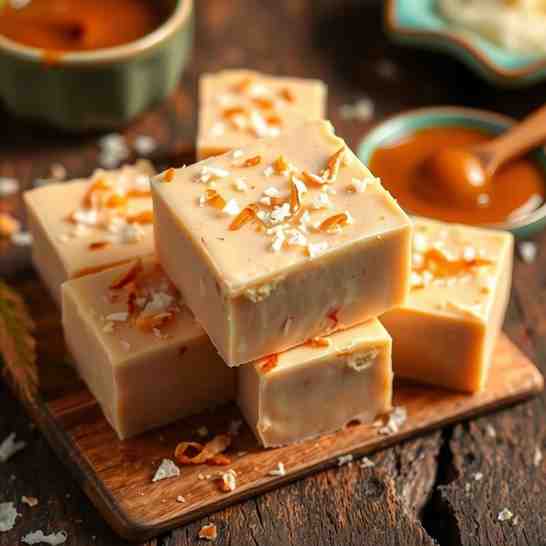
Ever stumbled upon a chewy, coconut-rich fudge in a bustling Costa Rican bakery or from a friendly street vendor and wondered how to make it yourself? You're in for a treat! This isn't just any caramel sauce; we're talking about Costa Rican Cajeta de Coco, a delightfully dense, bite-sized coconut fudge candy that's miles away from your typical pourable goat milk caramel.
In Costa Rica, "cajeta" often refers to these sweet, firm candies, distinct from the liquid, goat milk caramel sauce you might find in Mexico. While both are divine, our recipe focuses on the traditional Costa Rican version—a truly unique dessert recipe that will transport your taste buds straight to the tropics.
This heavenly coconut fudge is:
Bursting with Flavor: Imagine toasted coconut, sweet milk, and a hint of spice all rolled into one irresistible bite.
Quick & Easy: Ready in under an hour, making it one of those fantastic easy desserts for any occasion.
One-Bowl Wonder: Everything comes together in a single heavy-bottomed saucepan on your stovetop. No fancy equipment needed!
So, let's dive into the world of authentic Costa Rican Cajeta de Coco and learn how to whip up this chewy, sweet indulgence right in your own kitchen. Forget what you thought you knew about cajeta; this is the real Pura Vida deal!
The world of caramel-like sweets can be a bit confusing, especially when terms like "cajeta" and "dulce de leche" get thrown around. Let's clear things up:
Mexican Cajeta: When most people in the U.S. hear "cajeta," they're often thinking of the Mexican version. This is typically a pourable goat milk caramel sauce, rich and tangy, often used as a topping for desserts, ice cream, or even eaten straight from the spoon. (Think of the amazing `Serious Eats` recipe for a classic example!).
Costa Rican Cajetas de Coco: This is what we're making today! In Costa Rica, "cajeta" often refers to a variety of firm, bite-sized candies. Our star, Cajeta de Coco, is a coconut fudge candy, made with shredded coconut, milk, and sugar, cooked down to a thick, chewy consistency. It's a candy, not a sauce.
Dulce de Leche: This is a classic South American milk caramel, usually made with cow's milk. It's similar in consistency to Mexican cajeta (a sauce), but often has a slightly different flavor profile due to the milk used.
Clear Statement: This recipe is for traditional Costa Rican coconut cajeta candy, a delightful fudge that stands proudly on its own, distinct from its saucier, goat's milk cousin.
Ingredients
Directions
- Toast the CoconutPreheat your oven to 300°F (150°C). Spread the unsweetened shredded coconut in an even layer on a large baking sheet. Toast in the oven for about 8-10 minutes, stirring once halfway through, until it's lightly golden and fragrant. Keep a close eye on it, as coconut can go from perfectly toasted to burnt very quickly! Remove from oven and set aside.
- Start the BaseIn your heavy-bottomed saucepan, combine the sweetened condensed milk, granulated sugar, butter, cinnamon (if using), and salt (if using). Stir well over medium-low heat until the sugar completely dissolves and the butter melts, creating a smooth, creamy mixture. Don't let it boil vigorously yet, just gently warm through.
- Cook to Fudge StageAdd the toasted coconut to the saucepan. Increase the heat slightly to medium, bringing the mixture to a gentle simmer. Now, the key is constant stirring! Use your wooden spoon or silicone spatula to continuously stir and scrape the bottom and sides of the pan to prevent sticking and burning.The mixture will gradually thicken. You'll notice the bubbles becoming larger and slower, and the mixture will start to pull away from the sides of the pan more easily. This cooking stage typically takes about 15-20 minutes, but it can vary.
- Doneness Cues: The mixture is ready when it forms a thick mass and, when you scrape your spoon or spatula across the bottom of the pan, it leaves a trail that stays open for about a second before the mixture flows back together. The color will also deepen to a beautiful golden-brown, like perfectly toasted coconut.
- Shape & CoolOnce the cajeta reaches the desired consistency, remove it from the heat immediately.
- Option A (Squares): If you want squares, quickly spread the hot mixture into your prepared baking pan (lined with parchment paper). Use another piece of parchment paper or a lightly buttered spatula to press the mixture down firmly and evenly. Let it cool completely at room temperature for at least 2-3 hours, or until firm enough to cut. Once cool, lift it out of the pan using the parchment paper and cut into small bite-sized squares.
- Option B (Balls): If you prefer balls, let the mixture cool in the pan until it's just warm enough to handle comfortably (about 20-30 minutes). Be careful, as it will still be hot! Lightly grease your hands with a little butter or coconut oil, then scoop out small portions (about 1 tablespoon) and roll them into neat balls. If desired, you can roll the finished balls in a little extra unsweetened shredded coconut for a pretty finish.
- Serve & StoreThese delightful coconut fudge candies are perfect with a cup of strong Costa Rican coffee, as a sweet pick-me-up in a lunchbox, or arranged beautifully on a holiday dessert platter.
- Storage: Store your Cajetas de Coco in an airtight container at room temperature for up to 1 week. For longer storage, they can be refrigerated for up to 2 weeks or frozen for up to 3 months. If frozen, let them thaw at room temperature before enjoying. They'll soften slightly in the fridge, but still retain their delicious chewiness.
Costa Rican Coconut Fudge - Better Than Goat Milk Caramel
- Serves: 24 People
- Prepare Time: 15 minutes
- Cooking Time: 25-30 minut
- Calories: -
- Difficulty: Easy
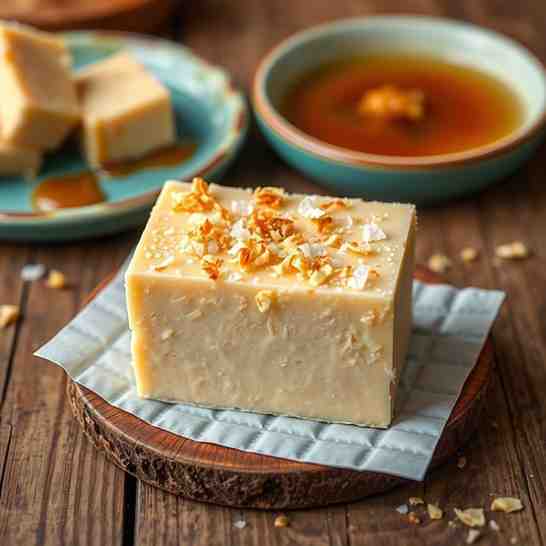
Ever stumbled upon a chewy, coconut-rich fudge in a bustling Costa Rican bakery or from a friendly street vendor and wondered how to make it yourself? You're in for a treat! This isn't just any caramel sauce; we're talking about Costa Rican Cajeta de Coco, a delightfully dense, bite-sized coconut fudge candy that's miles away from your typical pourable goat milk caramel.
In Costa Rica, "cajeta" often refers to these sweet, firm candies, distinct from the liquid, goat milk caramel sauce you might find in Mexico. While both are divine, our recipe focuses on the traditional Costa Rican version—a truly unique dessert recipe that will transport your taste buds straight to the tropics.
This heavenly coconut fudge is:
Bursting with Flavor: Imagine toasted coconut, sweet milk, and a hint of spice all rolled into one irresistible bite.
Quick & Easy: Ready in under an hour, making it one of those fantastic easy desserts for any occasion.
One-Bowl Wonder: Everything comes together in a single heavy-bottomed saucepan on your stovetop. No fancy equipment needed!
So, let's dive into the world of authentic Costa Rican Cajeta de Coco and learn how to whip up this chewy, sweet indulgence right in your own kitchen. Forget what you thought you knew about cajeta; this is the real Pura Vida deal!
The world of caramel-like sweets can be a bit confusing, especially when terms like "cajeta" and "dulce de leche" get thrown around. Let's clear things up:
Mexican Cajeta: When most people in the U.S. hear "cajeta," they're often thinking of the Mexican version. This is typically a pourable goat milk caramel sauce, rich and tangy, often used as a topping for desserts, ice cream, or even eaten straight from the spoon. (Think of the amazing `Serious Eats` recipe for a classic example!).
Costa Rican Cajetas de Coco: This is what we're making today! In Costa Rica, "cajeta" often refers to a variety of firm, bite-sized candies. Our star, Cajeta de Coco, is a coconut fudge candy, made with shredded coconut, milk, and sugar, cooked down to a thick, chewy consistency. It's a candy, not a sauce.
Dulce de Leche: This is a classic South American milk caramel, usually made with cow's milk. It's similar in consistency to Mexican cajeta (a sauce), but often has a slightly different flavor profile due to the milk used.
Clear Statement: This recipe is for traditional Costa Rican coconut cajeta candy, a delightful fudge that stands proudly on its own, distinct from its saucier, goat's milk cousin.
Ingredients
Directions
- Toast the CoconutPreheat your oven to 300°F (150°C). Spread the unsweetened shredded coconut in an even layer on a large baking sheet. Toast in the oven for about 8-10 minutes, stirring once halfway through, until it's lightly golden and fragrant. Keep a close eye on it, as coconut can go from perfectly toasted to burnt very quickly! Remove from oven and set aside.
- Start the BaseIn your heavy-bottomed saucepan, combine the sweetened condensed milk, granulated sugar, butter, cinnamon (if using), and salt (if using). Stir well over medium-low heat until the sugar completely dissolves and the butter melts, creating a smooth, creamy mixture. Don't let it boil vigorously yet, just gently warm through.
- Cook to Fudge StageAdd the toasted coconut to the saucepan. Increase the heat slightly to medium, bringing the mixture to a gentle simmer. Now, the key is constant stirring! Use your wooden spoon or silicone spatula to continuously stir and scrape the bottom and sides of the pan to prevent sticking and burning.The mixture will gradually thicken. You'll notice the bubbles becoming larger and slower, and the mixture will start to pull away from the sides of the pan more easily. This cooking stage typically takes about 15-20 minutes, but it can vary.
- Doneness Cues: The mixture is ready when it forms a thick mass and, when you scrape your spoon or spatula across the bottom of the pan, it leaves a trail that stays open for about a second before the mixture flows back together. The color will also deepen to a beautiful golden-brown, like perfectly toasted coconut.
- Shape & CoolOnce the cajeta reaches the desired consistency, remove it from the heat immediately.
- Option A (Squares): If you want squares, quickly spread the hot mixture into your prepared baking pan (lined with parchment paper). Use another piece of parchment paper or a lightly buttered spatula to press the mixture down firmly and evenly. Let it cool completely at room temperature for at least 2-3 hours, or until firm enough to cut. Once cool, lift it out of the pan using the parchment paper and cut into small bite-sized squares.
- Option B (Balls): If you prefer balls, let the mixture cool in the pan until it's just warm enough to handle comfortably (about 20-30 minutes). Be careful, as it will still be hot! Lightly grease your hands with a little butter or coconut oil, then scoop out small portions (about 1 tablespoon) and roll them into neat balls. If desired, you can roll the finished balls in a little extra unsweetened shredded coconut for a pretty finish.
- Serve & StoreThese delightful coconut fudge candies are perfect with a cup of strong Costa Rican coffee, as a sweet pick-me-up in a lunchbox, or arranged beautifully on a holiday dessert platter.
- Storage: Store your Cajetas de Coco in an airtight container at room temperature for up to 1 week. For longer storage, they can be refrigerated for up to 2 weeks or frozen for up to 3 months. If frozen, let them thaw at room temperature before enjoying. They'll soften slightly in the fridge, but still retain their delicious chewiness.
You may also like

Hey there! I’m just someone who seriously loves good food and believes that cooking doesn’t have to be complicated to be amazing. Whether it’s a quick weeknight dinner or a cozy weekend meal, I’m all about sharing easy, tasty recipes that actually work.