
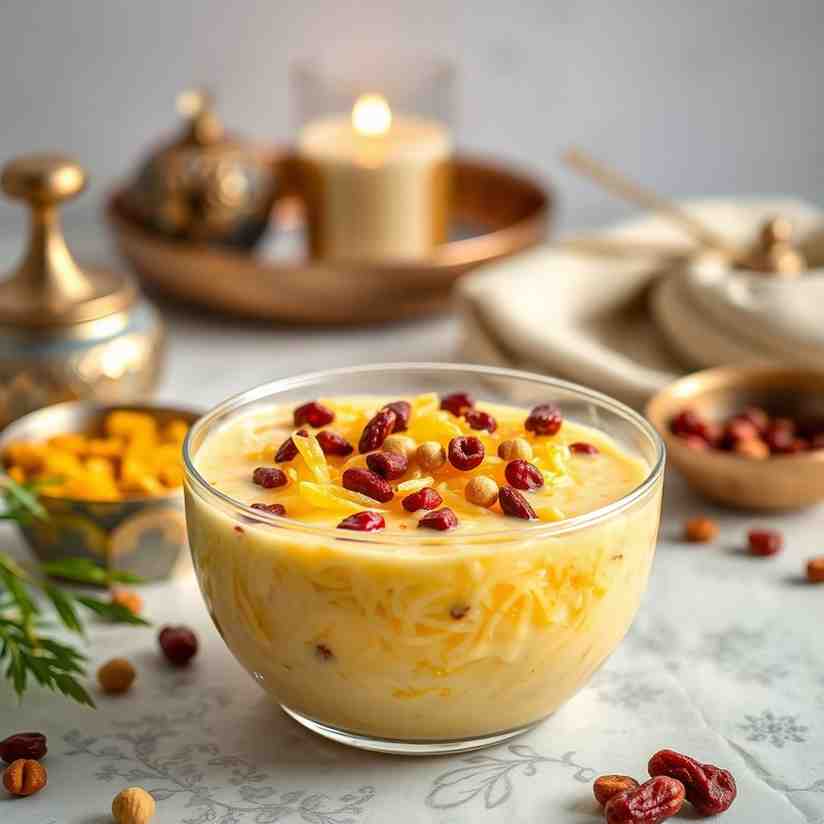
Creamy Buko Pandan - Coconut Cream Pudding
Creamy Buko Pandan - Coconut Cream Pudding
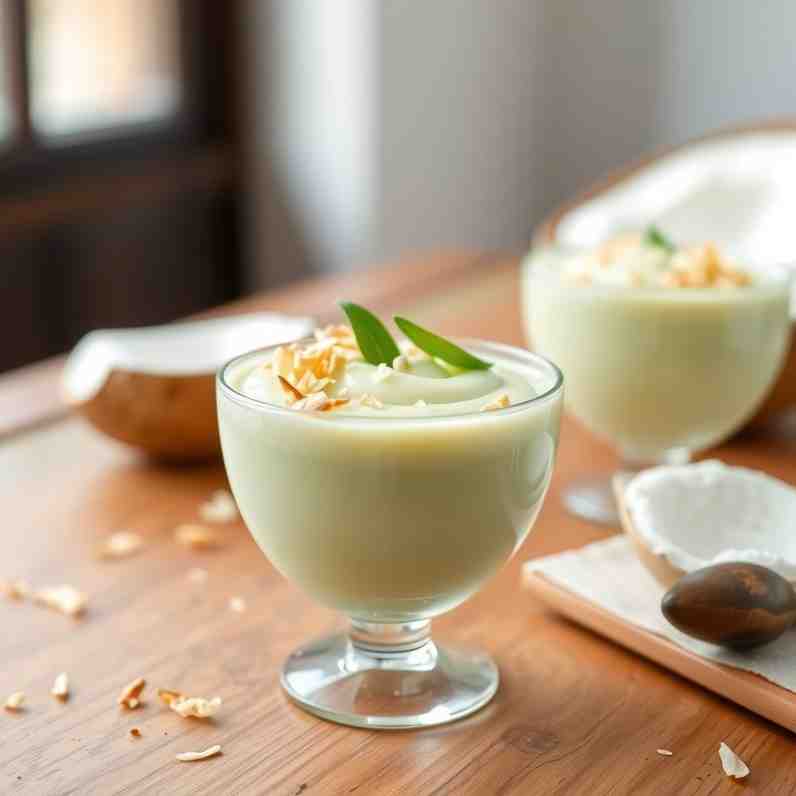
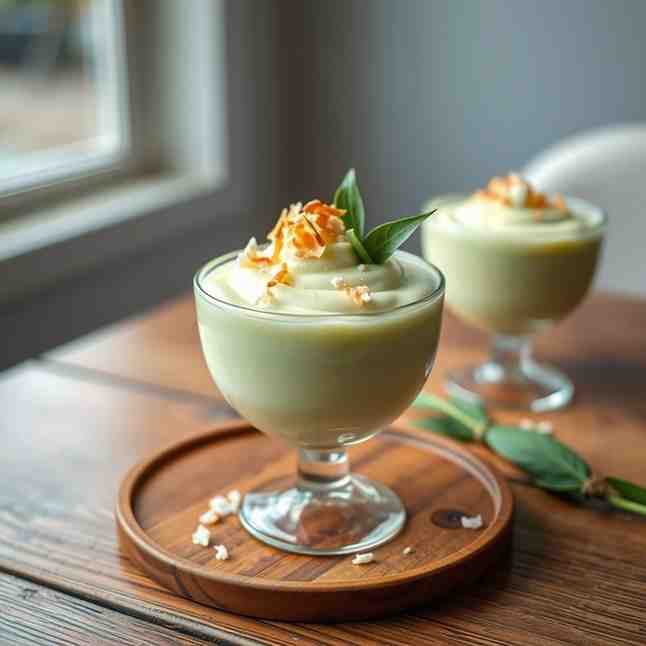
- Serves: 8 People
- Prepare Time: 25 minutes
- Cooking Time: 10 minutes
- Calories: -
- Difficulty: Easy
Get ready to discover your new favorite dessert! This Creamy Buko Pandan recipe isn't just another sweet treat; it's a vibrant, refreshing, and incredibly satisfying coconut cream pudding that's a true crowd-pleaser. Imagine a dessert that combines the rich, tropical flavor of coconut with the unique, aromatic notes of pandan, all brought together in a creamy base studded with delightfully bouncy green jelly cubes. It’s like a party in your mouth – super creamy, wonderfully coconutty, and with a fun, jiggly texture that’ll make you smile.
This classic Filipino dessert is a standout for US readers because it's an easy to make sweet recipe that's perfect for making ahead, making it ideal for potlucks, family gatherings, or just a refreshing snack on a hot day. Forget complicated steps or fussy ingredients; we're here to promise you a sweet coconut cream base that’s perfectly thick and utterly non-greasy, paired with pandan jelly that sets reliably every single time. Get ready to impress everyone with this delicious dessert recipe that tastes like a tropical dream!
Buko Pandan is a beloved Filipino dessert, often described as a "salad" because of its mix of ingredients, but it’s truly a creamy, chilled pudding-like treat. "Buko" means young coconut in Tagalog, referring to the tender strips of coconut meat that are a key component. "Pandan" is a tropical plant whose leaves impart a unique, vanilla-like aroma and vibrant green hue to the jelly. The combination creates a refreshing, sweet, and aromatic dessert that's a staple at Filipino celebrations.
Getting the right ingredients is half the battle, especially when sourcing unique items like pandan in the US. Here’s what you need to know to pick the best for your coconut cream pudding:
The "buko" in Buko Pandan refers to young coconut meat. Here are your best bets in the US:
Fresh Young Coconut: If you can find it at Asian markets, this is the gold standard for flavor and texture. You'll need to crack it open and scrape out the tender meat.
Frozen Young Coconut Meat: Often sold in bags or tubs in the freezer section of Asian grocery stores. This is a fantastic, convenient option that retains good texture. Just thaw it and drain well before using.
Canned Young Coconut Meat: Less common, but sometimes available. Read labels carefully to ensure it's young coconut meat, not just shredded coconut. Drain thoroughly.
Coconut Water: You'll also need unsweetened coconut water for the jelly. This is widely available in most grocery stores.
Pandan is the secret to this dessert's unique aroma and beautiful color.
Pandan Extract: This is the easiest and most common way to get pandan flavor in the US. It's concentrated, so start with a small amount (like 1/4 teaspoon) and add more to taste and desired color. You can find it in Asian grocery stores or online.
Frozen Pandan Leaves: If you're lucky enough to find these in Asian markets, you can steep them in hot water or coconut water to extract the flavor. This provides a more natural, subtle aroma, but is more effort.
How to Control Intensity: Pandan extract can be potent. Always start with a small amount and taste as you go to prevent a "soapy" or "perfumey" flavor.
The creamy base is what makes this a true sweet coconut cream dessert.
Coconut Cream vs. Coconut Milk: For a richer, thicker, and more luxurious base, always opt for full-fat coconut cream (often found in cans, sometimes labeled "extra thick coconut milk"). It has a higher fat content than regular coconut milk, giving you that velvety texture. You can also refrigerate a can of full-fat coconut milk overnight and scoop out the thick cream that rises to the top.
Sweeteners:
Sweetened Condensed Milk: This is the traditional choice, providing both sweetness and creaminess.
Sweetened Condensed Coconut Milk: For a dairy-free version, this is an excellent substitute, available in many health food stores or online.
Why "Cream of Coconut" is Different: This is a pre-sweetened, often syrupy product primarily used for cocktails like piña coladas. While it's sweet and coconutty, it has a different consistency and sweetness level than what we're aiming for. It can work in a pinch if you adjust other sweeteners, but it's not the first choice for achieving our desired thick, non-greasy base.
This recipe uses a clear setting agent for the pandan jelly.
Gelatin: Our recipe primarily uses unflavored powdered gelatin (like Knox brand). It's widely available in most US supermarkets and produces a wonderfully bouncy, melt-in-your-mouth texture that's traditional for Buko Pandan.
Agar-Agar: If you prefer a vegetarian/vegan option, or a slightly firmer, more "snappy" jelly, agar-agar powder (often found in Asian markets) is a great substitute. Just note that the texture will be slightly different, and conversion ratios vary, so follow package directions for setting 2 cups of liquid.
Saucepan
Whisk
8-inch square pan (or similar shallow dish)
Knife + cutting board
Large mixing bowl + spatula
Ingredients
Directions
- Prep the Pan: Lightly grease an 8-inch square pan (or similar shallow dish) with a tiny bit of neutral oil or non-stick spray. This small step matters as it makes cutting and removing the jelly much easier later.
- Make the Pandan Coconut Jelly: In a saucepan, sprinkle the gelatin powder over the 1/2 cup of water. Let it "bloom" for 5 minutes – it will absorb the water and look like a thick, lumpy paste. This step ensures smooth dissolving. Add the coconut water and granulated sugar to the saucepan. Heat over medium-low, whisking constantly, until the gelatin and sugar are fully dissolved. This means no more granules when you rub a little liquid between your fingers. Do not boil. Remove from heat, stir in the pandan extract and optional green food coloring. Pour the mixture into your prepared pan. Let it cool at room temperature for about 30 minutes, then chill in the refrigerator for at least 4 hours, or until completely firm.
- Cut the Jelly: Once the pandan jelly is firm, run a thin knife around the edges of the pan. Invert the pan onto a cutting board, or simply cut the jelly directly in the pan. Use your best, sharpest knife to cut the jelly into uniform 1/2-inch to 1-inch cubes. Uniform cubes ensure even distribution and a pretty presentation.
- Make the Sweetened Coconut Cream Base: In a large mixing bowl, combine the chilled coconut cream, sweetened condensed milk, and vanilla extract. Whisk vigorously until the mixture is completely smooth, creamy, and well combined. The thickness target here is a luscious, pourable cream that coats the back of a spoon – it should not be watery or greasy. If your coconut cream separated (which can happen with chilling), whisking well will usually bring it back together.
- Fold Everything Together: Add the cubed pandan jelly and the drained young coconut meat (and any optional add-ins) to the cream base. Using a spatula, gently fold everything together. Be careful not to aggressively stir or mash the jelly cubes, as you want them to remain intact.
- Chill & Serve: Transfer the Buko Pandan to a large serving bowl or individual dessert cups. Cover tightly and chill in the refrigerator for at least 2 hours. This minimum chill time allows the flavors to meld and the dessert to become even more refreshing. The best texture window is typically within 1-2 days of making.
- Serving IdeasBuko Pandan is wonderfully versatile!
- Dessert Cups vs. Big Bowl: Serve it in individual clear dessert cups for an elegant presentation, or in a large glass bowl for family-style sharing.
- Optional Garnish Ideas: Elevate your dessert with a sprinkle of toasted shredded coconut, a handful of crushed rice cereal (like pinipig for an authentic Filipino crunch), or a few extra strips of young coconut meat on top. A fresh pandan leaf (if you can find one) makes a beautiful, aromatic garnish.
Creamy Buko Pandan - Coconut Cream Pudding

- Serves: 8 People
- Prepare Time: 25 minutes
- Cooking Time: 10 minutes
- Calories: -
- Difficulty: Easy
Get ready to discover your new favorite dessert! This Creamy Buko Pandan recipe isn't just another sweet treat; it's a vibrant, refreshing, and incredibly satisfying coconut cream pudding that's a true crowd-pleaser. Imagine a dessert that combines the rich, tropical flavor of coconut with the unique, aromatic notes of pandan, all brought together in a creamy base studded with delightfully bouncy green jelly cubes. It’s like a party in your mouth – super creamy, wonderfully coconutty, and with a fun, jiggly texture that’ll make you smile.
This classic Filipino dessert is a standout for US readers because it's an easy to make sweet recipe that's perfect for making ahead, making it ideal for potlucks, family gatherings, or just a refreshing snack on a hot day. Forget complicated steps or fussy ingredients; we're here to promise you a sweet coconut cream base that’s perfectly thick and utterly non-greasy, paired with pandan jelly that sets reliably every single time. Get ready to impress everyone with this delicious dessert recipe that tastes like a tropical dream!
Buko Pandan is a beloved Filipino dessert, often described as a "salad" because of its mix of ingredients, but it’s truly a creamy, chilled pudding-like treat. "Buko" means young coconut in Tagalog, referring to the tender strips of coconut meat that are a key component. "Pandan" is a tropical plant whose leaves impart a unique, vanilla-like aroma and vibrant green hue to the jelly. The combination creates a refreshing, sweet, and aromatic dessert that's a staple at Filipino celebrations.
Getting the right ingredients is half the battle, especially when sourcing unique items like pandan in the US. Here’s what you need to know to pick the best for your coconut cream pudding:
The "buko" in Buko Pandan refers to young coconut meat. Here are your best bets in the US:
Fresh Young Coconut: If you can find it at Asian markets, this is the gold standard for flavor and texture. You'll need to crack it open and scrape out the tender meat.
Frozen Young Coconut Meat: Often sold in bags or tubs in the freezer section of Asian grocery stores. This is a fantastic, convenient option that retains good texture. Just thaw it and drain well before using.
Canned Young Coconut Meat: Less common, but sometimes available. Read labels carefully to ensure it's young coconut meat, not just shredded coconut. Drain thoroughly.
Coconut Water: You'll also need unsweetened coconut water for the jelly. This is widely available in most grocery stores.
Pandan is the secret to this dessert's unique aroma and beautiful color.
Pandan Extract: This is the easiest and most common way to get pandan flavor in the US. It's concentrated, so start with a small amount (like 1/4 teaspoon) and add more to taste and desired color. You can find it in Asian grocery stores or online.
Frozen Pandan Leaves: If you're lucky enough to find these in Asian markets, you can steep them in hot water or coconut water to extract the flavor. This provides a more natural, subtle aroma, but is more effort.
How to Control Intensity: Pandan extract can be potent. Always start with a small amount and taste as you go to prevent a "soapy" or "perfumey" flavor.
The creamy base is what makes this a true sweet coconut cream dessert.
Coconut Cream vs. Coconut Milk: For a richer, thicker, and more luxurious base, always opt for full-fat coconut cream (often found in cans, sometimes labeled "extra thick coconut milk"). It has a higher fat content than regular coconut milk, giving you that velvety texture. You can also refrigerate a can of full-fat coconut milk overnight and scoop out the thick cream that rises to the top.
Sweeteners:
Sweetened Condensed Milk: This is the traditional choice, providing both sweetness and creaminess.
Sweetened Condensed Coconut Milk: For a dairy-free version, this is an excellent substitute, available in many health food stores or online.
Why "Cream of Coconut" is Different: This is a pre-sweetened, often syrupy product primarily used for cocktails like piña coladas. While it's sweet and coconutty, it has a different consistency and sweetness level than what we're aiming for. It can work in a pinch if you adjust other sweeteners, but it's not the first choice for achieving our desired thick, non-greasy base.
This recipe uses a clear setting agent for the pandan jelly.
Gelatin: Our recipe primarily uses unflavored powdered gelatin (like Knox brand). It's widely available in most US supermarkets and produces a wonderfully bouncy, melt-in-your-mouth texture that's traditional for Buko Pandan.
Agar-Agar: If you prefer a vegetarian/vegan option, or a slightly firmer, more "snappy" jelly, agar-agar powder (often found in Asian markets) is a great substitute. Just note that the texture will be slightly different, and conversion ratios vary, so follow package directions for setting 2 cups of liquid.
Saucepan
Whisk
8-inch square pan (or similar shallow dish)
Knife + cutting board
Large mixing bowl + spatula
Ingredients
Directions
- Prep the Pan: Lightly grease an 8-inch square pan (or similar shallow dish) with a tiny bit of neutral oil or non-stick spray. This small step matters as it makes cutting and removing the jelly much easier later.
- Make the Pandan Coconut Jelly: In a saucepan, sprinkle the gelatin powder over the 1/2 cup of water. Let it "bloom" for 5 minutes – it will absorb the water and look like a thick, lumpy paste. This step ensures smooth dissolving. Add the coconut water and granulated sugar to the saucepan. Heat over medium-low, whisking constantly, until the gelatin and sugar are fully dissolved. This means no more granules when you rub a little liquid between your fingers. Do not boil. Remove from heat, stir in the pandan extract and optional green food coloring. Pour the mixture into your prepared pan. Let it cool at room temperature for about 30 minutes, then chill in the refrigerator for at least 4 hours, or until completely firm.
- Cut the Jelly: Once the pandan jelly is firm, run a thin knife around the edges of the pan. Invert the pan onto a cutting board, or simply cut the jelly directly in the pan. Use your best, sharpest knife to cut the jelly into uniform 1/2-inch to 1-inch cubes. Uniform cubes ensure even distribution and a pretty presentation.
- Make the Sweetened Coconut Cream Base: In a large mixing bowl, combine the chilled coconut cream, sweetened condensed milk, and vanilla extract. Whisk vigorously until the mixture is completely smooth, creamy, and well combined. The thickness target here is a luscious, pourable cream that coats the back of a spoon – it should not be watery or greasy. If your coconut cream separated (which can happen with chilling), whisking well will usually bring it back together.
- Fold Everything Together: Add the cubed pandan jelly and the drained young coconut meat (and any optional add-ins) to the cream base. Using a spatula, gently fold everything together. Be careful not to aggressively stir or mash the jelly cubes, as you want them to remain intact.
- Chill & Serve: Transfer the Buko Pandan to a large serving bowl or individual dessert cups. Cover tightly and chill in the refrigerator for at least 2 hours. This minimum chill time allows the flavors to meld and the dessert to become even more refreshing. The best texture window is typically within 1-2 days of making.
- Serving IdeasBuko Pandan is wonderfully versatile!
- Dessert Cups vs. Big Bowl: Serve it in individual clear dessert cups for an elegant presentation, or in a large glass bowl for family-style sharing.
- Optional Garnish Ideas: Elevate your dessert with a sprinkle of toasted shredded coconut, a handful of crushed rice cereal (like pinipig for an authentic Filipino crunch), or a few extra strips of young coconut meat on top. A fresh pandan leaf (if you can find one) makes a beautiful, aromatic garnish.
You may also like

Hey there! I’m just someone who seriously loves good food and believes that cooking doesn’t have to be complicated to be amazing. Whether it’s a quick weeknight dinner or a cozy weekend meal, I’m all about sharing easy, tasty recipes that actually work.



