
Crispy Rice Bowl - Tahdig Recipe
Crispy Rice Bowl - Tahdig Recipe

- Serves: 6 People
- Prepare Time: 25 minutes
- Cooking Time: 60 minutes
- Calories: -
- Difficulty: Medium
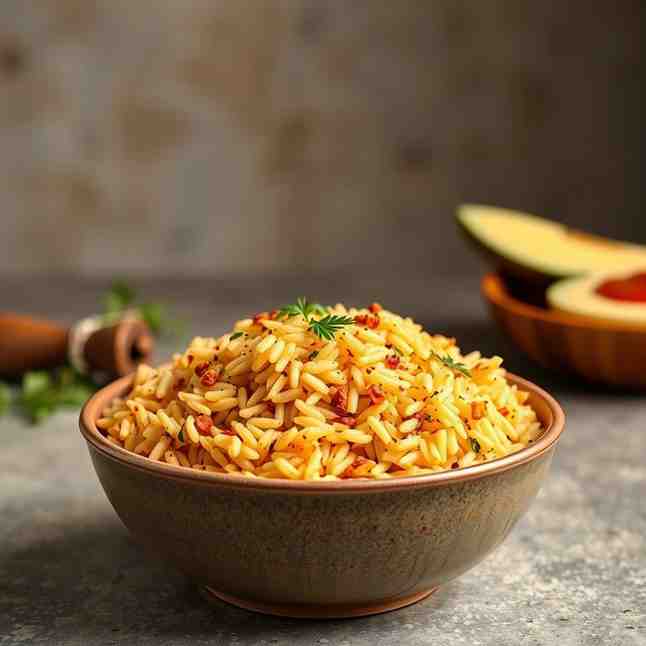
Alright, food adventurers! Tonight, we're diving headfirst into one of the most beloved and frankly, fought-over, dishes in Persian cuisine: Tahdig. If you’ve been dreaming of a perfect crispy rice bowl – the kind with impossibly fluffy, fragrant basmati rice on top and a glorious, golden, crunchy crust at the bottom – you’ve come to the right place. Forget those past kitchen mishaps or the fear of a burnt bottom; we’re going to achieve that legendary Tahdig using just one pot and a super reliable method. This guide is for everyone, whether you’re a first-timer eager to explore Persian food recipes or someone who’s tried (and maybe accidentally charred) crispy rice before. Get ready to impress yourself!
Ingredients
Directions
- Wash the Rice (Until the Water Runs Mostly Clear) Place your white basmati rice in a large bowl. Fill with cold water, swish the rice around with your hand, and drain. Repeat this process about 5-7 times until the water you drain off is mostly clear, not cloudy. This step is crucial because it removes excess starch, which means less sticky rice and a better chance at that fluffy texture we’re aiming for.
- Soak in Salted Water Return the washed rice to a clean bowl. Add 2 tablespoons of Kosher salt and cover with at least 4-5 cups of fresh, cold water. Let it soak for at least 30 minutes, or up to 2 hours. Soaking helps the rice grains hydrate evenly, making them less prone to breaking during cooking and more forgiving if you accidentally overcook them slightly during parboiling. If you’re in a hurry, 20-30 minutes is better than nothing!
- Parboil (The “Al Dente” Checkpoint) Drain the soaking water from the rice. Bring a large pot (the best pot for cooking rice here is a nonstick one, if you have it) of unsalted water to a rolling boil. Add the drained rice and cook for about 5-7 minutes. This stage moves fast, so don't wander off! You're looking for the rice to be "al dente" – still firm in the center, but tender on the outside. Bite a grain: it should have a slight resistance, but not be hard.
- Drain + Quick Rinse Carefully pour the parboiled rice into a colander or fine-mesh sieve. Immediately rinse the rice under cool water for about 30 seconds. This quick rinse stops the cooking process dead in its tracks and washes away any remaining excess starch and salt, ensuring your final rice is separate and fluffy.
- Prep Saffron (Optional) If using, crush your saffron threads into a fine powder (a mortar and pestle or even a spoon against a small bowl works). Place the crushed saffron in a small cup, add 2-3 tablespoons of hot water (or an ice cube for a "shock bloom"), and let it steep for at least 10 minutes. This "blooming" process is key to extracting its full, beautiful color and distinctive aroma.
- Build the Tahdig Base and Mound the Rice Melt 2 tablespoons of butter (or ghee) with 2 tablespoons of neutral oil in your chosen pot (a good pan to make rice with a heavy bottom is ideal here, especially nonstick). Swirl the fat to coat the entire bottom evenly. If using saffron, drizzle about half of your bloomed saffron liquid into the fat in the pot – this will give your Tahdig a gorgeous golden hue. Now, gently spoon the parboiled rice into the pot, mounding it into a pyramid shape in the center. Make sure to keep the rice off the sides of the pot; this helps prevent the sides from burning and ensures the heat focuses on creating that perfect bottom crust. Use the handle of a wooden spoon to poke 5-6 holes through the rice mound to the bottom of the pot – these are steam vents! Drizzle the remaining 2 tablespoons of melted butter (or ghee) and a small splash (about 1/4 cup) of water over the rice mound. This added moisture and fat will help steam the rice evenly and contribute to a more tender, flavorful crust.
- Steam (The Heat-Setting Rule) Place the lid on the pot. Start cooking over medium-high heat for about 5-7 minutes, until you hear sizzling and see steady steam escaping from under the lid. This initial high heat is crucial for forming the Tahdig crust. Once you see steam, immediately reduce the heat to the lowest setting. Wrap your pot lid in a clean kitchen towel (the towel absorbs condensation, preventing water from dripping back onto the rice and making it mushy). Place the towel-wrapped lid back on the pot and let it steam for 45-60 minutes. The timing depends on your stove and pot, but generally, the longer it steams on low, the crispier your Tahdig will be.
- Release + Flip (The Make-or-Break Moment) When the cooking time is up, remove the pot from the heat and let it rest, still covered, for 10-15 minutes. This resting phase allows the crust to firm up and makes it easier to release. Now for the grand finale! Place a large, flat serving platter upside down over the pot. Using heat-safe grips or oven mitts, firmly hold the pot and the platter together, and with a swift, confident motion, flip the entire thing over! Gently lift the pot. Behold your masterpiece! If it cracks or doesn't come out in a perfect round, don't fret – simply serve the golden shards proudly; that's how Persians often enjoy it anyway!
Crispy Rice Bowl - Tahdig Recipe

- Serves: 6 People
- Prepare Time: 25 minutes
- Cooking Time: 60 minutes
- Calories: -
- Difficulty: Medium
Alright, food adventurers! Tonight, we're diving headfirst into one of the most beloved and frankly, fought-over, dishes in Persian cuisine: Tahdig. If you’ve been dreaming of a perfect crispy rice bowl – the kind with impossibly fluffy, fragrant basmati rice on top and a glorious, golden, crunchy crust at the bottom – you’ve come to the right place. Forget those past kitchen mishaps or the fear of a burnt bottom; we’re going to achieve that legendary Tahdig using just one pot and a super reliable method. This guide is for everyone, whether you’re a first-timer eager to explore Persian food recipes or someone who’s tried (and maybe accidentally charred) crispy rice before. Get ready to impress yourself!
Ingredients
Directions
- Wash the Rice (Until the Water Runs Mostly Clear) Place your white basmati rice in a large bowl. Fill with cold water, swish the rice around with your hand, and drain. Repeat this process about 5-7 times until the water you drain off is mostly clear, not cloudy. This step is crucial because it removes excess starch, which means less sticky rice and a better chance at that fluffy texture we’re aiming for.
- Soak in Salted Water Return the washed rice to a clean bowl. Add 2 tablespoons of Kosher salt and cover with at least 4-5 cups of fresh, cold water. Let it soak for at least 30 minutes, or up to 2 hours. Soaking helps the rice grains hydrate evenly, making them less prone to breaking during cooking and more forgiving if you accidentally overcook them slightly during parboiling. If you’re in a hurry, 20-30 minutes is better than nothing!
- Parboil (The “Al Dente” Checkpoint) Drain the soaking water from the rice. Bring a large pot (the best pot for cooking rice here is a nonstick one, if you have it) of unsalted water to a rolling boil. Add the drained rice and cook for about 5-7 minutes. This stage moves fast, so don't wander off! You're looking for the rice to be "al dente" – still firm in the center, but tender on the outside. Bite a grain: it should have a slight resistance, but not be hard.
- Drain + Quick Rinse Carefully pour the parboiled rice into a colander or fine-mesh sieve. Immediately rinse the rice under cool water for about 30 seconds. This quick rinse stops the cooking process dead in its tracks and washes away any remaining excess starch and salt, ensuring your final rice is separate and fluffy.
- Prep Saffron (Optional) If using, crush your saffron threads into a fine powder (a mortar and pestle or even a spoon against a small bowl works). Place the crushed saffron in a small cup, add 2-3 tablespoons of hot water (or an ice cube for a "shock bloom"), and let it steep for at least 10 minutes. This "blooming" process is key to extracting its full, beautiful color and distinctive aroma.
- Build the Tahdig Base and Mound the Rice Melt 2 tablespoons of butter (or ghee) with 2 tablespoons of neutral oil in your chosen pot (a good pan to make rice with a heavy bottom is ideal here, especially nonstick). Swirl the fat to coat the entire bottom evenly. If using saffron, drizzle about half of your bloomed saffron liquid into the fat in the pot – this will give your Tahdig a gorgeous golden hue. Now, gently spoon the parboiled rice into the pot, mounding it into a pyramid shape in the center. Make sure to keep the rice off the sides of the pot; this helps prevent the sides from burning and ensures the heat focuses on creating that perfect bottom crust. Use the handle of a wooden spoon to poke 5-6 holes through the rice mound to the bottom of the pot – these are steam vents! Drizzle the remaining 2 tablespoons of melted butter (or ghee) and a small splash (about 1/4 cup) of water over the rice mound. This added moisture and fat will help steam the rice evenly and contribute to a more tender, flavorful crust.
- Steam (The Heat-Setting Rule) Place the lid on the pot. Start cooking over medium-high heat for about 5-7 minutes, until you hear sizzling and see steady steam escaping from under the lid. This initial high heat is crucial for forming the Tahdig crust. Once you see steam, immediately reduce the heat to the lowest setting. Wrap your pot lid in a clean kitchen towel (the towel absorbs condensation, preventing water from dripping back onto the rice and making it mushy). Place the towel-wrapped lid back on the pot and let it steam for 45-60 minutes. The timing depends on your stove and pot, but generally, the longer it steams on low, the crispier your Tahdig will be.
- Release + Flip (The Make-or-Break Moment) When the cooking time is up, remove the pot from the heat and let it rest, still covered, for 10-15 minutes. This resting phase allows the crust to firm up and makes it easier to release. Now for the grand finale! Place a large, flat serving platter upside down over the pot. Using heat-safe grips or oven mitts, firmly hold the pot and the platter together, and with a swift, confident motion, flip the entire thing over! Gently lift the pot. Behold your masterpiece! If it cracks or doesn't come out in a perfect round, don't fret – simply serve the golden shards proudly; that's how Persians often enjoy it anyway!
You may also like



Hey there! I’m just someone who seriously loves good food and believes that cooking doesn’t have to be complicated to be amazing. Whether it’s a quick weeknight dinner or a cozy weekend meal, I’m all about sharing easy, tasty recipes that actually work.