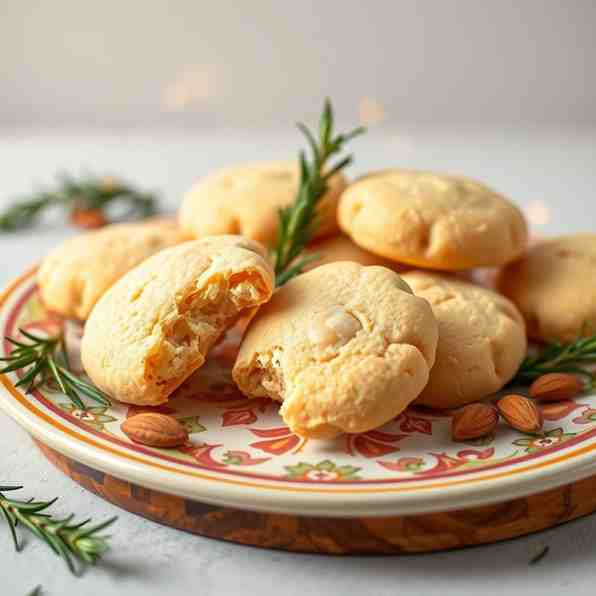
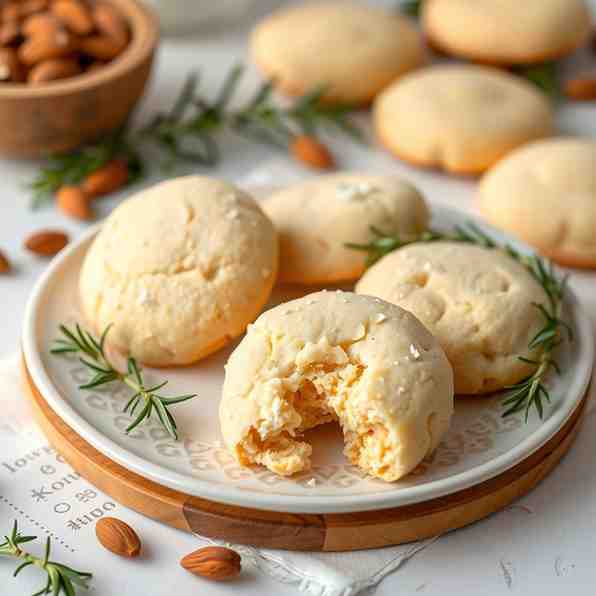
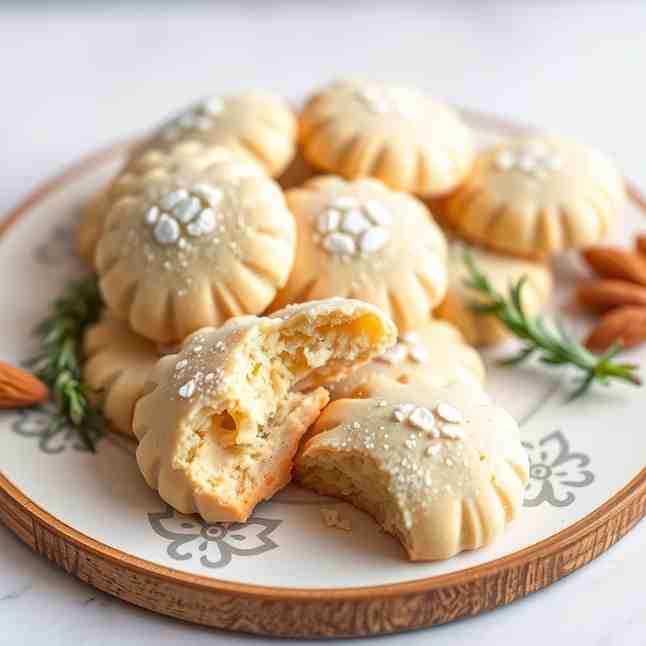
Easy Almond Flour Cookies - Spanish Panellets Recipe
Easy Almond Flour Cookies - Spanish Panellets Recipe
- Serves: 4 People
- Prepare Time: 45 minutes
- Cooking Time: 20 minutes
- Calories: -
- Difficulty: Easy
Welcome to the heart of Catalan home cooking! Today, we're taking a delicious journey to the Mediterranean coast to explore a true culinary gem: Traditional Catalan Coca Bread. This rustic flatbread is a staple in Catalonia, often described as a delightful cross between a focaccia and a pizza. While you might be searching for a delicious `almond cookies with almond flour recipe` or `almond cookies made with almond flour` for a sweet treat, stick around, because learning this foundational bread recipe opens up a world of savory possibilities!
Our recipe focuses on the versatile bread base, a simple olive-oil dough that traditionally gets topped with roasted vegetables (like escalivada), sometimes sausage, or even fish. You'll find it proudly displayed in bakeries across the region, a testament to its enduring appeal. If you’ve never baked bread from scratch, don't worry—this is a simple, forgiving dough to start with, promising a crisp bottom and wonderfully chewy edges every time. Get ready to bake a taste of Catalonia right in your own kitchen!
Ingredients
Directions
- Activate the Yeast & Mix the DoughIn a large mixing bowl, combine the warm water and yeast (and a pinch of sugar if you're using active dry yeast). Give it a gentle stir and let it rest for 5-10 minutes until it looks foamy – that means your yeast is alive and ready to work! Now, add the flour, salt, and 2 tablespoons of olive oil to the bowl. Mix everything together with a sturdy spoon or your hands until a rough, shaggy dough forms and there are no dry pockets of flour left. It will look a bit messy and sticky, and that’s totally okay!
- Knead Until Smooth & ElasticTurn the dough out onto a lightly floured surface.
- By Hand: Knead the dough for about 8-10 minutes. At first, it might seem sticky, but as you knead, it will become smoother and more elastic. Push the dough away from you with the heels of your hands, then fold it back over, turn, and repeat. You're looking for a smooth surface that’s stretchy and only slightly tacky to the touch. Resist the urge to add too much extra flour; a soft, slightly sticky dough is what we're after for a tender coca.
- With a Stand Mixer: Attach the dough hook and knead on low speed for 6-8 minutes. The dough should gather around the hook, leaving the sides of the bowl mostly clean, and look smooth and elastic.
- First Rise (Bulk Fermentation)Lightly oil a clean large bowl with a drizzle of olive oil. Place your kneaded dough into the bowl, turning it once to coat it lightly with oil. Cover the bowl tightly with plastic wrap or a damp kitchen towel. Let the dough rise in a warm spot (around 70-75°F / 21-24°C) for 1 to 1.5 hours, or until it has roughly doubled in size. In a cooler kitchen, this might take a bit longer. To check if it’s ready, gently poke the dough with a floured finger – if the indentation springs back slowly or partially, it's good to go.
- Divide & Shape the CocasGently punch down the risen dough to deflate it. Turn it out onto a lightly floured surface. Divide the dough into the number of cocas you want (e.g., two large cocas or four smaller individual ones). Gently shape each piece into a loose ball, then let them rest for 10-15 minutes. This short rest allows the gluten to relax, making the dough easier to stretch.Now, using your fingertips, gently stretch each dough ball into a thin oval or rectangle directly on a piece of parchment paper. Aim for a thickness of about ¼ inch (0.5–0.7 cm) in the center, leaving the edges slightly thicker for a nice chew. You can leave it as is for bubbly texture or gently "dock" it (prick with a fork) in a few places if you prefer fewer large bubbles.
- Second Rise on the Pan (Short Proof)Carefully transfer the parchment paper with the shaped dough onto your baking sheet. Cover them loosely with plastic wrap or a light kitchen towel. Let the shaped cocas rest for another 20-30 minutes. You’ll notice the edges look slightly pillowy, and the surface will appear relaxed and slightly puffed. This short proof helps the coca bake up light and airy.
- Bake the CocaPreheat your oven to a high temperature, typically 475-500°F (245-260°C). If you're using a pizza stone or steel, make sure it preheats thoroughly for at least 30-45 minutes. Lightly brush the surface of the shaped dough with extra virgin olive oil and sprinkle with a pinch of flaky sea salt. Now, carefully transfer the coca (still on its parchment paper) to the hot oven, either directly onto the preheated stone/steel or onto a hot baking sheet. Bake for 12-18 minutes, or until the coca is beautifully golden brown with a well-browned, crisp underside. To check for doneness, lift a corner with a spatula – it should feel firm and sound crisp when tapped.
Easy Almond Flour Cookies - Spanish Panellets Recipe
- Serves: 4 People
- Prepare Time: 45 minutes
- Cooking Time: 20 minutes
- Calories: -
- Difficulty: Easy
Welcome to the heart of Catalan home cooking! Today, we're taking a delicious journey to the Mediterranean coast to explore a true culinary gem: Traditional Catalan Coca Bread. This rustic flatbread is a staple in Catalonia, often described as a delightful cross between a focaccia and a pizza. While you might be searching for a delicious `almond cookies with almond flour recipe` or `almond cookies made with almond flour` for a sweet treat, stick around, because learning this foundational bread recipe opens up a world of savory possibilities!
Our recipe focuses on the versatile bread base, a simple olive-oil dough that traditionally gets topped with roasted vegetables (like escalivada), sometimes sausage, or even fish. You'll find it proudly displayed in bakeries across the region, a testament to its enduring appeal. If you’ve never baked bread from scratch, don't worry—this is a simple, forgiving dough to start with, promising a crisp bottom and wonderfully chewy edges every time. Get ready to bake a taste of Catalonia right in your own kitchen!
Ingredients
Directions
- Activate the Yeast & Mix the DoughIn a large mixing bowl, combine the warm water and yeast (and a pinch of sugar if you're using active dry yeast). Give it a gentle stir and let it rest for 5-10 minutes until it looks foamy – that means your yeast is alive and ready to work! Now, add the flour, salt, and 2 tablespoons of olive oil to the bowl. Mix everything together with a sturdy spoon or your hands until a rough, shaggy dough forms and there are no dry pockets of flour left. It will look a bit messy and sticky, and that’s totally okay!
- Knead Until Smooth & ElasticTurn the dough out onto a lightly floured surface.
- By Hand: Knead the dough for about 8-10 minutes. At first, it might seem sticky, but as you knead, it will become smoother and more elastic. Push the dough away from you with the heels of your hands, then fold it back over, turn, and repeat. You're looking for a smooth surface that’s stretchy and only slightly tacky to the touch. Resist the urge to add too much extra flour; a soft, slightly sticky dough is what we're after for a tender coca.
- With a Stand Mixer: Attach the dough hook and knead on low speed for 6-8 minutes. The dough should gather around the hook, leaving the sides of the bowl mostly clean, and look smooth and elastic.
- First Rise (Bulk Fermentation)Lightly oil a clean large bowl with a drizzle of olive oil. Place your kneaded dough into the bowl, turning it once to coat it lightly with oil. Cover the bowl tightly with plastic wrap or a damp kitchen towel. Let the dough rise in a warm spot (around 70-75°F / 21-24°C) for 1 to 1.5 hours, or until it has roughly doubled in size. In a cooler kitchen, this might take a bit longer. To check if it’s ready, gently poke the dough with a floured finger – if the indentation springs back slowly or partially, it's good to go.
- Divide & Shape the CocasGently punch down the risen dough to deflate it. Turn it out onto a lightly floured surface. Divide the dough into the number of cocas you want (e.g., two large cocas or four smaller individual ones). Gently shape each piece into a loose ball, then let them rest for 10-15 minutes. This short rest allows the gluten to relax, making the dough easier to stretch.Now, using your fingertips, gently stretch each dough ball into a thin oval or rectangle directly on a piece of parchment paper. Aim for a thickness of about ¼ inch (0.5–0.7 cm) in the center, leaving the edges slightly thicker for a nice chew. You can leave it as is for bubbly texture or gently "dock" it (prick with a fork) in a few places if you prefer fewer large bubbles.
- Second Rise on the Pan (Short Proof)Carefully transfer the parchment paper with the shaped dough onto your baking sheet. Cover them loosely with plastic wrap or a light kitchen towel. Let the shaped cocas rest for another 20-30 minutes. You’ll notice the edges look slightly pillowy, and the surface will appear relaxed and slightly puffed. This short proof helps the coca bake up light and airy.
- Bake the CocaPreheat your oven to a high temperature, typically 475-500°F (245-260°C). If you're using a pizza stone or steel, make sure it preheats thoroughly for at least 30-45 minutes. Lightly brush the surface of the shaped dough with extra virgin olive oil and sprinkle with a pinch of flaky sea salt. Now, carefully transfer the coca (still on its parchment paper) to the hot oven, either directly onto the preheated stone/steel or onto a hot baking sheet. Bake for 12-18 minutes, or until the coca is beautifully golden brown with a well-browned, crisp underside. To check for doneness, lift a corner with a spatula – it should feel firm and sound crisp when tapped.
You may also like


Hey there! I’m just someone who seriously loves good food and believes that cooking doesn’t have to be complicated to be amazing. Whether it’s a quick weeknight dinner or a cozy weekend meal, I’m all about sharing easy, tasty recipes that actually work.