
Bake Easy Lebanese Za'atar Sesame Bread - Seeds for Bread
Bake Easy Lebanese Za'atar Sesame Bread - Seeds for Bread
- Serves: 6 People
- Prepare Time: 30 minutes
- Cooking Time: 15 minutes
- Calories: -
- Difficulty: Easy
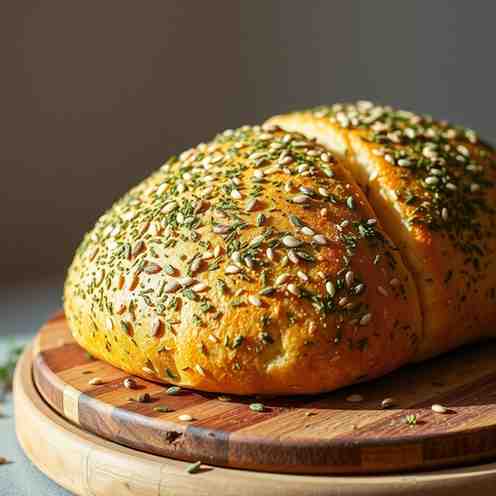
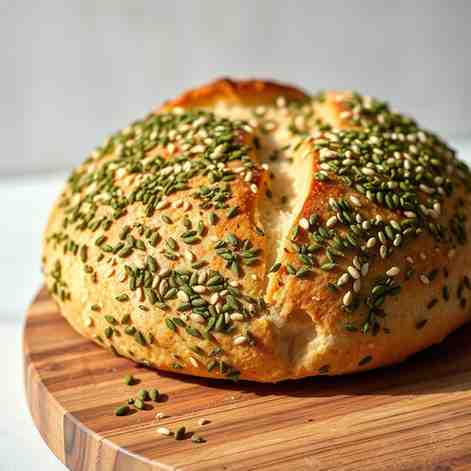
Ever wondered how to bring the vibrant flavors of the Middle East right into your kitchen? Get ready to discover Lebanese Za’atar Manakish, also known as Za’atar Flatbread or Kaak! This isn't just any bread; it's a culinary hug, a warm, soft, and lightly crisp flatbread topped with a fragrant blend of herbs and toasted sesame. For those curious about the best seeds for bread, za'atar is your answer, as its iconic blend features those delightful toasted sesame seeds!
Americans are falling head over heels for this incredible dish, and it's easy to see why. Manakish offers big, bold flavor in a surprisingly fast bake, making it one of the best breakfast things to eat or a perfect snack any time of day. Forget complicated recipes; our easy guide will show you how to make bread dough from scratch, or even use prepared bread dough if you're short on time. We’ll also dive into the magic of olive oil for bread and how it transforms this simple dough into something truly special. So, tie on that apron and get ready to bake something delicious!
Ingredients
Directions
- Mix & Knead the Dough: In a large bowl, combine the warm water, yeast, and sugar. Let it sit for 5-10 minutes until foamy – this means your yeast is active! Stir in the olive oil and salt. Gradually add the flour, mixing with a wooden spoon or your hands until a shaggy dough forms. Turn the dough out onto a lightly floured surface and knead for 8-10 minutes. The dough should transform from sticky to smooth, elastic, and springy. It should pass the "windowpane test" – you can stretch a small piece thin enough to see light through it without tearing. This kneading develops the gluten, which is key for a tender, chewy flatbread.
- First Rise: Lightly grease the bowl you used earlier with a little olive oil. Place the dough in the bowl, turning it once to coat. Cover the bowl tightly with plastic wrap or a clean kitchen towel. Let it rise in a warm spot for 1 to 1.5 hours, or until it has doubled in size. If your kitchen is cold, a simple trick is to turn your oven on to its lowest setting for 1-2 minutes, then turn it off and let the dough rise inside the slightly warmed oven.
- Portion & Shape: Gently punch down the risen dough to release the air. Divide the dough into 6-8 equal portions (about 90-110g each). Roll each portion into a smooth ball. On a lightly floured surface, use a rolling pin to roll each ball into a thin, round flatbread, about 6-8 inches in diameter and about ¼-inch thick. Don't make them too thick, or they won't cook through properly. Use your fingertips to gently dimple the surface of each flatbread. This simple step helps prevent large, unwanted air bubbles from forming during baking, ensuring a more even topping.
- Mix the Topping: In a small bowl, combine the za’atar blend and extra virgin olive oil. Stir well until you have a thick, spreadable paste. The texture should be like a thick dressing, not a watery soup. If it’s too thick, add a tiny bit more olive oil; if too thin, a tiny bit more za’atar. You want enough oil to carry the flavor and prevent the za'atar from burning, but not so much that it makes the bread soggy.
- Bake (High Heat, Fast): Preheat your oven to its highest setting (usually 450-500°F / 230-260°C). If you have a baking steel or stone, place it in the oven during preheating. Otherwise, simply flip a sturdy baking sheet upside down and let it preheat. This hot surface is crucial for achieving a quick puff and a beautifully crisp bottom crust. Carefully transfer a flatbread or two onto the hot baking surface. Spread about 1-2 tablespoons of the za’atar topping evenly over each flatbread, leaving a small border around the edge. Bake for 5-8 minutes, or until the edges are lightly golden and the za’atar is fragrant and bubbling. The bread should puff up slightly.
- Serve: As soon as they come out of the oven, transfer the Manakish to a wire rack. For a classic fold-and-eat style, let them cool just enough to handle. If you want to keep them soft, stack them and cover them with a clean kitchen towel immediately after baking. Enjoy them warm!
Bake Easy Lebanese Za'atar Sesame Bread - Seeds for Bread
- Serves: 6 People
- Prepare Time: 30 minutes
- Cooking Time: 15 minutes
- Calories: -
- Difficulty: Easy
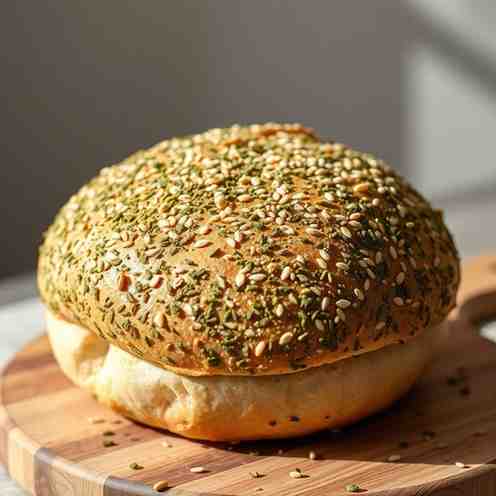
Ever wondered how to bring the vibrant flavors of the Middle East right into your kitchen? Get ready to discover Lebanese Za’atar Manakish, also known as Za’atar Flatbread or Kaak! This isn't just any bread; it's a culinary hug, a warm, soft, and lightly crisp flatbread topped with a fragrant blend of herbs and toasted sesame. For those curious about the best seeds for bread, za'atar is your answer, as its iconic blend features those delightful toasted sesame seeds!
Americans are falling head over heels for this incredible dish, and it's easy to see why. Manakish offers big, bold flavor in a surprisingly fast bake, making it one of the best breakfast things to eat or a perfect snack any time of day. Forget complicated recipes; our easy guide will show you how to make bread dough from scratch, or even use prepared bread dough if you're short on time. We’ll also dive into the magic of olive oil for bread and how it transforms this simple dough into something truly special. So, tie on that apron and get ready to bake something delicious!
Ingredients
Directions
- Mix & Knead the Dough: In a large bowl, combine the warm water, yeast, and sugar. Let it sit for 5-10 minutes until foamy – this means your yeast is active! Stir in the olive oil and salt. Gradually add the flour, mixing with a wooden spoon or your hands until a shaggy dough forms. Turn the dough out onto a lightly floured surface and knead for 8-10 minutes. The dough should transform from sticky to smooth, elastic, and springy. It should pass the "windowpane test" – you can stretch a small piece thin enough to see light through it without tearing. This kneading develops the gluten, which is key for a tender, chewy flatbread.
- First Rise: Lightly grease the bowl you used earlier with a little olive oil. Place the dough in the bowl, turning it once to coat. Cover the bowl tightly with plastic wrap or a clean kitchen towel. Let it rise in a warm spot for 1 to 1.5 hours, or until it has doubled in size. If your kitchen is cold, a simple trick is to turn your oven on to its lowest setting for 1-2 minutes, then turn it off and let the dough rise inside the slightly warmed oven.
- Portion & Shape: Gently punch down the risen dough to release the air. Divide the dough into 6-8 equal portions (about 90-110g each). Roll each portion into a smooth ball. On a lightly floured surface, use a rolling pin to roll each ball into a thin, round flatbread, about 6-8 inches in diameter and about ¼-inch thick. Don't make them too thick, or they won't cook through properly. Use your fingertips to gently dimple the surface of each flatbread. This simple step helps prevent large, unwanted air bubbles from forming during baking, ensuring a more even topping.
- Mix the Topping: In a small bowl, combine the za’atar blend and extra virgin olive oil. Stir well until you have a thick, spreadable paste. The texture should be like a thick dressing, not a watery soup. If it’s too thick, add a tiny bit more olive oil; if too thin, a tiny bit more za’atar. You want enough oil to carry the flavor and prevent the za'atar from burning, but not so much that it makes the bread soggy.
- Bake (High Heat, Fast): Preheat your oven to its highest setting (usually 450-500°F / 230-260°C). If you have a baking steel or stone, place it in the oven during preheating. Otherwise, simply flip a sturdy baking sheet upside down and let it preheat. This hot surface is crucial for achieving a quick puff and a beautifully crisp bottom crust. Carefully transfer a flatbread or two onto the hot baking surface. Spread about 1-2 tablespoons of the za’atar topping evenly over each flatbread, leaving a small border around the edge. Bake for 5-8 minutes, or until the edges are lightly golden and the za’atar is fragrant and bubbling. The bread should puff up slightly.
- Serve: As soon as they come out of the oven, transfer the Manakish to a wire rack. For a classic fold-and-eat style, let them cool just enough to handle. If you want to keep them soft, stack them and cover them with a clean kitchen towel immediately after baking. Enjoy them warm!
You may also like




Hey there! I’m just someone who seriously loves good food and believes that cooking doesn’t have to be complicated to be amazing. Whether it’s a quick weeknight dinner or a cozy weekend meal, I’m all about sharing easy, tasty recipes that actually work.