
El Salvador's Platano con Frijoles Recipe
El Salvador's Platano con Frijoles Recipe
- Serves: 4 People
- Prepare Time: 25 minutes
- Cooking Time: 1 hour 30 m
- Calories: -
- Difficulty: Medium
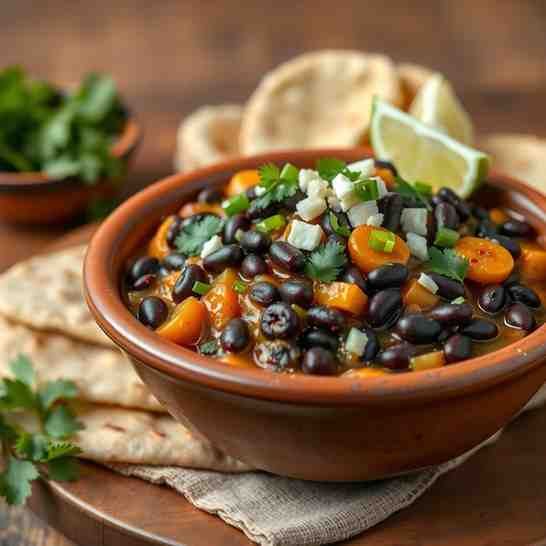
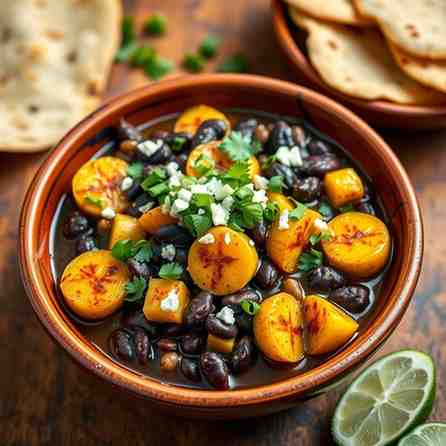
Welcome to a taste of Salvadoran tradition! Get ready to discover Plátanos Fritos con Frijoles Licuados, a dish that perfectly balances sweet and savory, offering a truly comforting experience. Imagine perfectly caramelized, golden-brown fried plantains, their natural sweetness brought to life, served alongside a rich, creamy blend of savory beans. It’s a match made in culinary heaven, and a staple on many Salvadoran tables.
This isn't just another recipe; it's your definitive guide to mastering this beloved dish. We’ll walk you through clear, foolproof frying cues to ensure your plantains are never soggy, always crispy and sweet. Plus, you’ll learn how to achieve that ideal creamy bean texture you can actually control. We'll even dive into the best cooking oil for frying and how to get the most out of recipes using coconut oil for that authentic touch. While this dish shines on its own, it’s often enjoyed with a dollop of fresh crema, a sprinkle of Salvadoran cheese, or creamy avocado slices—we'll touch on those perfect pairings too!
Ingredients
Directions
- Part 1: Preparing the Creamy Blended Beans
- Cook the Beans Until Tender: If using dried beans, place the rinsed black beans in a large pot with 6 cups of water. Bring to a boil, then reduce heat to low, cover, and simmer for 1 to 1.5 hours, or until the beans are very tender. They should be soft enough to mash easily. Add 1 teaspoon of salt during the last 30 minutes of cooking. If using canned beans, skip this step and proceed to step 2, using water or broth as your cooking liquid.
- What you should see: Beans that are easily mashed between your fingers, with some cooking liquid remaining in the pot.
- Blend the Beans: Carefully scoop the cooked beans (reserving about 1/2 cup of their cooking liquid) into a blender. Add the reserved 1/4 cup of cooking liquid (or water if using canned beans), the roughly chopped 1/2 onion, and the 2 cloves of garlic. Blend until completely smooth and creamy. You might need to add a little more cooking liquid, one tablespoon at a time, to reach your desired texture.
- What you should see: A thick, velvety smooth purée, similar to a creamy soup.
- Simmer and Thicken: Heat 2 tablespoons of neutral cooking oil for frying in a large skillet or pot over medium heat. Pour in the blended beans. Bring to a gentle simmer, stirring frequently to prevent sticking. The beans will thicken as they cook, becoming richer and creamier. This process helps to cook out any raw onion/garlic flavor and develop a deeper taste. Be careful, as the beans will splatter as they simmer! Cook for 10-15 minutes, or until the beans are very thick and creamy. Taste and adjust salt if needed. Set aside.
- What you should see: Beans that are bubbling gently and slowly, with a spoon leaving a clear trail when stirred.
- Part 2: Frying the Perfect PlantainsBefore you start frying, let's talk about techniques that prevent soggy plantains. The key is maintaining a consistent oil temperature. Too cool, and your plantains will absorb too much oil, becoming greasy. Too hot, and they'll scorch on the outside before cooking through.
- Target Frying Temperature: Aim for a temperature range of 325-350°F (160-175°C). An instant-read thermometer is your best friend here, but visual cues work too!
- Keep Oil Steady: Fry in small batches. Crowding the pan lowers the oil temperature dramatically, leading to soggy plantains. Let the oil recover to temperature between batches.
- Visual Cues (No Thermometer? No Problem!): If you don't have a thermometer, drop a tiny piece of plantain into the hot oil. If it immediately sizzles gently and starts to bubble, your oil is ready. If it aggressively sputters and smokes, it's too hot. If it just sits there, it's too cool.
- Quick Safety Note: Hot oil can reach very high temperatures. Always add food carefully to avoid splattering, especially if there's any moisture on the food. Don't overcrowd the pan.
- Peel and Slice Plantains: Carefully peel the ripe plantains. They can be a bit tricky! The easiest way is to cut off both ends, then score a shallow line down the length of the plantain with a knife, just through the skin. Pry the skin open with your thumbs. Slice the peeled plantains into 1/2-inch thick rounds or diagonal pieces. Aim for consistent thickness, as this ensures even cooking and browning.
- What you should see: Uniformly sliced plantain pieces, about 1/2-inch thick.
- Fry Plantains in Coconut Oil: Heat the coconut oil in a large skillet over medium to medium-high heat until it reaches 325-350°F (160-175°C), or until you see those gentle bubbling cues. Carefully add the plantain slices in a single layer, ensuring you don't overcrowd the pan. Fry for 2-4 minutes per side, or until they are deeply golden brown and beautifully caramelized. They should be soft and tender on the inside.
- What you should see: Plantains with a rich, golden-brown hue, some darker caramelized spots, and gentle bubbling around them in the oil.
- Serve Immediately: Once fried, transfer the plantains to a paper towel-lined plate to drain any excess oil. Serve them immediately alongside the warm, creamy blended beans. Add a dollop of crema, a sprinkle of cheese, and a few avocado slices for the ultimate Salvadoran experience!
El Salvador's Platano con Frijoles Recipe
- Serves: 4 People
- Prepare Time: 25 minutes
- Cooking Time: 1 hour 30 m
- Calories: -
- Difficulty: Medium
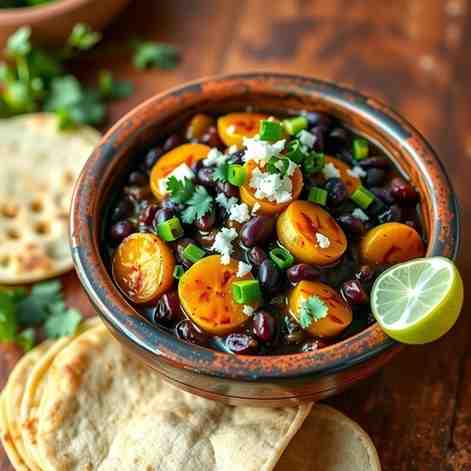
Welcome to a taste of Salvadoran tradition! Get ready to discover Plátanos Fritos con Frijoles Licuados, a dish that perfectly balances sweet and savory, offering a truly comforting experience. Imagine perfectly caramelized, golden-brown fried plantains, their natural sweetness brought to life, served alongside a rich, creamy blend of savory beans. It’s a match made in culinary heaven, and a staple on many Salvadoran tables.
This isn't just another recipe; it's your definitive guide to mastering this beloved dish. We’ll walk you through clear, foolproof frying cues to ensure your plantains are never soggy, always crispy and sweet. Plus, you’ll learn how to achieve that ideal creamy bean texture you can actually control. We'll even dive into the best cooking oil for frying and how to get the most out of recipes using coconut oil for that authentic touch. While this dish shines on its own, it’s often enjoyed with a dollop of fresh crema, a sprinkle of Salvadoran cheese, or creamy avocado slices—we'll touch on those perfect pairings too!
Ingredients
Directions
- Part 1: Preparing the Creamy Blended Beans
- Cook the Beans Until Tender: If using dried beans, place the rinsed black beans in a large pot with 6 cups of water. Bring to a boil, then reduce heat to low, cover, and simmer for 1 to 1.5 hours, or until the beans are very tender. They should be soft enough to mash easily. Add 1 teaspoon of salt during the last 30 minutes of cooking. If using canned beans, skip this step and proceed to step 2, using water or broth as your cooking liquid.
- What you should see: Beans that are easily mashed between your fingers, with some cooking liquid remaining in the pot.
- Blend the Beans: Carefully scoop the cooked beans (reserving about 1/2 cup of their cooking liquid) into a blender. Add the reserved 1/4 cup of cooking liquid (or water if using canned beans), the roughly chopped 1/2 onion, and the 2 cloves of garlic. Blend until completely smooth and creamy. You might need to add a little more cooking liquid, one tablespoon at a time, to reach your desired texture.
- What you should see: A thick, velvety smooth purée, similar to a creamy soup.
- Simmer and Thicken: Heat 2 tablespoons of neutral cooking oil for frying in a large skillet or pot over medium heat. Pour in the blended beans. Bring to a gentle simmer, stirring frequently to prevent sticking. The beans will thicken as they cook, becoming richer and creamier. This process helps to cook out any raw onion/garlic flavor and develop a deeper taste. Be careful, as the beans will splatter as they simmer! Cook for 10-15 minutes, or until the beans are very thick and creamy. Taste and adjust salt if needed. Set aside.
- What you should see: Beans that are bubbling gently and slowly, with a spoon leaving a clear trail when stirred.
- Part 2: Frying the Perfect PlantainsBefore you start frying, let's talk about techniques that prevent soggy plantains. The key is maintaining a consistent oil temperature. Too cool, and your plantains will absorb too much oil, becoming greasy. Too hot, and they'll scorch on the outside before cooking through.
- Target Frying Temperature: Aim for a temperature range of 325-350°F (160-175°C). An instant-read thermometer is your best friend here, but visual cues work too!
- Keep Oil Steady: Fry in small batches. Crowding the pan lowers the oil temperature dramatically, leading to soggy plantains. Let the oil recover to temperature between batches.
- Visual Cues (No Thermometer? No Problem!): If you don't have a thermometer, drop a tiny piece of plantain into the hot oil. If it immediately sizzles gently and starts to bubble, your oil is ready. If it aggressively sputters and smokes, it's too hot. If it just sits there, it's too cool.
- Quick Safety Note: Hot oil can reach very high temperatures. Always add food carefully to avoid splattering, especially if there's any moisture on the food. Don't overcrowd the pan.
- Peel and Slice Plantains: Carefully peel the ripe plantains. They can be a bit tricky! The easiest way is to cut off both ends, then score a shallow line down the length of the plantain with a knife, just through the skin. Pry the skin open with your thumbs. Slice the peeled plantains into 1/2-inch thick rounds or diagonal pieces. Aim for consistent thickness, as this ensures even cooking and browning.
- What you should see: Uniformly sliced plantain pieces, about 1/2-inch thick.
- Fry Plantains in Coconut Oil: Heat the coconut oil in a large skillet over medium to medium-high heat until it reaches 325-350°F (160-175°C), or until you see those gentle bubbling cues. Carefully add the plantain slices in a single layer, ensuring you don't overcrowd the pan. Fry for 2-4 minutes per side, or until they are deeply golden brown and beautifully caramelized. They should be soft and tender on the inside.
- What you should see: Plantains with a rich, golden-brown hue, some darker caramelized spots, and gentle bubbling around them in the oil.
- Serve Immediately: Once fried, transfer the plantains to a paper towel-lined plate to drain any excess oil. Serve them immediately alongside the warm, creamy blended beans. Add a dollop of crema, a sprinkle of cheese, and a few avocado slices for the ultimate Salvadoran experience!
You may also like



Hey there! I’m just someone who seriously loves good food and believes that cooking doesn’t have to be complicated to be amazing. Whether it’s a quick weeknight dinner or a cozy weekend meal, I’m all about sharing easy, tasty recipes that actually work.