
Estonian Cabbage & Meat Soup - Make Hapukapsasupp
Estonian Cabbage & Meat Soup - Make Hapukapsasupp
- Serves: 6 People
- Prepare Time: 20 minutes
- Cooking Time: 2 hours 30
- Calories: -
- Difficulty: Medium
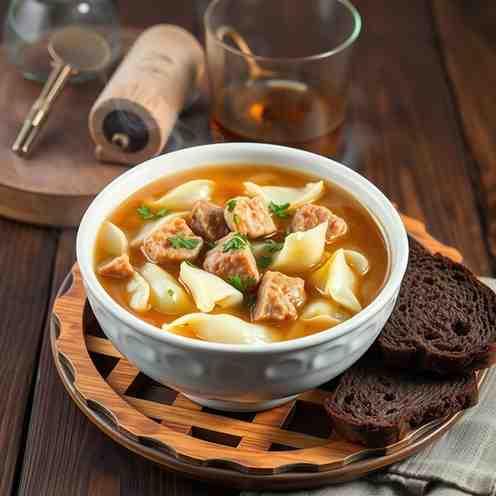
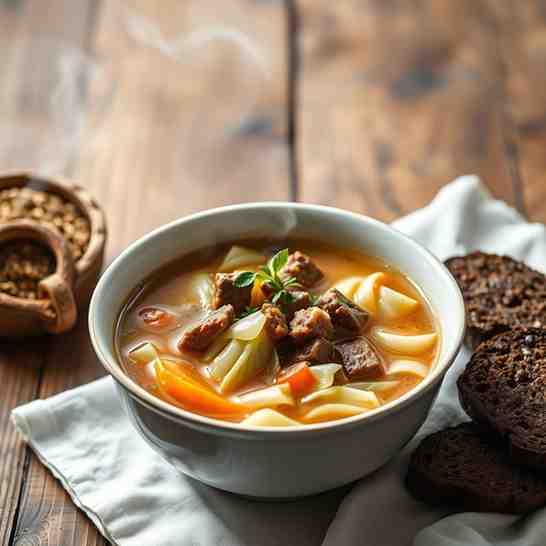
Get ready to cozy up with a bowl of something truly special: traditional Estonian Hapukapsasupp! This isn't just any `cabbage and meat soup`; it's a hearty, savory, and gently sour delight that warms you from the inside out. If you're a fan of comforting, soul-satisfying meals, and love the unique tang of fermented cabbage, then this recipe is definitely for you. What makes it distinctively Estonian? It's the perfect harmony of sauerkraut, tender pork (especially bone-in cuts for extra flavor), and wholesome barley, all simmering together to create a depth of flavor you won't soon forget. It’s the kind of `soup recipe with cabbage` that tastes even better the next day!
Ingredients
Directions
- Start the Pot the Traditional Way Place the bone-in pork, sauerkraut (undrained, including its juices), and pearl barley into a large soup pot or Dutch oven. Pour in enough cold water to cover all the ingredients by at least an inch or two. Starting with cold water is a traditional technique that allows the flavors from the pork bones and sauerkraut to slowly release into the broth as the water gradually heats, resulting in a richer, more flavorful soup. Bring the pot to a boil over medium-high heat.
- Skim and Simmer Once the soup reaches a rolling boil, reduce the heat immediately to low. You'll likely see some foam or scum rise to the surface; use a skimmer or large spoon to carefully remove and discard it. This keeps your broth clear and clean-tasting. After skimming, cover the pot and let the soup simmer gently for at least 1 hour. A "gentle simmer" means you'll see small, occasional bubbles breaking the surface, not a vigorous boil. This long, slow cook time is essential for tenderizing the pork and melding the flavors.
- Add Aromatics After the initial hour of simmering, stir in the grated carrot and chopped or grated onion. Continue to simmer the soup, covered, for another 1 to 1.5 hours, or until the pearl barley is fully tender and the pork is falling off the bone. The exact time will depend on your barley and pork cut. Taste a grain of barley to ensure it's soft and pleasant to chew.
- Balance the Flavor Now it's time to fine-tune the taste. Carefully add salt, remembering that the sauerkraut already contributes significant salinity. Taste as you go. If the soup tastes a bit too sharp or intensely sour, add a pinch of sugar to mellow it out and balance the acidity. Stir in the black pepper and bay leaves. Taste again and adjust any seasonings as needed. Remove the bay leaves before serving.
- Rest (Optional but Recommended) For the absolute best flavor, let the Hapukapsasupp rest for a few hours or, even better, overnight in the refrigerator. Just like many stews and chilis, this soup's flavors deepen and meld beautifully as it sits. The ingredients have more time to fully infuse into the broth, creating a more harmonious and complex taste experience. While you can certainly enjoy it right away, giving it time to rest truly pays off.
- Serve Ladle the hot soup into bowls. For a classic presentation and an extra layer of flavor, add a generous dollop of sour cream on top of each serving. Hapukapsasupp is traditionally served with a slice of dark rye bread, perfect for soaking up every last drop of the savory broth. Some traditional Estonian gatherings might even include a shot of vodka as part of the serving culture, though this is entirely optional!
Estonian Cabbage & Meat Soup - Make Hapukapsasupp
- Serves: 6 People
- Prepare Time: 20 minutes
- Cooking Time: 2 hours 30
- Calories: -
- Difficulty: Medium
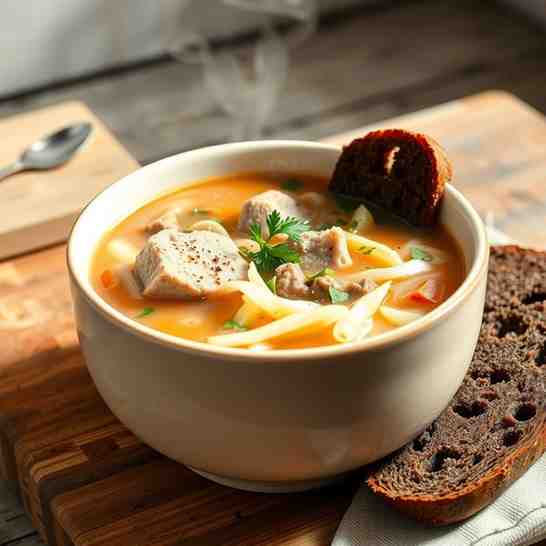
Get ready to cozy up with a bowl of something truly special: traditional Estonian Hapukapsasupp! This isn't just any `cabbage and meat soup`; it's a hearty, savory, and gently sour delight that warms you from the inside out. If you're a fan of comforting, soul-satisfying meals, and love the unique tang of fermented cabbage, then this recipe is definitely for you. What makes it distinctively Estonian? It's the perfect harmony of sauerkraut, tender pork (especially bone-in cuts for extra flavor), and wholesome barley, all simmering together to create a depth of flavor you won't soon forget. It’s the kind of `soup recipe with cabbage` that tastes even better the next day!
Ingredients
Directions
- Start the Pot the Traditional Way Place the bone-in pork, sauerkraut (undrained, including its juices), and pearl barley into a large soup pot or Dutch oven. Pour in enough cold water to cover all the ingredients by at least an inch or two. Starting with cold water is a traditional technique that allows the flavors from the pork bones and sauerkraut to slowly release into the broth as the water gradually heats, resulting in a richer, more flavorful soup. Bring the pot to a boil over medium-high heat.
- Skim and Simmer Once the soup reaches a rolling boil, reduce the heat immediately to low. You'll likely see some foam or scum rise to the surface; use a skimmer or large spoon to carefully remove and discard it. This keeps your broth clear and clean-tasting. After skimming, cover the pot and let the soup simmer gently for at least 1 hour. A "gentle simmer" means you'll see small, occasional bubbles breaking the surface, not a vigorous boil. This long, slow cook time is essential for tenderizing the pork and melding the flavors.
- Add Aromatics After the initial hour of simmering, stir in the grated carrot and chopped or grated onion. Continue to simmer the soup, covered, for another 1 to 1.5 hours, or until the pearl barley is fully tender and the pork is falling off the bone. The exact time will depend on your barley and pork cut. Taste a grain of barley to ensure it's soft and pleasant to chew.
- Balance the Flavor Now it's time to fine-tune the taste. Carefully add salt, remembering that the sauerkraut already contributes significant salinity. Taste as you go. If the soup tastes a bit too sharp or intensely sour, add a pinch of sugar to mellow it out and balance the acidity. Stir in the black pepper and bay leaves. Taste again and adjust any seasonings as needed. Remove the bay leaves before serving.
- Rest (Optional but Recommended) For the absolute best flavor, let the Hapukapsasupp rest for a few hours or, even better, overnight in the refrigerator. Just like many stews and chilis, this soup's flavors deepen and meld beautifully as it sits. The ingredients have more time to fully infuse into the broth, creating a more harmonious and complex taste experience. While you can certainly enjoy it right away, giving it time to rest truly pays off.
- Serve Ladle the hot soup into bowls. For a classic presentation and an extra layer of flavor, add a generous dollop of sour cream on top of each serving. Hapukapsasupp is traditionally served with a slice of dark rye bread, perfect for soaking up every last drop of the savory broth. Some traditional Estonian gatherings might even include a shot of vodka as part of the serving culture, though this is entirely optional!
You may also like



Hey there! I’m just someone who seriously loves good food and believes that cooking doesn’t have to be complicated to be amazing. Whether it’s a quick weeknight dinner or a cozy weekend meal, I’m all about sharing easy, tasty recipes that actually work.