
Finnish Mämmi Recipe Your Easter Treat
Finnish Mämmi Recipe Your Easter Treat
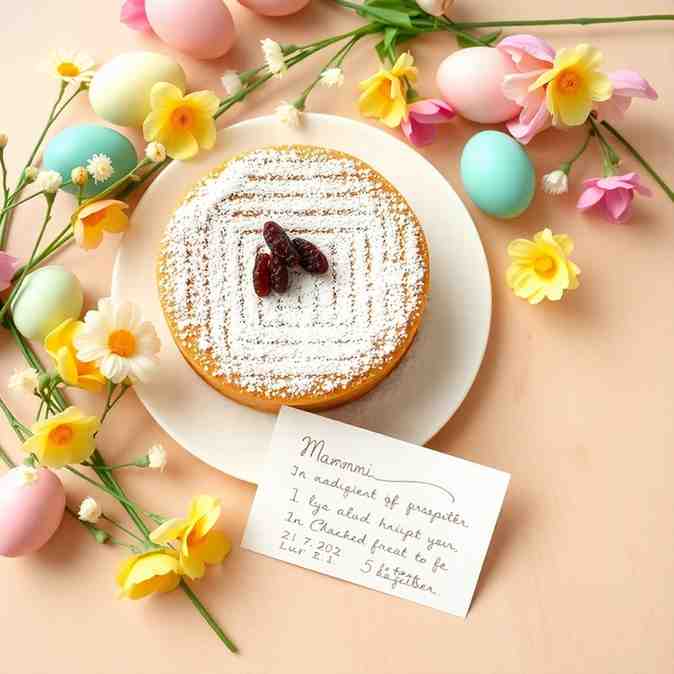
- Serves: 12 People
- Prepare Time: 40 minutes
- Cooking Time: 3 hours
- Calories: 220
- Difficulty: Medium
Ever heard of mämmi? If not, get ready to discover Finland's most unique and perhaps most debated Easter delight! This traditional Finnish mämmi recipe - easter treat is a dark, malty rye pudding that holds a special place in Finnish hearts, stirring up feelings of deep nostalgia for some and a bit of culinary curiosity for others. It’s definitely an acquired taste, but one that’s deeply rooted in history and tradition.
Forget your typical sweet desserts; mämmi is in a league of its own. Made with just a few simple ingredients and a whole lot of patience, it’s a fascinating journey from humble rye to a rich, complex pudding. Whether you're an experienced baker looking for a new challenge or a beginner eager to explore global cuisine, this guide gives you one authentic, tried-and-tested recipe to master mämmi, along with the fascinating story behind this cherished Easter staple. Get ready to dive into a truly unique recipes and cooking experience!
Ingredients
Directions
- Large heavy-bottomed pot (at least 6-8 quart capacity)
- Sturdy whisk
- Measuring cups and spoons or a digital scale
- Oven-safe baking dishes or traditional-style mämmi containers (ceramic or oven-safe cardboard work well)
- Plastic wrap or lids for chilling
- Mini Note: Because the process is long, it helps to clear a shelf in your fridge and plan which day you'll bake.
Start the Rye & Malt Mash
Heat Water: In your large pot, bring 4 cups (950ml) of water to a gentle boil. Remove from heat immediately.
Whisk In Flours: Gradually whisk in ½ cup (60g) of malted rye flour and 1 cup (120g) of wholegrain rye flour until thoroughly combined and smooth.
Rest Warm: Cover the pot and place it in a warm spot for 90–120 minutes. A good trick is to preheat your oven to its lowest setting (around 150°F / 65°C) for 10 minutes, then turn it off and place the covered pot inside.
Texture Cue: At this point, the mixture will look like a thin porridge. As it rests, it will thicken slightly and begin to smell distinctly malty and bready – a sign the magic is happening!
- Build More Sweetness
Add More Ingredients: Bring another 2 cups (475ml) of water to a boil. Remove from heat. Whisk this hot water, along with the remaining ½ cup (60g) malted rye flour and 1 cup (120g) wholegrain rye flour, into the mixture from Stage 1. Whisk until completely smooth.
Second Rest: Cover the pot again and return it to the warm, off oven or another warm spot for another 90–120 minutes.
Checkpoint: After this second rest, the mash should have thickened further and developed a more pronounced malty aroma. To tell if the mash has sweetened, carefully taste a spoonful – it should no longer have a raw flour taste and should have a subtle, natural sweetness. - Flavor, Pre-Cook & Prepare for Baking
Add Flavor: Stir in the dark syrup/molasses, bitter orange zest (or dried orange peel / regular orange zest), salt, and optional raisins.
Gentle Cook: Place the pot over medium-low heat on the stovetop. Cook gently for about 10–15 minutes, stirring constantly with your whisk or a wooden spoon to prevent scorching the bottom. This step helps thicken the mixture and ensures all ingredients are well combined.
Texture Cue: The mixture should be thicker than porridge but still pourable, similar to a thick brownie batter.
Adjust Sweetness: Taste carefully. Remember, mämmi will taste less sweet when cold, so if you prefer a sweeter version, this is your last chance to add a tiny bit more syrup, but err on the side of caution. - Baking Low and Slow
Preheat Oven: Preheat your oven to 325–350°F (165–175°C). The exact temperature can vary slightly, but low and slow is key.
Pour into Dishes: Carefully pour the mämmi mixture into your oven-safe baking dishes. Do not fill them more than halfway, as the mämmi will rise slightly during baking.
Optional Top Coat: For a traditional touch and to help reduce a thick skin, you can gently brush the top of the mämmi with a very thin syrup (1 tbsp syrup mixed with 1 tbsp water) or just plain water.
Bake: Bake for approximately 2½–3 hours. The mämmi is ready when it's dark brown, almost black, and the edges are set but the center still has a gentle jiggly consistency.
Callout: If the top starts to burn before the center is set, loosely tent the dishes with aluminum foil.
Cooling, Chilling & Maturing
Cool Down: Once baked, remove the mämmi from the oven and let it cool completely to room temperature. This can take several hours.
Refrigerate: Once cool, cover the dishes tightly with plastic wrap or lids and refrigerate for 3–4 days. This chilling period is absolutely crucial! It allows the flavors to deepen and mature, transforming the taste and texture.
Final Texture: After chilling, you'll have a thick, spoonable pudding with a velvety, slightly sticky surface.
- Troubleshooting (Inline, Not Separate Recipe):
- Runny after baking and chilling? This usually means it was underbaked or had too much liquid. To rescue, you can try rebaking gently for another 30-60 minutes, or ensuring a longer chill time in a shallower dish next time.
- Grainy or lumpy? This happens if the flour wasn't whisked enough or if it was added to boiling water too quickly. To avoid this, always whisk thoroughly and ensure the water has cooled slightly after boiling before adding flour.
- Too bitter? You might have used too much Seville orange zest. To rebalance, serve it with extra cream and a sprinkle of sugar.
Finnish Mämmi Recipe Your Easter Treat
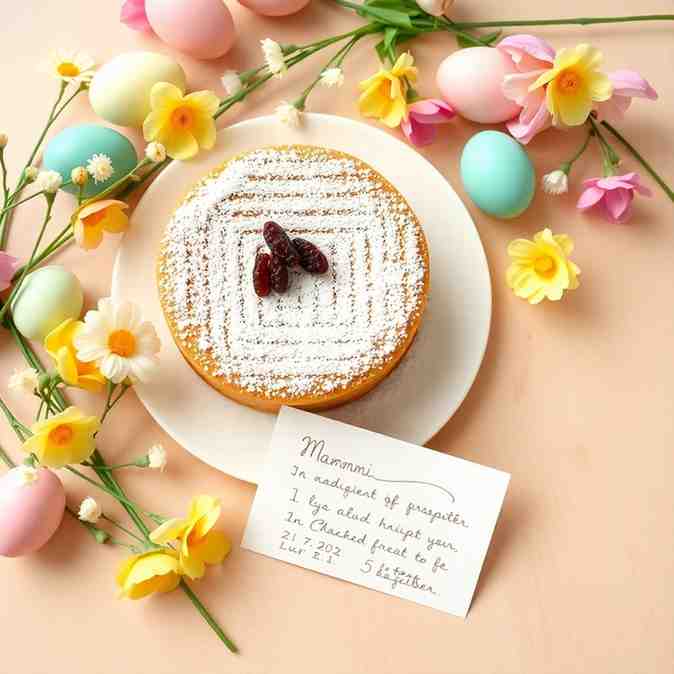
- Serves: 12 People
- Prepare Time: 40 minutes
- Cooking Time: 3 hours
- Calories: 220
- Difficulty: Medium
Ever heard of mämmi? If not, get ready to discover Finland's most unique and perhaps most debated Easter delight! This traditional Finnish mämmi recipe - easter treat is a dark, malty rye pudding that holds a special place in Finnish hearts, stirring up feelings of deep nostalgia for some and a bit of culinary curiosity for others. It’s definitely an acquired taste, but one that’s deeply rooted in history and tradition.
Forget your typical sweet desserts; mämmi is in a league of its own. Made with just a few simple ingredients and a whole lot of patience, it’s a fascinating journey from humble rye to a rich, complex pudding. Whether you're an experienced baker looking for a new challenge or a beginner eager to explore global cuisine, this guide gives you one authentic, tried-and-tested recipe to master mämmi, along with the fascinating story behind this cherished Easter staple. Get ready to dive into a truly unique recipes and cooking experience!
Ingredients
Directions
- Large heavy-bottomed pot (at least 6-8 quart capacity)
- Sturdy whisk
- Measuring cups and spoons or a digital scale
- Oven-safe baking dishes or traditional-style mämmi containers (ceramic or oven-safe cardboard work well)
- Plastic wrap or lids for chilling
- Mini Note: Because the process is long, it helps to clear a shelf in your fridge and plan which day you'll bake.
Start the Rye & Malt Mash
Heat Water: In your large pot, bring 4 cups (950ml) of water to a gentle boil. Remove from heat immediately.
Whisk In Flours: Gradually whisk in ½ cup (60g) of malted rye flour and 1 cup (120g) of wholegrain rye flour until thoroughly combined and smooth.
Rest Warm: Cover the pot and place it in a warm spot for 90–120 minutes. A good trick is to preheat your oven to its lowest setting (around 150°F / 65°C) for 10 minutes, then turn it off and place the covered pot inside.
Texture Cue: At this point, the mixture will look like a thin porridge. As it rests, it will thicken slightly and begin to smell distinctly malty and bready – a sign the magic is happening!
- Build More Sweetness
Add More Ingredients: Bring another 2 cups (475ml) of water to a boil. Remove from heat. Whisk this hot water, along with the remaining ½ cup (60g) malted rye flour and 1 cup (120g) wholegrain rye flour, into the mixture from Stage 1. Whisk until completely smooth.
Second Rest: Cover the pot again and return it to the warm, off oven or another warm spot for another 90–120 minutes.
Checkpoint: After this second rest, the mash should have thickened further and developed a more pronounced malty aroma. To tell if the mash has sweetened, carefully taste a spoonful – it should no longer have a raw flour taste and should have a subtle, natural sweetness. - Flavor, Pre-Cook & Prepare for Baking
Add Flavor: Stir in the dark syrup/molasses, bitter orange zest (or dried orange peel / regular orange zest), salt, and optional raisins.
Gentle Cook: Place the pot over medium-low heat on the stovetop. Cook gently for about 10–15 minutes, stirring constantly with your whisk or a wooden spoon to prevent scorching the bottom. This step helps thicken the mixture and ensures all ingredients are well combined.
Texture Cue: The mixture should be thicker than porridge but still pourable, similar to a thick brownie batter.
Adjust Sweetness: Taste carefully. Remember, mämmi will taste less sweet when cold, so if you prefer a sweeter version, this is your last chance to add a tiny bit more syrup, but err on the side of caution. - Baking Low and Slow
Preheat Oven: Preheat your oven to 325–350°F (165–175°C). The exact temperature can vary slightly, but low and slow is key.
Pour into Dishes: Carefully pour the mämmi mixture into your oven-safe baking dishes. Do not fill them more than halfway, as the mämmi will rise slightly during baking.
Optional Top Coat: For a traditional touch and to help reduce a thick skin, you can gently brush the top of the mämmi with a very thin syrup (1 tbsp syrup mixed with 1 tbsp water) or just plain water.
Bake: Bake for approximately 2½–3 hours. The mämmi is ready when it's dark brown, almost black, and the edges are set but the center still has a gentle jiggly consistency.
Callout: If the top starts to burn before the center is set, loosely tent the dishes with aluminum foil.
Cooling, Chilling & Maturing
Cool Down: Once baked, remove the mämmi from the oven and let it cool completely to room temperature. This can take several hours.
Refrigerate: Once cool, cover the dishes tightly with plastic wrap or lids and refrigerate for 3–4 days. This chilling period is absolutely crucial! It allows the flavors to deepen and mature, transforming the taste and texture.
Final Texture: After chilling, you'll have a thick, spoonable pudding with a velvety, slightly sticky surface.
- Troubleshooting (Inline, Not Separate Recipe):
- Runny after baking and chilling? This usually means it was underbaked or had too much liquid. To rescue, you can try rebaking gently for another 30-60 minutes, or ensuring a longer chill time in a shallower dish next time.
- Grainy or lumpy? This happens if the flour wasn't whisked enough or if it was added to boiling water too quickly. To avoid this, always whisk thoroughly and ensure the water has cooled slightly after boiling before adding flour.
- Too bitter? You might have used too much Seville orange zest. To rebalance, serve it with extra cream and a sprinkle of sugar.
The following nutritional values are per serving (one piece of cake) Calories 180-220 kcal Carbohydrates 35-45g Protein 4-6g Fat 1-2g (naturally low in fat) Making traditional Mämmi is a labor of love that rewards patience, but that doesn't mean you can't make the process a little smoother and more enjoyable! Here are a few recommendations for tools and ingredients that can help you along the way. Problem: The natural sweetening process of Mämmi relies heavily on malted rye, and inconsistent quality can lead to unpredictable results or a less flavorful pudding. Problem: Mämmi requires gentle, consistent cooking on the stovetop to prevent scorching, which can ruin the taste and texture. Problem: Baking, especially with specialty flours like rye, benefits immensely from precise measurements, which can be tricky with volumetric cups. Problem: Finding fresh Seville (bitter) oranges can be a challenge outside of specific seasons or regions, and zesting can be time-consuming. Click any ingredient for detailed nutritional information:Recipe Nutritional Values
Additional Information
Recipe Success Tips
Ingredient Substitutions & Variations
Cultural Variations
Make-Ahead & Storage Instructions
Frequently Asked Questions
Recommended Kitchen Tools
High-Quality Malted Rye
Agitate: Imagine investing hours into your Mämmi, only for it to lack that deep, characteristic malty sweetness because your malt wasn't up to par. It's disappointing when your patience isn't rewarded with authentic flavor.
Solution: Sourcing high-quality malted rye from reliable suppliers (like homebrew shops or specialty health stores) ensures your Mämmi develops its rich, complex flavor and natural sweetness efficiently, making your efforts truly count.Heavy-Bottomed Pot
Agitate: Nothing is more frustrating than stirring diligently, only to find a burnt layer stuck to the bottom of your pot, imparting an unpleasant taste to your delicate pudding. Uneven heating can also hinder proper sweetening.
Solution: A large, heavy-bottomed pot (like a Dutch oven or a thick stainless steel pot) distributes heat evenly, significantly reducing the risk of scorching and allowing the mash to sweeten and thicken perfectly without constant anxiety.Digital Kitchen Scale
Agitate: Guessing flour amounts can lead to a Mämmi that's either too runny or too thick, impacting its traditional velvety texture. Inaccurate ingredient ratios can throw off the delicate balance of sweetness and maltiness.
Solution: A digital kitchen scale provides exact measurements for your rye flour and malt, ensuring consistent results every time and helping you achieve that perfect, authentic Mämmi texture and flavor.Pre-Ground Dried Bitter Orange Peel
Agitate: Scrambling to find bitter oranges or spending extra time zesting when you're already on a multi-day Mämmi journey can add unnecessary stress. Using regular orange zest changes the traditional flavor profile.
Solution: Keep a jar of high-quality pre-ground dried bitter orange peel on hand. It provides that essential citrusy bitterness without the hunt for fresh fruit or the prep work, saving you time and ensuring authentic flavor.Calories per Ingredient
Resources & References
You may also like


Hey there! I’m just someone who seriously loves good food and believes that cooking doesn’t have to be complicated to be amazing. Whether it’s a quick weeknight dinner or a cozy weekend meal, I’m all about sharing easy, tasty recipes that actually work.