
Gimmari - Crispy Korean Seaweed Snack Rolls - Make Yours Today
Gimmari - Crispy Korean Seaweed Snack Rolls - Make Yours Today
- Serves: 4 People
- Prepare Time: 25 minutes
- Cooking Time: 20 minutes
- Calories: -
- Difficulty: Medium
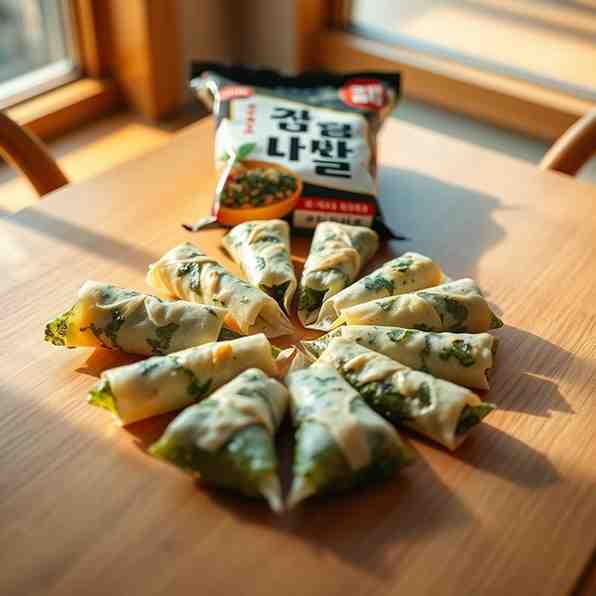
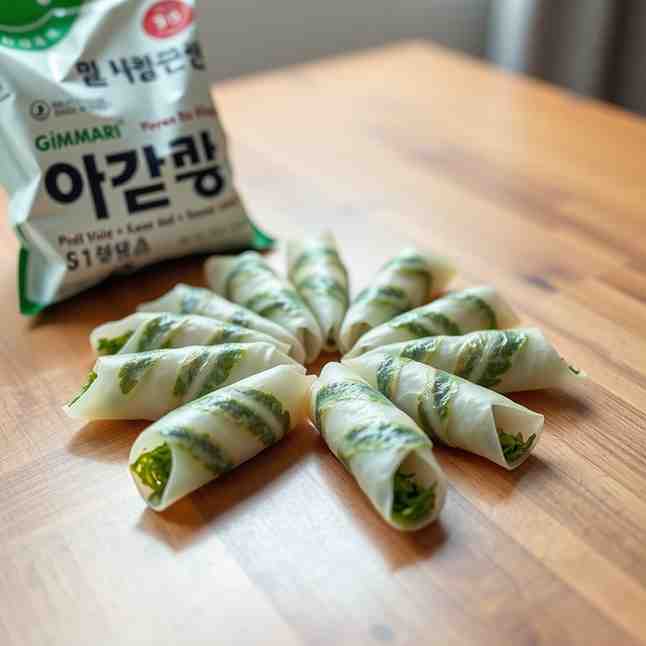
Get ready to transform simple ingredients into an irresistible Korean seaweed snack! We're talking about Gimmari (김말이), crispy fried seaweed rolls with a delightfully chewy glass noodle filling. Imagine biting into a perfectly golden, crunchy exterior, followed by savory, seasoned sweet potato vermicelli noodles – it’s a match made in heaven, especially when paired with spicy tteokbokki.
This isn't just another recipe; it's one definitive recipe for perfect Gimmari every single time. We'll walk you through everything from choosing the right ingredients to mastering the frying technique, plus offer fantastic spicy dipping sauce ideas and even a realistic look at air frying this beloved Korean snack food. Whether you're a beginner or an experienced home cook looking for easy snack food recipes, you'll find everything you need right here to make your own delicious Gimmari.
So, what exactly is Gimmari? Simply put, it's a popular Korean street food made by wrapping seasoned glass noodles in sheets of dried seaweed (gim or nori), then dipping them in a light batter and deep-frying until golden and crispy. You'll often hear it called kimari, fried seaweed rolls, or seaweed noodle rolls. This humble yet incredibly satisfying dish is a staple in Korean street food stalls, frequently served alongside fiery tteokbokki (spicy rice cakes) or rabokki (ramen tteokbokki), soaking up all that delicious sauce. It’s the ultimate crispy fried noodle treat that’s perfect for sharing, snacking, or adding to a full Korean feast. Let’s get rolling!
Ingredients
Directions
- Key to Crispy #1: Drain Noodles Thoroughly. Soggy noodles mean soggy Gimmari.
- Key to Crispy #2: Keep Seaweed Dry & Seal Seam Properly. Moisture is the enemy of crispiness and can cause rolls to open.
- Key to Crispy #3: Don't Stir the Batter Immediately. Let the starch settle for the right texture.Key to Crispy #4: Fry at the Right Temp, Don't Crowd, Double-Fry. These are crucial for a golden, crunchy finish.
- Prep the Sweet Potato Noodles
- Bring a medium pot of water to a boil. Add the sweet potato glass noodles (dangmyeon) and cook according to package directions, usually 5-7 minutes, until tender but still chewy.
- Immediately drain the noodles in a colander and rinse them thoroughly under cold running water. This stops the cooking process and removes excess starch, preventing them from sticking.
- Let the noodles drain for at least 5-10 minutes, pressing gently to remove as much water as possible. Then, using kitchen scissors, cut the noodles into manageable 2-3 inch lengths. This makes them easier to mix and roll.
- Season the Noodle Filling
- In a medium bowl, combine the drained and cut noodles with the finely diced carrot and chopped garlic chives (if using).
- Add the soy sauce, sesame oil, salt, and black pepper.
- Mix everything together thoroughly by hand or with tongs, ensuring the seasonings are evenly distributed. Taste and adjust seasoning if needed.
- Roll the Seaweed Sheets
- Lay one sheet of gim (seaweed) on a clean, dry surface with the rough side facing up.
- Place about 2-3 tablespoons of the seasoned noodle filling in a thin line along one edge of the seaweed sheet, leaving about a 1/2-inch border on the sides.
- Don’t overstuff! A thin, even layer is key for even frying.
- Fold the bottom edge of the seaweed over the filling, then roll it up tightly, like a spring roll.
- To seal the seam, lightly moisten the top edge of the seaweed with a few drops of water using your finger
Gimmari - Crispy Korean Seaweed Snack Rolls - Make Yours Today
- Serves: 4 People
- Prepare Time: 25 minutes
- Cooking Time: 20 minutes
- Calories: -
- Difficulty: Medium
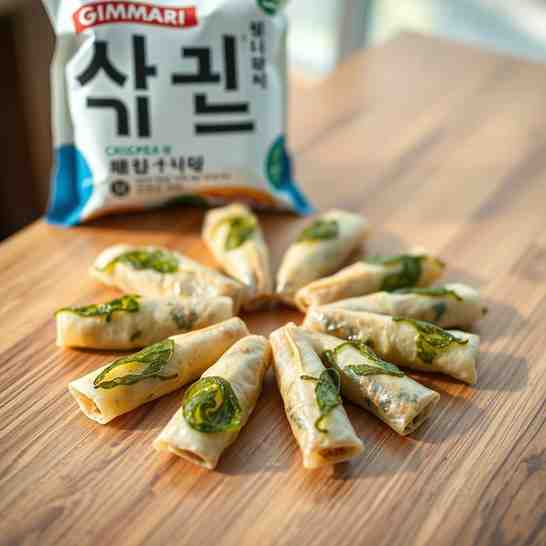
Get ready to transform simple ingredients into an irresistible Korean seaweed snack! We're talking about Gimmari (김말이), crispy fried seaweed rolls with a delightfully chewy glass noodle filling. Imagine biting into a perfectly golden, crunchy exterior, followed by savory, seasoned sweet potato vermicelli noodles – it’s a match made in heaven, especially when paired with spicy tteokbokki.
This isn't just another recipe; it's one definitive recipe for perfect Gimmari every single time. We'll walk you through everything from choosing the right ingredients to mastering the frying technique, plus offer fantastic spicy dipping sauce ideas and even a realistic look at air frying this beloved Korean snack food. Whether you're a beginner or an experienced home cook looking for easy snack food recipes, you'll find everything you need right here to make your own delicious Gimmari.
So, what exactly is Gimmari? Simply put, it's a popular Korean street food made by wrapping seasoned glass noodles in sheets of dried seaweed (gim or nori), then dipping them in a light batter and deep-frying until golden and crispy. You'll often hear it called kimari, fried seaweed rolls, or seaweed noodle rolls. This humble yet incredibly satisfying dish is a staple in Korean street food stalls, frequently served alongside fiery tteokbokki (spicy rice cakes) or rabokki (ramen tteokbokki), soaking up all that delicious sauce. It’s the ultimate crispy fried noodle treat that’s perfect for sharing, snacking, or adding to a full Korean feast. Let’s get rolling!
Ingredients
Directions
- Key to Crispy #1: Drain Noodles Thoroughly. Soggy noodles mean soggy Gimmari.
- Key to Crispy #2: Keep Seaweed Dry & Seal Seam Properly. Moisture is the enemy of crispiness and can cause rolls to open.
- Key to Crispy #3: Don't Stir the Batter Immediately. Let the starch settle for the right texture.Key to Crispy #4: Fry at the Right Temp, Don't Crowd, Double-Fry. These are crucial for a golden, crunchy finish.
- Prep the Sweet Potato Noodles
- Bring a medium pot of water to a boil. Add the sweet potato glass noodles (dangmyeon) and cook according to package directions, usually 5-7 minutes, until tender but still chewy.
- Immediately drain the noodles in a colander and rinse them thoroughly under cold running water. This stops the cooking process and removes excess starch, preventing them from sticking.
- Let the noodles drain for at least 5-10 minutes, pressing gently to remove as much water as possible. Then, using kitchen scissors, cut the noodles into manageable 2-3 inch lengths. This makes them easier to mix and roll.
- Season the Noodle Filling
- In a medium bowl, combine the drained and cut noodles with the finely diced carrot and chopped garlic chives (if using).
- Add the soy sauce, sesame oil, salt, and black pepper.
- Mix everything together thoroughly by hand or with tongs, ensuring the seasonings are evenly distributed. Taste and adjust seasoning if needed.
- Roll the Seaweed Sheets
- Lay one sheet of gim (seaweed) on a clean, dry surface with the rough side facing up.
- Place about 2-3 tablespoons of the seasoned noodle filling in a thin line along one edge of the seaweed sheet, leaving about a 1/2-inch border on the sides.
- Don’t overstuff! A thin, even layer is key for even frying.
- Fold the bottom edge of the seaweed over the filling, then roll it up tightly, like a spring roll.
- To seal the seam, lightly moisten the top edge of the seaweed with a few drops of water using your finger
You may also like




Hey there! I’m just someone who seriously loves good food and believes that cooking doesn’t have to be complicated to be amazing. Whether it’s a quick weeknight dinner or a cozy weekend meal, I’m all about sharing easy, tasty recipes that actually work.